Conference Presentations by Abdulkerim Bozyel
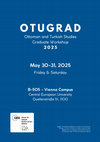
Ottoman and Turkish Studies Graduate Workshop, 2025
This study examines the representation of Ottoman mosques in two significant architectural texts:... more This study examines the representation of Ottoman mosques in two significant architectural texts: Usul-i Mi'mari Osmani (1873) and Istanbul: City History and Architecture by Karoly Kos (1940s). Usul-i Mi'mari Osmani, prepared by İbrahim Edhem Pasha and his team for the Vienna Exhibition, serves as one of the earliest systematic efforts to define Ottoman architectural identity. It presents a structured analysis of Ottoman architecture, categorizing buildings based on their success and stylistic attributes. The text emphasizes national and cultural elements while providing a framework for understanding architectural development. However, it lacks an in-depth exploration of the roots and interactions that shaped Ottoman architecture, instead focusing on an internal progression.
In contrast, Karoly Kos, a Hungarian architect and politician, approaches Ottoman architecture from a broader historical and geographical perspective. His work connects Ottoman mosque architecture to earlier traditions, such as the Seljuk and Byzantine influences, and highlights the evolution of spatial planning and structural elements. Unlike Usul-i Mi'mari Osmani, Kos places significant emphasis on architectural space, plan, and perspective, particularly in relation to the influence of Hagia Sophia on Ottoman mosque design. He critiques Western art historiography’s neglect of Ottoman contributions and underscores the originality of Ottoman-Turkish mosque architecture.
By comparing the two narratives, this study reveals the differences in methodological approaches: Usul-i Mi'mari Osmani constructs an internalized, national architectural identity, while Kos presents Ottoman architecture within a broader cross-cultural framework. Despite their differing perspectives, both texts emphasize the uniqueness and refinement of Ottoman mosque architecture, contributing to our understanding of its development and historiographical representation.
In contrast, Karoly Kos, a Hungarian architect and politician, approaches Ottoman architecture from a broader historical and geographical perspective. His work connects Ottoman mosque architecture to earlier traditions, such as the Seljuk and Byzantine influences, and highlights the evolution of spatial planning and structural elements. Unlike Usul-i Mi'mari Osmani, Kos places significant emphasis on architectural space, plan, and perspective, particularly in relation to the influence of Hagia Sophia on Ottoman mosque design. He critiques Western art historiography’s neglect of Ottoman contributions and underscores the originality of Ottoman-Turkish mosque architecture.
By comparing the two narratives, this study reveals the differences in methodological approaches: Usul-i Mi'mari Osmani constructs an internalized, national architectural identity, while Kos presents Ottoman architecture within a broader cross-cultural framework. Despite their differing perspectives, both texts emphasize the uniqueness and refinement of Ottoman mosque architecture, contributing to our understanding of its development and historiographical representation.
ULUSLARARASI AYASOFYA SEMPOZYUMU: Fatih Sultan Mehmed Dönemi İstanbul: İmar ve İskân INTERNATIONAL HAGIA SOPHIA SYMPOSIUM: İstanbul During the Reign of Sultan Mehmed the Conqueror: Construction and Housing, 2025
İstanbul’un sur içindeki önemli çok katmanlı kültürel alanlarından biri olan Yedikule Hisarı; son... more İstanbul’un sur içindeki önemli çok katmanlı kültürel alanlarından biri olan Yedikule Hisarı; son dönemlerde görmüş olduğu restorasyon ve içerisinde yer alan Fatih (Ebu’l-Feth) Mescidi’nin ihyası (rekonstrüksiyon) ile kentin önemli bir mimari imgesi olarak ön plana çıkmaktadır. Bununla birlikte; hisarın restorasyon çalışmalarında hem konumu hem de rekonstrüksiyonu ile birlikte tam ortada yer alan Fatih Mescidi; tarihsel bağlam, mimari temsil, kültürel bellek ve çok katmanlı mirası koruma yaklaşımları ışığında incelenmesi gereken bir yapıdır. Bizans döneminde Porta Aurea (Altın Kapı) olarak inşa edilen yapı, imparatorların zafer alaylarıyla şehre giriş yaptığı sembolik bir geçit olarak işlev görmüş; zamanla iç kale haline getirilmiş ve Osmanlı döneminde ise Fatih Sultan Mehmed tarafından hazine ve devlet arşivi olarak yeniden düzenlenmiştir. Sultanın bu müdahaleleri, yapının askeri ve idari kimliğini pekiştirmiş, aynı zamanda Rönesans dönemi “ideal şehir” planlarıyla karşılaştırılabilecek simetrik ve geometrik bir düzene oturtmuştur. Yapının bu çok katmanlı tarihî yapısı, onu yalnızca mimari açıdan değil, günümüzde de gördüğümüz gibi onu politik ve kültürel bir simge olarak da önemli kılmaktadır.
20. yüzyıl itibarıyla büyük ölçüde yıkılmış olan Fatih Mescidi’nin günümüzde yeniden inşa edilmesi, tarihi yarımada içerisindeki son yıllarda artan hızlı rekonstrüksiyonların bir parçasıdır ve mimari korumayla ilgili soruları beraberinde getirmiştir. Özellikle mevcut görsel ve yazılı kaynaklar (fotoğraflar, gravürler, minyatürler, arşiv belgeleri) ve benzer mescid rekonstrüksiyon örnekleriyle karşılaştırmalı olarak değerlendirmek konuyu anlamamıza yardımcı olacaktır. Uygulamanın bilimsel restorasyon ilkeleriyle ne ölçüde örtüştüğü sorgulanmalı; özellikle yapı hakkında yeterli mimari veri bulunmadan yapılan yeniden inşanın, tarihsel gerçeklikten çok estetik ve politik yönelimlerle şekillendiği göz ardı edilmemelidir. Üç adet, yapının özgün hâlini yansıtmayan erken 20. yüzyıl fotoğrafı üzerinden yapılan üstyapı üretimi, mimari değil temsili bir faaliyet olarak değerlendirilebilir. Benzer şekilde İstanbul’da başka örneklerde de belge ve fiziksel kalıntıların yetersizliğine rağmen dönem analojilerine yaslanarak yapay bir tarihî çevre yaratıldığı göz ardı edilmemelidir. Bu eğilim, tarihî süreklilikle çelişen, estetik nostaljiye dayalı bir temsiliyet üretmekte; ayrıca iç mekânlarıyla yeni süsleme ve malzemelerle kültürel bellekle uyumsuz sahnelemelere yol açmaktadır.
Sonuç olarak Fatih Mescidi örneği üzerinden, rekonstrüksiyonun yalnızca yeniden inşa değil, aynı zamanda “dondurma”, “tamamlama” veya “mevcut haliyle koruma” gibi alternatif yöntemleri de içerebileceğini unutulmamalı; aksi hâlde üretilen yapıların tarihî bir eserin çağdaş yorumu değil, geçmişin yeniden yazıldığı ve tüketildiği birer tarihî dekor hâline gelebileceği bilinmelidir. Bu da kültürel mirasın mimarlık yoluyla sahih bir biçimde aktarılmasında sorunlara yol açmaktadır.
——————————————————————————————————
Yedikule Fortress, one of the most significant multi-layered cultural sites within the historic walled city of Istanbul, has recently gained renewed attention through extensive restoration efforts and the reconstruction of the Fatih (Ebü’l-Feth) Mosque located within its walls. This mosque, positioned centrally both in terms of location and symbolic meaning, has emerged as a prominent architectural landmark. However, it must be critically examined within the frameworks of historical context, architectural representation, cultural memory, and approaches to conserving layered heritage.
Originally constructed as the Porta Aurea (Golden Gate) during the Byzantine era, this structure once served as the ceremonial gateway through which emperors entered the city in triumphal processions. Over time, it was converted into an inner fortress, and during the Ottoman period, Sultan Mehmed II repurposed it as a treasury and imperial archive. These interventions by the sultan not only reinforced the site’s military and administrative identity but also imposed a symmetrical and geometric spatial order comparable to the “ideal city” plans of the Renaissance. This layered historical identity endows the structure with significance not only architecturally, but also—as is evident today—politically and culturally.
The reconstruction of the Fatih Mosque, which had largely collapsed by the early 20th century, is part of a broader wave of rapid reconstructions in Istanbul’s Historic Peninsula in recent years, raising critical questions about architectural conservation. A comparative analysis that includes available visual and textual sources (photographs, engravings, miniatures, archival documents) and similar mosque reconstructions can help contextualize the project. The extent to which the implementation aligns with established principles of scientific restoration must be scrutinized. In particular, the decision to reconstruct the building in the absence of sufficient architectural data suggests a process shaped more by aesthetic and political motivations than by historical accuracy.
The reconstruction, based on three early 20th-century photographs that do not accurately reflect the original structure, can be seen less as an architectural intervention and more as a representational act. Likewise, other examples from Istanbul reveal that, despite a lack of documentary and physical evidence, reconstructions have often relied on analogies to the period, thereby creating artificial historical environments. This trend risks producing representations grounded in aesthetic nostalgia that conflict with historical continuity, and may result in interior spaces adorned with materials and decorations incompatible with cultural memory.
In conclusion, the case of the Fatih Mosque reminds us that reconstruction should not be limited to rebuilding. It must also consider alternative approaches such as preservation in its existing state, completion, or deliberate suspension (“freezing”) of intervention. Otherwise, such structures risk becoming historical stage sets—products of the past rewritten and consumed—rather than authentic contemporary interpretations of historical monuments. This raises significant concerns for the truthful transmission of cultural heritage through architecture.
20. yüzyıl itibarıyla büyük ölçüde yıkılmış olan Fatih Mescidi’nin günümüzde yeniden inşa edilmesi, tarihi yarımada içerisindeki son yıllarda artan hızlı rekonstrüksiyonların bir parçasıdır ve mimari korumayla ilgili soruları beraberinde getirmiştir. Özellikle mevcut görsel ve yazılı kaynaklar (fotoğraflar, gravürler, minyatürler, arşiv belgeleri) ve benzer mescid rekonstrüksiyon örnekleriyle karşılaştırmalı olarak değerlendirmek konuyu anlamamıza yardımcı olacaktır. Uygulamanın bilimsel restorasyon ilkeleriyle ne ölçüde örtüştüğü sorgulanmalı; özellikle yapı hakkında yeterli mimari veri bulunmadan yapılan yeniden inşanın, tarihsel gerçeklikten çok estetik ve politik yönelimlerle şekillendiği göz ardı edilmemelidir. Üç adet, yapının özgün hâlini yansıtmayan erken 20. yüzyıl fotoğrafı üzerinden yapılan üstyapı üretimi, mimari değil temsili bir faaliyet olarak değerlendirilebilir. Benzer şekilde İstanbul’da başka örneklerde de belge ve fiziksel kalıntıların yetersizliğine rağmen dönem analojilerine yaslanarak yapay bir tarihî çevre yaratıldığı göz ardı edilmemelidir. Bu eğilim, tarihî süreklilikle çelişen, estetik nostaljiye dayalı bir temsiliyet üretmekte; ayrıca iç mekânlarıyla yeni süsleme ve malzemelerle kültürel bellekle uyumsuz sahnelemelere yol açmaktadır.
Sonuç olarak Fatih Mescidi örneği üzerinden, rekonstrüksiyonun yalnızca yeniden inşa değil, aynı zamanda “dondurma”, “tamamlama” veya “mevcut haliyle koruma” gibi alternatif yöntemleri de içerebileceğini unutulmamalı; aksi hâlde üretilen yapıların tarihî bir eserin çağdaş yorumu değil, geçmişin yeniden yazıldığı ve tüketildiği birer tarihî dekor hâline gelebileceği bilinmelidir. Bu da kültürel mirasın mimarlık yoluyla sahih bir biçimde aktarılmasında sorunlara yol açmaktadır.
——————————————————————————————————
Yedikule Fortress, one of the most significant multi-layered cultural sites within the historic walled city of Istanbul, has recently gained renewed attention through extensive restoration efforts and the reconstruction of the Fatih (Ebü’l-Feth) Mosque located within its walls. This mosque, positioned centrally both in terms of location and symbolic meaning, has emerged as a prominent architectural landmark. However, it must be critically examined within the frameworks of historical context, architectural representation, cultural memory, and approaches to conserving layered heritage.
Originally constructed as the Porta Aurea (Golden Gate) during the Byzantine era, this structure once served as the ceremonial gateway through which emperors entered the city in triumphal processions. Over time, it was converted into an inner fortress, and during the Ottoman period, Sultan Mehmed II repurposed it as a treasury and imperial archive. These interventions by the sultan not only reinforced the site’s military and administrative identity but also imposed a symmetrical and geometric spatial order comparable to the “ideal city” plans of the Renaissance. This layered historical identity endows the structure with significance not only architecturally, but also—as is evident today—politically and culturally.
The reconstruction of the Fatih Mosque, which had largely collapsed by the early 20th century, is part of a broader wave of rapid reconstructions in Istanbul’s Historic Peninsula in recent years, raising critical questions about architectural conservation. A comparative analysis that includes available visual and textual sources (photographs, engravings, miniatures, archival documents) and similar mosque reconstructions can help contextualize the project. The extent to which the implementation aligns with established principles of scientific restoration must be scrutinized. In particular, the decision to reconstruct the building in the absence of sufficient architectural data suggests a process shaped more by aesthetic and political motivations than by historical accuracy.
The reconstruction, based on three early 20th-century photographs that do not accurately reflect the original structure, can be seen less as an architectural intervention and more as a representational act. Likewise, other examples from Istanbul reveal that, despite a lack of documentary and physical evidence, reconstructions have often relied on analogies to the period, thereby creating artificial historical environments. This trend risks producing representations grounded in aesthetic nostalgia that conflict with historical continuity, and may result in interior spaces adorned with materials and decorations incompatible with cultural memory.
In conclusion, the case of the Fatih Mosque reminds us that reconstruction should not be limited to rebuilding. It must also consider alternative approaches such as preservation in its existing state, completion, or deliberate suspension (“freezing”) of intervention. Otherwise, such structures risk becoming historical stage sets—products of the past rewritten and consumed—rather than authentic contemporary interpretations of historical monuments. This raises significant concerns for the truthful transmission of cultural heritage through architecture.
5. ULUSLARARASI TÜRKOLOJİ ARAŞTIRMALARI SEMPOZYUMU, 2025
Osmanlı Devleti, fethettiği bölgelerde inşa ettiği hamamlarla sadece hijyen ve sağlık yapıları ol... more Osmanlı Devleti, fethettiği bölgelerde inşa ettiği hamamlarla sadece hijyen ve sağlık yapıları oluşturmakla kalmamış, aynı zamanda sosyal ve kültürel yaşamı da şekillendirmiştir. Bu çalışma, Osmanlı hamam mimarisinin İstanbul ve Budapeşte bağlamındaki yansımalarını inceleyerek Kılıç Ali Paşa Hamamı ile Rudaş Hamamı’nı karşılaştırmaktadır. Mimar Sinan tarafından inşa edilen Kılıç Ali Paşa Hamamı, Osmanlı başkentindeki klasik hamam mimarisinin en önemli örneklerinden biri olup, yıldız plan şeması ile dikkat çeker. Budapeşte’deki Rudaş Hamamı ise Osmanlı’nın Avrupa’daki en önemli termal yapılarından biri olarak G tipi sütunlu plan düzenine sahiptir. Çalışmada, bu hamamların mekânsal organizasyonu, mimari üslupları ve işlevsel süreklilikleri analiz edilerek Osmanlı’nın kültürel yayılımı ve kent dokusu üzerindeki etkileri ele alınmaktadır. Osmanlı Devleti’nin Macaristan’daki iskân politikaları doğrultusunda hamamların sosyal ve kültürel entegrasyondaki rolü değerlendirilmiş; özellikle Rudaş Hamamı’nın Osmanlı sonrası süreçte geçirdiği dönüşümler incelenmiştir. Bu bağlamda, hamamların sadece fiziksel yapılar olmadığı, aynı zamanda birer kimlik göstergesi ve Osmanlı kültürel temsil araçları olduğu ortaya konmaktadır. Makale, Osmanlı mimarisinin Avrupa’daki yansımalarını anlamak için Budin eyaletinde inşa edilen hamamların işlevlerini tartışırken, aynı zamanda 16. yüzyıldan itibaren İstanbul’da gelişen hamam tipolojisi ile Macaristan’daki uygulamaların benzerliklerini ve farklılıklarını ortaya koymaktadır. Osmanlı’nın Batı’daki temsil mekânlarından biri olarak değerlendirilebilecek hamamlar, İstanbul’daki örneklerle karşılaştırıldığında, Osmanlı’nın mimari adaptasyon sürecini anlamak için önemli veriler sunmaktadır. Günümüzde halen kullanılan bu yapılar, Osmanlı Türk mirasının Avrupa’daki izlerini sürdürmesi açısından büyük önem taşımaktadır.
———————————————————————————————————————————
The Ottoman Empire not only built baths (hamams) in the regions it conquered to promote hygiene and public health but also shaped social and cultural life through these structures. This study examines Ottoman bath architecture in Istanbul and Budapest by comparing Kılıç Ali Pasha Hamam and Rudas Hamam. Designed by Mimar Sinan, Kılıç Ali Pasha Hamam is a significant example of classical Ottoman bath architecture in the imperial
capital, featuring a star-shaped plan typology. Meanwhile, Rudas Hamam in Budapest, one of the most prominent thermal baths built during Ottoman rule in Europe, exhibits a columned G-type plan. This study analyzes the spatial organization, architectural styles, and functional continuity of these baths, emphasizing the Ottoman Empire’s cultural expansion and its influence on the urban fabric. It also explores the role of baths in the Ottomans’ settlement policies in Hungary, focusing on the transformations Rudas Hamam underwent after Ottoman rule. These structures were not merely physical spaces but also symbols of identity and cultural representation. By examining the functions of baths in Buda, this study contextualizes Ottoman architectural reflections in Europe, comparing them with evolving bath typologies in 16th-century Istanbul. Today, these baths remain significant markers of Ottoman Turkish cultural heritage in Europe.
———————————————————————————————————————————
The Ottoman Empire not only built baths (hamams) in the regions it conquered to promote hygiene and public health but also shaped social and cultural life through these structures. This study examines Ottoman bath architecture in Istanbul and Budapest by comparing Kılıç Ali Pasha Hamam and Rudas Hamam. Designed by Mimar Sinan, Kılıç Ali Pasha Hamam is a significant example of classical Ottoman bath architecture in the imperial
capital, featuring a star-shaped plan typology. Meanwhile, Rudas Hamam in Budapest, one of the most prominent thermal baths built during Ottoman rule in Europe, exhibits a columned G-type plan. This study analyzes the spatial organization, architectural styles, and functional continuity of these baths, emphasizing the Ottoman Empire’s cultural expansion and its influence on the urban fabric. It also explores the role of baths in the Ottomans’ settlement policies in Hungary, focusing on the transformations Rudas Hamam underwent after Ottoman rule. These structures were not merely physical spaces but also symbols of identity and cultural representation. By examining the functions of baths in Buda, this study contextualizes Ottoman architectural reflections in Europe, comparing them with evolving bath typologies in 16th-century Istanbul. Today, these baths remain significant markers of Ottoman Turkish cultural heritage in Europe.