Books by Ahmet Yasar
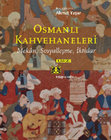
4. BASKI, Ekim 2024
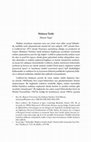
"Kahvehane; Kültürel birikim ortami, sosyallesme mekâni ve siyasi iktidar ka... more 4. BASKI, Ekim 2024
"Kahvehane; Kültürel birikim ortami, sosyallesme mekâni ve siyasi iktidar karsisinda halkin sesini duyurabildigi bir kamusal alan… Osmanli toplumunda 16. yüzyil ortalarinda bir sehir mekâni olarak gelisen kahvehaneler, yepyeni bir sivil deneyimin gelismesine katkida bulundular. Degisik zümrelerden ve kültür seviyelerinden insanlarin kahve içmek ve sohbet etmek amaciyla gittikleri bu yerler, kisa zamanda toplumun ekonomik, sosyal ve kültürel ihtiyaçlarini karsilayan bir konuma geldi. Bu kitap, bes akademisyenin bu konudaki çalismalarini bir araya getiriyor. Makalelerin en önemli ortak yani “kamusal alan” kavramsallastirmasinin bir çesit elestirisi ve Osmanli'da kahvehane kamusalligini anlama çabasi. Selma Özkocak; kahvehanelerin gelisiminin daha genis ölçekli gelismelerle, örnegin 16. yüzyil ve sonrasinda artan sehirlesme, sehre göç ve bunun bir sonucu olarak sosyallesmedeki yükselis ve bütün bunlarin da özel alanin ve daha çok ev yasamina ait geleneksel konukseverlik yapisinin dönüsümü ile iliskilendirilmesinin önemini vurguluyor. Ugur Kömeçoglu; kahvehaneleri Sennett'in “aktör olarak insan” biçiminde kavramsallastirmasi ve kamusal alanin bir sosyallik formu olarak okunmasi üzerinden irdeliyor ve bu mekânda gerçeklesen meddah, karagöz, ortaoyunu, âsik gösterileri gibi toplumsal performanslari mekânsal ve elestirel kamusalligin ögeleri olarak sunuyor. Ahmet Yasar; kahvehanelerin, Osmanli Istanbul'una girisi sirasinda ve sonrasinda devlet erkâni ve ulema arasindaki kötü söhretini inceliyor ve siyasi iktidarin kahvehane kamusalligi üzerindeki kontrolünü irdeliyor. Ali Çaksu; 1826 yilina kadar Osmanli siyasetine belirgin biçimde yön veren yeniçerilerin kahvehanelerle iliskilerini inceliyor ve yeniçeri kahvehanesinin kahve ve tütün içilecek bir yer olmasinin yanisira bir edebiyat salonu, isyanci karargâhi, karakol, tekke, is bürosu ve mafya kulübü gibi isledigini örneklerle ortaya koyuyor. Cengiz Kirli ise 1840-1845 yillarina ait “havadis jurnalleri” adini tasiyan bir dizi belge üzerinden, mezkûr dönemde siradan Istanbul insaninin kahvede, sokakta, çarsi ve pazarda ve hatta evlerinde yaptiklari sohbet ve dedikodulari inceliyor.
İÇİNDEKİLER
Giriş: Geçmişini Arayan Osmanlı Kahvehanesi
Ahmet Yaşar
Kamusal Alanın Üretim Sürecinde Erken Modern İstanbul Kahvehaneleri
Selma Akyazıcı Özkoçak
Homo Ludens ve Homo Sapiens Arasında Kamusallık ve Toplumsallık: Osmanlı Kahvehaneleri
Uğur Kömeçoğlu
“Külliyen Ref”ten “İbreten li’l-Ğayr”e: Erken Modern Osmanlı’da Kahvehane Yasaklamaları
Ahmet Yaşar
18. Yüzyıl Sonu İstanbul Yeniçeri Kahvehaneleri
Ali Çaksu
Kahvehaneler: 19. Yüzyıl Osmanlı İmparatorluğu’nda Kamuoyu
Cengiz Kırlı"
Journal Articles by Ahmet Yasar
STUDIES IN THE HISTORY OF GARDENS & DESIGNED LANDSCAPES, 2025
ABSTRACT: This article examines the 18th-century European enthusiasm for turquerie as a layered c... more ABSTRACT: This article examines the 18th-century European enthusiasm for turquerie as a layered cultural and political strategy of self-representation. Focusing on King Gustav III (1771-1792) of Sweden's Turkish divan rooms and the Turkish Kiosk at Haga Park, it argues that these spaces surpassed the contemporary fascination with the Orient, serving as instruments for constructing and projecting power, legitimacy, and royal identity. Gustav III's strategic deployment of Ottoman imagery articulated both the political constraints of his reign and his personal conception of authority and prestige. The Turkish Kiosk at Haga, in particular, is interpreted as an orchestrated architectural assertion of Sweden's strategic alliance with the Ottoman Empire rather than a decorative folly. Within this framework, the article demonstrates how Gustav III translated diplomatic rapprochement into the physical space, reinforcing Sweden's rivalry with Russia. His Ottoman-inspired projects thus operated simultaneously as acts of internal self-representation and declarations of foreign policy.
KEYWORDS: Gustav III, Turquerie, Self-representation, Orientalism
MIDDLE EASTERN STUDIES, 2025
ABSTRACT: This article examines the transformation of Direklerarası Street, located on Istanbul’s... more ABSTRACT: This article examines the transformation of Direklerarası Street, located on Istanbul’s historical Divanyolu, from the 1720s to the 1920s. Originally built in 1729 as an arasta to generate revenue for Ibrahim Pasha’s madrasa, it featured an innovative architectural style comprising rows of shops facing each other and colonnaded sidewalks. It served as a commercial and social centre for the Janissary Corps until their abolition in 1826. Around the 1860s, Direklerarası integrated into the entertainment and social milieu surrounding Beyazıt Square, particularly during the Ramadan months, and evolved into the primary promenade street of intramural Istanbul with the proliferation of literary cafés, teahouses, and theatres from the 1880s onwards. However, starting from the 1910s, changing socio-cultural and urban dynamics led to the decline of Direklerarası’s reputation and popularity. Conceptualizing Direklerarası as both a spatial entity and a reflection of the cultural dynamics of the late Ottoman capital, this article scrutinizes its transformation driven by social interactions, local entrepreneurship, and political interventions, focusing on spatial experiences, entertainment, spectacle, promenade culture, and clientele.
KEYWORDS: Ottoman Istanbul, Direklerarası, Arasta Bazaar, Promenade Street
MIDDLE EASTERN STUDIES , 2023
ABSTRACT: This article examines the privacy, sociality and conviviality dynamics of urban khans i... more ABSTRACT: This article examines the privacy, sociality and conviviality dynamics of urban khans in Ottoman Istanbul from the mid-eighteenth to the mid-nineteenth centuries. Firstly, it looks at the professional and ethno-religious patterns in their use as commercial and residential spaces, then discusses khans as a private residential space, through inheritance records of those who live and die in a khan room. Finally, it turns to issues regarding the public spaces of a khan, namely its common areas, and in particular performative and theatrical practices located in khan courtyards. The article highlights the particular role played by urban khans as convivial spaces of residence, artisanal production, commercial exchange, and sociability.
![Research paper thumbnail of Stratford Canning Albümü: 1809 İstanbul’unda Mekân Tahayyülleri [Stratford Canning Album: Space Imageries in Istanbul of 1809]](https://attachments.academia-assets.com/64124933/thumbnails/1.jpg)
HISTORY STUDIES, 2020
ÖZET: Bu makale İngiltere’nin 19. yüzyılda doğudaki gözü olan Stratford Canning’e ait olan tasvir... more ÖZET: Bu makale İngiltere’nin 19. yüzyılda doğudaki gözü olan Stratford Canning’e ait olan tasvir koleksiyonu hakkındadır. 1809 yılında İngiliz elçiliğine birinci kâtip olarak gelen Canning, Osmanlı başkentinin “azameti, giyimlerin renkliliği, konuşulan dillerin çeşitliliği”nden etkilenmiş, şahit olduğu gündelik hayat pratiklerini, kıyafetleri ve mekânları yerli bir Rum sanatçıya resmettirmiş ve bir albüm meydana getirmiştir. Bugün Victoria ve Albert Müzesi’nde bulunan bu albümde toplam 125 adet Osmanlı İstanbulu ile ilgili tasvir yer almaktadır. Bu 125 adet tasvirin 83’ü kıyafet albümü mahiyetinde olup toplumun farklı katmanlarından kişileri betimlemektedir. Geriye kalan 42’si ise İstanbul’da gündelik yaşam kareleri, çeşitli semtlerin panoramik görüntüleri ve şehir mekânları tasvirleridir. Tasvir edilen şehir mekânları arasında meydan çeşmesi, derviş tekkesi, bedesten, kahvehane, camii avlusu, kebapçı dükkânı ve hamam gibi şehir sakinlerine sosyalleşme imkânı sunan mekânlar yer almaktadır. Bu makale 19. yüzyılın başında Osmanlı İstanbulu’na dair renkli mekân tahayyülleri sunan bu albümü incelemekte ve bu mekân temsillerinin Osmanlı minyatür geleneği ile Avrupaî resim ve perspektif geleneklerini birleştirdiğini ve İstanbul’da şehir mekânlarına dair çok renkli ve katmanlı bir temsil sunduklarını ileri sürmektedir.
ANAHTAR KELİMELER: Stratford Canning | Osmanlı İstanbulu | Mekân | Görsel Temsil
ABSTRACT: This article examines a custom album belonging to Stratford Canning, the voice of England in the East in the 19th century. Canning, who was affected by “the grandeur of the city, the variety of dresses, the tones of so many different languages” of the Ottoman capital, where he came to the British embassy as the first secretary in 1809, painted the manners of the inhabitants, their way of living, the places he saw to a local Greek artist and created an album. This album in the Victoria and Albert Museum has 125 depictions of Ottoman Istanbul. 83 of these 125 depictions are costume albums and depict people from different layers of society. The remaining 42 are daily life scenes in Istanbul, panoramic views of various districts and depictions of urban spaces. These spaces depicted are public fountain, dervish lodge, bedestan, coffeehouse, mosque courtyard, restaurant and hammam, which offer the opportunity to socialize the city residents. This article aims to endeavor these colorful space imageries about Ottoman Istanbul at the beginning of 19th century. It argues that these space representations combine the practice of Ottoman miniature with European painting and perspective traditions and offer a multicolored and multilayered representation of urban spaces.
KEYWORDS: Stratford Canning | Ottoman Istanbul | Space | Visual Representation
![Research paper thumbnail of 18. Yüzyıl Osmanlı İstanbul’unda Hamam Tellakları Üzerinde İktidarın Gözetimi [State Inspection over Hammam Tellaks in the 18th Century Ottoman Istanbul]](https://attachments.academia-assets.com/64020186/thumbnails/1.jpg)
OSMANLI MİRASI ARAŞTIRMALARI DERGİSİ / JOURNAL OF OTTOMAN LEGACY STUDIES, 2020
ÖZ: 1730 isyanı sonrasında, Arnavut taifesi siyasi iktidar tarafından kamu düzensizliğinin ve art... more ÖZ: 1730 isyanı sonrasında, Arnavut taifesi siyasi iktidar tarafından kamu düzensizliğinin ve artan şehir şiddetinin müsebbibi olarak görüldüler. Osmanlı başkentinde Arnavut taifesinin önemli bir kesimini oluşturan hamam tellaklarının 1731’den başlayarak sayımları yapıldı ve işe giriş ve çıkışlarının takip edilmesi sağlandı. İsyan sonrasının gergin ortamında bir tür Arnavut kovuşturması olarak başlayan hamam çalışanları üzerindeki gözetim, Osmanlı kefalet sisteminin parçası olarak sonraki dönemlerde de devam etmiştir. 1731’den 1822’ye dek uzanan süreçte İstanbul erkek hamamlarında çalışan tellak ve natırlar sayılmışlar, isim ve resimleriyle deftere kaydedilmişler ve kefalet yoluyla sisteminin bir parçası hâline getirilmişlerdir. Bu makale 1730 isyanı sonrasında İstanbul hamamlarındaki Arnavut tellakların kontrol edilmesine dönük fermanın 1731-32-35, 1752, 1792 ve 1822 tarihlerindeki yoklamalarda izini sürmektedir. Ayrıca siyasi iktidarın bu yoklamalarla geliştirdiği gözetim mekanizmasının mahiyetini tartışmayı amaçlamaktadır.
ANAHTAR SÖZCÜKLER: 1730 İsyanı | İstanbul | Arnavut tellaklar | Hamam | Denetleme | Yoklama Defterleri
ABSTRACT: After the 1730 rebellion, the Albanians were perceived as the cause of public disorder and of increasing urban violence by the political power. In this manner, in the Ottoman capital, hammam tellaks, which constitute an important part of the Albanians were officially monitored and registered starting from 1731, and their entry and exit were followed up. The supervision of the hammam employees, which started as a kind of Albanian investigation in the tense atmosphere after the rebellion, continued in the following periods as part of the Ottoman kefalet system. In the period from 1731 to 1822, the tellaks and natırs working in the men’s baths of Istanbul were counted, recorded with their names and physical appearance, and made into a part of the system through kefalet. This paper aims to examine the state inspection over the Albanian tellaks operated in Istanbul hammams by looking through the hammam registers in 1731-32-35, 1752, 1792 and 1822, and to follow the results of the imperial decree issued after the rebellion of 1730. It also aims to discuss the nature of the surveillance mechanism that political power develops with these registrations.
KEYWORDS: The 1730 Rebellion | Istanbul | Albanian tellaks | Hammam | Supervision | Survey Registers
![Research paper thumbnail of 1766 Tarihli Bir Hamam Defterine Göre İstanbul Vakıf Hamamları [Istanbul Waqf Hammams According to a Hammam Survey Dated 1766]](https://attachments.academia-assets.com/63798340/thumbnails/1.jpg)
VAKIFLAR DERGİSİ, 2020
ÖZ: Bu makale, Osmanlı İstanbulu'nda 1180/1766 tarihinde mevcut vakıf hamamlarına ilişkin oluştur... more ÖZ: Bu makale, Osmanlı İstanbulu'nda 1180/1766 tarihinde mevcut vakıf hamamlarına ilişkin oluşturulmuş bir hamam yoklama defterini incelemektedir. Bu defter İstanbul'da mevcut 195 hamamı, yerleri, bağlı bulundukları vakıfları, kira gelirleri, gedik sahipleri ve kiracıları ile kayıt altına almaktadır. Defterde yer alan sayısal ve mekânsal veriler ışığında, bu çalışma 18. yüzyıl ortalarında Osmanlı İstanbulu hamamlarının kapsamlı bir mekânsal dağılımını yapmayı, hamamların özel mülk ya da vakıf olduğunu tespit etmeyi, gedik sahipleri ve müstecirlerinin sosyal profilini ortaya koymayı amaçlamaktadır. Ayrıca, İstanbul hamamlarına dair şimdiye kadar bilinen en kapsamlı hamam tahririnin transkripsiyonunu vermektedir.
ANAHTAR SÖZCÜKLER
Osmanlı | İstanbul | Hamam | Tahrir| Vakıf
ABSTRACT: This paper examines a hammam survey prepared in 1180/1766 in Istanbul on the existing public baths. This survey registers a total of 195 public baths with their locations, awqaf they are affiliated with, rent revenues, gedik owners and tenants. In the light of the numerical and spatial data contained in the survey, this work aims to provide a comprehensive public distribution of the public baths of Ottoman Istanbul in the mid-18th century, to determine the ownership of the public baths (waqf or property), and to reveal the social profiles of the gedik owners and tenants. Additionally, it provides the transcription of this hammam survey which is the most extensive one ever known about Istanbul’s public baths.
KEYWORDS
Ottoman | Istanbul | Public Bath | Survey | Waqf
![Research paper thumbnail of Mekân ve Yabancı: 18. Yüzyıl İstanbul’unda Bir Han Odasında Tek Başına Ölmek [Space and the Stranger: Dying all Alone in a Room in a Khan in 18th Century Istanbul]](https://attachments.academia-assets.com/61659481/thumbnails/1.jpg)
MEDITERRANEAN JOURNAL OF HUMANITIES, 2019
ÖZ: Osmanlı İstanbul'unda müdavimlerine konaklama ve çeşitli ticari imkânlar sunan şehiriçi hanla... more ÖZ: Osmanlı İstanbul'unda müdavimlerine konaklama ve çeşitli ticari imkânlar sunan şehiriçi hanlar, aynı zamanda bazı 'yabancı'lar için hayatın sona erdiği yerlerdi. Şehirde yabancı olarak yaşayan bir han sakini han odasında yalnız başına ölebilirdi. Uzunca süre ikamet edilen han odalarında son nefesini veren bu kişilerden bazıları geriye bıraktıkları eşya ve malî miraslarıyla kayıt altına alınmaktaydılar. Vefat edenlerin geriye kalan her türlü menkul, gayr-i menkul, eşya ve paralarının tespit edilip kayıt altına alındığı tereke kayıtları han sakinlerinin maddi kültürü ve gündelik yaşam pratiklerine dair önemli ipuçları sunmaktadırlar. Her şeyin ötesinde bu malzeme, 18. yüzyılın ikinci yarısında bir han müşterisinin servetinin karakteristik özelliklerini anlama imkânı verir. Bu belgeler, han odasında ölen şehrin 'yabancı'sının maddi dün-yasının detaylarını, yaşamını sürdürebilmesi için gerekli olan uyku seti, keyif verici maddelerle ilgili tiryakiliğini gösteren kahve ve duhan takımları, mesleği ile ilgili aletler (asker için silahlar, kumaş tüccarı için top top kumaşlar vs.), giyim ve kuşam unsurları, sahip olduğu nakit para, kimlere borç verdiği ve kimlere borçlu olduğu gibi detayları görme imkânını sunar.
ANAHTAR SÖZCÜKLER
Osmanlı İstanbul’u | Kamu Mekânı | Han | Yabancı | Tereke
ABSTRACT: In Ottoman Istanbul, urban khans were places providing accommodation and mercantile facilities for its frequenters, but were spaces where life came to an end for some 'strangers'. Almost all of the khan residents who were living in the city as strangers could die alone in a room in a khan. In many cases, some of these people were registered with their goods and the financial legacy they left behind. The probate inventories, that recorded all kinds of real-estate, commodities and financial belongings, provide us with a record for the understanding of material cultures and daily life practices of residents in a khan. The surviving probate inventories from the second half of the 18 th century enable us to show the general characteristics of the possessions of these persons. By examining the documents recording the details of the goods, from sleeping sets to coffee and tobacco sets showing addictive consumption habits, tools related to their professions (guns for soldiers, fabrics for merchants, etc.), clothing, cash and miscellaneous items, debts and receivables, we have the opportunity to see the details of the material remains of the world of the 'stranger' in the city.
KEYWORDS
Ottoman Istanbul | Public Space | Khan | Stranger | Probate Inventory
ARCHIV ORIENTÁLNÍ: JOURNAL OF AFRICAN AND ASIAN STUDIES, 2019
ABSTRACT_This paper spatializes a set of questions regarding public order and disorder that bear ... more ABSTRACT_This paper spatializes a set of questions regarding public order and disorder that bear on urban life and urban government during eighteenth-and early nineteenth-century Ottoman Istanbul. By focusing on urban khans as loci for unidentifiable persons (mechûlü'l-ahvâl) in the city, it examines various problems the central authorities associated with their presence and surveillance mechanisms developed with regard to these individuals. By analyzing the urban rebellions of 1730 and 1740, and the Greek rebellion in 1821, it follows how urban khans became spaces of inspection by the authorities in order to explore a broader notion of public order based on social norms. Finally, it discusses aspects of political language that legitimized the state's acts of surveillance over khans and their residents, by focusing on the terms mefâsid (evils) and maslaha (redressing of wrongs).
KEYWORDS
Khans | supervision | Ottoman Istanbul | public order | mefâsid
METU JFA, METU JOURNAL OF THE FACULTY OF ARCHITECTURE, 2018
Abstract_ENG_This paper is about the construction dynamics of khans during the eighteenth-century... more Abstract_ENG_This paper is about the construction dynamics of khans during the eighteenth-century Istanbul. It particularly focuses on the Büyük Yeni Han built by Mustafa III and completed in ca. 1763, as a representation of the court’s interventions in commercial space. In this manner, it investigates the urban context of the building, the builder’s possible intentions, its construction process, layout, functions and revenue producing capacity in the light of its waqfiyya and a number of other registers. By focusing on the construction processes of the khan and its functions with their transformative consequence on the landscape of Istanbul and their revitalized role, this paper claims that the Ottoman Sultan, by getting involved in the economic and spatial realms, reestablished the presence of the dynasty in the commercial district of the Ottoman capital.
KEYWORDS
Ottoman Istanbul | eighteenth century | space | khan | construction
ÖZET_TR_Bu makale on sekizinci yüzyıl İstanbul’unda hanların inşa dinamikleri hakkındadır. Özellikle III. Mustafa’nın 1763 yılında inşasını tamamladığı Büyük Yeni Han özelinde Sultan’ın başkentin ticari mekânına müdahalesine odaklanmaktadır. Bu bağlamda han inşasının kent bağlamı, baninin muhtemel niyetleri, hanın inşa süreçleri, vaziyeti, işlevleri ve gelir getirici potansiyelini vakfiye ve çok sayıdaki arşiv belgesi ışığında incelemektedir. Bu makale çalışması, şehir mekânındaki dönüştürücü etkileri ve canlandırıcı rolüyle bir Sultan girişimi olan Büyük Yeni Han’ın inşa süreçleri ve işlevlerine odaklanarak, Osmanlı Sultanının başkentin ticari bölgesinde, ekonomik ve ticaret alanına müdahil olarak mevcudiyetini yeniden tesis ettiğini ileri sürmektedir.
ANAHTAR KELİMELER
Osmanlı İstanbulu | onsekizinci yüzyıl | mekân | han | inşa.
TALİD, Türkiye Araştırmaları Literatür Dergisi, 2005
ÖZET_TR_Yakın dönem şehir çalışmalarında, mekân ve mekânsal performanslara yönelik ilginin arttığ... more ÖZET_TR_Yakın dönem şehir çalışmalarında, mekân ve mekânsal performanslara yönelik ilginin arttığı görülmektedir. Bu bağlamda, Osmanlı şehir tarihçileri de hamam, tekke, pazar, mahalle, sokak ve kahvehane gibi şehir mekânları üzerinden kamusallık ve toplumsallık temalarına yoğunlaşmaktadırlar. Gerek ?kamusal alan' tartışmaları için elverişli olması, gerekse popülerliği dolayısıyla popüler ve akademik çevrelerde bu kamusal me- kânlar içerisinde kahvehanelere hatırı sayılır bir ilgi gösterilmektedir. Bu makale, Osmanlı kahvehaneleri ile ilgili bu popüler ve akademik literatürü değerlendirmeyi amaçlamaktadır. Bu çerçevede, Osmanlı kahvehanelerinin kısa tarihçesi verildikten sonra, kahvehaneler ile ilgili literatür irdelenmekte, öne çıkan araştırma mevzuları ve kullanılan kaynaklar değerlendirilmekte ve makalenin sonunda da Osmanlı kahvehaneleri ile ilgili popüler ve akademik bibliyografyaya yer verilmektedir.
ABSTRACT_ENG_There has been an interest to the space and spatial performance in recent urban studies. In this new trend, Ottoman urban historians have intensified to the publicness and sociability through urban spaces such as public bath, dervish lodge, market, neighborhood, street and coffeehouse. Owing to both its suitability to the studies of ?public sphere' and its popularity, the coffeehouses among other public gathering spaces arouse a considerable notice in the popular and academic milieu. This paper is an attempt to review this popular and academic literature on Ottoman coffeehouses. After giving a brief history of Ottoman coffeehouses, the paper concentrates on the literature and research themes on coffeehouse, sources used widely in these studies and lastly gives the popular and academic bibliography on Ottoman coffeehouses.
Thesis by Ahmet Yasar
ABSTRACT (EN)
This thesis aims to examine the han in Ottoman Istanbul in the eighteenth and early... more ABSTRACT (EN)
This thesis aims to examine the han in Ottoman Istanbul in the eighteenth and early nineteenth centuries. By thinking on history in its spatial dimensions, it attempts to analyze early modern Istanbul hans within the framework of four main concepts: space, construction, conviviality, and surveillance. Through the focus on urban hans, this thesis endeavours to offer new perspectives on a number of issues regarding the city. These issues include the spatial topography of the urban hans within the city, the construction of the urban commercial infrastructure, everyday interaction in public spaces, and the morality-centered surveillance mechanisms of the political power over these spaces.
This thesis argues that the commercial spaces of the early modern Ottoman capital took their ultimate form in the eighteenth century. This process started with the closing of the market region with a roof in 1701, quickened by the construction of the Nuruosmaniye Complex near the Bedestan in 1755, and continued with the construction of Büyük Yeni Han in 1763 and multitude of others in the commercial district. By focusing on the new han projects in the eighteenth century with their transformative consequence on the landscape of Istanbul and their revitalized role, this thesis claims that the Ottoman sultan, by getting involved in the economic and spatial realms, reestablished the presence of the dynasty in the commercial district of the Ottoman capital.
This thesis also attempts to make new contributions to the study of Istanbul hans particularly focusing on their use and the political authority’s control over them. In this manner, it spatializes the public realm within the context of early modern Istanbul, as a domain where conviviality, sociality, and theatricality are embedded. By analyzing the Ottoman political language that dealt with the public manifestations shaped in and around the han as mefasid (evils), it also examines the surveillance mechanisms of the political authority over the hans in the context of public order.
ÖZET (TR)
Bu doktora tezi on sekizinci ve erken on dokuzuncu yüzyıl Osmanlı İstanbulu hanlarını incelemektedir. Tarihi mekânsal dinamiklerle birlikte düşünerek, erken modern İstanbul hanlarını, mekân, inşa, biraradalık ve gözetim kavramları çerçevesinde analiz etmeyi amaçlamaktadır. Bu bağlamda, şehir hanlarına odaklanarak, İstanbul hanlarının mekânsal topoğrafyası, şehrin ticari altyapısının inşası, kamu mekânlarında gündelik etkileşimler ve siyasi iktidarın kamu mekânı üzerindeki ahlak merkezli gözetim mekanizmaları gibi mevzuları ele almaktadır.
Bu doktora tez çalışması erken modern Osmanlı başkentinin ticari mekânlarının on sekizinci yüzyılda nihai biçimine ulaştığını ileri sürmektedir. Bu süreç 1701 yılında çarşı bölgesinin üstünün kapatılması ile başlamış olup 1755 tarihinde Nuruosmaniye Külliyesi’nin bedesten yakınında inşası ile hızlanmış ve 1763’te Büyük Yeni Han’ın ve ticari bölgede diğer çok sayıdaki hanın inşasıyla devam etmiştir. Bu bağlamda on sekizinci yüzyıl İstanbul’unda şehir mekânındaki dönüştürücü etkileri ve canlandırıcı rolleriyle yeni han projelerine odaklanarak, bu tez çalışması Osmanlı sultanının başkentin ticari bölgesinde, ekonomik ve ticaret alanına müdahil olarak mevcudiyetini yeniden tesis ettiğini ileri sürmektedir.
Bu doktora tez çalışması özellikle hanların kullanımı ve hanlar üzerindeki siyasi iktidarın kontrol meselelerini merkeze alarak İstanbul han çalışmalarına yeni katkılarda bulunmayı da amaçlamaktadır. Bu bağlamda erken modern İstanbul’u kamu alanını, biraradalığın, sosyalleşmenin ve teatralliğin alanı olarak mekânsallaştırmaktadır. Ayrıca hanların içinde ve etrafında gerçekleşen kamusal dışavurumları mefasid olarak gören Osmanlı siyasi söylemini inceleyerek, siyasi iktidarın kamu düzeni bağlamında hanlar üzerindeki gözetim mekanizmalarını analiz etmektedir.
ABSTRACT (ENG) This thesis aims at examining the urban experience in a manner of the use of publi... more ABSTRACT (ENG) This thesis aims at examining the urban experience in a manner of the use of public space and the surveillance over it within the context of early modern Istanbul. Particularly, it focuses on the coffeehouse as a new public space in urban scene and as a site for the theatrical forms of sociability, and also as a confrontation zone between the authority and subjects. It argues that the coffeehouse created a viable public domain for adult-male, by its heterogeneous clientele, theatrical types of expression, political lampooning, and popular political discourse.
ÖZET (TR) Bu tez, erken modern dönem Istanbul’unda kamusal mekanın kullanımı ve bu mekan üzerindeki gözetim mekanizmaları bağlamında şehir tecrübesini incelemeyi amaçlamaktadır. Bilhassa, yeni bir kamusal mekan, teatral toplumsallık tarzları için bir mahal ve otorite ve yönetilenler arasında bir karşılaşma alanı olarak kahvehane üzerinde yoğunlaşmaktadır. Heterojen müşterileriyle, teatral ifade tarzlarıyla, siyasi hicivleriyle ve popüler siyasi söylemleriyle kahvehanenin, erkekler için yaşanılabilir bir kamusal alan meydana getirdiğini ileri sürmektedir.
Book Chapters by Ahmet Yasar
Tarih İçin Metodoloji, Ed. Ahmet Şimşek, Ankara: Türk Tarih Kurumu Yayınları, 309-316., 2022
Mekanı önceleyen araştırma tarzı son yirmi otuz yıldır sosyal bilimler de, özellikle tarih çalışm... more Mekanı önceleyen araştırma tarzı son yirmi otuz yıldır sosyal bilimler de, özellikle tarih çalışmalarında önemli bir yere sahiptir. 1991 yılında Hen ri Lefebvre'nin 1974 yılında Fransızca yayımlamış olduğu La production de l'espace (Mekanın Üretimi) isimli kitabının İngilizceye çevrilmesi sonrasında mekan çalışmalarına yeni bir ilgi doğdu 1 • Lefebvre çalışmasında, mekanı soyut bir alan ve pasif bir taşıyıcı olarak gören geleneksel mekan tahayyülüne mey dan okumakta ve mekanı toplumsal bağlama ve üretim süreçlerinin merkezi ne koyan bir yaklaşım önermektedir. Lefebvre, mekan üretiminin birbirinden ayrılmaz üç kurucu anı olarak 'yaşanan mekan' (lived space), 'algılanan mekan' (perceived space) ve 'tasarlanan mekan' (conceived space) üçlü diyalektiğini kullanmakta ve mekanın bu üç boyutunu bilimsel pratiklerde toplumsal, fizik sel ve zihinsel mekanlara tekabül eder şeklinde tartışmaktadır.
Research in Education and Social Sciences, Duvar Kitapevi, 2020
Meyhane Kitabı, ed. Emine Gürsoy Naskali, İstanbul: Kitabevi, 2019, s. 39 -48.
Antik Çağdan 21. Yüzyıla Büyük İstanbul Tarihi Ansiklopedisi, 4. Cilt, İstanbul: İBB KÜLTÜR A.Ş.& İSAM, (2016), 324-351
Osmanlı İstanbulu II, İstanbul: İstanbul 29 Mayıs Üniversitesi Yayınları, 2014, s. 553-585.
Osmanlı İstanbul I, İBB Kültür AŞ Yayınları, 2014, s. 511-524
From the Coffeehouses in Istanbul. İstanbul: Kültür AŞ, , 2012


Uploads
Books by Ahmet Yasar
"Kahvehane; Kültürel birikim ortami, sosyallesme mekâni ve siyasi iktidar karsisinda halkin sesini duyurabildigi bir kamusal alan… Osmanli toplumunda 16. yüzyil ortalarinda bir sehir mekâni olarak gelisen kahvehaneler, yepyeni bir sivil deneyimin gelismesine katkida bulundular. Degisik zümrelerden ve kültür seviyelerinden insanlarin kahve içmek ve sohbet etmek amaciyla gittikleri bu yerler, kisa zamanda toplumun ekonomik, sosyal ve kültürel ihtiyaçlarini karsilayan bir konuma geldi. Bu kitap, bes akademisyenin bu konudaki çalismalarini bir araya getiriyor. Makalelerin en önemli ortak yani “kamusal alan” kavramsallastirmasinin bir çesit elestirisi ve Osmanli'da kahvehane kamusalligini anlama çabasi. Selma Özkocak; kahvehanelerin gelisiminin daha genis ölçekli gelismelerle, örnegin 16. yüzyil ve sonrasinda artan sehirlesme, sehre göç ve bunun bir sonucu olarak sosyallesmedeki yükselis ve bütün bunlarin da özel alanin ve daha çok ev yasamina ait geleneksel konukseverlik yapisinin dönüsümü ile iliskilendirilmesinin önemini vurguluyor. Ugur Kömeçoglu; kahvehaneleri Sennett'in “aktör olarak insan” biçiminde kavramsallastirmasi ve kamusal alanin bir sosyallik formu olarak okunmasi üzerinden irdeliyor ve bu mekânda gerçeklesen meddah, karagöz, ortaoyunu, âsik gösterileri gibi toplumsal performanslari mekânsal ve elestirel kamusalligin ögeleri olarak sunuyor. Ahmet Yasar; kahvehanelerin, Osmanli Istanbul'una girisi sirasinda ve sonrasinda devlet erkâni ve ulema arasindaki kötü söhretini inceliyor ve siyasi iktidarin kahvehane kamusalligi üzerindeki kontrolünü irdeliyor. Ali Çaksu; 1826 yilina kadar Osmanli siyasetine belirgin biçimde yön veren yeniçerilerin kahvehanelerle iliskilerini inceliyor ve yeniçeri kahvehanesinin kahve ve tütün içilecek bir yer olmasinin yanisira bir edebiyat salonu, isyanci karargâhi, karakol, tekke, is bürosu ve mafya kulübü gibi isledigini örneklerle ortaya koyuyor. Cengiz Kirli ise 1840-1845 yillarina ait “havadis jurnalleri” adini tasiyan bir dizi belge üzerinden, mezkûr dönemde siradan Istanbul insaninin kahvede, sokakta, çarsi ve pazarda ve hatta evlerinde yaptiklari sohbet ve dedikodulari inceliyor.
İÇİNDEKİLER
Giriş: Geçmişini Arayan Osmanlı Kahvehanesi
Ahmet Yaşar
Kamusal Alanın Üretim Sürecinde Erken Modern İstanbul Kahvehaneleri
Selma Akyazıcı Özkoçak
Homo Ludens ve Homo Sapiens Arasında Kamusallık ve Toplumsallık: Osmanlı Kahvehaneleri
Uğur Kömeçoğlu
“Külliyen Ref”ten “İbreten li’l-Ğayr”e: Erken Modern Osmanlı’da Kahvehane Yasaklamaları
Ahmet Yaşar
18. Yüzyıl Sonu İstanbul Yeniçeri Kahvehaneleri
Ali Çaksu
Kahvehaneler: 19. Yüzyıl Osmanlı İmparatorluğu’nda Kamuoyu
Cengiz Kırlı"
Journal Articles by Ahmet Yasar
KEYWORDS: Gustav III, Turquerie, Self-representation, Orientalism
KEYWORDS: Ottoman Istanbul, Direklerarası, Arasta Bazaar, Promenade Street
ANAHTAR KELİMELER: Stratford Canning | Osmanlı İstanbulu | Mekân | Görsel Temsil
ABSTRACT: This article examines a custom album belonging to Stratford Canning, the voice of England in the East in the 19th century. Canning, who was affected by “the grandeur of the city, the variety of dresses, the tones of so many different languages” of the Ottoman capital, where he came to the British embassy as the first secretary in 1809, painted the manners of the inhabitants, their way of living, the places he saw to a local Greek artist and created an album. This album in the Victoria and Albert Museum has 125 depictions of Ottoman Istanbul. 83 of these 125 depictions are costume albums and depict people from different layers of society. The remaining 42 are daily life scenes in Istanbul, panoramic views of various districts and depictions of urban spaces. These spaces depicted are public fountain, dervish lodge, bedestan, coffeehouse, mosque courtyard, restaurant and hammam, which offer the opportunity to socialize the city residents. This article aims to endeavor these colorful space imageries about Ottoman Istanbul at the beginning of 19th century. It argues that these space representations combine the practice of Ottoman miniature with European painting and perspective traditions and offer a multicolored and multilayered representation of urban spaces.
KEYWORDS: Stratford Canning | Ottoman Istanbul | Space | Visual Representation
ANAHTAR SÖZCÜKLER: 1730 İsyanı | İstanbul | Arnavut tellaklar | Hamam | Denetleme | Yoklama Defterleri
ABSTRACT: After the 1730 rebellion, the Albanians were perceived as the cause of public disorder and of increasing urban violence by the political power. In this manner, in the Ottoman capital, hammam tellaks, which constitute an important part of the Albanians were officially monitored and registered starting from 1731, and their entry and exit were followed up. The supervision of the hammam employees, which started as a kind of Albanian investigation in the tense atmosphere after the rebellion, continued in the following periods as part of the Ottoman kefalet system. In the period from 1731 to 1822, the tellaks and natırs working in the men’s baths of Istanbul were counted, recorded with their names and physical appearance, and made into a part of the system through kefalet. This paper aims to examine the state inspection over the Albanian tellaks operated in Istanbul hammams by looking through the hammam registers in 1731-32-35, 1752, 1792 and 1822, and to follow the results of the imperial decree issued after the rebellion of 1730. It also aims to discuss the nature of the surveillance mechanism that political power develops with these registrations.
KEYWORDS: The 1730 Rebellion | Istanbul | Albanian tellaks | Hammam | Supervision | Survey Registers
ANAHTAR SÖZCÜKLER
Osmanlı | İstanbul | Hamam | Tahrir| Vakıf
ABSTRACT: This paper examines a hammam survey prepared in 1180/1766 in Istanbul on the existing public baths. This survey registers a total of 195 public baths with their locations, awqaf they are affiliated with, rent revenues, gedik owners and tenants. In the light of the numerical and spatial data contained in the survey, this work aims to provide a comprehensive public distribution of the public baths of Ottoman Istanbul in the mid-18th century, to determine the ownership of the public baths (waqf or property), and to reveal the social profiles of the gedik owners and tenants. Additionally, it provides the transcription of this hammam survey which is the most extensive one ever known about Istanbul’s public baths.
KEYWORDS
Ottoman | Istanbul | Public Bath | Survey | Waqf
ANAHTAR SÖZCÜKLER
Osmanlı İstanbul’u | Kamu Mekânı | Han | Yabancı | Tereke
ABSTRACT: In Ottoman Istanbul, urban khans were places providing accommodation and mercantile facilities for its frequenters, but were spaces where life came to an end for some 'strangers'. Almost all of the khan residents who were living in the city as strangers could die alone in a room in a khan. In many cases, some of these people were registered with their goods and the financial legacy they left behind. The probate inventories, that recorded all kinds of real-estate, commodities and financial belongings, provide us with a record for the understanding of material cultures and daily life practices of residents in a khan. The surviving probate inventories from the second half of the 18 th century enable us to show the general characteristics of the possessions of these persons. By examining the documents recording the details of the goods, from sleeping sets to coffee and tobacco sets showing addictive consumption habits, tools related to their professions (guns for soldiers, fabrics for merchants, etc.), clothing, cash and miscellaneous items, debts and receivables, we have the opportunity to see the details of the material remains of the world of the 'stranger' in the city.
KEYWORDS
Ottoman Istanbul | Public Space | Khan | Stranger | Probate Inventory
KEYWORDS
Khans | supervision | Ottoman Istanbul | public order | mefâsid
KEYWORDS
Ottoman Istanbul | eighteenth century | space | khan | construction
ÖZET_TR_Bu makale on sekizinci yüzyıl İstanbul’unda hanların inşa dinamikleri hakkındadır. Özellikle III. Mustafa’nın 1763 yılında inşasını tamamladığı Büyük Yeni Han özelinde Sultan’ın başkentin ticari mekânına müdahalesine odaklanmaktadır. Bu bağlamda han inşasının kent bağlamı, baninin muhtemel niyetleri, hanın inşa süreçleri, vaziyeti, işlevleri ve gelir getirici potansiyelini vakfiye ve çok sayıdaki arşiv belgesi ışığında incelemektedir. Bu makale çalışması, şehir mekânındaki dönüştürücü etkileri ve canlandırıcı rolüyle bir Sultan girişimi olan Büyük Yeni Han’ın inşa süreçleri ve işlevlerine odaklanarak, Osmanlı Sultanının başkentin ticari bölgesinde, ekonomik ve ticaret alanına müdahil olarak mevcudiyetini yeniden tesis ettiğini ileri sürmektedir.
ANAHTAR KELİMELER
Osmanlı İstanbulu | onsekizinci yüzyıl | mekân | han | inşa.
ABSTRACT_ENG_There has been an interest to the space and spatial performance in recent urban studies. In this new trend, Ottoman urban historians have intensified to the publicness and sociability through urban spaces such as public bath, dervish lodge, market, neighborhood, street and coffeehouse. Owing to both its suitability to the studies of ?public sphere' and its popularity, the coffeehouses among other public gathering spaces arouse a considerable notice in the popular and academic milieu. This paper is an attempt to review this popular and academic literature on Ottoman coffeehouses. After giving a brief history of Ottoman coffeehouses, the paper concentrates on the literature and research themes on coffeehouse, sources used widely in these studies and lastly gives the popular and academic bibliography on Ottoman coffeehouses.
Thesis by Ahmet Yasar
This thesis aims to examine the han in Ottoman Istanbul in the eighteenth and early nineteenth centuries. By thinking on history in its spatial dimensions, it attempts to analyze early modern Istanbul hans within the framework of four main concepts: space, construction, conviviality, and surveillance. Through the focus on urban hans, this thesis endeavours to offer new perspectives on a number of issues regarding the city. These issues include the spatial topography of the urban hans within the city, the construction of the urban commercial infrastructure, everyday interaction in public spaces, and the morality-centered surveillance mechanisms of the political power over these spaces.
This thesis argues that the commercial spaces of the early modern Ottoman capital took their ultimate form in the eighteenth century. This process started with the closing of the market region with a roof in 1701, quickened by the construction of the Nuruosmaniye Complex near the Bedestan in 1755, and continued with the construction of Büyük Yeni Han in 1763 and multitude of others in the commercial district. By focusing on the new han projects in the eighteenth century with their transformative consequence on the landscape of Istanbul and their revitalized role, this thesis claims that the Ottoman sultan, by getting involved in the economic and spatial realms, reestablished the presence of the dynasty in the commercial district of the Ottoman capital.
This thesis also attempts to make new contributions to the study of Istanbul hans particularly focusing on their use and the political authority’s control over them. In this manner, it spatializes the public realm within the context of early modern Istanbul, as a domain where conviviality, sociality, and theatricality are embedded. By analyzing the Ottoman political language that dealt with the public manifestations shaped in and around the han as mefasid (evils), it also examines the surveillance mechanisms of the political authority over the hans in the context of public order.
ÖZET (TR)
Bu doktora tezi on sekizinci ve erken on dokuzuncu yüzyıl Osmanlı İstanbulu hanlarını incelemektedir. Tarihi mekânsal dinamiklerle birlikte düşünerek, erken modern İstanbul hanlarını, mekân, inşa, biraradalık ve gözetim kavramları çerçevesinde analiz etmeyi amaçlamaktadır. Bu bağlamda, şehir hanlarına odaklanarak, İstanbul hanlarının mekânsal topoğrafyası, şehrin ticari altyapısının inşası, kamu mekânlarında gündelik etkileşimler ve siyasi iktidarın kamu mekânı üzerindeki ahlak merkezli gözetim mekanizmaları gibi mevzuları ele almaktadır.
Bu doktora tez çalışması erken modern Osmanlı başkentinin ticari mekânlarının on sekizinci yüzyılda nihai biçimine ulaştığını ileri sürmektedir. Bu süreç 1701 yılında çarşı bölgesinin üstünün kapatılması ile başlamış olup 1755 tarihinde Nuruosmaniye Külliyesi’nin bedesten yakınında inşası ile hızlanmış ve 1763’te Büyük Yeni Han’ın ve ticari bölgede diğer çok sayıdaki hanın inşasıyla devam etmiştir. Bu bağlamda on sekizinci yüzyıl İstanbul’unda şehir mekânındaki dönüştürücü etkileri ve canlandırıcı rolleriyle yeni han projelerine odaklanarak, bu tez çalışması Osmanlı sultanının başkentin ticari bölgesinde, ekonomik ve ticaret alanına müdahil olarak mevcudiyetini yeniden tesis ettiğini ileri sürmektedir.
Bu doktora tez çalışması özellikle hanların kullanımı ve hanlar üzerindeki siyasi iktidarın kontrol meselelerini merkeze alarak İstanbul han çalışmalarına yeni katkılarda bulunmayı da amaçlamaktadır. Bu bağlamda erken modern İstanbul’u kamu alanını, biraradalığın, sosyalleşmenin ve teatralliğin alanı olarak mekânsallaştırmaktadır. Ayrıca hanların içinde ve etrafında gerçekleşen kamusal dışavurumları mefasid olarak gören Osmanlı siyasi söylemini inceleyerek, siyasi iktidarın kamu düzeni bağlamında hanlar üzerindeki gözetim mekanizmalarını analiz etmektedir.
ÖZET (TR) Bu tez, erken modern dönem Istanbul’unda kamusal mekanın kullanımı ve bu mekan üzerindeki gözetim mekanizmaları bağlamında şehir tecrübesini incelemeyi amaçlamaktadır. Bilhassa, yeni bir kamusal mekan, teatral toplumsallık tarzları için bir mahal ve otorite ve yönetilenler arasında bir karşılaşma alanı olarak kahvehane üzerinde yoğunlaşmaktadır. Heterojen müşterileriyle, teatral ifade tarzlarıyla, siyasi hicivleriyle ve popüler siyasi söylemleriyle kahvehanenin, erkekler için yaşanılabilir bir kamusal alan meydana getirdiğini ileri sürmektedir.
Book Chapters by Ahmet Yasar