Books by Can Nacar
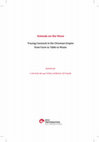
The volume titled Animals on the Move: Tracing Livestock in the Ottoman Empire from Farm to Table... more The volume titled Animals on the Move: Tracing Livestock in the Ottoman Empire from Farm to Table to Waste has just been released by Koç University Press. Edited by me and Yonca Köksal Özyaşar, Animals on the Move explores the intertwined lives of humans and livestock in a world undergoing profound transformation. Far from being silent resources, sheep, cows, and oxen shaped—and were shaped by—the forces of empire: state-building, capitalist expansion, urbanization, and environmental upheaval.
Bringing together eight original studies, this volume shows how livestock sustained rural economies, trade networks, and urban industries while also bearing the brunt of displacement, disease, and disaster. By placing animals at the center of historical inquiry, Animals on the Move reveals how the destinies of humans and nonhumans alike were bound to the shifting dynamics of environment, economy, and empire in the Ottoman world.
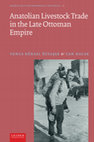
Anatolian Livestock Trade in the Late Ottoman Empire, 2024
This study analyzes the expansion of the Anatolian livestock trade, mainly sheep and cattle, duri... more This study analyzes the expansion of the Anatolian livestock trade, mainly sheep and cattle, during the nineteenth and early twentieth centuries, a period marked by significant changes in state policies, society, and the environment. It examines the impact of these changes on both
human and non-human actors, maps trade routes and networks, and explores their transformations over time, contributing to the literature on Ottoman environmental and socioeconomic history.
The book identifies three regions -central, northeastern, and northwestern Anatolia- and four eastern Mediterranean ports (İzmir, İskenderun, Mersin, and Antalya) as major centers of livestock trade. It examines the environmental, socioeconomic, and political factors that established these regions as primary suppliers of sheep to various markets and the ports as gateways for livestock exports.
Drawing on a variety of primary sources, the book aims to address the following questions: How did the ecosystems and socioeconomic dynamics of these regions and ports change during the period under investigation? What were the repercussions of these changes on
livestock production and trade? And how did they impact the organization of livestock and meat trade in the Ottomans’ largest ‘stomach city,’ Istanbul?
By the early twentieth century, consumers around the world had developed a taste for Ottoman-grow... more By the early twentieth century, consumers around the world had developed a taste for Ottoman-grown tobacco. Employing thousands of workers, the Ottoman tobacco industry flourished in the decades between the 1870s to the First Balkan War—and it became the locus of many of the most active labor struggles across the empire. This study delves into the lives of these workers and their fight for better working conditions. Full of insight into the changing relations of power between capital and labor in the Ottoman Empire and the role played by state actors in these relations, the book also draws on a rich array of primary sources to foreground the voices of tobacco workers themselves.
Book Chapters by Can Nacar
Animals on the Move: Tracing Livestock in the Ottoman Empire from Farm to Table to Waste, 2025
The Politics of Centralization of Slaughter in Late Ottoman Istanbul * Can Nacar T he provisionin... more The Politics of Centralization of Slaughter in Late Ottoman Istanbul * Can Nacar T he provisioning of meat to urban centers had been a major concern for governments in various parts of the world, prompting serious efforts to restructure the infrastructure of livestock production, trade, and slaughter throughout the nineteenth and early twentieth centuries. Many of them abandoned regulatory policies aimed at ensuring sufficient supplies at reasonable prices for consumers and adopted liberal economic reforms. However, this shift did not grant market forces free rein; rather, it often went hand in hand with increased state oversight of the meat industry to safeguard the wholesomeness of supplies and enhance sanitary conditions in urban areas. 1 Within that context, the location, scale, and number of slaughterhouses became or further developed into a serious issue for both central and local authorities. 2 In an age of growing interactions between polities, the Ottoman Empire did not remain untouched by these developments. From the 1840s onward, efforts to relocate slaughterhouses from densely populated districts were underway in various towns and cities across the Empire, including Hania, Izmir, Trabzon, Malatya, Mosul, and Beirut. 3 Meanwhile, Istanbul-the Empire's most important consumer market *
The Cambridge Companion to Ottoman History, 2025
This book chapter examines the relationships between humans, animals, and plants in the Ottoman E... more This book chapter examines the relationships between humans, animals, and plants in the Ottoman Empire from various perspectives, drawing on the works of scholars such as Suraiya Faroqhi, Chris Gratien, and Cihangir Gündoğdu.
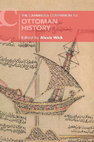
Cambridge Companion to Ottoman History, 2025
Why study Ottoman history? What are the available sources? And how can researchers begin locating... more Why study Ottoman history? What are the available sources? And how can researchers begin locating, reading, and interpreting these? The Cambridge Companion to Ottoman History provides a broad introduction to the field, offering readers accessible outlines of its varied methods and approaches. Bringing together contributions from leading researchers, the volume considers the theoretical, methodological, and practical challenges faced by Ottoman historians. Including chapters from specialists in areas ranging from intellectual history to labor history and gender history, the Companion critically examines prior developments in the field and indicates potential paths for future research. Beginning with a thorough grounding in the primary sources available, the Companion then turns to the perspectives and critical frames of the discipline. This volume is an essential teaching guide and an invaluable entry point to the breadth and the possibilities of Ottoman history.
Cumhuriyet'in İlk Asrında İşçiler, 2024
Journal Articles by Can Nacar
Archiv Orientalni, Jul 1, 2023
This paper studies the lucrative sheep trading networks connecting Erzurum with major urban cente... more This paper studies the lucrative sheep trading networks connecting Erzurum with major urban centers extending from Istanbul to Aleppo and Damascus. It traces the evolution of these networks in order to show how the dynamics of the sheep trade changed from the late eighteenth to the early twentieth century. In opposition to the view that Eastern Anatolia remained largely excluded from domestic and foreign markets during the capitalist integration of the Ottoman economy, it is argued that the province of Erzurum maintained and even reinforced its position in the sheep trade. While sheep exports to Istanbul had increased by the early twentieth century, there was a decline in shipments to the Syrian provinces. The paper analyzes the political, financial, technological, and environmental factors that played a role in this transformation.
Kebikeç, 2023
Ahmet Uzun, 18. yüzyılın sonundan 19. yüzyılın ikinci yarısına kadar uygulanan ondalık ağnam verg... more Ahmet Uzun, 18. yüzyılın sonundan 19. yüzyılın ikinci yarısına kadar uygulanan ondalık ağnam vergisi ile ilgili önemli çalışmasında koyun etinin, İstanbul'un "iaşesinde zahireden sonra ikinci önceliği olan bir gıda maddesi" olduğunu belirtmişti (Uzun, 2006: 4). Et, söz konusu verginin kaldırılmasından sonraki dönemde de önceliğini korumuş görünüyor. 1860'ların başında Sultan Abdülaziz'e sunulan bir Sadaret yazısında ondan ibadullahın asli ihtiyaçlarından biri olarak bahsedilmekteydi. 1 Benzer ifadeler Anadolu ve Rumeli'den İstanbul'a koyun getiren bir grup celebin Ocak 1888'te Sadarete sundukları bir dilekçede de kullanılmıştı. Celeplere göre cemiyet-i beşeriyenin başlıca iki ihtiyacı vardı. Bunlardan birincisi ekmek, ikincisi ise etti. 2 19. yüzyılın son çeyreğine ait bazı kayıtlar ve tanıklıklar, yukarıdaki ifadeleri destekler şekilde etin, özellikle de koyun etinin, 3 farklı toplumsal sınıflardan İstanbullular için önemli bir besin kaynağı olduğuna işaret etmektedir. Örneğin, bir İstanbul konağının 1880-1886

Tarih ve Toplum, Yeni Yaklaşımlar, 2023
İçindekiler 5 Sunuş Y. DOĞAN ÇETİNKAYA -KEREM ÜNÜVAR 10 Cornell Fleischer n an s na eski bir söyl... more İçindekiler 5 Sunuş Y. DOĞAN ÇETİNKAYA -KEREM ÜNÜVAR 10 Cornell Fleischer n an s na eski bir söyleşi: Osmanl İmparatorluğu nun Osmanl İmparatorluğu nun alt n çağ ya da 1 . yüzy lda bir imparatorluk resmi KAYA AHİN -KEREM ÜNÜVAR Macaristan n küresel tarihi: Kavram, uygulama ve çal şmaya dair değerlendirmeler FERENC LACZ -ANDR S VADAS -B LINT VARGA 9 Köroğlu destan na tarihsel bir bak ş: İran ile Anadolu aras nda eşk yal k ve nostal i ALİ AYDIN KARAMUSTAFA 55 Osmanl da erken dönem sosyalizm ve radikal cumhuriyetçiliğin düşünsel kökenleri BANU TURNAOĞLU 91 Yunan bas n n n bak ş aç s ndan Küçük Asya seferinde öteki olarak Türk NIKOS CHRISTOFIS Cihan Harbi sonras Osmanl İmparatorluğu nda Milli Mücadele hareketinin ideolo ik görünümü ERIK J. ZÜRCHER 1 Bizim bakanl k ömürdür : Hariciye Vek leti nin oluşumunda sadakat, liyakat, rekabet MÜZEYYEN EZEL ÜNAL Her zaman siz dayak yersiniz, bu sefer de siz vurun : 1950 lerde Karabük-Zonguldak rekabetini futbol üzerinden okumak GÖKER GİRESUNLU -CAN NACAR 1 İstanbul işçi hareketine ilişkin yeni kaynaklar: Osmanl başkentinde bir anarko-sendikalist: Zaharias Vezestenis STEFO BENLİSOY 19 m arat rl i ra isi htilaller a ın a smanlı netimi e enerliler: Müslüman ruhlu bir Fenerli Rum ve onun gözünden Osmanl AYTEK SONER ALPAN Özetler Abstracts 152 • Tarih ve Toplum Yeni Yaklaşımlar • Sayı 22 • Güz 2023 1934 yılında uygulamaya konulan Türkiye'nin Birinci Beş Yıllık Sanayi Planı'ndaki en önemli projelerden biri Karadeniz bölgesinde küçük bir köy olan Karabük'te bir demir-çelik kompleksi inşa edilmesiydi. İnşaat işleri bir İngiliz firmasına ihale edilen Karabük Demir Çelik Fabrikaları (KDÇF) 1930'ların ikinci yarısında Sümerbank bünyesinde üretime başladı ve çalışan sayısı kısa sürede 3.000'i aştı. 1 Aynı sıralarda Karabük'ün idari olarak bağlı olduğu Zonguldak vilayetinde sanayi hayatını ilgilendiren bir başka önemli gelişme daha yaşandı. 19. yüzyılın başından beri bölgede faaliyette olan kömür madenleri devletleştirilip Etibank bünyesinde kurulan Ereğli Kömür İşletmelerine (EKİ) bağlandı. Bu gelişmelerin hem Zonguldak hem de Karabük'te önemli sosyokültürel ve mekânsal etkileri oldu. Özellikle Karabük'ün yaşadığı dönüşüm kayda değerdi. On beş-yirmi hanelik küçük köy 1950'lerin ortalarına gelindiğinde nüfusu 30.000'e yaklaşan bir ilçe haline gelmişti. 2 Karabük'teki büyük dönüşüme, işgücünün barınma ve diğer ihtiyaçlarını karşılamak için yaptığı yatırımlarla KDÇF öncülük etmişti. Fabrika yönetimi tarafından inşa ettirilen lojmanlar yaklaşık 1.000 çalışanın aileleriyle
New Perspectives on Turkey, 2019
This study examines different approaches taken in the late Ottoman Empire to deal with the risks ... more This study examines different approaches taken in the late Ottoman Empire to deal with the risks and dangers posed by railroads. Like its counterparts in Europe and the United States, the Ottoman state actively sought to protect individuals against railroad risks. For this purpose, it mandated the use of certain devices meant to facilitate the safe flow of railroad traffic and introduced measures that aimed to discipline railroaders and pedestrians into behaving appropriately. However, the state was not the only actor that struggled to address railroad risks. Railroad companies, primarily to advance their economic interests, incorporated technologies that considerably reduced the risk of collisions. Yet economic concerns also sometimes hampered investments in railroad safety. For instance, the manner in which trespassing cases were handled by accident investigation committees and courts allowed the companies to avoid their obligations with respect to fencing around railroad tracks. As a result, it was easy for pedestrians to use tracks near their homes and workplaces as pathways. Finally, the article also shows that in performing their duties, trainmen enjoyed considerable freedom from control by railroad managers. This freedom was further reinforced by the shortage of experienced and skilled labor in the Ottoman railroad industry.
Öz 19. yüzyılın ortasında küçük bir köy olan Mersin, yaklaşık elli yıl içerisinde Doğu Akdeniz'in... more Öz 19. yüzyılın ortasında küçük bir köy olan Mersin, yaklaşık elli yıl içerisinde Doğu Akdeniz'in önemli bir liman kenti haline geldi. 20. yüzyılın başına gelindiğinde kentin nüfusu 15,000'e ulaşmış, ticaret hacmi katlanarak artmış ve ulaşım altyapısı hayli gelişmişti. Mersin bir yandan bu gelişmelerin etkisi ile hızla zenginleşirken, öte yandan zenginliğin nasıl paylaşılacağına dair farklı toplumsal gruplar arasında ciddi anlaşmazlıklara sahne olmaya başladı. Bu çalışma kentteki iskeleler ile açıkta demirlemiş gemiler arasında nakliyat işi yapan istimbot ve mavna şirketlerinin sahipleri, onların çalışanları ve esnaflar arasında 1905 yılı yazında patlak veren böyle bir anlaşmazlığı incelemektedir. Osmanlı hükümetinin söz konusu anlaşmazlık hakkında hazırladığı detaylı soruşturma dosyasına dayanarak, ekonomik pastadan daha fazla pay kapma isteğinin Mersin'deki farklı toplumsal sınıflardan aktörler arasında ne tür çatışma ve ittifaklara zemin hazırladığı hakkında ipuçları sunmaktadır. Abstract Mersin was a small village in the mid-19 th century. However, within about fifty years, it became an important Eastern Mediterranean port city. By the early 20 th century, its population had reached 15,000, volume of trade had multiplied, and transportation infrastructure had been improved. As an outcome these developments, wealth began to pour in Mersin. However, at the same time, the city began to witness disputes over the distribution of wealth. This study examines one such dispute that erupted in the summer of 1905 and involved the owners of boat companies, their workers, and artisans who were ferrying cargoes between the piers and ships anchored offshore. It * Yrd. Doç. Dr., Koç Üniversitesi İnsani Bilimler ve Edebiyat Fakültesi Tarih Bölümü, 34450, Sarıyer – İstanbul / Türkiye, [email protected]. Çalışmanın farklı aşamalarındaki eleştiri ve önerileri için Yener Bayar'a ve Cihannüma: Tarih ve Coğrafya Araştırmaları Dergisi'nin hakem ve editörlerine teşekkür ederim.
In the second half of the nineteenth century, the Ottoman government granted concessions to a num... more In the second half of the nineteenth century, the Ottoman government granted concessions to a number of foreign companies to refurbish and modernize port facilities in the empire's major cities, namely Izmir, Istanbul, Beirut and Salonica. These companies constructed long quays that enabled large steamships to tie up directly to the docks and new warehouse, customs and quarantine buildings. The new facilities at the four ports enhanced the flow of commerce. Yet, they also threatened the livelihoods of hundreds of port workers (boatmen and porters). To preserve their jobs and have a say in working conditions and rules of employment, these people were engaged in a fierce struggle against the port companies at the turn of the century. They sabotaged construction activities, prevented ships from unloading their merchandise, and organized massive strikes. Through these actions, they sometimes won major concessions from the port companies but at other times the companies got the upper hand and managed to impose their own rules and dismiss dissident workers. 1 While the major port cities of the empire were witnessing such events, what was the case in the coastal towns and cities without modern port facilities? Did the absence of large quays prevent social tensions between boatmen, porters and their customers?
Özet: Bu çalışma Karadeniz sahilindeki en önemli liman kentlerinden biri olan Samsun'a odaklanmak... more Özet: Bu çalışma Karadeniz sahilindeki en önemli liman kentlerinden biri olan Samsun'a odaklanmaktadır. 20. yüzyılın başında Samsun limanında yaşanan önemli sorunlardan biri çapar ismi verilen yük kayıklarının, müşteri beklerken sıraya girip girmeyecekleridir. Tüccarlar ve çapar sahipleri bu konuda iki farklı görüş ortaya koyup birbirleriyle anlaşmaya varamayınca kent 1910 yılı başında büyük bir eyleme sahne olmuştur. Bu eylemin hemen ardından taraflar sıra, diğer adıyla nöbet, usulüne dair farklı taleplerini kabul ettirebilmek için bürokratlarla görüşmeler yürütmüş ve meşrutiyet döneminin dilini başarıyla konuştukları dilekçeler yazmışlardır. Yaklaşık 14 ay süren bu uzun soluklu mücadele sırasında merkezî hükümet, nöbet usulüne dair üç farklı karar almıştır. Kısa zaman aralıkları içinde sık sık karar değiştirilmesi, Osmanlı yönetici elitlerinin, yerel halk arasındaki desteğini kaybetme korkusunu yansıtmaktadır. Zira hem çapar sahipleri hem de tüccarlar kendi çıkarlarıyla uyuşmayan bir karar alındığında tepkilerini ortaya koymuşlardır. Nihayet, Meclis-i Vükela taraflar arasında bir denge bulmak amacıyla nöbet usulünü kısmen devam ettiren kısmen de tüccarlara istedikleri hareket alanını veren bir uygulamayı yürürlüğe sokmuştur.
In the late 19th and early 20th century, tobacco exports from the Ottoman Empire rapidly increase... more In the late 19th and early 20th century, tobacco exports from the Ottoman Empire rapidly increased. Thousands of workers began to earn their livelihoods in warehouses, sorting and baling tobacco leaves according to their qualities. Ottoman towns where tobacco warehouses were concentrated soon became the sites of frequent labor protests. This article analyzes strikes that broke out in two such towns,İskeçe (Xanthi) and Kavala, in 1904 and. It underlines the active role of the Ottoman government in the settlement of these strikes. It also shows that mobilized tobacco workers devised effective protest tactics and often secured a say in key decisions, such as when and under what conditions the warehouses operated. However, in both towns, labor activism was characterized by fragmentation as well as unity. The workers who took to the streets did not equally share the burdens and benefits of their collective actions. That inequality, the article argues, was rooted in gendered power relations, intercommunal rivalries, and other social tensions among the workers.



Uploads
Books by Can Nacar
Bringing together eight original studies, this volume shows how livestock sustained rural economies, trade networks, and urban industries while also bearing the brunt of displacement, disease, and disaster. By placing animals at the center of historical inquiry, Animals on the Move reveals how the destinies of humans and nonhumans alike were bound to the shifting dynamics of environment, economy, and empire in the Ottoman world.
human and non-human actors, maps trade routes and networks, and explores their transformations over time, contributing to the literature on Ottoman environmental and socioeconomic history.
The book identifies three regions -central, northeastern, and northwestern Anatolia- and four eastern Mediterranean ports (İzmir, İskenderun, Mersin, and Antalya) as major centers of livestock trade. It examines the environmental, socioeconomic, and political factors that established these regions as primary suppliers of sheep to various markets and the ports as gateways for livestock exports.
Drawing on a variety of primary sources, the book aims to address the following questions: How did the ecosystems and socioeconomic dynamics of these regions and ports change during the period under investigation? What were the repercussions of these changes on
livestock production and trade? And how did they impact the organization of livestock and meat trade in the Ottomans’ largest ‘stomach city,’ Istanbul?
Book Chapters by Can Nacar
Journal Articles by Can Nacar