Books by Dario Internullo
La Roma del XII secolo profuma di novità. Dopo esser stati a lungo governati dai papi, i romani d... more La Roma del XII secolo profuma di novità. Dopo esser stati a lungo governati dai papi, i romani danno vita a una struttura politica inedita, laica e inclusiva dal punto di vista sociale. È la nascita del comune, chiamato con il nome altisonante di «Senato» e associato al «popolo» di Roma attraverso il recupero dell’antica sigla S.P.Q.R.: Senatus PopulusQue Romanus.
Gli storici si sono confrontati a lungo con questa vicenda ma, privilegiandone gli aspetti sociali, hanno finora lasciato sullo sfondo i fondamenti intellettuali del nuovo sistema politico, ricco di tradizioni e riferimenti colti.
Ribaltando la prospettiva e allargando lo sguardo ai secoli XI e XII, il libro pone quel problema al centro del discorso, portando alla luce i testi, i contesti, i personaggi dotti e le dinamiche che hanno reso possibile quel cambiamento.
Roma nel Rinascimento (inedita 94, saggi), 2021
http://www.viella.it/libro/9788867285693
Un antico pregiudizio incombe sulla vita culturale di Ro... more http://www.viella.it/libro/9788867285693
Un antico pregiudizio incombe sulla vita culturale di Roma nel Trecento. Abbandonata dai papi, in questo periodo stabili ad Avignone, la città è considerata dai più come un luogo decadente, privo di fermento; a volte come una sorta di centro minore rimasto ai margini delle più rinomate Firenze e Padova, culle dell’Umanesimo, altre volte persino come un deserto, rinverdito dai due soli nomi di Francesco Petrarca e Cola di Rienzo.
Ripartendo dalle fonti coeve e dialogando con la storiografia più recente, questo libro si propone di restituire all’Urbe la vivacità culturale che le apparteneva, portando alla luce gli eventi, i gruppi, gli individui, i libri, le letture e le scritture che andavano a comporre un panorama complesso, variegato e in fondo non così distante da quello dei più noti centri di cultura dell’Italia comunale e signorile.
Papers by Dario Internullo
This chapter offers a re-examination of P.Ital. 1 (445–6 CE), the well-known documentary dossier ... more This chapter offers a re-examination of P.Ital. 1 (445–6 CE), the well-known documentary dossier on the Sicilian properties of Lauricius, praepositus sacri cubiculi. More precisely, it aims to propose a new interpretation of a formula in the document – "ante barbarico fisco praestabatur" – which, according to most scholars, starting with Theodor Mommsen, alludes to the existence of a "fiscus barbaricus", a special treasury of the empire intended to collect taxes for the sustenance of non-Roman (i.e. barbarian) troops. The structure of the documents that make up the dossier, and the linguistic variations in the texts, suggest that the formula in question does not refer to a "fiscus barbaricus", but rather to the "fiscus", i.e. the imperial treasury, on the one hand, and to the "barbaricum", i.e. the upheavals in Sicily due to the Vandal incursions in the Mediterranean, on the other.
The aim of this paper is to decipher a rather widespread practice in early medieval Italy: the us... more The aim of this paper is to decipher a rather widespread practice in early medieval Italy: the use of diminutive suffixes in the anthroponymy of peasants and, more generally, of the lower strata of societies. The research, taking up the approach of PRIN project Lexiconomy, which develops the field of observation around the relationships between economy, society and documentary representation, shows that the diminutive is essentially a relational phenomenon, substantiated in documentary practice. On the one hand, the elites tend to ‘cage’ the peasants in humiliating representations in the written word; on the other hand, the peasants tend to reject these representations, when they have the opportunity to act in a proactive (economic) role in documentary transactions, in some cases even ennobling their own anthroponymy (e.g. Lucciolus > Lucius > Lucianus).
The aim of this essay is to illustrate and discuss some recent books on medieval Rome, especially... more The aim of this essay is to illustrate and discuss some recent books on medieval Rome, especially those dealing with socioeconomic and political/institutional issues. Two particular historiographical trends seem to emerge from the analysis: on the one hand, research is focusing on the «beginning» (5 th-9 th centuries) and «ending» (15 th century) periods of the Roman Middle Ages; on the other hand, a new kind of «macro-synthesis book» has emerged, covering the entire medieval millennium (5 th-15 th centuries) and relying heavily on materiality and archaeological data. The discussion also deals with the emergence of some problematic areas: the demography of the 13 th-14 th centuries, the overall interpretation of the 10 th and early 14 th centuries, and the composition of the popular strata before the 12 th century.
Il contributo intende ragionare sui limiti e sul potenziale informativo dei cosiddetti "papiri di... more Il contributo intende ragionare sui limiti e sul potenziale informativo dei cosiddetti "papiri di Ravenna", documenti altomedievali un tempo conservati presso l'archivio arcivescovile della città e oggi sparsi in diverse istituzioni culturali. Il punto d'osservazione adottato è qui piuttosto specifico: in che misura e fino a che punto un archivio altomedievale può gettare luce sui ceti più umili di una società, in particolar modo sui contadini? Dopo un'illustrazione dinamica di questo complesso documentario, volta a chiarire non solo il processo della sua formazione ma anche le tendenze conservative che investono le diverse tipologie di scritture, il discorso si focalizza su alcuni documenti in forma di elenco, brevia in termine tecnico, che consentono di avvicinarsi ai livelli base dell'economia e della società dell'epoca. The contribution intends to reason about the limits and the informative potential of the socalled 'Ravenna papyri', early medieval documents once kept in the archiepiscopal archives of the city and today scattered in various cultural institutions. The point of observation adopted here is rather specific: to what extent can an early medieval archive shed light on the humblest classes of a society, especially on the peasantry? After a dynamic illustration of this documentary complex, aimed at clarifying not only the process of its formation but also the conservative tendencies affecting the different types of writings, the discourse focuses on a number of documents in form of lists, brevia in technical terms, which allow us to approach the basic levels of the economy and society of the time.
The main purpose of this essay is to describe and present an up-to-date picture of the current st... more The main purpose of this essay is to describe and present an up-to-date picture of the current state of knowledge concerning the 'Ravenna papyri'. This corpus, well known to many historians of Late Antiquity, runs by several interpretations between studies regarding its precise numerical, chronological, and typological definition. With the intention of recalibrating and thus consolidating this definition, the perspective adopted here is an archival one: the survey and analysis have included all the documents, written mainly (but not exclusively) on papyrus between the 5 th and the mid-9 th centuries, which have reached us through the archives of the archbishops of Ravenna. The work takes into account not only the original papyrus documents, but also those that have come down to us through later parchment copies. It also includes the numerous documents that have been transcribed, summarized, or simply mentioned in two sources that have hitherto been little used in discussions of the 'Ravenna papyri': Agnellus' Liber Pontificalis (9 th century) and the Breviarium Ecclesiae Ravennatis (10 th century). Reconstructed in this way, the corpus, consisting of 133 items and enclosing what we know of a large late antique and early medieval archive, offers new research insights and reveals itself as a historical source worthy of investigation. In this regard, the last part of the work also investigates the possible moments that led to the creation and changes of this archive, distinguishing between a slower 'time of pious donations' and a more accelerated 'time of imperial privileges', the latter being responsible for a real change of course in the history of the archive in the late 6 th century. Finally, the discourse is completed by an appendix with a descriptive list of all the items that make up the corpus.
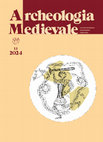
Archeologia Medievale LI, 2024
Questo contributo ha come obiettivo di sottoporre a una nuova verifica la debolezza del papato pr... more Questo contributo ha come obiettivo di sottoporre a una nuova verifica la debolezza del papato presunta dagli studiosi per il “lungo X secolo” compreso tra il 900 e il 1050 circa. Adotta come punto di osservazione la storia delle domuscultae, quelle proprietà papali a gestione diretta che, secondo il parere unanime della storiografia, sarebbero state abbandonate nel corso del IX secolo per vari fattori, primo fra tutti l’intensificazione delle incursioni “saracene” nel Lazio. La riflessione parte dal dato archeologico: poiché la rilettura dei dati di scavo non sembra rivelare soluzione di continuità insediativa in questi siti, almeno fino al XII secolo, nel lavoro si torna a riflettere sulle fonti scritte – fortemente discontinue dal punto di vista dei dati ricavabili – anzitutto per approfondire quali fossero le logiche a monte della loro trasmissione, dunque i pieni e i vuoti che le riguardassero, e poi per ripercorrere, con sguardo più “libero”, alcuni dossier documentari significativi. È proprio la lettura parallela dei due sistemi di fonti a consentire di individuare nuovi dati sulla storia delle domuscultae nei secoli X e XI. A ben guardare questi patrimoni fondiari non sarebbero stati abbandonati o distrutti in maniera significativa, bensì trasformati e riconfigurati, con un altro aspetto e con un altro nome: da domuscultae a curtes, mantenendo però traccia nella toponomastica.
The purpose of this article is to re-examine the weakness of the papacy presumed by scholars for the ‘long 10th century’ between around 900 and 1050. It focuses on the history of the domuscultae, papal property under direct management which, according to the unanimous opinion of scholars, were abandoned during the 9th century due to various factors, mostly related to the intensification of ‘Saracen’ incursions into the Lazio region. The analysis starts with archaeological data: the re-reading of the excavation data does not seem to reveal a discontinuity in settlement occupation in these sites, at least until the 12th century. It moves then to the written sources – which are highly discontinuous in terms of the data that can be obtained – first of all to investigate the logic behind the document’s transmission. Furthermore, it aims to re-examine, with a more ‘unconstrained’ perspective, some significant documentary dossiers. It is precisely the parallel reading of these two types of sources that permits the identification of new data regarding the history of the domuscultae in the 10th and 11th centuries. This re-analysis of the material and written data showed that these landed estates were not abandoned or significantly destroyed, but rather transformed and reconfigured, with different forms and names: from domuscultae to curtes, while still leaving traces in the toponymy.

Il cosiddetto «polittico» o «breve» di Tivoli, datato all’anno 945 d.C., è stato da sempre consid... more Il cosiddetto «polittico» o «breve» di Tivoli, datato all’anno 945 d.C., è stato da sempre considerato un documento anomalo rispetto ai più noti inventari di terre, coloni e redditi – altrimenti noti come polittici – giunti fino a noi dall’Italia dei secoli VIII-X. Non è un caso: il polittico di Tivoli, a quanto pare unico documento di tal genere nell’Italia di tradizione bizantina, fa riferimento a enfiteuti di alto livello sociale, piuttosto che a coloni; risulta inoltre frutto di una stratificazione complessa, che per alcuni elementi rimanda ai secoli VIII e IX; il suo contesto di redazione, infine, presenta ancora molti coni d’ombra. Sulla base di una rilettura analitica, il saggio si propone di gettare nuova luce proprio su quel contesto, qui individuato nella corte papale dei secoli IX e primo X, e sul valore che esso può assumere nella più ampia storia dei patrimoni fondiari, specialmente quelli pubblici, del Lazio medievale.
L'articolo porta su un piano più generale, ma sempre focalizzando l'attenzione sulla storia di Ro... more L'articolo porta su un piano più generale, ma sempre focalizzando l'attenzione sulla storia di Roma medievale, il discorso inaugurato dal precedente lavoro pubblicato su «Quaderni Storici» nel 2020 (Decus Urbis). Con esso si vuole sostenere che il patrimonio monumentale della città, definito "decus Urbis" dalle fonti, nei secoli XII-XV e più in generale nel Medioevo venne percepito collettivamente come uno specchio del buon funzionamento dei differenti governi che si avvicendarono nella gestione degli affari pubblici e delle necessità della comunità urbana. Per questo i differenti attori politici prestarono sempre una certa attenzione nei confronti della sua salvaguardia; e tale attenzione veniva esplicitata al massimo grado all'indomani di un cambiamento istituzionale.
This contribution aims to offer a picture of the "exceptores" and their transformations between L... more This contribution aims to offer a picture of the "exceptores" and their transformations between Late Antiquity and the early Middle Ages (fifth-eighth centuries). After some general considerations concerning not only Italy, but also Gaul and Egypt, the discussion focuses then on Ravenna. The core of the investigation consists of a complete re-examination of the so-called 'Ravenna papyri". Such documents – and the "editiones gestorum" in particular – are here used to illustrate social profiles, institutional links as well as cultural and professional skills of the "exceptores". From there, the article tries at the end to reflect on the possible contribution that the documentary practices of the "exceptores" can offer to a better understanding of the "Collectio Avellana".
"Il papiro, la pergamena e le origini della memoria archivistica dell’Europa occidentale (secoli VI-XI)", in "Segni, sogni, materie e scrittura dall’Egitto tardoantico all’Europa carolingia", a c. di A. Ghignoli, M. Boccuzzi, A. Monte, N. Sietis, Roma 2023, pp. 119-162 Dall'introduzione al volume: "Il papiro continua ad essere protagonista, ma questa volta come mat... more Dall'introduzione al volume: "Il papiro continua ad essere protagonista, ma questa volta come materiale scrittorio e come supporto per la scrittura di documenti in Occidente, nel saggio di Dario Internullo Il papiro, la pergamena e le origini della memoria archivistica dell’Europa occidentale (secoli VI-XI). In questo lavoro Internullo torna a riflettere su un tema che era già stato oggetto di un suo articolo apparso in lingua francese nel 2019 sulla rivista «Annales. Histoire, Sciences Sociales». Perfezionando in questa sede dettagli sulle fonti, angolazioni di prospettiva e argomentazioni, lo studioso tenta di rappresentare e spiegare il passaggio dal papiro alla pergamena nelle pratiche documentarie dell’Occidente post romano, attraverso una geografia ragionata su base storico-critica delle evidenze documentarie e delle testimonianze indirette. Tale transizione, che si compie sostanzialmente tra i secoli VIII e IX ma in tempi diversi a seconda delle regioni, ha determinato il panorama della tradizione documentaria occidentale su cui possono lavorare gli storici; in altre parole, ha fortemente condizionato il complesso delle fonti documentarie a loro disposizione. Queste fonti sono esclusivamente trasmesse, per altro, all’interno di complessi documentari conservati negli archivi di enti ecclesiastici". altomedievali, che con l’abbandono della fragile materia scrittoria papiracea appaiono acquisire una certa stabilità, che Internullo propone di leggere come sintomo della contrazione economica conosciuta nell’alto medioevo dall’antica parte occidentale del tardo stato romano".
This paper is based on a number of reuses of Cassiodorus' Variae that have been found in notarial... more This paper is based on a number of reuses of Cassiodorus' Variae that have been found in notarial documents written in Rome and Lazio between the tenth and eleventh century. Given that the manuscript tradition of the Variae becomes visible only from the twelfth-thirteenth centuries onwards, these reuses are a good starting point to reflect on a specific question: what were the practical and contingent motivations that, in Lazio, stimulated the intellectual elites to research and reuse the Variae? By following an alternative path to that of the manuscript evidence, it is thus possible better to identify the contexts of preservation, circulation, and practical use of the Variae underlying the more evident late medieval revival.
Il saggio affronta in via preliminare i possibili nessi tra la cosiddetta «congiuntura del Trecen... more Il saggio affronta in via preliminare i possibili nessi tra la cosiddetta «congiuntura del Trecento» (1280-1340) e la produzione scritta degli intellettuali vissuti nel medesimo periodo a partire da un confronto tra due personaggi, il pavese Opicino de Canistris e il romano Giovanni Cerroni.
Il saggio raccoglie, descrive e interpreta le spie di lettura delle opere dantesche da parte dei ... more Il saggio raccoglie, descrive e interpreta le spie di lettura delle opere dantesche da parte dei romani vissuti nel Trecento e nel primo Quattrocento.
L'articolo illustra e discute un reimpiego delle Variae di Cassiodoro rilevato in un documento ro... more L'articolo illustra e discute un reimpiego delle Variae di Cassiodoro rilevato in un documento romano tramandato dal cartulario dell'abbazia di Farfa (Lazio). Datato al 1012 e fortemente legato agli uffici giudiziari del prefetto urbano di Roma, esso consente di aggiungere un nuovo tassello alla storia delle Variae nel medioevo.
This article illustrates and discusses a reuse of Cassiodorus' Variae in a document preserved in the cartulary of Farfa abbey (Lazio). The document is dated to 1012 and is strongly linked to the judicial offices of the urban prefect of Rome; it therefore adds a new chapter to the history of Variae during the Middle Ages.
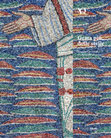
The article aims at reflecting on the cultural references of papal documentary production at the ... more The article aims at reflecting on the cultural references of papal documentary production at the time of Paschal I, more in general during the eighth and ninth centuries, starting from sources hitherto scarcely exploited by historians: the original documents written on papyrus. The analysis of materials, structures, contents, and writers allows not only to better understand some writing practices at the basis of the Liber Pontificalis, but also to grasp more clearly the Mediterranean horizon within which documents and writers operated. It was in a context of intense exchanges between East and West – especially in the seventh century but also during the eighth and ninth centuries – that papal officers and scriniarii in particular acquired their cultural physiognomy: this is well demonstrated by the formation of the so-called "curial writing", part of a wider Mediterranean cultural koinè. The pontificate of Paschal I fits well within such frame: without putting aside the relationships with Carolingian rulers, both administrative structures and religious affairs mantained contact with the East.
The article aims to illustrate some recent works concerning the use of graphic signs and symbols ... more The article aims to illustrate some recent works concerning the use of graphic signs and symbols in the visual and written cultures of Late Antiquity and the early Middle Ages. It intends to highlight the methodological and historiographic contributions as well as the new sources brought to the attention of scholars by Ildar Garipzanov and Antonella Ghignoli. Garipzanov has identified a new theoretical framework, graphicacy, with which Christian graphic signs and symbols can be interpreted. Ghignoli has managed to develop a new methodology capable of framing, classifying and observing in the long term a phenomenon so far totally neglected in the studies: the use of graphic religious and identity symbols in pragmatic writings of post-Roman kingdoms between the fifth and eighth centuries.



Uploads
Books by Dario Internullo
Gli storici si sono confrontati a lungo con questa vicenda ma, privilegiandone gli aspetti sociali, hanno finora lasciato sullo sfondo i fondamenti intellettuali del nuovo sistema politico, ricco di tradizioni e riferimenti colti.
Ribaltando la prospettiva e allargando lo sguardo ai secoli XI e XII, il libro pone quel problema al centro del discorso, portando alla luce i testi, i contesti, i personaggi dotti e le dinamiche che hanno reso possibile quel cambiamento.
Un antico pregiudizio incombe sulla vita culturale di Roma nel Trecento. Abbandonata dai papi, in questo periodo stabili ad Avignone, la città è considerata dai più come un luogo decadente, privo di fermento; a volte come una sorta di centro minore rimasto ai margini delle più rinomate Firenze e Padova, culle dell’Umanesimo, altre volte persino come un deserto, rinverdito dai due soli nomi di Francesco Petrarca e Cola di Rienzo.
Ripartendo dalle fonti coeve e dialogando con la storiografia più recente, questo libro si propone di restituire all’Urbe la vivacità culturale che le apparteneva, portando alla luce gli eventi, i gruppi, gli individui, i libri, le letture e le scritture che andavano a comporre un panorama complesso, variegato e in fondo non così distante da quello dei più noti centri di cultura dell’Italia comunale e signorile.
Papers by Dario Internullo
The purpose of this article is to re-examine the weakness of the papacy presumed by scholars for the ‘long 10th century’ between around 900 and 1050. It focuses on the history of the domuscultae, papal property under direct management which, according to the unanimous opinion of scholars, were abandoned during the 9th century due to various factors, mostly related to the intensification of ‘Saracen’ incursions into the Lazio region. The analysis starts with archaeological data: the re-reading of the excavation data does not seem to reveal a discontinuity in settlement occupation in these sites, at least until the 12th century. It moves then to the written sources – which are highly discontinuous in terms of the data that can be obtained – first of all to investigate the logic behind the document’s transmission. Furthermore, it aims to re-examine, with a more ‘unconstrained’ perspective, some significant documentary dossiers. It is precisely the parallel reading of these two types of sources that permits the identification of new data regarding the history of the domuscultae in the 10th and 11th centuries. This re-analysis of the material and written data showed that these landed estates were not abandoned or significantly destroyed, but rather transformed and reconfigured, with different forms and names: from domuscultae to curtes, while still leaving traces in the toponymy.
This article illustrates and discusses a reuse of Cassiodorus' Variae in a document preserved in the cartulary of Farfa abbey (Lazio). The document is dated to 1012 and is strongly linked to the judicial offices of the urban prefect of Rome; it therefore adds a new chapter to the history of Variae during the Middle Ages.