Xiaolongbao (Soup Dumplings)
Synopsis
Xiaolongbao are Chinese soup dumplings from the Jiangnan region, featuring thin skins, savory pork filling, and rich broth — a globally beloved icon of Chinese cuisine.
Overview
Xiaolongbao (小笼包), commonly known in English as "soup dumplings," is one of the most iconic dishes from China's Jiangnan region. Belonging to the tangbao (soup bun) category, its name literally means "little basket bun" — referring to the small bamboo steaming baskets traditionally used to cook and serve them. Originating in Changzhou, Jiangsu Province, xiaolongbao is a signature dish of Jiangnan cuisine and has become one of the most recognized ambassadors of Chinese culinary culture worldwide.
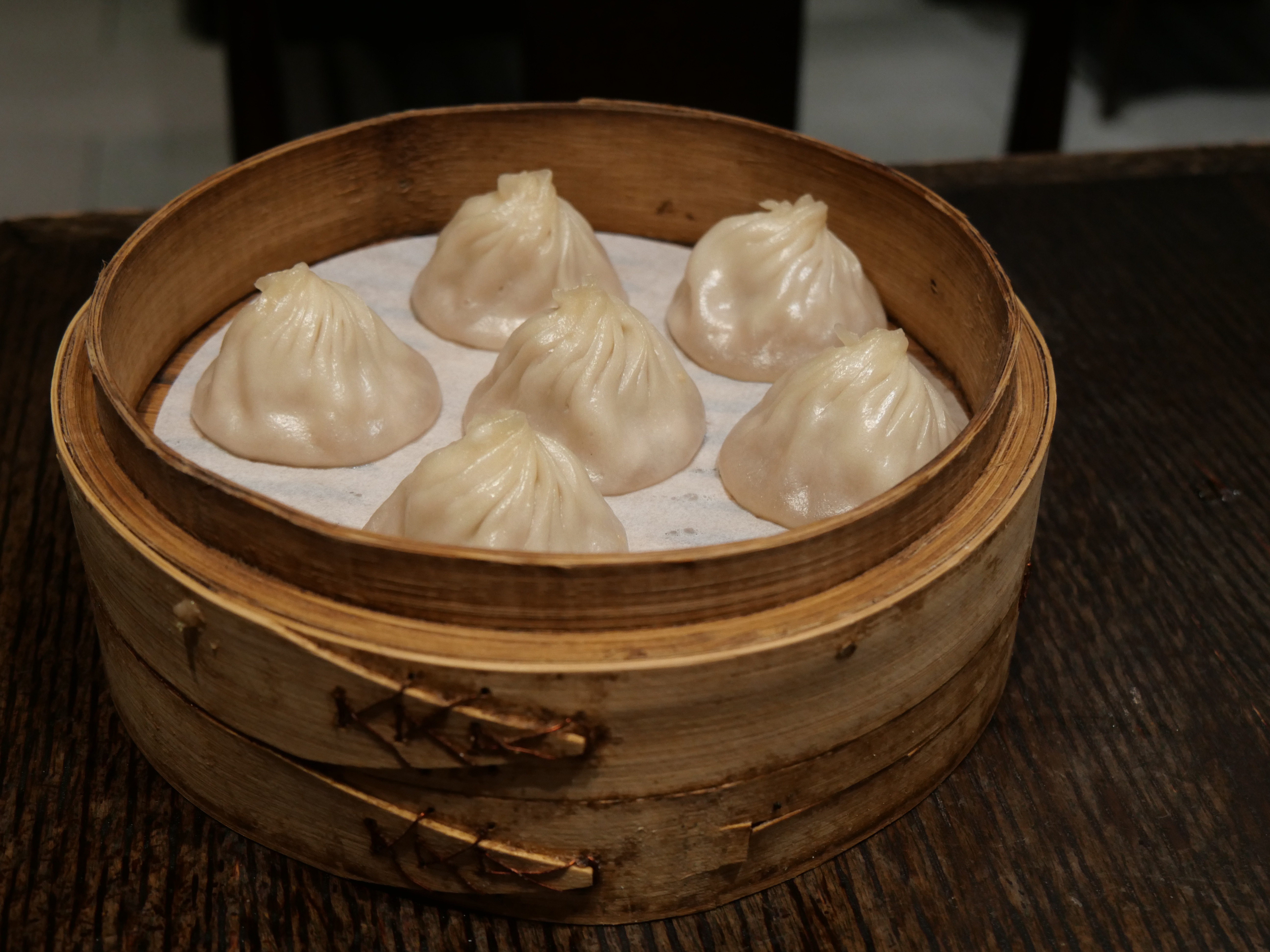
The essence of xiaolongbao lies in its thin skin, generous filling, and abundant soup. Each dumpling wraps both seasoned minced pork and solidified meat aspic, which melts into a rich broth during steaming. The traditional eating method — biting a small hole, sipping the soup, then enjoying the rest — creates a unique sensory experience.
History
The origins of xiaolongbao can be traced back to the Northern Song Dynasty (960–1127). At that time, a dish called guantangbao (灌汤包, soup-filled buns) was popular in Kaifeng, Henan Province, then the capital. This was the precursor to modern xiaolongbao. As the Song Dynasty moved southward, the technique of making soup-filled buns spread to the Jiangnan region, where cities like Changzhou and Shanghai developed their own distinctive styles.
The modern form of xiaolongbao took shape during the Qing Dynasty. Yinggui Teahouse in Changzhou became a classic destination for locals to enjoy xiaolongbao. According to the Annals of Jiading, the craft of making xiaolongbao in Nanxiang — a town near Shanghai that later became part of Shanghai's Jiading District — was passed down through generations. From there, the dish spread to downtown Shanghai and eventually around the world.
Regional Styles
Different cities across the Jiangnan region have their own distinct styles of xiaolongbao:
Changzhou Style: Known for thin wrappers and generous filling. The most famous variety is crab roe xiaolongbao, traditionally eaten after the Mid-Autumn Festival. The skin is paper-thin, and soup bursts out with every bite.
Shanghai Nanxiang Style: The most internationally recognized version. Originating in Nanxiang Town, Jiading District, Shanghai, these feature pork filling, delicate skin, abundant soup, and finely pleated tops — traditionally at least 18 pleats per bun, resembling a chrysanthemum. Nanxiang Mantou Dian is the most famous heritage brand.
Suzhou and Wuxi Style: Larger in size (sometimes twice that of Nanxiang xiaolongbao), with sweeter fillings reflecting the sweet palate of Suzhou-Wuxi cuisine.
Nanjing Style: Smaller with nearly translucent skin and less meat, placing more emphasis on the texture of the wrapper.
Kaifeng Style: Preserves the Song Dynasty tradition of guantangbao. When lifted, they look like lanterns; when set in the basket, they resemble flowers.
Hong Kong Style: Similar in appearance to Changzhou xiaolongbao but with a slightly spicy taste from the addition of ginger and sometimes spring onion. The wrapper is chewier and firmer.
Craftsmanship
Making xiaolongbao requires meticulous skill across three key components:
The Skin: Made from partially leavened dough, giving it a tender, smooth, and slightly translucent quality rather than the white and fluffy texture of northern Chinese mantou. The dough is mixed with clear water and rolled into circular wrappers that are slightly thicker in the center and thinner at the edges.
The Filling: Traditional filling is minced pork seasoned with soy sauce, Shaoxing wine, and ginger. Modern innovations include crab roe, shrimp, seafood, vegetarian options, and even creative fillings like sea urchin, foie gras, truffle, and chocolate.
The Soup Aspic: This is the secret to xiaolongbao. Pork skin is simmered into a rich, gelatinous broth, which is then chilled until solid and chopped into the filling. During steaming, the heat melts the aspic into a flavorful soup. Modern refrigeration has made it easier to produce aspic even in hot weather.
The finished dumplings are pleated at the top — traditional Shanghai xiaolongbao require at least 18 pleats, shaped like a blooming chrysanthemum.
How to Eat
Xiaolongbao is traditionally eaten for breakfast or as a snack (xiaochi), served steaming hot in bamboo baskets. The proper eating method is:
- Place the xiaolongbao on a soup spoon
- Gently bite a small hole in the side
- Sip the rich, hot broth first
- Dip in Zhenjiang black vinegar with julienned ginger
- Eat the remaining bun in one bite
Alternatively, some place the entire dumpling with condiments directly into the mouth. Either way, caution is needed — the soup is extremely hot.
Famous Restaurants & Global Influence
Din Tai Fung (鼎泰丰): Founded in Taipei, Taiwan in 1958, originally as a cooking oil shop before pivoting to xiaolongbao. Today it is one of the most famous Chinese restaurant chains worldwide, with over 100 locations globally. The New York Times named it one of the "Top 10 Best Restaurants in the World."
Nanxiang Mantou Dian (南翔馒头店): Located in Shanghai's Yu Garden, this is Shanghai's oldest xiaolongbao restaurant, established in 1900. The queue outside the shop remains a common sight to this day.
Yinggui Teahouse (迎桂茶馆): A heritage xiaolongbao establishment in Changzhou, representing the living history of the dish.
Today, frozen xiaolongbao are mass-produced and sold worldwide in Asian supermarkets. From New York to Tokyo, from London to Sydney, xiaolongbao has become a global ambassador for Chinese cuisine.
Cultural Significance
Xiaolongbao is more than just food — it embodies the Chinese pursuit of culinary perfection. A single small dumpling requires precision in every step, from the dough to the filling to the soup. The global spread of xiaolongbao also reflects the growth of China's cultural soft power, serving as a "culinary ambassador" that introduces the world to Chinese gastronomic tradition.
References
- Wikipedia - Xiaolongbao
- Baidu Baike - 小笼包
- South China Morning Post - The history of xiaolongbao
- Lonely Planet - Food Lover's Guide to the World
- SHINE - Dumplings, a dish on the to-do list
Stills & Gallery
Comments (0)