Books by Jennifer Leeman

Este libro ofrece un acercamiento a la sociolingüística y al estudio del lenguaje y la sociedad, ... more Este libro ofrece un acercamiento a la sociolingüística y al estudio del lenguaje y la sociedad, que luego se aplica al análisis del español hablado en los Estados Unidos. Además de proporcionar información clave sobre la demografía y la historia del español en dicho país, se analiza su situación sociopolítica, la relación de la lengua con las identidades latinxs, y las formas en que las ideologías y políticas lingüísticas reflejan y condicionan la percepción del español y sus hablantes. Se examina el uso y la representación del español en una amplia gama de contextos, incluyendo el habla cotidiana, los medios de comunicación, las escuelas, el censo y las instituciones gubernamentales y no gubernamentales. Cada capítulo incluye preguntas de discusión y actividades de análisis. Esta edición se basa en Speaking Spanish in the US (2020), pero está pensada específicamente para el público hispanohablante.
También hay una edición en lengua inglesa: https://www.multilingual-matters.com/page/detail/?k=9781788928298
RESEÑAS
"Adoptando un enfoque crítico, socioconstruccionista y absolutamente interdisciplinario, Leeman y Fuller logran enormes avances en la tarea de desentrañar la miríada de fundamentos etnorraciales, geopolíticos y socioculturales que afectan a las personas de habla hispana a la hora de ser contadas, educadas y atendidas dentro de la sociedad estadounidense. Este libro se convertirá, sin duda, en una piedra angular en la formación de la próxima generación de intelectuales y activistas que se dediquen al estudio del español en los Estados Unidos."
Glenn A. Martínez, Ohio State University, Estados Unidos
"El español en los Estados Unidos es una realidad orgánica que no se deja asir con facilidad. Las profesoras Leeman y Fuller se han puesto manos a la obra y no han dejado tema por tratar, debate por discutir ni polémica por afrontar. Hablar español en Estados Unidos es un libro formativo e informativo, pero también atrevido, que refleja la intensidad con que puede vivirse una realidad sociolingüística tan compleja como la estadounidense."
Francisco Moreno Fernández, Universität Heidelberg, Alemania y Universidad de Alcalá, España
"Este excelente libro ya ha establecido su importancia como una perspicaz presentación del español en Estados Unidos, sobre todo desde la perspectiva innovadora de la sociopolítica del lenguaje. La edición en español es significativa tanto por hacerlo accesible al público hispanohablante como por los interesantes desafíos lingüísticos que plantea. El énfasis en el 'lenguaje inclusivo' ejemplifica la sensibilidad de las autoras hacia el lenguaje que sustenta este libro."
Clare Mar-Molinero, University of Southampton, Reino Unido
En definitiva, [este libro] muestra las realidades sociolingüísticas del español en EEUU, visibilizando la diversidad de la comunidad latinx y su relevancia en la historia, sociedad y desarrollo económico de este país. Es un libro accesible para estudiantes e investigadores que no tienen formación especializada en los estudios sobre lenguaje en su contexto sociocultural; sin embargo, también constituye un estudio de largo alcance que indaga perspicazmente las causas etno- racionales, geopolíticas, ideológicas y sociales que subyacen en el discurso que degrada a los hispanohablantes y a sus prácticas lingüísticas.
Discurso & Sociedad, Vol.15(4), 2021
RESEÑAS DE LA EDICION EN INGLES:
"A significant contribution to the study of language in society, this book challenges readers to consider the social and political meanings of speaking Spanish in the United States [...] The inclusion of key terminology, discussion questions, and resources for further reading make this book an ideal text for courses in linguistics, language studies, and a number of other disciplines."
Language in Society 50 (2021)
"Educators, scholars, and students of linguistics, Hispanic linguistics, and Latino studies, as well as academics in other fields and nonacademics interested in the state of Spanish in the US would benefit tremendously from reading this text, as it intertwines many threads quite masterfully and clearly develops how to use an interdisciplinary critical sociopolitical approach to integrate language, identity, and linguistic ideology into teaching and social justice."
Latino Studies, 2021
"Speaking Spanish in the US es, desde ya, un hito en los estudios sobre la lengua española en los Estados Unidos. Marca el camino, o los caminos, a seguir."
Hispania, Volume 104, Number 3, September 2021
"Este libro es una publicación sumamente interesante para aprender y reflexionar acerca del contexto social, político e ideológico del español en los Estados Unidos en la actualidad y también acerca de las condiciones históricas y otros antecedentes que han moldeado esa situación [...] [E]s altamente recomendable para estudiantes o para investigadores que precisen de referencias sobre temas particulares concernientes al español.
Infoling 6.24 (2021)
I will plan to use this textbook for my general education-level students, and I would recommend it to instructors teaching courses on the sociopolitics of Spanish in the US; it takes on an ambitious array of potentially sprawling topics in an interesting, focused, and accessible way. This work lives up to its promise, providing a valuable, complex approach to a compelling topic that is of critical importance to higher education in today's political landscape.
Journal of Spanish Language Teaching, 2021
The book is clearly organized and would make an engaging text for a course on Spanish in the U.S. or courses that study the intersection of politics and language. Students of many interrelated disciplines could benefit from this book, as well as Spanish instructors who are ready to implement critical pedagogy in their courses and would like inspiration for where to start.
Spanish as a Heritage Language Vol. 1 No. 1, 2021
This volume is an important addition to the growing body of linguistic research on the oldest European language spoken in what is now the United States. Its focus on the social and political realities of Spanish speakers, as opposed to structural aspects of the language itself, sets it somewhat apart from other studies. While some book-length treatises do mention the sociopolitical dimensions in which Spanish exists, none deals with these as a principal theme.
Journal of Multilingual and Multicultural Development, 2021
DISPONIBLE:
https://www.multilingual-matters.com/page/detail/?k=9781800413955
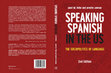
This book introduces readers to basic concepts of sociolinguistics with a focus on Spanish in the... more This book introduces readers to basic concepts of sociolinguistics with a focus on Spanish in the US. The coverage goes beyond linguistics to examine the history and politics of Spanish in the US, the relationship of language to Latinx identities, and how language ideologies and policies reflect and shape societal views of Spanish and its speakers. Accessible to those with no linguistic background, this book provides students with a foundation in the study of language and society, and the opportunity to relate theoretical concepts to Spanish in the US in a range of contexts, including everyday speech, contemporary culture, media, education and policy. The book is a substantially revised and expanded 2nd edition of Spanish Speakers in the USA, including new chapters on the history of Spanish in the US, the demographics of Spanish in the US, and language policy; and expanded chapters on language ideologies, race, identity, media, and education.
A Spanish-language edition is also available: https://www.multilingual-matters.com/page/detail/?K=9781800413931
Reviews
“Adopting a thoroughly interdisciplinary, critical and social constructionist approach, Fuller and Leeman make tremendous strides in teasing out the myriad ethnoracial, geopolitical and sociocultural foundations that affect Spanish speakers in being counted, educated and cared for in US society. This book will undoubtedly become a cornerstone in the formation of the next generation of scholars and activists dedicated to the study of Spanish in the US.”
Glenn A. Martinez, The Ohio State University, USA
“Speaking Spanish in the US is an insightful, accessible, and wide-ranging book that provides a critical counterforce to contemporary discourse that criminalizes Latinx Spanish-speakers and their linguistic practices, showing definitively that Latinx people are now and have always been a vital part of US sociocultural and political economic life”
Hilary Parsons Dick, Arcadia University, USA
"A significant contribution to the study of language in society, this book challenges readers to consider the social and political meanings of speaking Spanish in the United States [...] The inclusion of key terminology, discussion questions, and resources for further reading make this book an ideal text for courses in linguistics, language studies, and a number of other disciplines."
Language in Society 50 (2021)
"Educators, scholars, and students of linguistics, Hispanic linguistics, and Latino studies, as well as academics in other fields and nonacademics interested in the state of Spanish in the US would benefit tremendously from reading this text, as it intertwines many threads quite masterfully and clearly develops how to use an interdisciplinary critical sociopolitical approach to integrate language, identity, and linguistic ideology into teaching and social justice."
Latino Studies, 2021
"Speaking Spanish in the US es, desde ya, un hito en los estudios sobre la lengua española en los Estados Unidos. Marca el camino, o los caminos, a seguir."
Hispania, Volume 104, Number 3, September 2021
"Este libro es una publicación sumamente interesante para aprender y reflexionar acerca del contexto social, político e ideológico del español en los Estados Unidos en la actualidad y también acerca de las condiciones históricas y otros antecedentes que han moldeado esa situación [...] [E]s altamente recomendable para estudiantes o para investigadores que precisen de referencias sobre temas particulares concernientes al español.
Infoling 6.24 (2021)
En definitiva, Speaking Spanish in the US muestra las realidades sociolingüísticas del español en EEUU, visibilizando la diversidad de la comunidad latinx y su relevancia en la historia, sociedad y desarrollo económico de este país. Es un libro accesible para estudiantes e investigadores que no tienen formación especializada en los estudios sobre lenguaje en su contexto sociocultural; sin embargo, también constituye un estudio de largo alcance que indaga perspicazmente las causas etno- racionales, geopolíticas, ideológicas y sociales que subyacen en el discurso que degrada a los hispanohablantes y a sus prácticas lingüísticas.
Discurso & Sociedad, Vol.15(4), 2021
I will plan to use this textbook for my general education-level students, and I would recommend it to instructors teaching courses on the sociopolitics of Spanish in the US; it takes on an ambitious array of potentially sprawling topics in an interesting, focused, and accessible way. This work lives up to its promise, providing a valuable, complex approach to a compelling topic that is of critical importance to higher education in today's political landscape.
Journal of Spanish Language Teaching, 2021
The book is clearly organized and would make an engaging text for a course on Spanish in the U.S. or courses that study the intersection of politics and language. Students of many interrelated disciplines could benefit from this book, as well as Spanish instructors who are ready to implement critical pedagogy in their courses and would like inspiration for where to start.
Spanish as a Heritage Language Vol. 1 No. 1, 2021
This volume is an important addition to the growing body of linguistic research on the oldest European language spoken in what is now the United States. Its focus on the social and political realities of Spanish speakers, as opposed to structural aspects of the language itself, sets it somewhat apart from other studies. While some book-length treatises do mention the sociopolitical dimensions in which Spanish exists, none deals with these as a principal theme.
Journal of Multilingual and Multicultural Development, 2021
Spanish in the US and other contact environments: Sociolinguistics, ideology and pedagogy.
Articles & chapters by Jennifer Leeman
Handbooks of Linguistics and Communication Science, 2025
Arguing that an understanding of US language ideologies and policies requires attention to the id... more Arguing that an understanding of US language ideologies and policies requires attention to the ideological entanglement of language, race and national identity, this overview of the historical and contemporary sociopolitics of multilingualism in the United States examines the role of race and racism in the treatment of different languages and their speakers as well as in national belonging and citizenship; the construction of language as a racial characteristic and of English as a key element of US national identity; the linking of language and ethnoracial identity in inclusionary policies and language rights; and the enactment of racial discrimination and racialization via language. While these issues are also crucial with regard to racialized varieties of English, including African American English and Chicanx English, for reasons of space this chapter focuses on languages other than English. In addition to examining language ideologies and policies, I present statistics on the languages most commonly spoken in the United States today and explain how and why these have changed since the 1980s.
In Language Practices and Processes among Latin Americans in Europe, edited by Rosina Márquez-Reiter and Adriana Patiño-Santos, 1–24. Routledge.
This chapter examines the classification of Latin Americans and Latinxs in Western Europe censuse... more This chapter examines the classification of Latin Americans and Latinxs in Western Europe censuses from epistemic, discursive, and policy perspectives: who is included and who is left out in tabulations of Latinxs and Latin Americans; how census classificatory practices reflect and bolster particular constructions of ethnoracial, national, and Latinx identities; and how these classification schemes emerge from but also limit public policies. I frame the absence of ethnoracial classification in the majority of Western European censuses as a triple denial: the denial of ethnoracial and cultural diversity within the nation-state, the denial of the impact of European colonialism, and the denial of racism. I examine how the lack of ethnoracial classification in general, and the lack of a Latin American or Latinx category even in the few places that do have ethnoracial classification, invisibilize Latinxs, impacting access to public resources and obscuring inequities. The shifting classification of Latinxs in the US census is provided as a point of comparison.
The Routledge Handbook of Second Language Acquisition and Sociolinguistics, 2022
Sociolinguistic concerns are of paramount importance in heritage language (HL) education because ... more Sociolinguistic concerns are of paramount importance in heritage language (HL) education because the macro-sociolinguistic context shapes HL speakers’ language experiences, knowledge, and use, as well as their socioaffective relationship to the language. This chapter offers a historical overview of sociolinguistic research related to HL speakers, as well as a discussion of current concerns, including: the sociolinguistic characteristics of HL speakers; macro-sociolinguistic issues such as societal language ideologies and policies, and HL identities; and sociolinguistic research in educational contexts. In addition, we examine the place of sociolinguistics in HL curricula and we offer specific recommendations for HL educators. We conclude by identifying areas for future research
In his analysis of the category Aryan in India, Hutton (2019) demonstrates the key role of academ... more In his analysis of the category Aryan in India, Hutton (2019) demonstrates the key role of academic scholarship in colonial and postcolonial discursive formations and he shows that competing understandings of Indian identities and languages are entangled with specific political agendas. But while politics are inseparable from academic epistemologies, this does not mean that there is a one-to-one correspondence between a specific discourse of identity and a specific political position or ideology. Instead, Hutton explains, a single discourse can be linked to multiple competing or contradictory ideologies; in the Indian case, Aryanism is undergirded by and deployed in the service both of British colonialism and of anti-colonial resistance. In this essay, I take up Hutton's concern with the tensions between academic and public conceptions of ethnoracial identity, as well as the multiplicity of political agendas that identity categories can serve, by looking at ethnoracial catego-rization in the United States census. Rather than analyzing the specific identity categories and labels, I focus on the political motivations and discursive effects of ethnoracial classification as a practice, highlighting how the symbolic and political impacts of classification have shifted since the first US census was conducted in 1790. I discuss the multidirectional flows of academic understandings of race, public policy, and ethnoracial groups' political mobilizations in the design of census categories, as well as the interplay among different types of expertise about identity. Conflicts and tensions between different types of expertise, together with competing understandings of ethnoracial identity, are seen not only in the design of the questions but also in the misalignment between the institutionally recognized identity categories and individuals' self-identification and identity claims when completing the census. https://doi.org/10.1075/lcs.00020.lee Language, Culture and Society 2:1 (2020), pp. 92-99. issn 2543-3164 | e-issn 2543-3156
Iberoromania, 2020
Resumen: Dado el uso frecuente de las estadísticas censales en los estudios del multilingüismo, e... more Resumen: Dado el uso frecuente de las estadísticas censales en los estudios del multilingüismo, este artículo argumenta que es necesario examinarlas desde una perspectiva crítica que tenga en cuenta la relación entrelazada de los aspectos metodológicos e ideológicos de los censos. En contraste con los estudios previos que por lo general han examinado uno o dos elementos de la producción de un censo, como por ejemplo la selección de temas y categorías a incluirse, la formu-lación de las preguntas, o el procesamiento de los datos, este artículo analiza críticamente la problemática en cada paso del censo, enfatizando cómo están en-trelazados los aspectos administrativos, epistémicos y ideológicos a lo largo del proceso y presentando ejemplos ilustrativos. Ya que es imposible separar las es-tadísticas de sus orígenes como instrumento del Estado y componente del discur-so oficial, al utilizarlas en los estudios académicos nos urge examinarlas crítica-mente para entender qué ideologías encarnan y reproducen. Palabras clave: Censos, ideologías lingüísticas, análisis crítico 1. El nexo de la clasificación, la política y la ideología Los censos nacionales (y en algunos casos, regionales) recogen información so-bre un abanico de características socioculturales de la población, tales como el uso y/o conocimiento lingüístico, la identidad etnolingüística o cultural y el lugar de nacimiento. Como consecuencia de que los datos censales los producen agen-cias e institutos oficiales de estadísticas, tienden a considerarse sumamente obje-tivos y fiables. Además, estas agencias oficiales normalmente gozan de recursos
Journal of Language, Identity & Education, 2021
This study used peer-led focus groups to investigate heritage language (HL) and second language (... more This study used peer-led focus groups to investigate heritage language (HL) and second language (L2) students' language ideologies and identities in "mixed" Spanish courses. We analyzed students' perceptions of themselves and each other, their understandings of fairness in mixed classes, and the relationship of such perceptions to language ideologies and broader educational discourses of belonging in Spanish language education. Our analysis revealed that L2 participants reproduced the standard language ideology as well as an essentialist ideology that frames Spanish as being natural and easy for HL students. HL participants largely resisted these ideologies while also portraying L2 students as deficient speakers who "artificially" slow the class, thus challenging the dominant construction of L2 students as the default student type. Participants deployed competing conceptions of fairness to construct and perform identities as hard working students. Our findings highlight the need to incorporate the critical analysis of ideologies in mixed HL/L2 settings and beyond.
Latino Studies, 2018
Researchers across disciplines have analyzed the ethnoracial classification of Latinxs in the US ... more Researchers across disciplines have analyzed the ethnoracial classification of Latinxs in the US census, as well as the ideological, political, and material underpinnings and effects of such classification. In this article, I advance our understanding of the census’ reproduction of racial identities and racial discourse in two ways. First, I demonstrate that sociolinguistic theory and methods can shed new light on census classification in three distinct areas: (1) the categories and classifications themselves, (2) the negotiation of ethnoracial classification during census interviews, and (3) the language in which censuses are conducted. Second, I demonstrate that census-taking does not consist simply of recording preexisting ethnoracial identities, or of disseminating official discourses from interviewers to respondents. Instead, census interviews involve the intersubjective construction and production of ethnoracial identities, as interviewers and respondents negotiate the meaning of the categories provided and their places within them.
The International Journal of the Sociology of Language, 2018
In this article, I argue that census language questions, policies and ideologies are intertwined ... more In this article, I argue that census language questions, policies and ideologies are intertwined and mutually reinforcing. Thus, analyses of census language questions
must examine the specific policies for which language statistics are produced, as well as the ideologies that undergird those policies and the production of language statistics. After examining the history of language questions and related policies in the US, I apply this approach in an analysis of the US Census Bureau’s current language question, arguing that US language policy as well as official statistics on multilingualism are constrained by monolingual ideologies that center on English as the key point of reference and the marker of full personhood and national belonging. My analysis focuses on four interrelated realms: 1) US language policy and its emphasis on “Limited English Proficiency” in assigning language rights, 2) the broader ideological context, 3) the language question itself, and 4) the impact of language ideologies on survey design and data collection within the US Census Bureau.
Although they typically include just one or two questions about language, censuses and large-scal... more Although they typically include just one or two questions about language, censuses and large-scale government surveys are a rich source of data for examining patterns and trends in language knowledge and use. This chapter begins with a brief history of census taking, which dates back several millennia and which became a key administrative technology of modern nation-states and colonial projects. Motivations for the nineteenth century introduction of census questions about language knowledge and use are then discussed, with particular attention paid to methodological concerns regarding the focus and formulation of the questions. This chapter presents major contributions from three areas, (1) the field of survey methodology, (2) research on survey language questions, and (3) analyses of the ideological aspects of census language questions, and then provides information about additional large-scale surveys on language and education. The challenges of using census data in language research are then discussed, including the inconsistency of questions asked in different places, changes in the questions over time, and reliability and validity concerns regarding self-report data. The chapter concludes with a consideration of recent trends in survey methods and how these are likely to affect censuses and surveys about language.
Leeman, J. (2016) La clasificación de los latinos y latinas en la historia del censo de los Estad... more Leeman, J. (2016) La clasificación de los latinos y latinas en la historia del censo de los Estados Unidos: la racialización oficial de la lengua española. In José Del Valle (ed.) La historia política del español. Madrid: Editorial Aluvión. 354-379.
Despite the frequent references to identity within the field of heritage language education, it i... more Despite the frequent references to identity within the field of heritage language education, it is only in the past decade or so that scholars have begun to conduct empirical research on this topic. This article examines recent research on identity and heritage language education in the United States. The article begins with a discussion of the simultaneous development of heritage language education as a field and growth of interest in identity and language learning, followed by a critical examination of the terms "heritage language" and "heritage language education," as well as of "heritage language learner" as an identity category. Next is a review of empirical studies conducted within the past 5 years, including survey-based research that considered identity in the exploration of students' reasons for heritage language study, in addition to qualitative and ethnographic research that focused specifically on heritage language learners' sense of themselves and their relationship to the heritage language, as well as on the ways that heritage language learner identities are constructed, indexed, and negotiated in classroom settings. The next section looks at recent research on pedagogical approaches designed to engage heritage language learners in critical considerations of language and identity. The article concludes with suggestions for future research.
International Journal of the Linguistic Association of the Southwest, 2015
The U.S. Census Bureau’s language statistics are used by a wide range of public and private inter... more The U.S. Census Bureau’s language statistics are used by a wide range of public and private interests but many users are unaware of what those statistics mean or the reasons they are produced. This article examines how and why the Census Bureau asks about language, paying special attention to the interplay of public policies and language questions. After presenting a taxonomy of census language questions and their policy uses, I turn to the U.S. Census Bureau’s current language question, explaining both the development of the question and synthesizing the research that has been used to evaluate its validity and reliability, as well as discussing how U.S. language policies have changed since the current language question was adopted. Finally, I present the results of a recent qualitative study that sought to determine the basis of respondents’ answers to the Census Bureau language question, as well as to explore the criteria that respondents use when evaluating the English-speaking ability of other household members



Uploads
Books by Jennifer Leeman
También hay una edición en lengua inglesa: https://www.multilingual-matters.com/page/detail/?k=9781788928298
RESEÑAS
"Adoptando un enfoque crítico, socioconstruccionista y absolutamente interdisciplinario, Leeman y Fuller logran enormes avances en la tarea de desentrañar la miríada de fundamentos etnorraciales, geopolíticos y socioculturales que afectan a las personas de habla hispana a la hora de ser contadas, educadas y atendidas dentro de la sociedad estadounidense. Este libro se convertirá, sin duda, en una piedra angular en la formación de la próxima generación de intelectuales y activistas que se dediquen al estudio del español en los Estados Unidos."
Glenn A. Martínez, Ohio State University, Estados Unidos
"El español en los Estados Unidos es una realidad orgánica que no se deja asir con facilidad. Las profesoras Leeman y Fuller se han puesto manos a la obra y no han dejado tema por tratar, debate por discutir ni polémica por afrontar. Hablar español en Estados Unidos es un libro formativo e informativo, pero también atrevido, que refleja la intensidad con que puede vivirse una realidad sociolingüística tan compleja como la estadounidense."
Francisco Moreno Fernández, Universität Heidelberg, Alemania y Universidad de Alcalá, España
"Este excelente libro ya ha establecido su importancia como una perspicaz presentación del español en Estados Unidos, sobre todo desde la perspectiva innovadora de la sociopolítica del lenguaje. La edición en español es significativa tanto por hacerlo accesible al público hispanohablante como por los interesantes desafíos lingüísticos que plantea. El énfasis en el 'lenguaje inclusivo' ejemplifica la sensibilidad de las autoras hacia el lenguaje que sustenta este libro."
Clare Mar-Molinero, University of Southampton, Reino Unido
En definitiva, [este libro] muestra las realidades sociolingüísticas del español en EEUU, visibilizando la diversidad de la comunidad latinx y su relevancia en la historia, sociedad y desarrollo económico de este país. Es un libro accesible para estudiantes e investigadores que no tienen formación especializada en los estudios sobre lenguaje en su contexto sociocultural; sin embargo, también constituye un estudio de largo alcance que indaga perspicazmente las causas etno- racionales, geopolíticas, ideológicas y sociales que subyacen en el discurso que degrada a los hispanohablantes y a sus prácticas lingüísticas.
Discurso & Sociedad, Vol.15(4), 2021
RESEÑAS DE LA EDICION EN INGLES:
"A significant contribution to the study of language in society, this book challenges readers to consider the social and political meanings of speaking Spanish in the United States [...] The inclusion of key terminology, discussion questions, and resources for further reading make this book an ideal text for courses in linguistics, language studies, and a number of other disciplines."
Language in Society 50 (2021)
"Educators, scholars, and students of linguistics, Hispanic linguistics, and Latino studies, as well as academics in other fields and nonacademics interested in the state of Spanish in the US would benefit tremendously from reading this text, as it intertwines many threads quite masterfully and clearly develops how to use an interdisciplinary critical sociopolitical approach to integrate language, identity, and linguistic ideology into teaching and social justice."
Latino Studies, 2021
"Speaking Spanish in the US es, desde ya, un hito en los estudios sobre la lengua española en los Estados Unidos. Marca el camino, o los caminos, a seguir."
Hispania, Volume 104, Number 3, September 2021
"Este libro es una publicación sumamente interesante para aprender y reflexionar acerca del contexto social, político e ideológico del español en los Estados Unidos en la actualidad y también acerca de las condiciones históricas y otros antecedentes que han moldeado esa situación [...] [E]s altamente recomendable para estudiantes o para investigadores que precisen de referencias sobre temas particulares concernientes al español.
Infoling 6.24 (2021)
I will plan to use this textbook for my general education-level students, and I would recommend it to instructors teaching courses on the sociopolitics of Spanish in the US; it takes on an ambitious array of potentially sprawling topics in an interesting, focused, and accessible way. This work lives up to its promise, providing a valuable, complex approach to a compelling topic that is of critical importance to higher education in today's political landscape.
Journal of Spanish Language Teaching, 2021
The book is clearly organized and would make an engaging text for a course on Spanish in the U.S. or courses that study the intersection of politics and language. Students of many interrelated disciplines could benefit from this book, as well as Spanish instructors who are ready to implement critical pedagogy in their courses and would like inspiration for where to start.
Spanish as a Heritage Language Vol. 1 No. 1, 2021
This volume is an important addition to the growing body of linguistic research on the oldest European language spoken in what is now the United States. Its focus on the social and political realities of Spanish speakers, as opposed to structural aspects of the language itself, sets it somewhat apart from other studies. While some book-length treatises do mention the sociopolitical dimensions in which Spanish exists, none deals with these as a principal theme.
Journal of Multilingual and Multicultural Development, 2021
DISPONIBLE:
https://www.multilingual-matters.com/page/detail/?k=9781800413955
A Spanish-language edition is also available: https://www.multilingual-matters.com/page/detail/?K=9781800413931
Reviews
“Adopting a thoroughly interdisciplinary, critical and social constructionist approach, Fuller and Leeman make tremendous strides in teasing out the myriad ethnoracial, geopolitical and sociocultural foundations that affect Spanish speakers in being counted, educated and cared for in US society. This book will undoubtedly become a cornerstone in the formation of the next generation of scholars and activists dedicated to the study of Spanish in the US.”
Glenn A. Martinez, The Ohio State University, USA
“Speaking Spanish in the US is an insightful, accessible, and wide-ranging book that provides a critical counterforce to contemporary discourse that criminalizes Latinx Spanish-speakers and their linguistic practices, showing definitively that Latinx people are now and have always been a vital part of US sociocultural and political economic life”
Hilary Parsons Dick, Arcadia University, USA
"A significant contribution to the study of language in society, this book challenges readers to consider the social and political meanings of speaking Spanish in the United States [...] The inclusion of key terminology, discussion questions, and resources for further reading make this book an ideal text for courses in linguistics, language studies, and a number of other disciplines."
Language in Society 50 (2021)
"Educators, scholars, and students of linguistics, Hispanic linguistics, and Latino studies, as well as academics in other fields and nonacademics interested in the state of Spanish in the US would benefit tremendously from reading this text, as it intertwines many threads quite masterfully and clearly develops how to use an interdisciplinary critical sociopolitical approach to integrate language, identity, and linguistic ideology into teaching and social justice."
Latino Studies, 2021
"Speaking Spanish in the US es, desde ya, un hito en los estudios sobre la lengua española en los Estados Unidos. Marca el camino, o los caminos, a seguir."
Hispania, Volume 104, Number 3, September 2021
"Este libro es una publicación sumamente interesante para aprender y reflexionar acerca del contexto social, político e ideológico del español en los Estados Unidos en la actualidad y también acerca de las condiciones históricas y otros antecedentes que han moldeado esa situación [...] [E]s altamente recomendable para estudiantes o para investigadores que precisen de referencias sobre temas particulares concernientes al español.
Infoling 6.24 (2021)
En definitiva, Speaking Spanish in the US muestra las realidades sociolingüísticas del español en EEUU, visibilizando la diversidad de la comunidad latinx y su relevancia en la historia, sociedad y desarrollo económico de este país. Es un libro accesible para estudiantes e investigadores que no tienen formación especializada en los estudios sobre lenguaje en su contexto sociocultural; sin embargo, también constituye un estudio de largo alcance que indaga perspicazmente las causas etno- racionales, geopolíticas, ideológicas y sociales que subyacen en el discurso que degrada a los hispanohablantes y a sus prácticas lingüísticas.
Discurso & Sociedad, Vol.15(4), 2021
I will plan to use this textbook for my general education-level students, and I would recommend it to instructors teaching courses on the sociopolitics of Spanish in the US; it takes on an ambitious array of potentially sprawling topics in an interesting, focused, and accessible way. This work lives up to its promise, providing a valuable, complex approach to a compelling topic that is of critical importance to higher education in today's political landscape.
Journal of Spanish Language Teaching, 2021
The book is clearly organized and would make an engaging text for a course on Spanish in the U.S. or courses that study the intersection of politics and language. Students of many interrelated disciplines could benefit from this book, as well as Spanish instructors who are ready to implement critical pedagogy in their courses and would like inspiration for where to start.
Spanish as a Heritage Language Vol. 1 No. 1, 2021
This volume is an important addition to the growing body of linguistic research on the oldest European language spoken in what is now the United States. Its focus on the social and political realities of Spanish speakers, as opposed to structural aspects of the language itself, sets it somewhat apart from other studies. While some book-length treatises do mention the sociopolitical dimensions in which Spanish exists, none deals with these as a principal theme.
Journal of Multilingual and Multicultural Development, 2021
Articles & chapters by Jennifer Leeman
must examine the specific policies for which language statistics are produced, as well as the ideologies that undergird those policies and the production of language statistics. After examining the history of language questions and related policies in the US, I apply this approach in an analysis of the US Census Bureau’s current language question, arguing that US language policy as well as official statistics on multilingualism are constrained by monolingual ideologies that center on English as the key point of reference and the marker of full personhood and national belonging. My analysis focuses on four interrelated realms: 1) US language policy and its emphasis on “Limited English Proficiency” in assigning language rights, 2) the broader ideological context, 3) the language question itself, and 4) the impact of language ideologies on survey design and data collection within the US Census Bureau.