Papers by Lucia Orlandi
Les édifices baptismaux en tant que marqueurs d’identité sociale
Baptême et baptistères entre Antiquité tardive et Moyen Âge, 2023
I. Baldini, S. Cosentino, Architettura protobizantina a Kos, 3, Il complesso di 124. S.Stefano e l’insediamento della baia di Kephalos, Bologna 2021, 2021
Isabella Baldini, Salvatore Cosentino (a c.), Archeologia protobizantina a Kos III. Il complesso di S. Stefano e l'insediamento della baia di Kephalos , 2021
Isabella Baldini, Salvatore Cosentino (a c.), Archeologia protobizantina a Kos III. Il complesso di S. Stefano e l'insediamento della baia di Kephalos, 2021
Isabella Baldini, Salvatore Cosentino (a c.), Archeologia protobizantina a Kos III. Il complesso di S. Stefano e l'insediamento della baia di Kephalos , 2021

Digital Humanities and Cultural Heritage Preservation: The Case of the BYZART (Byzantine Art and Archaeology on Europeana) Project
Studies in Digital Heritage, 2020
The development of Information Technology and Digital Humanities has brought numerous significant... more The development of Information Technology and Digital Humanities has brought numerous significant changes to the Cultural Heritage domain. The Digital Humanities has become a dynamic and fertile research field, and new projects and opportunities are constantly flourishing. The BYZART project perfectly fits this context. This project is coordinated by the Department of History and Cultures of the University of Bologna, embracing a wide consortium of partners from Bulgaria, Greece and Italy. It aims at enhancing Byzantine and Post-Byzantine artistic and cultural heritage within the Europeana platform. This project will enrich the existing Europeana collections with about 75,000 new cultural and artistic multimedia objects relevant to Byzantine history and culture, including collections of digitized photos, video and audio content, and 3-D surveys and reconstructions. We have also established a liaison between the new materials and Byzantine-related content already existing on Europeana. The archival material collected and digitized by the BYZART consortium is of the greatest cultural and art-historical importance, but until now, it has not been properly evaluated or published. For this reason, BYZART aims to guarantee the preservation and evaluation of significant cultural heritage objects from a wide range of contexts, while also making them accessible to scholarly and general audiences alike.
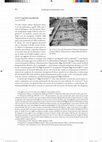
Un altro settore urbano fittamente abitato in età tardoantica è quello della zona a sud-est dell'... more Un altro settore urbano fittamente abitato in età tardoantica è quello della zona a sud-est dell'agorà e del Decumano Massimo (individuato lungo l'odierna odos Grigoriou V). Le strutture, scoperte nel corso degli scavi di emergenza condotti dalla Soprintendenza in quest'area urbana sono quasi tutte pertinenti ad edifici residenziali, alcuni con resti di apparati decorativi che ne denotano il livello sociale elevato. Le dimore si impiantano in gran parte su strutture preesistenti e rispettano in genere il tracciato viario di età ellenistica e romana: in molti casi il livello stradale è solo rialzato, con aggiunta di nuove condotte per l'acqua di portata ridotta. Le strutture sono comprese entro grandi isolati residenziali, 519 come hanno rivelato, ad esempio, gli scavi condotti tra le vie Mitropolitou Nathanail e Stratigou Makrygianni: nei terreni di proprietà Mylona, Chatziantoniou e Papoutsalaki (Fig. I.1.2.1,15) 520 sono emersi livelli di frequentazione abitativa che la stratigrafia e i rinvenimenti monetali permettono di datare tra il IV secolo e il primo quarto del VII (Fig. I.1.6.3.1); 521 in proprietà Tsimisiri (Fig. I.1.2.1,16
352 Per una ricostruzione dell'attività di ricerca archeologica italiana nel Dodecaneso, vedi G. ... more 352 Per una ricostruzione dell'attività di ricerca archeologica italiana nel Dodecaneso, vedi G. 23. La scheda corrispondente è la n.19 del foglio 2/I/SO della Carta dell'Isola di Coo, relativa ad un saggio in terreno nella proprietà Platanista. Una prima indagine della chiesa, con schema planimetrico e sezione ricostruttiva, era stata pubblicata da A. Orlandos (Orlandos 1928; cfr. infra). Per brevi cenni precedenti al monumento: Rayet 1876, p. 91 e Zarraftis 1921 Non si sa esattamente a partire da quale epoca la chiesa abbia assunto la titolatura a s. Giovanni Battista; il ritrovamento di frammenti di affreschi nell'area presbiteriale con scene della vita del Battista, databili al XII-XIII sec., sembra fornire un primo terminus post quem per la dedica della chiesa. Cfr. Katsioti 1982; Katsioti 1998; Katsioti 2000 e infra, § Cronologia ed evoluzione del complesso. 358 Εssa è denominata «Hagios Ioannis» dagli studiosi per la contiguità con la chiesa di S. Giovanni, ma la titolatura originaria è sconosciuta e per ora non sono note fonti letterarie o epigrafiche che possano fare luce su questo aspetto. D'ora in avanti verrà utilizzata la denominazione «Hagios Ioannis» per indicare la basilica, di « Epta Vimata» o «di S. Giovanni» per indicare l'edificio del battistero-chiesa cimiteriale. 359 Desidero ringraziare la dott.ssa Francesca Frasca per i consigli, i suggerimenti e l'aiuto fornito nella riflessione sul monumento e nella realizzazione di parte della documentazione fotografica, e l'arch. Paolo Baronio per l'aiuto nella raccolta della documentazione sul campo, per l'elaborazione grafica della planimetria ricostruttiva e per le utili osservazioni sullo stile e la tecnica scultorea. 360 Posiopoulos 2009, p. 25. 361 H. Balducci descrisse la struttura di Epta Vimata, pubblicando un primo rilievo della pavimentazione interna, una sezione e un'assonometria ricostruttive dell'edificio originario.
Proceeding papers by Lucia Orlandi
DROIT ET SOCIÉTÉ À BYZANCE ET DANS SA SPHÈRE D’INFLUENCE ACTES du colloque international Droit et société au Moyen Âge Maison de la recherche de la Sorbonne Université 12 et 13 septembre 2019 édités par B. Caseau et Ch. Messis, 2022
ABITARE NEL MEDITERRANEO TARDOANTICO Atti del III Convegno Internazionale del Centro Interuniversitario di Studi sull’Edilizia abitativa tardoantica nel Mediterraneo (CISEM) (Bologna 28-31 ottobre 2019), 2021
The paper analyses some of the epigraphic evidence known from housing contexts in the Mediterrane... more The paper analyses some of the epigraphic evidence known from housing contexts in the Mediterranean between the 4th and the 6th
c. CE. The study of inscriptions in private and domestic contexts in Late Antiquity has recently produced some early attempts at synthesis.
Based on the numerous corpora of late antique buildings, the analysis considers inscriptions on durable and semi-durable materials
pertinent to the architectural apparatus and “immovable” furnishing within the domestic context. Whenever ascertained, the location
of the inscriptions seems to indicate that still in Late Antiquity epigraphy contributed to characterize the domestic space as strongly
linked to the public sphere and to locate the individual identity in the relationship with the community. However, the progressive decrease
of inscriptions in the domestic environment, in parallel with the spread of Christianity, suggests a change in the conception of the
public sphere of action of the individual.
Byzart – Byzantine Art and Archaeology on Europeana” project: activities and outcomes
The Silk and the Blood. Images of Authority in Byzantine Art and Archaeology (Bologna, February 15th, 2019). Inauguration of the digital exhibition and proceedings of the final meeting of “Byzart - Byzantine Art and Archaeology on Europeana” project, 2019
Dialoghi con Bisanzio. Spazi di discussione, percorsi di ricerca. Atti dell'VIII Congresso dell'Associazione Italiana di Studi Bizantini (Ravenna, 22-25 settembre 2015), 2019
Il battesimo infantile non sembra essere stata una pratica comune e standardizzata sin dall’inizi... more Il battesimo infantile non sembra essere stata una pratica comune e standardizzata sin dall’inizio dell’era cristiana: a sostegno di questo, può essere evidenziata la mancanza di una teologia battesimale condivisa fra le chiese greca e latina, in particolare all’epoca (fine IV-inizi V sec.) in cui questa pratica venne maggiormente dibattuta. Nella visione occidentale post-agostiniana, il nascituro è contaminato dal peccato di Adamo per il fatto stesso del suo concepimento carnale, e necessita quindi del battesimo per cancellarlo e poter aspirare alla Salvezza. Al contrario, la visione orientale risulta molto più sfumata e dubitativa rispetto alla trasmissione del peccato originale ai singoli individui, e quindi anche rispetto al destino delle anime dei bambini non battezzati. Un contributo all’analisi di questo tema può essere fornito dalla concezione dell’infanzia a partire dal mondo antico fino a quello protobizantino (VII-VIII sec.), evidenziando elementi di continuità con la tradizione culturale classica maggiormente conservati nell’Oriente greco rispetto all’Occidente latino: in particolare, dalle fonti documentarie ed archeologiche sembra emergere il persistere di uno status particolare dell’infante, un essere “irrazionale” e “ai margini” della società. L’importanza della consapevolezza e della partecipazione personale del battezzando nel ricevere il sacramento, cosi come era nel battesimo delle origini, insieme al radicamento della convinzione che i bambini molto piccoli (in genere sotto i tre anni) non potessero efficacemente e razionalmente esprimere una propria volontà, sono forse fattori che hanno contribuito a ritardare generalmente il momento del battesimo dei più giovani nell’uso dei fedeli greco-orientali.
"Abitare nel Mediterraneo tardoantico" - II International Confererence of the CISEM
Nel 1936, saggi di scavo condotti da Luigi Morricone nel settore occidentale del capoluogo dell'... more Nel 1936, saggi di scavo condotti da Luigi Morricone nel settore occidentale del capoluogo dell'isola di Kos portarono in luce strutture pertinenti ad un quartiere residenziale di epoca romana imperiale e tardoantica. Fra queste, particolarmente notevoli sono i resti di una domus, detta "di Piazza Quadrata" dall'area di rinvenimento: i tre vani superstiti, uno dei quali identificato come triclinio, presentavano ricche stesure pavimentali in opus sectile policromo e mosaico, datate tradizionalmente al IV-V secolo. Il riesame della documentazione architettonica e decorativa, nel contesto delle emergenze relative all'edilizia residenziale a Kos, fornisce una testimonianza dell'alto livello economico e culturale delle classi elevate della città nel periodo tardoantico.
Researches on Christian Archaeology, Late Antiquity and Early Middle Ages 1st International conference of PhD students Rome, 5th-7th February 2018, 2019
Our doctoral research aimed at identifying the social aspects related to baptism, i.e. the practi... more Our doctoral research aimed at identifying the social aspects related to baptism, i.e. the practical behaviour and mental attitudes generated within the society by the very existence of the baptismal ritual. This perspective was intertwined with those of history of liturgy and theology, on the one hand, and of history of art and archaeology, on the other hand, which have been largely treated in previous studies. The chronological frame here considered goes from the 4th to the 7th c., while the sampling of the geographical areas under analysis considers mainly the Eastern Mediterranean, but also some of the Western regions, in order to be as much wider and representative as possible. The archaeological and topographical data, derived from the record of 436 baptisteries, have been related to the evolution of liturgy as well as to historical and social contexts in the various areas. This contribution intends to present some notes about the so-called accessory basins of baptismal fonts. The presence of one or more small basins adjoining or near the main font is a rather rare phenomenon, albeit known in numerous and various Mediterranean contexts. The examples cited can’t be considered “secondary baptismal fonts” due to their dimension, shape and location in relation to the main font and to the baptistery: i.e., we can infer that they serve a different purpose. This analysis tries to identify useful elements in defining the mode of use of these items, by focusing on morphological and functional characteristics; moreover, considering them in their historical and geographic framework, it investigates how their use, or their uses, may have been determined not only by liturgical requirements, but also by wider social and cultural developments.
Η μελέτη του υλικού από τις ανασκαφές στη βασιλική της Μητρόπολης δεν
έχει ολοκληρωθεί ακόμα, επι... more Η μελέτη του υλικού από τις ανασκαφές στη βασιλική της Μητρόπολης δεν
έχει ολοκληρωθεί ακόμα, επιτρέπει όμως την εξαγωγή κάποιων συμπερασμάτων.
Για παράδειγμα, η υπόθεση σύμφωνα με την οποία ο σεισμός του 670 σημαίνει
το τέλος της βασιλικής, δεν μπορεί πλέον να υποστηριχθεί. Το μνημείο, μετά το
γεγονός που προκάλεσε την τελική του εγκατάλειψη, φαίνεται ότι επιβιώνει σε
ερειπιώδη κατάσταση για μακρά περίοδο, κατά την οποία γίνεται αντικείμενο
λαφυραγώγησης, όπως φαίνεται κυρίως στα κλίτη.
Τα υστερότερα ίχνη που σχετίζονται με λειτουργική χρήση έχουν εντοπιστεί
μέχρι τώρα μονάχα στην περιοχή του ιερού, στους χώρους I και II που επικοι-
νωνούν με την αψίδα, και από τους οποίους προέρχεται ένα πλήθος τεχνέργων
(κεραμική, γυάλινα και μετάλλινα σκεύη). Αυτοί οι δύο χώροι, που φαίνεται ότι
λειτουργούν στην ουσία ως χώροι φύλαξης, χρησιμοποιούνται μέχρι την κατάρ-
ρευση της στέγης και την τελική φωτιά μετά την οποία ο χώρος εγκαταλείπεται. Αν
ο χώρος Ι παρουσιάζει χρήση που επεκτείνεται πέρα από τον 7ο αι., στον χώρο ΙΙ
η χρήση είναι βέβαιη και μάλιστα μέχρι και τον 8ο αι.
Αξίζει να σημειωθεί ότι τα ανασκαφικά δεδομένα από το βαπτιστήριο του
ναού φανερώνουν πολλαπλές καταστροφές με επακόλουθες ανακατασκευές και
αποκαταστάσεις, ίσως με μερική απώλεια της αρχικής λειτουργίας πριν από την
τελική πτώση που πιθανόν τοποθετείται μετά από το 715.
Με τη συνέχιση της μελέτης της αρχιτεκτονικής, της στρωματογραφίας και των
ευρημάτων από τον επισκοπικό ναό, θα μπορέσουμε να απαντήσουμε στο ερώτη-
μα κατά πόσο ο χρονολογικός ορίζοντας που ανέκυψε για τους δύο χώρους του
πρεσβυτερίου και του βαπτιστηρίου μπορεί να επιβεβαιωθεί και για το σύνολο
του εκκλησιαστικού συγκροτήματος ή αν αυτοί οι συγκεκριμένοι χώροι δίπλα
ακριβώς στην αψίδα φανερώνουν μονάχα μια επιβίωση της λειτουργικής χρήσης,
περιορισμένης πια σε σχέση με το αρχικό κτήριο.
Porphyra, 2017
Collana Confronti su Bisanzio, 5 Porphyra, Giugno 2017, ISSN 2240 Cette année, grâce à notre part... more Collana Confronti su Bisanzio, 5 Porphyra, Giugno 2017, ISSN 2240 Cette année, grâce à notre partenariat avec la revue Porphyra, nous présentons un article issu d'une communication tenue lors des IX es Rencontres internationales des étudiants en études byzantines, qui ont eu lieu à Paris les 7 et 8 octobre 2016. L'article de Lucia Orlandi témoigne de la variété des études byzantines, et surtout de la nécessité de croiser différents champs de recherche afin de répondre au mieux aux questions posées. En effet, sa recherche doctorale sur le baptême et les baptistères dans l'Empire romain d'Orient inclut les aspects liturgiques, théologiques, artistiques et archéologiques, qui ont déjà été abondamment traités, en ajoutant une perspective d'étude sur les aspects culturels et sociaux qui offrent une nouvelle façon d'aborder le sujet. Elle évoque dans un premier temps le baptême en tant que fait social, puis tente d'évaluer le rôle des laïcs dans l'acte sacramentel ; elle met ensuite en avant l'apport des fidèles aux baptistères, avant de terminer par une présentation d'un cas particulier d'évergétisme chrétien.
Since 2005, archaeological excavations are led by the Université catholique de Louvain on the vil... more Since 2005, archaeological excavations are led by the Université catholique de Louvain on the villa site in
Aiano-Torraccia di Chiusi (Siena), an example of the wealthy rural residences of late-antique aristocracy in Central Italy, dating from the 3rd/4th c. to the 7th c. A.D. Compared to other villas in Tuscany, Latium and Umbria, the case of Aiano, otherwise peculiar, has a similar development between the 5th and the 7th c. A.D.: that is, implantation of workshops to the detriment of the residential structures, and eventually humble occupation and gradual abandonment.
Conference Presentations by Lucia Orlandi
« Rien ne se perd, rien ne se crée, tout se transforme ». Rifunzionalizzazione e attività produttive nella villa di Aiano-Torraccia di Chiusi (V-VII sec. d.C.).
La villa romana tardoantica di Aiano-Torraccia di Chiusi (SI) nasce nel IV secolo d.C. e conosce ... more La villa romana tardoantica di Aiano-Torraccia di Chiusi (SI) nasce nel IV secolo d.C. e conosce varie fasi di occupazione fino ai VII-VIII secoli d.C. Si tratta di un sito rurale di grandi dimensioni, che si estendeva probabilmente su una superficie stimata intorno ai 10 000 m2, secondo i risultati di numerose indagini geofisiche. Il caso di Aiano, studiato dal 2005 da una squadra italo-belga alla quale fa capo l’Université Catholique de Louvain (sotto la dir. del Prof. Marco Cavalieri), si rivela di notevole interesse non solo per la conoscenza delle forme d’insediamento e di romanizzazione della Val d’Elsa, ma anche per la comprensione delle logiche di produzione e di rifunzionalizzazione altomedievali. La villa infatti fu spogliata della maggiore parte dei suoi arredi (marmi di pregio, mosaici policromi, intonaci dipinti) nel corso del VI secolo d.C. Questi materiali furono poi riutilizzati nell’ambito di una produzione che si collocava all’interno degli ambienti del complesso. Il sito di Aiano si presenta, quindi, come una vera e propria miniera di materiale da riutilizzare – il che implica purtroppo un’obliterazione a volte pressoché totale delle prime fasi di vita – ma soprattutto come un centro di produzione di manufatti in metallo (con una produzione di oggetti di ferro e di rame), in vetro e in oro e, probabilmente, anche di ceramica. Lo scopo di questa comunicazione sarà di presentare i numerosi ateliers – portati alla luce nel corso di otto campagne di scavo (2005-2012) – e, in certi casi, i loro prodotti, gli scarti di lavorazione e qualche frammento dei attrezzi di lavoro. La presentazione di evidenze ancora in corso di studio sarà indubbiamente l’occasione di una fruttuosa riflessione in comune con gli altri partecipanti al workshop.
Baptême et baptistères dans l’Empire romain d’Orient. Aspects culturels et sociaux (IVe-VIIe siècles)



Uploads
Papers by Lucia Orlandi
Proceeding papers by Lucia Orlandi
c. CE. The study of inscriptions in private and domestic contexts in Late Antiquity has recently produced some early attempts at synthesis.
Based on the numerous corpora of late antique buildings, the analysis considers inscriptions on durable and semi-durable materials
pertinent to the architectural apparatus and “immovable” furnishing within the domestic context. Whenever ascertained, the location
of the inscriptions seems to indicate that still in Late Antiquity epigraphy contributed to characterize the domestic space as strongly
linked to the public sphere and to locate the individual identity in the relationship with the community. However, the progressive decrease
of inscriptions in the domestic environment, in parallel with the spread of Christianity, suggests a change in the conception of the
public sphere of action of the individual.
έχει ολοκληρωθεί ακόμα, επιτρέπει όμως την εξαγωγή κάποιων συμπερασμάτων.
Για παράδειγμα, η υπόθεση σύμφωνα με την οποία ο σεισμός του 670 σημαίνει
το τέλος της βασιλικής, δεν μπορεί πλέον να υποστηριχθεί. Το μνημείο, μετά το
γεγονός που προκάλεσε την τελική του εγκατάλειψη, φαίνεται ότι επιβιώνει σε
ερειπιώδη κατάσταση για μακρά περίοδο, κατά την οποία γίνεται αντικείμενο
λαφυραγώγησης, όπως φαίνεται κυρίως στα κλίτη.
Τα υστερότερα ίχνη που σχετίζονται με λειτουργική χρήση έχουν εντοπιστεί
μέχρι τώρα μονάχα στην περιοχή του ιερού, στους χώρους I και II που επικοι-
νωνούν με την αψίδα, και από τους οποίους προέρχεται ένα πλήθος τεχνέργων
(κεραμική, γυάλινα και μετάλλινα σκεύη). Αυτοί οι δύο χώροι, που φαίνεται ότι
λειτουργούν στην ουσία ως χώροι φύλαξης, χρησιμοποιούνται μέχρι την κατάρ-
ρευση της στέγης και την τελική φωτιά μετά την οποία ο χώρος εγκαταλείπεται. Αν
ο χώρος Ι παρουσιάζει χρήση που επεκτείνεται πέρα από τον 7ο αι., στον χώρο ΙΙ
η χρήση είναι βέβαιη και μάλιστα μέχρι και τον 8ο αι.
Αξίζει να σημειωθεί ότι τα ανασκαφικά δεδομένα από το βαπτιστήριο του
ναού φανερώνουν πολλαπλές καταστροφές με επακόλουθες ανακατασκευές και
αποκαταστάσεις, ίσως με μερική απώλεια της αρχικής λειτουργίας πριν από την
τελική πτώση που πιθανόν τοποθετείται μετά από το 715.
Με τη συνέχιση της μελέτης της αρχιτεκτονικής, της στρωματογραφίας και των
ευρημάτων από τον επισκοπικό ναό, θα μπορέσουμε να απαντήσουμε στο ερώτη-
μα κατά πόσο ο χρονολογικός ορίζοντας που ανέκυψε για τους δύο χώρους του
πρεσβυτερίου και του βαπτιστηρίου μπορεί να επιβεβαιωθεί και για το σύνολο
του εκκλησιαστικού συγκροτήματος ή αν αυτοί οι συγκεκριμένοι χώροι δίπλα
ακριβώς στην αψίδα φανερώνουν μονάχα μια επιβίωση της λειτουργικής χρήσης,
περιορισμένης πια σε σχέση με το αρχικό κτήριο.
Aiano-Torraccia di Chiusi (Siena), an example of the wealthy rural residences of late-antique aristocracy in Central Italy, dating from the 3rd/4th c. to the 7th c. A.D. Compared to other villas in Tuscany, Latium and Umbria, the case of Aiano, otherwise peculiar, has a similar development between the 5th and the 7th c. A.D.: that is, implantation of workshops to the detriment of the residential structures, and eventually humble occupation and gradual abandonment.
Conference Presentations by Lucia Orlandi