Papers by M. Tuncay Özdemir

Antik Dönemlerden Günümüze Stratonikeia (Ed. B. Söğüt), 2024
Stratonikeia’da bulunan stratēgoi ve onunla ilişkili stratēgion varlığına bağlı olarak, bu surun ... more Stratonikeia’da bulunan stratēgoi ve onunla ilişkili stratēgion varlığına bağlı olarak, bu surun organize olmuş, profesyonel birliklerle savunulduğu anlaşılmaktadır. Ayrıca Hellenistik Dönem’de Stratonikeia, şehre bir saldırı durumunda, suru savunmak amacıyla silahlı birlikleri kendilerine tahsis edilmiş olan ve her biri kendi sembolüne sahip kulelere bölünmüştür. Bu kulelerden biri olan Altıgen Planlı Kule, MÖ 260’tan sonra “Stratonikeia Savunma Sistemi” yle birlikte tasarlanarak, kuşatma kaynaklarının artması karşısında savunma mimarisini mükemmelleştirmek için ortaya çıkan kule tekniğinin iyi bir örneğini oluşturmaktadır.
Ayrıca geniş iç hacim ve kentin zirvesindeki hâkim konumu gözetleme kulesi olarak kullanılmasına da imkân tanımış gibi görünmektedir. Bu özellikleriyle Stratonikeia’yı güneyden Beçin Kalesi, Keramos ve Mylasa’ya götürecek kısa bir yol hattını işaret eden taş döşeli antik yola açılan “Mylasa Kapısı”nın koruyuculuğunu üstlenmiş olmalıdır.
Ayrıca geniş iç hacim ve kentin zirvesindeki hâkim konumu gözetleme kulesi olarak kullanılmasına da imkân tanımış gibi görünmektedir. Bu özellikleriyle Stratonikeia’yı güneyden Beçin Kalesi, Keramos ve Mylasa’ya götürecek kısa bir yol hattını işaret eden taş döşeli antik yola açılan “Mylasa Kapısı”nın koruyuculuğunu üstlenmiş olmalıdır.
Adalya, 2025
Xystis Akropolü günümüzde Körteke Kalesi olarak ifade edilen tepenin güney yamacını çeviren bir d... more Xystis Akropolü günümüzde Körteke Kalesi olarak ifade edilen tepenin güney yamacını çeviren bir dış sur ve iç kaleden oluşmaktadır. Dış sur üzerinde 5, iç kalede ise 2 dörtgen planlı kule ve iç kalenin tam ortalarında dört odalı dikdörtgen bir kule yer almaktadır. İç kalenin ortasında, savunma duvarları arasında yer alan dört odalı büyük dikdörtgen kulenin bir stratgion olarak kullanılmış olabileceği düşünülmektedir. Yine iç kaleye girişi sağlayan kapı önünde yer alan sunu çanağının kalede görevli garnizon birliklerinin kült törenleri ve ritüelleriyle bağlantılı olabileceği değerlendirilmektedir. Xystis savunma sistemi inşa süreci, MÖ 281 yılındaki Koroupedion Savaşı’nda kısa bir süre sonra II. Ptolemaios’un hakimiyetinde başlamış ve MÖ 274 yılından önce tamamlanmış olmalıdır.
Stratonikeia From Antiquity yo Modern Times (Ed. B. Söğüt), 2024
The defensive system of Stratonikeia was built in two phases. On the hillslope to the south of th... more The defensive system of Stratonikeia was built in two phases. On the hillslope to the south of the city’s theatre is the Kadıkulesi Refuge Fortress (fluchtburgen), which provided security for the inhabitants of the city when it was called Khrysaoris or Idrias, as well as the nearby population. The city’s name was changed to Stratonikeia in the 260s BC, after which a 3,600 m long city wall was built. The wall, equipped with gates and towers, incorporated the Kadıkulesi Refuge Fortress and stretched along the plain below the slope to accommodate a larger population. The object of this chapter is an architecturally rare hexagonal tower of the defensive system of Stratonikeia.
From Antiquity to Modern Times Stratonikeia (Ed. B. Söğüt), 2024
As seen in the depictions of religious rituals in reliefs, the North City Gate and North Street w... more As seen in the depictions of religious rituals in reliefs, the North City Gate and North Street were focal points with symbolic meanings for residents and visitors alike during the city’s international festivals. The North City Gate had acquired a cultic function that linked the city with the sanctuaries, and the gate and North Street were used for ceremonial purposes, especially during these festivals.

Journal of Universal History Studies (JUHIS), 2024
The North City Gate of Stratonikeia, situated at the junction of the city's walls, showcases a ha... more The North City Gate of Stratonikeia, situated at the junction of the city's walls, showcases a harmonious blend of two arched gateways (Dipylon) with a two-story nymphaeum complex featuring a half-round pool. The Corinthian-style façade faces inward towards the city, presenting a simple exterior and a dynamic interior. The upper sections of the marble-clad facades of the pool, with mosaic-tiled flooring, are adorned with sculptures, enhancing the overall grandeur. Colossal columns with Attic-Ionic bases, smooth shafts, and Corinthian headings stand in front of each entrance and at the base of each arch. The square in front of the gate and fountain was further monumentalized with eight columns.
The North City Gate of Stratonikeia, with its two-arched entrance and nymphaeum, stands as a rare example that surpasses other examples in Asia Minor. The gate, believed to have been initiated after the earthquake in 139 AD and completed during the Early Severan Period, is unique among examples in Anatolia due to its two entrances. The absence of other two-arched examples outside of Stratonikeia may be related to the absence of two sacred areas associated with known city-states.
Significant festivals were organized in the sacred areas of Lagina and Panamara in Stratonikeia. Among the festivals associated with the Hekate cult, “Triakades” is organized on the 30th day of each month and on the last day of the lunar cycle. “Genethlia” is related to the goddess's birthday and is celebrated on the days corresponding to the date of Hekate's birth. They date back to ancient times. In the Hellenistic period, two important festivals, “Kleidos agoge” and “Hekatesia-Romaia”, were developed. Kleidos agoge was the main festival in the Hekate Sacred Area and was commonly referred to as a 'general assembly' (panegyris), “sacred month” (hieromenia), or more commonly simply as a “festival” (heorte) or “goddess's festival”. Lasting for several days, the most significant event of the festival was the “kleidos pompe”, a procession featuring the “kleidophoroi”—virgin key-bearers—who brought Hekate's key from Lagina to Stratonikeia. Another major festival is the “Hekatesia-Romaia”. Stratonikeia, titled “Roma Thea Euergetes” (Beneficent Goddess), organized a joint festival every four years in honour of Hekate Soteira Epiphaneia (Manifest Saviour). The names of the 57 cities that participated and accepted the festivals, games, and “Asylia” were inscribed on the monument in Lagina, immortalizing the acknowledgment.
With the magnificent festivals jointly organized for “Roma Thea Euergetes” (Beneficent Goddess) and Hekate Soteira Epiphaneia (Manifest Saviour), involving the participation of 57 cities, Stratonikeia declared its significance not only to the local population within its territorium or neighboring cities but also as a global city in Anatolia, Greece, and Syria. The presence of the largest sanctuary and temple dedicated to Hekate in Lagina during ancient times further emphasizes the importance of Stratonikeia's declaration.
Three festivals were celebrated in connection with the Zeus Panamaros cult. Among them, Komyria and Heraia took place in the Panamara Sacred Area, while Panamareia was celebrated in the city of Stratonikeia. Komyria festivities were exclusively for the participation of men, whether citizens or foreigners, coming from the city or the countryside. In contrast, the Heraia festival, unlike Komyria, must have been exclusively for women, although it still saw broad participation from various regions. Komyria and Heraia festivals, where secret rites were conducted, occurred every two years. Another Zeus festival organized in Stratonikeia is the “Panamareia”. In 39 BC, following the successful repulsion of Labienus' attack through the great achievement of the regional commander in Stratonikeia, the city leveraged this event to obtain “Asylia” (immunity) for the Zeus Panamaros Sacred Area from the Roman Senate. After Lagina, Panamara gained this privilege. Although the complete list of participating cities is not yet known, it is understood that Stratonikeia hosted the Panamareia festival on a global scale for the second time, with the participation of many cities after Lagina. The enthusiasm and festivities of Panamareia extended to Lagina, starting in the last quarter of a specific month each year, lasting for 10 days, and sometimes continuing for an entire month, referred to as the 'Sacred Month.
The Panamareia procession begins with the grandeur of the parade accompanying the statue of Zeus, mounted on a horse, brought from the Zeus Panamaros Sacred Area at the summit to the city of Stratonikeia the North City Gate of Stratonikeia, where religious rituals are depicted in reliefs, is one of the focal points where the symbolic functions of the city, frequently visited by the residents and visitors alike, converge. It is known that city gates have carried a religious character since ancient times, serving as a cultic space where participants would pause, gather, and engage in ceremonies. The North City Gate of Stratonikeia is understood to hold a cultural function, establishing a connection between the city and the sacred area.
It is understood that these festivals, celebrated with the participation of many cities worldwide, served to establish an emotional and mystical connection not only between Stratonikeia and the local population in the city and its rural areas but also with numerous global citizens through the rituals dedicated to Hekate and Zeus. Considering that participants resided in the city for days during the festivals, it is evident that Stratonikeia hosted a cultural interaction on a global scale, facilitating the dissemination of this culture to distant places. These festivals not only contributed significantly to cultural interactions but also played a crucial role in the development of the city's commercial life, promoting the global reach of Stratonikeia's products and fostering economic development.
The North City Gate of Stratonikeia, with its two-arched entrance and nymphaeum, stands as a rare example that surpasses other examples in Asia Minor. The gate, believed to have been initiated after the earthquake in 139 AD and completed during the Early Severan Period, is unique among examples in Anatolia due to its two entrances. The absence of other two-arched examples outside of Stratonikeia may be related to the absence of two sacred areas associated with known city-states.
Significant festivals were organized in the sacred areas of Lagina and Panamara in Stratonikeia. Among the festivals associated with the Hekate cult, “Triakades” is organized on the 30th day of each month and on the last day of the lunar cycle. “Genethlia” is related to the goddess's birthday and is celebrated on the days corresponding to the date of Hekate's birth. They date back to ancient times. In the Hellenistic period, two important festivals, “Kleidos agoge” and “Hekatesia-Romaia”, were developed. Kleidos agoge was the main festival in the Hekate Sacred Area and was commonly referred to as a 'general assembly' (panegyris), “sacred month” (hieromenia), or more commonly simply as a “festival” (heorte) or “goddess's festival”. Lasting for several days, the most significant event of the festival was the “kleidos pompe”, a procession featuring the “kleidophoroi”—virgin key-bearers—who brought Hekate's key from Lagina to Stratonikeia. Another major festival is the “Hekatesia-Romaia”. Stratonikeia, titled “Roma Thea Euergetes” (Beneficent Goddess), organized a joint festival every four years in honour of Hekate Soteira Epiphaneia (Manifest Saviour). The names of the 57 cities that participated and accepted the festivals, games, and “Asylia” were inscribed on the monument in Lagina, immortalizing the acknowledgment.
With the magnificent festivals jointly organized for “Roma Thea Euergetes” (Beneficent Goddess) and Hekate Soteira Epiphaneia (Manifest Saviour), involving the participation of 57 cities, Stratonikeia declared its significance not only to the local population within its territorium or neighboring cities but also as a global city in Anatolia, Greece, and Syria. The presence of the largest sanctuary and temple dedicated to Hekate in Lagina during ancient times further emphasizes the importance of Stratonikeia's declaration.
Three festivals were celebrated in connection with the Zeus Panamaros cult. Among them, Komyria and Heraia took place in the Panamara Sacred Area, while Panamareia was celebrated in the city of Stratonikeia. Komyria festivities were exclusively for the participation of men, whether citizens or foreigners, coming from the city or the countryside. In contrast, the Heraia festival, unlike Komyria, must have been exclusively for women, although it still saw broad participation from various regions. Komyria and Heraia festivals, where secret rites were conducted, occurred every two years. Another Zeus festival organized in Stratonikeia is the “Panamareia”. In 39 BC, following the successful repulsion of Labienus' attack through the great achievement of the regional commander in Stratonikeia, the city leveraged this event to obtain “Asylia” (immunity) for the Zeus Panamaros Sacred Area from the Roman Senate. After Lagina, Panamara gained this privilege. Although the complete list of participating cities is not yet known, it is understood that Stratonikeia hosted the Panamareia festival on a global scale for the second time, with the participation of many cities after Lagina. The enthusiasm and festivities of Panamareia extended to Lagina, starting in the last quarter of a specific month each year, lasting for 10 days, and sometimes continuing for an entire month, referred to as the 'Sacred Month.
The Panamareia procession begins with the grandeur of the parade accompanying the statue of Zeus, mounted on a horse, brought from the Zeus Panamaros Sacred Area at the summit to the city of Stratonikeia the North City Gate of Stratonikeia, where religious rituals are depicted in reliefs, is one of the focal points where the symbolic functions of the city, frequently visited by the residents and visitors alike, converge. It is known that city gates have carried a religious character since ancient times, serving as a cultic space where participants would pause, gather, and engage in ceremonies. The North City Gate of Stratonikeia is understood to hold a cultural function, establishing a connection between the city and the sacred area.
It is understood that these festivals, celebrated with the participation of many cities worldwide, served to establish an emotional and mystical connection not only between Stratonikeia and the local population in the city and its rural areas but also with numerous global citizens through the rituals dedicated to Hekate and Zeus. Considering that participants resided in the city for days during the festivals, it is evident that Stratonikeia hosted a cultural interaction on a global scale, facilitating the dissemination of this culture to distant places. These festivals not only contributed significantly to cultural interactions but also played a crucial role in the development of the city's commercial life, promoting the global reach of Stratonikeia's products and fostering economic development.
Sefad 50, 2023
Stratonikeia, one of the central cities of the Inner Caria Region in the ancient period, is locat... more Stratonikeia, one of the central cities of the Inner Caria Region in the ancient period, is located within the borders of the Eskihisar neighborhood of Yatağan District, Muğla Province. It is traced that the name of the region was Idrias at the beginning of the 5th century BC. The territory of Stratonikeia was ruled by the Seleucids in the final stages of Antiochus I’s reign after 268 BC, and the region was renamed Stratonikeia in 260 BC. Our study was carried out in the theater, one of the most important edifices in the Hellenistic city. The cavea of the theater was placed on the natural slope facing north, as in Greek theaters. Originally constructed as a single storey during the Hellenistic Period (2nd century BC), the theater's stage construction was expanded by two storeys during the Augustus Period to become a three-story structure. The original plaster and mortar samples from three distinct sections of the theater construction in the Ancient City of Stratonikeia were subjected to spot tests, conductivity measurements, calcination (ignition loss), acid loss, and sieve analyses. Point loading strengths were also evaluated. The binder/aggregate mixture ratios of the mortars at Stratonikeia Theatre were roughly calculated to be 1/3 during the evaluation of the analysis data. It was observed that the mortar mixture ratios are consistent with the ancient mortar measurements suggested by Vitruvius. Moreover, uniaxial compressive strengths were ascertained by the point loading test, and the existence of water-soluble salts and their pozzolanic mortar instances were examined based on conductivity measurements and ignition loss results.

Cedrus , 2023
Çalışmamızın konusunu Konya Arkeoloji Müzesi'nde bulunan Roma Dönemi ve Geç Antik Çağ'a tarihlene... more Çalışmamızın konusunu Konya Arkeoloji Müzesi'nde bulunan Roma Dönemi ve Geç Antik Çağ'a tarihlenen bronz kandiller oluşturmaktadır. Erken dönemlerden itibaren kandillerin, günlük yaşamda evlerin aydınlatılmasında, resmi ve dinî törenlerde kullanıldığı, ayrıca ölü hediyesi olarak da mezarlara konulduğu bilinmektedir. Çalışmamızda Konya Arkeoloji Müzesi'nde bulunan satın alma ve müsadere yoluyla müze koleksiyonuna dâhil edilen 33 adet bronz kandil ele alınmıştır. Bronz kandiller bronzun eritilerek yeniden kullanılabilen bir malzeme olması nedeniyle pişmiş toprak kandillere göre daha az sayıda günümüze ulaşmıştır. Bronz kandil yapımının MS I. yüzyıldan itibaren yaygınlaştığı bilinmektedir. Bu dönem bronz kandillerin Geç Hellenistik Dönem pişmiş toprak kandillere benzedikleri görülmektedir. MS IV-V. yüzyıldan itibaren ise Antik Çağ kandillerinin üslup özelliklerine Hristiyanlık sembolleri eklenerek dinî ve günlük kullanıma uygun kandillerin yapımı yaygınlaşmıştır. Konya Arkeoloji Müzesi'nde bulunan Roma Dönemi ve Geç Antik Çağ kandillerinde de bu değişimi izlemek mümkündür. Çalışmamızda incelediğimiz eserler, formlarına göre gruplandırılarak Roma Dönemi ve Geç Antik Çağ olmak üzere alt başlıklar altında detaylı bir şekilde ele alınmıştır. Eserler, Türkiye ve yurt dışı müzeleri ile özel koleksiyonlardaki benzer örneklerlerle ilişkilendirilerek tarihlendirme önerileri yapılmıştır.
AIZANOI IV, Anadolu'da Hellenistik ve Roma Dönemlerinde Ölü Gömme Adetleri Uluslararası Sempozyumu, (Ed. E. Özer), 2019
The aim of study is to examine the dead burial traditions in Buldan county of Denizli
province la... more The aim of study is to examine the dead burial traditions in Buldan county of Denizli
province laying emphasis on the day-to-day refl ections from the ancient periods to present. In
order to determine burial customs in Buldan, 40 questionnaires were conducted especially for
individuals over 50 years old and the data were compared with the results of the studies done in
other regions. Later on, we attempted to determine their daily interactions, which arrived at the
present day with these data compared with ancient burial customs. Dead burial customs; three
pre-death, post-death post-mortem and post-mortem divisions. Some examples of today’s
practices, such as the use of symbols profession groups, grave gifts, dropping money and the
pots at the grave, dead food, among some examples that may be associated with the ancient
periods in the study. Besides, it is understood that some of today’s graves in Buldan Cemetery
are made by emulating tombs used in antiquity. It has been found that some of the tombs in
the Buldan Cemetery closely resemble the tombs of the Hiearapolis Necropolis near Buldan. For
example, in cist graves and sarcophagi in Buldan Cemetery, human remain skeletons were laid
in dorsal position, and the bones had collected from family graves were put into the chamber
tombs. The inevitable ending of death for all and the pain of separation from their love has given
universal character to the customs gathered around death all over the world. In respect, there
are often remarkable resemblances between the traditions, beliefs and practices of various
societies that have great distinctions between them, both geographically and culturally
province laying emphasis on the day-to-day refl ections from the ancient periods to present. In
order to determine burial customs in Buldan, 40 questionnaires were conducted especially for
individuals over 50 years old and the data were compared with the results of the studies done in
other regions. Later on, we attempted to determine their daily interactions, which arrived at the
present day with these data compared with ancient burial customs. Dead burial customs; three
pre-death, post-death post-mortem and post-mortem divisions. Some examples of today’s
practices, such as the use of symbols profession groups, grave gifts, dropping money and the
pots at the grave, dead food, among some examples that may be associated with the ancient
periods in the study. Besides, it is understood that some of today’s graves in Buldan Cemetery
are made by emulating tombs used in antiquity. It has been found that some of the tombs in
the Buldan Cemetery closely resemble the tombs of the Hiearapolis Necropolis near Buldan. For
example, in cist graves and sarcophagi in Buldan Cemetery, human remain skeletons were laid
in dorsal position, and the bones had collected from family graves were put into the chamber
tombs. The inevitable ending of death for all and the pain of separation from their love has given
universal character to the customs gathered around death all over the world. In respect, there
are often remarkable resemblances between the traditions, beliefs and practices of various
societies that have great distinctions between them, both geographically and culturally
Stratonikeia Çalışmaları 4: Mimari, Heykel ve Küçük Buluntu Araştırmaları (Ed. B. Söğüt), 2019, 139-151.
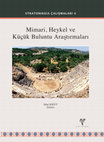
Stratonikeia’s north City Gate with two gateways with a nymphaeum in between stands on the north ... more Stratonikeia’s north City Gate with two gateways with a nymphaeum in between stands on the north fortification wall. Construction of this gate started after the earthquake in aD 139. the paved road starting from the west entrance of the north City Gate and trackable for some distance today constitutes the beginning of the sacred road that led to Hekate Sanctuary at lagina. the work at the east gateway brought to light two voussoirs with reliefs. these two voussoirs are related to the occasions of the statue of Zeus Panamaras brought to the city, which is also depicted on coins of the city, and bull sacrifice. this type of monumental gates are also known as cult structures to establish a relationship between settlements and their sanctuaries as well as enabling access. according to the findings and remains collected at the site, the west gateway should have been used when ceremonies were held at lagina and the east gateway when ceremonies were held at Panamara. Because the city had two sanctuaries, the north gate was constructed with two gateways.
Stratonikeia’dan Lagina’ya Ahmet Adil Tırpan Armağanı, (Ed. B. Söğüt), İstanbul, 2012,
The subject of this paper, tomb 07MM28 is located in Mengefe Mevkii, 2 km northwest of Hüsamlar V... more The subject of this paper, tomb 07MM28 is located in Mengefe Mevkii, 2 km northwest of Hüsamlar Village, in Milas district of Muğla. Mengefe is located 6 km north of Keramos. During the excavations carried out in Mengefe, settlement ruins and burials that are dating from Geometric period have been unearthed. One of major group of graves is chamber tombs with a dromos. One example in this group, grave 07MM28 extending in a north-south direction is built with natural slabs and mud. This grave contains inhumation burials and bronze fibulae, iron spearhead and a knife as burial gift. According to the finds, the first construction of this tomb dates back to Late Geometric period. It contains multiple burials. This paper is examining the architectural features and the grave goods.
Conference Presentations by M. Tuncay Özdemir
The aim of study is to examine the burial costums in Buldan county of Denizli province laying emp... more The aim of study is to examine the burial costums in Buldan county of Denizli province laying emphasis on the day-to-day reflections from the ancient periods to present. In order to determine burial customs in Buldan, 40 questionnaires were conducted especially for individuals over 50 years old and the data were compared with the results of the studies done in other regions. Later on, we attempted to determine their daily interactions, which arrived at the present day with these data compared with ancient burial customs. In Buldan, burial customs; three pre-death, post-death post-mortem and post-mortem divisions. Today’s practice, such as the usage of the symbols profession groups, grave gifts, dropping money and the pots at the grave, dead food, among some examples that may be associated with the ancient periods in this study. Besides, it is understood that some of whichgraves in Buldan Cemetery are made by emulating tombs used in antiquity. It has been found that some of the tombs in the Buldan Cemetery closely resemble the tombs of the Hiearapolis Necropolis near Buldan. For example, in cist graves and sarcophagi in Buldan Cemetery, human remain skeletons were laid in dorsal position, and the bones had collected from family graves were put into the chamber tombs. The inevitable ending of death for all and the pain of separation from their love has given universal character to the customs gathered around death all over the world. In respect, there are often remarkable resemblances between the traditions, beliefs and practices of various societies that have great distinctions between them, both geographically and culturally.
Books by M. Tuncay Özdemir
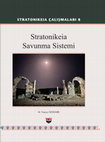
Stratonikeia Savunma Sistemi, 2023
Bu çalışmada “Stratonikeia Savunma Sistemi” ele alınmıştır. Stratonikeia antik kentinde bulunan s... more Bu çalışmada “Stratonikeia Savunma Sistemi” ele alınmıştır. Stratonikeia antik kentinde bulunan savunma yapılarının, özelliklerini ve bunların Karia Bölgesi’ndeki savunma sistemleriyle benzerliklerini ve farklılıkları ele alınmıştır. Bu doğrultuda savunmayı oluşturan Hellenistik Dönem öncesi Kadıkulesi Sığınma Kalesi, bu yapıya entegre kapı, kule ve savunma duvarları, Hellenistik Dönem savunma sistemine ait savunma duvarları, kuleleri ve Roma Dönemi’nde surdaki değişimle ona entegre edilen kapı çalışmamız dahilinde yer almıştır. Stratonikeia savunma sur plan ve tasarım, yapıların duvar örgü teknikleri, taktiksel ve savunma stratejileri açısından değerlendirilmiştir.
Stratonikeia territoriumu savunma sistemi Arkaik Döneme kadar gitmektedir. MÖ 6.-5. yy’da bugünkü ismiyle Kadıkulesi zirvesinin üstünde, Idrias ve çevresindeki yerli nüfusun güvenliğini sağlayan “Kadıkulesi Sığınma Kalesi” yer almaktadır. Stratonikeia territoriumunun hakimiyetinin Seleukosların eline geçtiği MÖ 260’lı yıllarında sonra Kadıkulesi Sığınma Kalesiyle birlikte tasarlanan Stratonikeia Savunma Sistemi yaklaşık 3600 m uzunluğunda “Büyük Çevrim” plan tipinde tasarlanmıştır. MÖ 260’lı yılında yapımına başlanan Stratonikeia Savunma Sisteminin, kentin Seleukoslar tarafından MÖ 240’lardan sonra Rhodos yönetimine bırakılmadan ama kesin olarak şunu söyleyebiliriz ki V. Philip’in kenti ele geçirmek için surun önüne dayandığı MÖ 201 yılında savunma açısından surun bitirilmiş olması gerekmektedir.
Stratonikeia territoriumu savunma sistemi Arkaik Döneme kadar gitmektedir. MÖ 6.-5. yy’da bugünkü ismiyle Kadıkulesi zirvesinin üstünde, Idrias ve çevresindeki yerli nüfusun güvenliğini sağlayan “Kadıkulesi Sığınma Kalesi” yer almaktadır. Stratonikeia territoriumunun hakimiyetinin Seleukosların eline geçtiği MÖ 260’lı yıllarında sonra Kadıkulesi Sığınma Kalesiyle birlikte tasarlanan Stratonikeia Savunma Sistemi yaklaşık 3600 m uzunluğunda “Büyük Çevrim” plan tipinde tasarlanmıştır. MÖ 260’lı yılında yapımına başlanan Stratonikeia Savunma Sisteminin, kentin Seleukoslar tarafından MÖ 240’lardan sonra Rhodos yönetimine bırakılmadan ama kesin olarak şunu söyleyebiliriz ki V. Philip’in kenti ele geçirmek için surun önüne dayandığı MÖ 201 yılında savunma açısından surun bitirilmiş olması gerekmektedir.