Papers Iberian Prehistory by Marcello Peres
Trabajos de Prehistoria, 2025
Los recintos de fosos del Calcolítico peninsular continúan representando un desafío para la inves... more Los recintos de fosos del Calcolítico peninsular continúan representando un desafío para la investigación arqueológica debido a la dificultad de comprender las motivaciones ideológicas, económicas, políticas o simplemente defensivas que impulsaron su construcción por parte de ciertas comunidades. Para abordar su organización económica, presentamos los resultados del estudio tecno-funcional integral del conjunto de materiales macrolíticos recuperado en el recinto de Los Melgarejos (Getafe, Madrid), datado entre 2675-2500 a. n. e. El yacimiento, de 3 ha de extensión, está delimitado por cinco fosos discontinuos concéntricos. La intervención preventiva excavó la totalidad de las estructuras y aproximadamente el 7 % de todos los fosos. Se recuperaron 550 ítems macrolíticos, entre ellos 283 artefactos, 219 fragmentos de roca y 48 cantos rodados, elaborados en rocas ígneas, sedimentarias y metamórficas. Su análisis ha permitido identificar una notable diversidad de actividades, valorar su relevancia en los procesos productivos y situar el yacimiento en un contexto comparativo dentro del Calcolítico peninsular. Finalmente, sugerimos distintos escenarios interpretativos en función de las evidencias disponibles.
The ditched enclosures of the Copper Age in the Iberian Peninsula remain a challenge for archaeological research due to the difficulty in understanding the ideological, economic, political, or simply defensive motivations that led certain communities to construct them. To explore their economic organization, we present the results of the comprehensive techno-functional study of the macrolithic assemblage recovered from the enclosure of Los Melgarejos (Getafe, Madrid), dated to 2675-2500 BCE. This site covers an area of 3-hectare and is bounded by five concentric, discontinuous ditches. The rescue excavation documented all structures and approximately 7 % of the ditches. A total of 550 macrolithic items were recovered, including 283 artefacts, 219 rock fragments, and 48 cobble stones, made from igneous, sedimentary, and metamorphic rocks. Their analysis has allowed us to identify a remarkable diversity of activities, assess their role in productive processes, and contextualize the site within the broader framework of the Iberian Copper Age. Finally, we propose different interpretative scenarios based on the available evidence.
In Blanco-González, A. and Alarcón-García, E. (eds.) 2025, A Social Archaeology of Kinship in Iberia and Beyond. Recent Multistranded Approaches from aDNA to Household Archaeology. Leiden: Sidestone Press, pp. 159-178, 2025
This chapter addresses the long-lasting custom of placing infant (perinatal and natal) burials in... more This chapter addresses the long-lasting custom of placing infant (perinatal and natal) burials inside dwellings in the northern half of Iberia during protohistory. The authors use archaeogenomics and statistical tools to identify consanguineous relationships (“biological kinship”) between a sample of analyzed infant individuals from several Early Iron Age villages in the Ebro basin. Genomic results indicate that these individuals had been selected and buried, presumably, for their unusual features, such as trisomies, Down and Edwards syndromes or for being twins. This case study demonstrates how archaeogenetics combined with highly detailed contextual information can provide hypotheses on the reasons for different burial treatments and how genetic data can be used to shed new light on the social groupings attached to residential buildings.
The Chalcolithic mega-site and ditched enclosure of Valencina de la Concepción (Seville, Spain) h... more The Chalcolithic mega-site and ditched enclosure of Valencina de la Concepción (Seville, Spain) has been extensively discussed regarding its functionality, funerary practices, and highly specialised crafts. However, little
attention has been given to understanding its socio-economic organization, particularly within the settlement area.
This study, part of a broader project investigating the northern part of this ca. 200 ha large settlement, employed a diachronic, techno-functional approach to analyse 635 macrolithic tools with the aim to discern tasks performed within habitation structures, raw material usage, and potential changes across the Chalcolithic period (3300–2200 cal BCE).
The analysis reveals patterns of a stable economy centred around daily subsistence activities and local resources, suggesting a diversified household-based economy rather than one focused on surplus accumulation. This approach challenges previous interpretations and provides evidence supporting Valencina’s characterization as a highly complex settlement and funerary site.
The social value of prehistoric axes –new archaeological and archaeometric approaches, 2024
A still ill-understood issue in Prehistoric metallurgy is the relatively late introduction of cla... more A still ill-understood issue in Prehistoric metallurgy is the relatively late introduction of clay and stone moulds, which mark the beginning of the serial production of metals. Since the second half of the 4th and throughout the 3rd millennia, moulds were widely used to produce a specific type of hafted axe in in the Circum-Pontic region as well as in Eastern Europe. Some of them were placed in so-called metallurgist graves: male burials with other metalworking tools and, often, with exceptional grave goods. Moreover, the representation of these axes held by soldiers, oficers, and rulers on stone stele and on wall decorations of Mesopotamian palaces reveals the use of these mould-made axes as specialised weapons and their central role in the making of the first armies and in early state formation. Although an exceptional number of Bronze Age stone moulds for casting axeheads have been found during the last decades in the Iberian Peninsula, their matrices have not been analysed from a chrono-typological and economic perspective. The study of the relation of casting matrices with metal axes not only allows to refine the dating of both but also to identify the metallurgical centres and exchange networks. To address these issues, a database has been prepared including all axe moulds published so far (n = 687) and a significant number of metal flat and flanged axes (n = 367) from Early to Late Bronze Age Iberia (c. 2200-1250 BC). It includes materials from 270 archaeological sites from all Iberian peninsular regions as well as the Balearic Islands. Our first analysis has focused on axe morphometry in order to 1) obtain taxonomic types with statistical significance, 2) define the chronology of these taxa, and 3) reveal the relations existing between moulds, metal axes, and their raw materials (arsenical copper as opposed to tin bronzes). Major results can be summarised as follows: • 12 taxonomic types of axes were determined, not all of which were produced using moulds. • Close relations were established between some taxonomic types, spatial and temporal distributions, and chemical signatures. • The spatial distribution of moulds suggests the development of clearly di%erentiated metal production centres in the Iberian Peninsula. • The majority of moulds produced only two taxonomic axe types, both of which were related to El Argar, thereby reinforcing their interpretation as weapons. • The presence of some of these axes and moulds outside the El Argar territory reveal the long-distance circulation and political/military interactions of El Argar with other regions. In sum, the results of a novel multidimensional methodology will be presented, which allows us to gain a deeper understanding of the organisation and social value of metal axe production and circulation during the Bronze Age of South-Western Europe.
Trabajos de Prehistoria, 2023
Towards an economic and social-exploitation archeology: reply to the comments to "Productive forc... more Towards an economic and social-exploitation archeology: reply to the comments to "Productive forces and relations of production in the centre and east of the Iberian Peninsula between 2200 and 1550 BCE"
Trabajos de Prehistoria, 2023
Entre ca. 2200-1550 a. n. e. se manifiesta una marcada dispersión de la población del cuadrante c... more Entre ca. 2200-1550 a. n. e. se manifiesta una marcada dispersión de la población del cuadrante centroriental de la península ibérica en asentamientos de pequeño tamaño y su enrocamiento en posiciones elevadas o fortificadas. Esta pauta de asentamiento, que prevalece durante más de seis siglos, resulta excepcional en la Edad del Bronce de Europa y difícilmente se explica sin una situación de conflicto social latente. El presente trabajo realiza un escrutinio de las principales evidencias productivas registradas en los 1.445 yacimientos documentados hasta el momento en un territorio de 117.444 km2 con el fin de determinar la distribución y organización de las fuerzas productivas. El análisis cuantitativo identifica diferencias económicas significativas entre asentamientos de llanura, de altura y en cuevas, así como entre poblados fortificados y no fortificados. Mientras los grupos culturales identificados, como Las Motillas o el Bronce Valenciano, compartieron los mismos medios de producción, El Argar se distingue de una forma nítida. Este contraste lleva a valorar si la particular organización económica y social de la periferia argárica puede entenderse como una respuesta de estas comunidades enrocadas y atomizadas al desarrollo expansivo de El Argar y su necesidad de obtener determinados recursos estratégicos. En definitiva, se presenta una metodología de estudio paleoeconómico en arqueología a partir de grandes series de datos procedentes tanto de prospecciones como de excavaciones. Between 2200-1550 cal BCE, a marked dispersion of the population in small settlements and their entrenchment in elevated or fortified locations is apparent in the central-eastern quadrant of the Iberian Peninsula. This settlement pattern, which prevails for more than six centuries, is exceptional in Bronze Age Europe and can hardly be explained without a situation of latent social conflict. The present study scrutinizes the main evidence for production recorded at 1.445 sites documented so far in a territory of 117.444 km2, in order to determine the distribution and organization of the productive forces. The quantitative analysis identifies significant economic differences between lowland, highland, and cave settlements, as well as between fortified and non-fortified settlements. While the conventional cultural groups, such as Las Motillas or the Bronce Valenciano, shared the same means of production, El Argar clearly stands out. This contrast leads us to assess whether the particular economic and social organization of the Argaric periphery can be understood as a response of these entrenched and atomized communities to the expansive development of El Argar and their need to obtain certain strategic resources. In short, a paleo-economic research methodology in archaeology is presented, based on large datasets from both surveys and excavations.
En J.A. López Padilla, R. Risch, J. Dani (Eds.), DINASTÍAS - Los Primeros Reinos de la Europa Prehistórica. Catálogo del MARQ, Museo Arqueológico de Alicante., 2024
Los Estados nación y sus fronteras determinan nuestra percepción del mundo actual, pero también n... more Los Estados nación y sus fronteras determinan nuestra percepción del mundo actual, pero también nuestras condiciones materiales de vida. Cualquier Estado, actual o antiguo, necesita gobernar sobre un territorio claramente delimitado, y las fronteras responden a este mecanismo de apropiación y control del espacio social. Desde la arqueología tenemos la oportunidad reveladora de estudiar como los primeros Estados desarrollaron e impusieron los primeros límites políticos. Es crucial tener en cuenta, tal y como nos recuerdan antropólogos como Pierre Clastres o James Scott, que las sociedades al margen de los Estados suelen ser conscientes de lo que implica la dominación por parte de un Estado y, muy frecuentemente, desarrollan estrategias de resistencia a su dominación. Es por eso que los Estados primigenios no pueden estudiarse “en un vacío”, sin tener en cuenta las consecuencias de su aparición para las sociedades de su alrededor.
Desperta Ferro. Arqueología e Historia. Nº. 58 (Ejemplar dedicado a: El Argar), págs. 12-19, 2024
La investigación interdisciplinar de los últimos diez años ha producido un avance sustancial en e... more La investigación interdisciplinar de los últimos diez años ha producido un avance sustancial en el conocimiento de lo que ocurrió en el III y II milenios antes de nuestra era (a. n. e.) y ha modificado de manera notable la forma de entender las sociedades de la Edad del Cobre y la primera Edad del Bronce en Europa. Si bien este desarrollo es un acierto de la ciencia actual, también nos obliga a ser cautos, pues nada indica que los descubrimientos de los próximos años no serán igual de sorprendentes y reveladores. Por tanto, ofrecer en estos momentos una síntesis de cómo se pudo haber formado la entidad arqueológica que definimos como El Argar en un contexto de cambios sociales en muchas partes del Mediterráneo y Europa tiene que ser entendido como una “meta volante” de una investigación en curso.
Kinship, Sex, and Biological Relatedness. The contribution of archaeogenetics to the understanding of social and biological relations. Tagungen des Landesmuseums für Vorgeschichte Halle, Vol. 28., 2023
The transition from the Late Bronze to the Iron Age on the Iberian Peninsula saw a shift in mortu... more The transition from the Late Bronze to the Iron Age on the Iberian Peninsula saw a shift in mortuary customs from mainly inhumation to cremation of the deceased. The poor preservation characteristic of cremated skeletal remains has hindered molecular analyses (isotope analyses, ancient DNA) of the Iberian Final Bronze and Iron Age communities of Iberia. Incidentally, a limited number of young children, often newborns, were exempt from the predominant cremation ritual, in favour of intramural inhumations inside buildings at certain settlements. The discourse surrounding the mean- ing and interpretation of this particular burial rite has developed over a long time in Iberian archaeology but has always been hampered by the limited anthropological, archaeological, and molecular data from these intramural inhumations. Here, we study the genomes of 37 intramurally buried children found in three Early Iron Age settlements, dated between c. 800–450 BC. Population genetic analyses on the newly reported individuals extend our understanding of ancient Iberia by revealing previously unsampled genetic diversity as well as showing a lesser influence of Mediterranean ancestry than on previously published Iron Age individuals from northern Spain. We also provide insights into the sex and biological relatedness of the children, and in so doing, elucidate differ- ent aspects of the intramural burial ritual and building use in settlements. More broadly, the genetic data from these individuals fill an important gap in the archaeogenetic record of northern Spain and offer a unique opportunity to study the genetic makeup and population changes from the Bronze Age to Antiquity.
Journal of Mediterranean Archaeology, 36(1), 102-126, 2023
During the Early Bronze Age (EBA), a relatively small number of European societies developed into... more During the Early Bronze Age (EBA), a relatively small number of European societies developed into highly centralised and hierarchical political entities. In contrast to the intensive research focused on these groups, little attention has been paid to their relationship with neighbouring populations, which had a much more egalitarian structure. In the southeast quadrant of the Iberian Peninsula, over a century of research on the EBA (ca. 2200-1550 BC) communities has failed to identify distinctive traits leading to the definition of archaeological entities beyond the El Argar group, which according to many authors reached the form of an early state organisation around 1750 BC. This study aims to go beyond previous culturalist approaches and to focus on how communities with very different social organisations interacted in this macro-region as well as in a border region between El Argar and La Mancha. To that effect, we analyse primarily settlement size as an expression of the demographic and economic strength of a community, and 'enrockment' (enrocamiento), a concept that defines the degree of protection and spatial distancing of a settlement from its surrounding land and neighbouring communities. This large-scale comparative approach reveals the distinctiveness of highly dispersed and well-protected communities settling in the belt immediately north of El Argar and shows how this cost-intensive strategy changes with increasing distance from El Argar, when flat land and often larger settlements become dominant. The combination of settlement patterns and economic organisation also highlights the marked differences between El Argar and all the other communities living in the Iberian Peninsula.
Trabajos de Prehistoria, 2022
Scrutiny of more than 100 years of archaeological research in the central-eastern part of the Ibe... more Scrutiny of more than 100 years of archaeological research in the central-eastern part of the Iberian peninsula has made it possible to document 1.445 settlements belonging to the Early Bronze Age (c. 2200-1550 BCE). The present work uses the information on the location, extension, duration and geographic distribution of these settlements to identify the population dynamics in force in an area of 177.444 km2 over approximately seven centuries. This analysis shows that the distribution and location of the settlements were the result of social strategies that involved the “castling” and atomization of communities, surely in a context of more or less latent conflicts and violence. The causes of this socio-political situation ‒ which is exceptional in the context of the Early Bronze Age of Europe and the Mediterranean ‒ are examined in the light of the profound environmental and social changes identified around the 23rd and 16th centuries BCE in many regions of Europe and the Near East, as well as in relation to the expansive and disruptive development of El Argar in the southeast of the Iberian peninsula.
Books by Marcello Peres
Tesis doctoral: Departament de Prehistòria - Universitat Autònoma de Barcelona, 2021
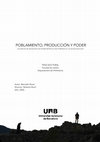
POBLAMIENTO, PRODUCCION Y PODER - Los patrones de asentamiento de la Edad del Bronce entre la Mes... more POBLAMIENTO, PRODUCCION Y PODER - Los patrones de asentamiento de la Edad del Bronce entre la Meseta Sur y el Levante peninsular
Autor: Marcello Peres
Director: Roberto Risch
Universitat Autònoma de Barcelona. Departament de Prehistòria.
Doctorado en Arqueología Prehistórica
Mención de Doctorado Internacional
Calificación: Excelente cum Laude
Defendida el 12-02-2021
RESUMEN:
[ESP]
La presente tesis de doctorado está dedicada al estudio de las dinámicas del poblamiento, de la organización de la producción y de las expresiones de poder económico y político que han caracterizado la Meseta Sur y el Levante peninsular a lo largo de la Edad del Bronce Antiguo y Medio (c. 2200-1550 cal ANE).
El objetivo es facilitar, a través de una perspectiva macroespacial y holística, la comprensión del proceso de cambio y ruptura ocurrido en la península ibérica entre el Calcolítico y la Edad del Bronce, considerando un marco geográfico unitario en un área donde la arqueología "culturalista" había creado fronteras basadas en criterios idealistas más que en la materialidad arqueológica.
El planteamiento metodológico se inspira a la "teoría de las prácticas y de las producciones sociales", y se pone el objetivo de analizar las formas históricas de la distancia social, tanto económica (disimetría social) como sexual (diferenciación sexual).
Para alcanzar estos objetivos, se han localizado e inventariado 1440 poblados de la Edad del Bronce en un área total de 117.000 km2.
La creación de una base de datos específica, la recopilación bibliográfica, el acceso a las cartas arqueológicas de las comunidades autónomas, las prospecciones de superficie utilizando instrumentación GPS y dron, y finalmente la creación de un SIG han favorecido la creación de una red de conexiones entre los datos geo-espaciales y los materiales arqueológicos analizados.
El capítulo 1 está dedicado a la definición de los objetivos de la investigación, del marco cronológico y geográfico examinado y de las metodologías interpretativas empleadas: estructura de la base de datos, fuentes bibliográficas y de archivo consultadas, los problemas y las variables tomadas en consideración, las técnicas de prospección empleadas, y el análisis geo-espacial realizado con el software QGIS.
El capítulo 2 aborda las dinámicas de la formación del espacio social, analizando la densidad del poblamiento, las pautas de asentamiento, el tamaño y la ubicación de los poblados, las fortificaciones, el desnivel interpuesto entre los poblados de altura y los llanos circundantes, las estructuras antrópicas y el aprovisionamiento hídrico. Después de estos análisis, se constata como la presencia de poblados de altura (tanto fortificados como sin fortificaciones) y más en general la protección del espacio social mediante la construcción de fortificaciones de piedra constituyen una absoluta discontinuidad con los patrones de asentamiento del Calcolítico, representando un clima de tensión social creciente y una incipiente jerarquización social.
El capítulo 3 analiza las formas de la producción social y las contextualiza en cada pauta de asentamiento: la caza y la guerra (puntas de flecha de sílex, de hueso y de cobre), la agricultura (dientes de hoz, silos subterráneos, silos de mampostería, grandes contenedores cerámicos y molinos para la producción de harinas), el procesado de productos lácteos (queseras), la tejeduría (pesas de telar), la hilatura (fusayolas), el trabajo del marfil (materia prima, preformas y productos acabados), y la metalurgia (mineral, escorias, crisoles, moldes de fundición).
El capítulo 4 pone en relación las ubicaciones y las formas de los espacios sociales con la gestión y el control de la producción, analizando las dinámicas socio-políticas que pueden haber generado las expresiones de poder y el clima de tensión que caracterizaban los territorios al norte de El Argar durante la Edad del Bronce.
ABSTRACT:
[ENG]
This doctoral thesis is dedicated to the study of the dynamics of settlement, the organization of production and the expressions of economic and political power that characterised the Meseta Sur and Levantine region of the Iberian Peninsula during the Early and Middle Bronze Age (c. 2200-1550 cal BCE).
The objective is to facilitate, through a macrospatial and holistic perspective, an understanding of the processes of change and rupture that occurred in the Iberian Peninsula between the Chalcolithic and the Bronze Age, considering a unitary geographical framework in an area where "culturalist" archaeology had created borders based on idealistic criteria rather than on archaeological materiality.
The methodological approach is inspired by the "theory of social practices and productions", and the objective is to analyse the historical forms of social distance, both economic (social dissymmetry) and sexual (sexual differentiation).
To achieve these objectives, 1440 Bronze Age settlement have been located and inventoried in a total area of 117.000 km2. The creation of a specific database, bibliographic compilation, access to the archaeological charts of the autonomous communities, surveys using GPS instrumentation and drone, and finally the creation of a GIS have allowed the creation of a network of connections between the geospatial data and the archaeological materials analysed.
Chapter 1 is dedicated to the definition of the research objectives, the chronological and geographical framework examined, and the interpretive methodologies used: structure of the database, bibliographic and archival sources consulted, the problems and the variables taken into consideration, the survey methods, and the geospatial analysis performed with the QGIS software.
Chapter 2 addresses the dynamics of the formation of social spaces, analysing the density of settlement, settlement patterns, extension and location of the settlements, fortifications, the unevenness between the hilltop settlements and the surrounding areas, the anthropic structures. After these analyses, it could be confirmed that the presence of hilltop settlements (both fortified and without fortifications) and, more generally, the protection of social space through the construction of stone fortifications constitutes an marked discontinuity with the settlement patterns of the Chalcolithic, and indicates growing social tension and an incipient social hierarchy.
Chapter 3 analyses the forms of social production and contextualizes them in each settlement pattern: hunting and warfare (flint, bone and copper arrowheads), agriculture (flint sickle teeth, underground silos, silos of masonry, large ceramic containers and grinding stones for the production of flour), the processing of dairy products ("queseras"), weaving (loom weights), spinning (fusayolas), ivory work (raw material, preforms and finished products) , and metallurgy (ore, slags, crucibles, foundry moulds).
Chapter 4 relates the locations and forms of social spaces with the management and control of production, analysing the socio-political dynamics that may have generated the expressions of power and the climate of tension that characterized the northern territories of El Argar during the Bronze Age.
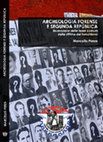
Il lavoro qui proposto è il risultato di una impellente necessità dell'autore di conciliare lo sf... more Il lavoro qui proposto è il risultato di una impellente necessità dell'autore di conciliare lo sforzo umano, tecnico e scientifico dell'archeologia con quelle che sono le pulsioni attuali della società e le urgenze culturali e storiche aliene all'ambito accademico su cui la disciplina si è consolidata.
La sempre più frequente applicazione delle metodologie e delle tecniche di indagine archeologica ai contesti di genocidio e di violazione dei diritti umani arricchisce di ulteriore significato e valore umanitario una disciplina che già di per se è abituata a scandagliare tracce umane silenziate e mappe di civiltà sconosciute, fra evidenze oggettive e fonti storiche di parte. Queste stesse mappe di civiltà possono essere oggi indagate fra le innumerevoli pieghe di una società complessa ed apparentemente iper-informata come quella attuale, affetta però della parzialità e partitarietà del dato informativo e dalla confusione della ripetitività delle informazioni con l'oggettività delle stesse.
L'individuazione e l'esumazione di una fossa comune contenente le vittime di una esecuzione extralegale comportano chiaramente un grande impatto emozionale sulla società interessata ed un altissimo rischio di manipolazione informativa e di strumentalizzazione politica.
In Colombia, per esempio, l'esumazione dei cosiddetti "falsos positivos" comporterà a breve l'apertura di processi per stabilire le responsabilità oggettive degli alti comandi dell'esercito, fra i quali risalta il nome dell'attuale Presidente della Repubblica, Manuel Santos.
Nei Balcani l'individuazione attraverso le fotografie aeree di una serie di fosse comuni ha giustificato un intervento militare internazionale contro le milizie di Milosevic.
In Argentina, l'ex dittatore Jorge Rafael Videla è stato condannato ad un ergastolo nel 1985 (ed il 22 Dicembre 2010 nuovamente condannato) per le responsabilità oggettive nella morte di trentamila oppositori.
In altri casi, come quello spagnolo in cui si parla di 150.000 oppositori politici "scomparsi", l'esumazione e l'identificazione delle vittime del franchismo vengono trattate dalle Istituzioni come un anacronistico tentativo progettuale delle sinistre di dividere il paese.
Evidentemente, la criticità e la drammaticità delle informazioni archeologiche ed antropologiche recuperate dalle fosse comuni del franchismo trascendono da quello che può essere il tradizionale coinvolgimento culturale (o legale!) delle Istituzioni davanti al rinvenimento di un sito archeologico. Effettivamente, nonostante il valore culturale, storico ed identitario di queste indagini, l'esumazione di una fossa comune risponde più precisamente alle necessità di verità, di giustizia e di riparazione dei familiari delle vittime.
L'identificazione di un corpo occultato ai bordi di una strada provinciale ha sicuramente come finalità primaria quella di restituirne i resti ed un ricordo "dignitoso" ai figli ed ai familiari, ma in un secondo momento può sollevare interrogativi sulle responsabilità individuali o istituzionali di questo assassinio. Individuare nei testi storici e letterari dell'epoca (come si farà in questa sede) una precisa traiettoria e pianificazione politica di sterminio dietro l'uccisione di tante persone può sfociare evidentemente in un processo giudiziario contro il franchismo, come quello aperto dal giudice Baltasar Garzón nel 2008.
Il grande dibattito generato da queste esumazioni e la netta presa di posizione ostruzionistica di parte delle istituzioni dimostrano l'importanza storica ed al tempo stesso l'attualità di queste ricerche, sia a livello umanitario, sia di documentazione inedita sia di crescita politica e sociale di un paese ancora alla ricerca di una identità pienamente democratica.
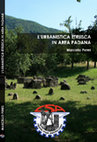
Si è scelto di affrontare il tema dell’urbanistica etrusca in un’area, quella padana, che ne ospi... more Si è scelto di affrontare il tema dell’urbanistica etrusca in un’area, quella padana, che ne ospita la piena realizzazione a partire dalla seconda metà del VI secolo a.C., in occasione di una radicale riorganizzazione territoriale con marcate finalità commerciali. Nel primo capitolo viene affrontato il problema dell’origine di quella che si può definire la “rivoluzione felsinea”, contrapponendo alla datata teoria delle colonizzazioni la possibilità che si tratti di una formazione autonoma. A tal fine viene confrontato il modello di progressiva urbanizzazione da tempo individuato per l’Etruria tirrenica con il processo sinecistico teorizzato per la Bologna pre-urbana. Il secondo capitolo è invece dedicato alla esplosione urbana del VI secolo in area padana, alle nuove fondazioni ed alle ri-fondazioni. Ad una prima definizione di quello che doveva essere il rito di fondazione etrusco, segue l’analisi del caso specifico di Marzabotto, per la quale è stata recentemente teorizzata una corrispondenza fra la forma urbana ed il modello cosmologico etrusco. Vengono individuate in Marzabotto le diverse fasi della progettazione e della fondazione, e si ricercano nelle altre città etrusco-padane analogie e differenze, nel tentativo di stabilire se si possa parlare di una esperienza urbana coerente ed omogenea oltre che semplicemente contemporanea e di matrice etrusca. L’ultimo capitolo, il terzo, è dedicato agli assetti urbani ed alle dinamiche da questi espresse. Il percorso vuole chiarire il rapporto fra le aree produttive e quelle abitative, l’eventuale distinzione delle aree pubbliche e religiose, la locazione delle necropoli e la presenza, o assenza, di strutture difensive, mettendo in relazione tutte queste dinamiche urbane con il più ampio quadro politico, economico e commerciale dell’Etruria padana.
Films by Marcello Peres
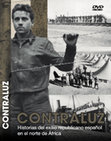
[ESP] Contraluz, dirigida por Marcello Peres y Nicola Tagliabue, es el segundo de una serie de do... more [ESP] Contraluz, dirigida por Marcello Peres y Nicola Tagliabue, es el segundo de una serie de documentales sobre el exilio republicano producidos por la Fundación Domingo Malagón en colaboración con Heracles Archaeology y con el patrocinio del Ministerio de Política Territorial y Memoria Democrática.
La película documenta el exilio, a partir de 1939, de decenas de miles de republicanos españoles hacia Argelia, Marruecos y Túnez. La huida de la flota y la aviación republicana hacia el otro lado del Mediterráneo, la dramática evacuación de civiles desde el puerto de Alicante con los últimos barcos disponibles, el testimonio directo de quienes vivieron la travesía en mar abierto de un Stanbrook sobrecargado de hasta 3028 pasajeros, la solidaridad ciudadana en el puerto de Orán, la llegada de la flota republicana en Bizerta, el traslado a los campos de concentración de Meheri-Zebbeus, Camp Morand, Foum Deflah, Bou Arfa y Kasserine, los trabajos forzosos en las minas de Kenadza y en las canteras de la línea ferroviaria Méditerranée-Niger, las vejaciones y las muertes olvidadas en pleno desierto, los campos de castigo de Djelfa y Hadjerat M’Guil. A través de fotografías históricas, videos actuales y testimonios orales, el documental rescata una de las páginas más desconocidas y olvidadas del exilio republicano. Contraluz es una historia difícil de mirar: escondida en las paginas amarillentas de diarios clandestinos, revelada en los detalles de fotografías arrugadas, silenciada por el tiempo, cubierta de arena, enterrada en cementerios profanados en el medio del desierto. El documental apuesta también por un cambio de perspectiva sobre el éxodo de refugiados a través del Mediterráneo, un fenómeno que no siempre ha sido unidireccional y que, en diversas ocasiones, estuvo marcado por la integración y la convivencia multicultural.
[ENG] Contraluz, directed by Marcello Peres and Nicola Tagliabue, is the second in a series of documentaries on Republican exile produced by the Domingo Malagón Foundation in collaboration with Heracles Archaeology and with the sponsorship of the Ministry of the Presidency, Parliamentary Relations and Democratic Memory.
The film documents the exile, from 1939 onwards, of tens of thousands of Spanish Republicans to Algeria, Morocco and Tunisia. The flight of the Republican fleet and aviation to the other side of the Mediterranean, the dramatic evacuation of civilians from the port of Alicante with the last available ships, the direct testimony of those who lived through the crossing of the open sea of a Stanbrook overloaded with up to 3028 passengers, the solidarity of the citizens in the port of Oran, the arrival of the Republican fleet in Bizerte, the transfer to the concentration camps of Meheri-Zebbeus, Camp Morand, Foum Deflah, Bou Arfa and Kasserine, the forced labour in the mines of Kenadza and in the quarries of the Méditerranée-Niger railway line, the humiliations and deaths forgotten in the middle of the desert, the punishment camps of Djelfa and Hadjerat M'Guil. Through historical photographs, present-day videos and oral testimonies, the documentary rescues one of the most unknown and forgotten pages of the Republican exile. “Contraluz” is a story that is difficult to watch: hidden in the yellowed pages of clandestine personal diary, revealed in the details of wrinkled photographs, silenced by time, covered by sand, buried in desecrated cemeteries in the middle of the desert. The documentary also aims to change the perspective on the exodus of refugees across the Mediterranean, a phenomenon that has not always been unidirectional and that, on several occasions, has been marked by integration and multicultural coexistence.
[ESP]
Toulouse la Rouge, dirigida por Marcello Peres y Nicola Tagliabue, es el primero de una se... more [ESP]
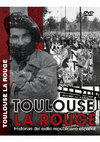
Toulouse la Rouge, dirigida por Marcello Peres y Nicola Tagliabue, es el primero de una serie de documentales sobre el exilio republicano producidos por la Fundación Domingo Malagón en colaboración con Heracles Archaeology y con el patrocinio del Ministerio de la Presidencia Relaciones con las Cortes y Memoria Democrática. La película documenta el éxodo entre 1936-1939 de centenas de miles de republicanos españoles hacia Francia para huir de la barbarie de la guerra y de la persecución politica del régimen franquista. La detención en los campos de concentración franceses de Argelès-sur-Mer, Vernet d’Ariège y Récébédou, las peripecias por todo el Mediterráneo y el drama de los campos de concentración de Auschwitz y Mauthausen son la antecámara de un largo exilio político, que para muchos durará hasta el 1978. Toulouse la Rouge es un reconocimiento y un homenaje al heroísmo, el altruismo y la resiliencia de todas las exiliadas y los exiliados que desde Francia han resistido y luchado durante décadas para un país libre de dictadura, fascismo y monarquía. Toulouse fue el epicentro de la reorganización de la guerrilla, de los partidos, sindicatos, juventudes y movimientos sociales españoles en el exilio. El documental muestra con fotografías históricas, videos actuales y testimonios orales el fermento político y social que se respiraba en la ciudad francesa con el mayor número de refugiados españoles: la fundación del Hospital Varsovia, las escuelas de guerrilla, la operación Val d’Aran, la reorganización del PCE, del PSOE, la CNT, la UGT, los mítines multitudinarios, las reuniones encubiertas en la Place du Capitole y en la Bourse du Travail, la prensa clandestina, la operación Bolero-Paprika, los peligrosos viajes bajo identidad ficticia a Madrid y Barcelona, las detenciones en la Cárcel Modelo, son elementos fundacionales y embrionarios de la historia democrática de España. Toulouse la Rouge, Toulouse la española, sigue viviendo en los relatos y en las miradas de sus protagonistas.
[ENG]
Toulouse la Rouge, directed by Marcello Peres and Nicola Tagliabue, is the first in a series of documentaries about the republican exile produced by the Fundación Domingo Malagón in collaboration with Heracles Archeology and with the support of the Ministerio de la Presidencia, Relaciones con las Cortes y Memoria Democràtica. The film documents the exodus between 1936-1939 of hundreds of thousands of Spanish republicans to France to escape the barbarity of the war and the political persecution of the Franco regime. The detention in the french concentration camps of Argelès-sur-Mer, Vernet d'Ariège and Récébédou, the adventures throughout the Mediterranean and the drama of the Auschwitz and Mauthausen concentration camps are the antechamber of a long political exile, which for many of them it will last until 1978. Toulouse la Rouge is a acknowledgment and tribute to the heroism, altruism and resilience of all the exiles who from France have resisted and fought for decades for a country free of dictatorship, fascism and monarchy. Toulouse was the epicenter of the reorganization of the guerrilla, the spanish parties, unions, youth and social movements in exile. The documentary shows with historical photographs, current videos and oral testimonies the political and social ferment that was breathed in the french city with the largest number of spanish refugees: the founding of the Hospital Varsovia, the guerrilla schools, the Val d'Aran operation, the reorganization of the PCE, the PSOE, the CNT, the UGT, the massive meetings, the covert assemblies in the Place du Capitole and in the Bourse du Travail, the clandestine press, the Bolero-Paprika operation, the dangerous trips under a fictitious identity to Madrid and Barcelona, the detentions in the Modelo prison, are founding and embryonic elements of the democratic history of Spain. Toulouse la Rouge, Toulouse "la española", continues to live in the stories and in the gazes of its protagonists.
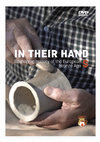
Co-Direction of the documentary-film "In Their Hands - Reshaping pottery of the European Bronze A... more Co-Direction of the documentary-film "In Their Hands - Reshaping pottery of the European Bronze Age"
With the support of the Creative Europe Programme of the European Union
CREATIVE EUROPE
In the framework of the Crafting Europe in the Bronze Age and Today
CRAFTER PROYECT
Produced by
ASOME - Universitat Autònoma de Barcelona
Original idea:
Roberto Risch
Directed by
Marcello Peres and Nicola Tagliabue
In collaboration with:
Thomas Claus
Csaba Balogh
Vladan Caricic Tzar
In co-production with:
Asociación de Amigos del Yacimiento Arqueológico de La Bastida
Museo Ciudad de Mula
Zavičajni Muzej Paraćin
Magyar Tudományos Akadémia BTK Régészeti Intézet
Déri Múzeum, Debrecen
Landesmuseum für Vorgeschichte Halle (Saale)
CHAPTER 1 - EL ARGAR
Country: Spain
Direction: Marcello Peres and Nicola Tagliabue
Production: Heracles Archaeology
Photography: Nicola Tagliabue
Screenplay: Carlos Velasco Felipe, Marcello Peres
Camera: Nicola Tagliabue
Post-Production: Nicola Tagliabue
Audio: Marcello Peres
Clay Artist: Pedro Navarro Díaz
Potter Assistants: Carlos Velasco Felipe, Miguel Valério
Experts: Eva Celdrán Beltrán, Selina Delgado Raack, María Inés Fregeiro,
David Gómez Gras, Vicente Lull, Rafael Micó, Claudia Molero Alonso,
Camila Oliart, Cristina Rihuete Herrada, Roberto Risch, Carlos Velasco Felipe
CHAPTER 2 - ÚNĚTICE
Country: Germany
Direction: Thomas Claus
Production: Bettina Stoll-Tucker
Camera: Felix Greif
Assistant: Simon Hückstett
Post-Production: Christian Grewe
Clay Artist: Beatrix Weißflog
Experts: Ralf Schwarz, Sven Koch, Bettina Stoll-Tucker
CHAPTER 3 - FÜZESABONY
Country: Hungary
Direction: Csaba Balogh
Production: Csaba Balogh
Camera: Zoltán Faur, Ákos Jurás, Csaba Balogh
Post-Production: Ákos Jurás
Assistant 1: Balázs Wieszner
Assistant 2: József Csörgő
Clay Artist: László Gucsi
Potter Assistant: Balázs Péter Horváth
Experts: Vajk Szeverényi, , Anna Priskin, János Dani, Ágnes Király, Gabriella Kulcsár, Viktória Kiss
CHAPTER 4 - VATIN
Country: Serbia
Direction: Vladan Caricic Tzar
Production: Vladan Caricic Tzar
Screenplay: Vesna Vuckovic and Vladan Caricic Tzar
Director of photography: Bojan Rakic
Second camera: Darko Stetin
Camera assistant: Mikailo Tomic
Direction assistant: Luka Predja
Post-Production: Branislav Godic
Music: Vladimir Milacic
Clay Artist: Dejan Jovanovic
Experts: Vesna Vuckovic, Vojislav Filipovic, Branislav Stojanovic, Jovan Mitrovic
INTRODUCTION:
Country: Spain
Clay modelling: Pedro Navarro Díaz
Temper crushing: Francisco Romera Zamora
Pottery burnishing: Miguel Valério
Basketry: Pedro Ortiz Mármol
Make-up: Eva Celdrán Beltrán
Trailer: https://www.youtube.com/watch?v=id-NQVBEmqE
Full film: https://www.youtube.com/watch?v=p0B1IkOIUP4
Regia e testi del documentario "Deep Time Crabs - I granchi fossili del vicentino".
Sinossi:
... more Regia e testi del documentario "Deep Time Crabs - I granchi fossili del vicentino".
Sinossi:
Ideato e promosso dagli "Amici del Museo Zannato" di Montecchio Maggiore, il film documenta le attività di ricerca pulizia e studio che il gruppo di studiosi svolge da anni con lo scopo di salvaguardare e valorizzare il patrimonio paleontologico, soprattutto carcinologico, del territorio vicentino. Una immersione del tutto inedita in un mondo acquatico che non esiste più.
Regia: Marcello Peres e Nicola Tagliabue
Produzione: Heracles Archaeology
Consulenza scientifica: Andrea Checchi e Claudio Beschin
Anno: 2018
Durata: '28
Lingua: Italiano, Spagnolo, Inglese
In collaborazione con la Soprintendenza Archeologica del Veneto
Video Trailer: https://www.youtube.com/watch?v=YU6Xr70SJAQ
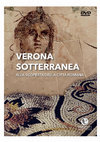
Regia e testi del documentario "Verona Sotterranea - Alla scoperta della città romana".
Sinossi:... more Regia e testi del documentario "Verona Sotterranea - Alla scoperta della città romana".
Sinossi:
Verona è una città di fondazione e impostazione romana, ricca di monumenti splendidamente conservati e fruibili come l'Arena, il Teatro Romano, il Ponte Pietra, Porta Borsari, Porta Leoni e l'Arco dei Gavi.
Ma esiste anche una città sotterranea, che ci parla più profondamente della vita domestica e degli spazi pubblici, dei processi produttivi e del commercio, di potere, religione e schiavitù.
Il film è stato prodotto nel 2018 da Heracles Archaeology in collaborazione con il Centro Studi Archeologici.
Su concessione del Ministero dei Beni e delle Attività Culturali e del Turismo, Soprintendenza Archeologia, Belle Arti e Paesaggio per le province di Verona, Vicenza e Rovigo. RIPRODUZIONE VIETATA
Regia: Marcello Peres e Nicola Tagliabue
Produzione: Heracles Archaeology
Direzione scientifica: Marcello Peres
Direzione fotografia: Nicola Tagliabue
Anno: 2018
Durata: '25
Lingua: Italiano, Spagnolo, Inglese
Video Trailer: https://www.youtube.com/watch?v=p6eedILiVeA
Regia, testi e ricerca storica per il documentario archeologico "VERONA ROMANA - Oltre il Tempo".... more Regia, testi e ricerca storica per il documentario archeologico "VERONA ROMANA - Oltre il Tempo".
Il documentario abbraccia le evidenze monumentali più universalmente riconusciute (l'Arena di Verona, il Teatro Romano, il Ponte Pietra, l'Arco dei Gavi, Porta Leoni e Porta Borsari) completando la comprensione di questa magnifica epoca storica con uno sguardo assolutamente inedito alla Verona sotterranea.
"Verona romana" è il primo volume della collana di documentari archeologici "Oltre il Tempo": un rilancio tecnologico per rivivere il passato.
Film realizzato in collaborazione con la Soprintendenza archeologica del Veneto e con il Centro Studi Archeologici.


Uploads
Papers Iberian Prehistory by Marcello Peres
The ditched enclosures of the Copper Age in the Iberian Peninsula remain a challenge for archaeological research due to the difficulty in understanding the ideological, economic, political, or simply defensive motivations that led certain communities to construct them. To explore their economic organization, we present the results of the comprehensive techno-functional study of the macrolithic assemblage recovered from the enclosure of Los Melgarejos (Getafe, Madrid), dated to 2675-2500 BCE. This site covers an area of 3-hectare and is bounded by five concentric, discontinuous ditches. The rescue excavation documented all structures and approximately 7 % of the ditches. A total of 550 macrolithic items were recovered, including 283 artefacts, 219 rock fragments, and 48 cobble stones, made from igneous, sedimentary, and metamorphic rocks. Their analysis has allowed us to identify a remarkable diversity of activities, assess their role in productive processes, and contextualize the site within the broader framework of the Iberian Copper Age. Finally, we propose different interpretative scenarios based on the available evidence.
attention has been given to understanding its socio-economic organization, particularly within the settlement area.
This study, part of a broader project investigating the northern part of this ca. 200 ha large settlement, employed a diachronic, techno-functional approach to analyse 635 macrolithic tools with the aim to discern tasks performed within habitation structures, raw material usage, and potential changes across the Chalcolithic period (3300–2200 cal BCE).
The analysis reveals patterns of a stable economy centred around daily subsistence activities and local resources, suggesting a diversified household-based economy rather than one focused on surplus accumulation. This approach challenges previous interpretations and provides evidence supporting Valencina’s characterization as a highly complex settlement and funerary site.
Books by Marcello Peres
Autor: Marcello Peres
Director: Roberto Risch
Universitat Autònoma de Barcelona. Departament de Prehistòria.
Doctorado en Arqueología Prehistórica
Mención de Doctorado Internacional
Calificación: Excelente cum Laude
Defendida el 12-02-2021
RESUMEN:
[ESP]
La presente tesis de doctorado está dedicada al estudio de las dinámicas del poblamiento, de la organización de la producción y de las expresiones de poder económico y político que han caracterizado la Meseta Sur y el Levante peninsular a lo largo de la Edad del Bronce Antiguo y Medio (c. 2200-1550 cal ANE).
El objetivo es facilitar, a través de una perspectiva macroespacial y holística, la comprensión del proceso de cambio y ruptura ocurrido en la península ibérica entre el Calcolítico y la Edad del Bronce, considerando un marco geográfico unitario en un área donde la arqueología "culturalista" había creado fronteras basadas en criterios idealistas más que en la materialidad arqueológica.
El planteamiento metodológico se inspira a la "teoría de las prácticas y de las producciones sociales", y se pone el objetivo de analizar las formas históricas de la distancia social, tanto económica (disimetría social) como sexual (diferenciación sexual).
Para alcanzar estos objetivos, se han localizado e inventariado 1440 poblados de la Edad del Bronce en un área total de 117.000 km2.
La creación de una base de datos específica, la recopilación bibliográfica, el acceso a las cartas arqueológicas de las comunidades autónomas, las prospecciones de superficie utilizando instrumentación GPS y dron, y finalmente la creación de un SIG han favorecido la creación de una red de conexiones entre los datos geo-espaciales y los materiales arqueológicos analizados.
El capítulo 1 está dedicado a la definición de los objetivos de la investigación, del marco cronológico y geográfico examinado y de las metodologías interpretativas empleadas: estructura de la base de datos, fuentes bibliográficas y de archivo consultadas, los problemas y las variables tomadas en consideración, las técnicas de prospección empleadas, y el análisis geo-espacial realizado con el software QGIS.
El capítulo 2 aborda las dinámicas de la formación del espacio social, analizando la densidad del poblamiento, las pautas de asentamiento, el tamaño y la ubicación de los poblados, las fortificaciones, el desnivel interpuesto entre los poblados de altura y los llanos circundantes, las estructuras antrópicas y el aprovisionamiento hídrico. Después de estos análisis, se constata como la presencia de poblados de altura (tanto fortificados como sin fortificaciones) y más en general la protección del espacio social mediante la construcción de fortificaciones de piedra constituyen una absoluta discontinuidad con los patrones de asentamiento del Calcolítico, representando un clima de tensión social creciente y una incipiente jerarquización social.
El capítulo 3 analiza las formas de la producción social y las contextualiza en cada pauta de asentamiento: la caza y la guerra (puntas de flecha de sílex, de hueso y de cobre), la agricultura (dientes de hoz, silos subterráneos, silos de mampostería, grandes contenedores cerámicos y molinos para la producción de harinas), el procesado de productos lácteos (queseras), la tejeduría (pesas de telar), la hilatura (fusayolas), el trabajo del marfil (materia prima, preformas y productos acabados), y la metalurgia (mineral, escorias, crisoles, moldes de fundición).
El capítulo 4 pone en relación las ubicaciones y las formas de los espacios sociales con la gestión y el control de la producción, analizando las dinámicas socio-políticas que pueden haber generado las expresiones de poder y el clima de tensión que caracterizaban los territorios al norte de El Argar durante la Edad del Bronce.
ABSTRACT:
[ENG]
This doctoral thesis is dedicated to the study of the dynamics of settlement, the organization of production and the expressions of economic and political power that characterised the Meseta Sur and Levantine region of the Iberian Peninsula during the Early and Middle Bronze Age (c. 2200-1550 cal BCE).
The objective is to facilitate, through a macrospatial and holistic perspective, an understanding of the processes of change and rupture that occurred in the Iberian Peninsula between the Chalcolithic and the Bronze Age, considering a unitary geographical framework in an area where "culturalist" archaeology had created borders based on idealistic criteria rather than on archaeological materiality.
The methodological approach is inspired by the "theory of social practices and productions", and the objective is to analyse the historical forms of social distance, both economic (social dissymmetry) and sexual (sexual differentiation).
To achieve these objectives, 1440 Bronze Age settlement have been located and inventoried in a total area of 117.000 km2. The creation of a specific database, bibliographic compilation, access to the archaeological charts of the autonomous communities, surveys using GPS instrumentation and drone, and finally the creation of a GIS have allowed the creation of a network of connections between the geospatial data and the archaeological materials analysed.
Chapter 1 is dedicated to the definition of the research objectives, the chronological and geographical framework examined, and the interpretive methodologies used: structure of the database, bibliographic and archival sources consulted, the problems and the variables taken into consideration, the survey methods, and the geospatial analysis performed with the QGIS software.
Chapter 2 addresses the dynamics of the formation of social spaces, analysing the density of settlement, settlement patterns, extension and location of the settlements, fortifications, the unevenness between the hilltop settlements and the surrounding areas, the anthropic structures. After these analyses, it could be confirmed that the presence of hilltop settlements (both fortified and without fortifications) and, more generally, the protection of social space through the construction of stone fortifications constitutes an marked discontinuity with the settlement patterns of the Chalcolithic, and indicates growing social tension and an incipient social hierarchy.
Chapter 3 analyses the forms of social production and contextualizes them in each settlement pattern: hunting and warfare (flint, bone and copper arrowheads), agriculture (flint sickle teeth, underground silos, silos of masonry, large ceramic containers and grinding stones for the production of flour), the processing of dairy products ("queseras"), weaving (loom weights), spinning (fusayolas), ivory work (raw material, preforms and finished products) , and metallurgy (ore, slags, crucibles, foundry moulds).
Chapter 4 relates the locations and forms of social spaces with the management and control of production, analysing the socio-political dynamics that may have generated the expressions of power and the climate of tension that characterized the northern territories of El Argar during the Bronze Age.
La sempre più frequente applicazione delle metodologie e delle tecniche di indagine archeologica ai contesti di genocidio e di violazione dei diritti umani arricchisce di ulteriore significato e valore umanitario una disciplina che già di per se è abituata a scandagliare tracce umane silenziate e mappe di civiltà sconosciute, fra evidenze oggettive e fonti storiche di parte. Queste stesse mappe di civiltà possono essere oggi indagate fra le innumerevoli pieghe di una società complessa ed apparentemente iper-informata come quella attuale, affetta però della parzialità e partitarietà del dato informativo e dalla confusione della ripetitività delle informazioni con l'oggettività delle stesse.
L'individuazione e l'esumazione di una fossa comune contenente le vittime di una esecuzione extralegale comportano chiaramente un grande impatto emozionale sulla società interessata ed un altissimo rischio di manipolazione informativa e di strumentalizzazione politica.
In Colombia, per esempio, l'esumazione dei cosiddetti "falsos positivos" comporterà a breve l'apertura di processi per stabilire le responsabilità oggettive degli alti comandi dell'esercito, fra i quali risalta il nome dell'attuale Presidente della Repubblica, Manuel Santos.
Nei Balcani l'individuazione attraverso le fotografie aeree di una serie di fosse comuni ha giustificato un intervento militare internazionale contro le milizie di Milosevic.
In Argentina, l'ex dittatore Jorge Rafael Videla è stato condannato ad un ergastolo nel 1985 (ed il 22 Dicembre 2010 nuovamente condannato) per le responsabilità oggettive nella morte di trentamila oppositori.
In altri casi, come quello spagnolo in cui si parla di 150.000 oppositori politici "scomparsi", l'esumazione e l'identificazione delle vittime del franchismo vengono trattate dalle Istituzioni come un anacronistico tentativo progettuale delle sinistre di dividere il paese.
Evidentemente, la criticità e la drammaticità delle informazioni archeologiche ed antropologiche recuperate dalle fosse comuni del franchismo trascendono da quello che può essere il tradizionale coinvolgimento culturale (o legale!) delle Istituzioni davanti al rinvenimento di un sito archeologico. Effettivamente, nonostante il valore culturale, storico ed identitario di queste indagini, l'esumazione di una fossa comune risponde più precisamente alle necessità di verità, di giustizia e di riparazione dei familiari delle vittime.
L'identificazione di un corpo occultato ai bordi di una strada provinciale ha sicuramente come finalità primaria quella di restituirne i resti ed un ricordo "dignitoso" ai figli ed ai familiari, ma in un secondo momento può sollevare interrogativi sulle responsabilità individuali o istituzionali di questo assassinio. Individuare nei testi storici e letterari dell'epoca (come si farà in questa sede) una precisa traiettoria e pianificazione politica di sterminio dietro l'uccisione di tante persone può sfociare evidentemente in un processo giudiziario contro il franchismo, come quello aperto dal giudice Baltasar Garzón nel 2008.
Il grande dibattito generato da queste esumazioni e la netta presa di posizione ostruzionistica di parte delle istituzioni dimostrano l'importanza storica ed al tempo stesso l'attualità di queste ricerche, sia a livello umanitario, sia di documentazione inedita sia di crescita politica e sociale di un paese ancora alla ricerca di una identità pienamente democratica.
Films by Marcello Peres
La película documenta el exilio, a partir de 1939, de decenas de miles de republicanos españoles hacia Argelia, Marruecos y Túnez. La huida de la flota y la aviación republicana hacia el otro lado del Mediterráneo, la dramática evacuación de civiles desde el puerto de Alicante con los últimos barcos disponibles, el testimonio directo de quienes vivieron la travesía en mar abierto de un Stanbrook sobrecargado de hasta 3028 pasajeros, la solidaridad ciudadana en el puerto de Orán, la llegada de la flota republicana en Bizerta, el traslado a los campos de concentración de Meheri-Zebbeus, Camp Morand, Foum Deflah, Bou Arfa y Kasserine, los trabajos forzosos en las minas de Kenadza y en las canteras de la línea ferroviaria Méditerranée-Niger, las vejaciones y las muertes olvidadas en pleno desierto, los campos de castigo de Djelfa y Hadjerat M’Guil. A través de fotografías históricas, videos actuales y testimonios orales, el documental rescata una de las páginas más desconocidas y olvidadas del exilio republicano. Contraluz es una historia difícil de mirar: escondida en las paginas amarillentas de diarios clandestinos, revelada en los detalles de fotografías arrugadas, silenciada por el tiempo, cubierta de arena, enterrada en cementerios profanados en el medio del desierto. El documental apuesta también por un cambio de perspectiva sobre el éxodo de refugiados a través del Mediterráneo, un fenómeno que no siempre ha sido unidireccional y que, en diversas ocasiones, estuvo marcado por la integración y la convivencia multicultural.
[ENG] Contraluz, directed by Marcello Peres and Nicola Tagliabue, is the second in a series of documentaries on Republican exile produced by the Domingo Malagón Foundation in collaboration with Heracles Archaeology and with the sponsorship of the Ministry of the Presidency, Parliamentary Relations and Democratic Memory.
The film documents the exile, from 1939 onwards, of tens of thousands of Spanish Republicans to Algeria, Morocco and Tunisia. The flight of the Republican fleet and aviation to the other side of the Mediterranean, the dramatic evacuation of civilians from the port of Alicante with the last available ships, the direct testimony of those who lived through the crossing of the open sea of a Stanbrook overloaded with up to 3028 passengers, the solidarity of the citizens in the port of Oran, the arrival of the Republican fleet in Bizerte, the transfer to the concentration camps of Meheri-Zebbeus, Camp Morand, Foum Deflah, Bou Arfa and Kasserine, the forced labour in the mines of Kenadza and in the quarries of the Méditerranée-Niger railway line, the humiliations and deaths forgotten in the middle of the desert, the punishment camps of Djelfa and Hadjerat M'Guil. Through historical photographs, present-day videos and oral testimonies, the documentary rescues one of the most unknown and forgotten pages of the Republican exile. “Contraluz” is a story that is difficult to watch: hidden in the yellowed pages of clandestine personal diary, revealed in the details of wrinkled photographs, silenced by time, covered by sand, buried in desecrated cemeteries in the middle of the desert. The documentary also aims to change the perspective on the exodus of refugees across the Mediterranean, a phenomenon that has not always been unidirectional and that, on several occasions, has been marked by integration and multicultural coexistence.
Toulouse la Rouge, dirigida por Marcello Peres y Nicola Tagliabue, es el primero de una serie de documentales sobre el exilio republicano producidos por la Fundación Domingo Malagón en colaboración con Heracles Archaeology y con el patrocinio del Ministerio de la Presidencia Relaciones con las Cortes y Memoria Democrática. La película documenta el éxodo entre 1936-1939 de centenas de miles de republicanos españoles hacia Francia para huir de la barbarie de la guerra y de la persecución politica del régimen franquista. La detención en los campos de concentración franceses de Argelès-sur-Mer, Vernet d’Ariège y Récébédou, las peripecias por todo el Mediterráneo y el drama de los campos de concentración de Auschwitz y Mauthausen son la antecámara de un largo exilio político, que para muchos durará hasta el 1978. Toulouse la Rouge es un reconocimiento y un homenaje al heroísmo, el altruismo y la resiliencia de todas las exiliadas y los exiliados que desde Francia han resistido y luchado durante décadas para un país libre de dictadura, fascismo y monarquía. Toulouse fue el epicentro de la reorganización de la guerrilla, de los partidos, sindicatos, juventudes y movimientos sociales españoles en el exilio. El documental muestra con fotografías históricas, videos actuales y testimonios orales el fermento político y social que se respiraba en la ciudad francesa con el mayor número de refugiados españoles: la fundación del Hospital Varsovia, las escuelas de guerrilla, la operación Val d’Aran, la reorganización del PCE, del PSOE, la CNT, la UGT, los mítines multitudinarios, las reuniones encubiertas en la Place du Capitole y en la Bourse du Travail, la prensa clandestina, la operación Bolero-Paprika, los peligrosos viajes bajo identidad ficticia a Madrid y Barcelona, las detenciones en la Cárcel Modelo, son elementos fundacionales y embrionarios de la historia democrática de España. Toulouse la Rouge, Toulouse la española, sigue viviendo en los relatos y en las miradas de sus protagonistas.
[ENG]
Toulouse la Rouge, directed by Marcello Peres and Nicola Tagliabue, is the first in a series of documentaries about the republican exile produced by the Fundación Domingo Malagón in collaboration with Heracles Archeology and with the support of the Ministerio de la Presidencia, Relaciones con las Cortes y Memoria Democràtica. The film documents the exodus between 1936-1939 of hundreds of thousands of Spanish republicans to France to escape the barbarity of the war and the political persecution of the Franco regime. The detention in the french concentration camps of Argelès-sur-Mer, Vernet d'Ariège and Récébédou, the adventures throughout the Mediterranean and the drama of the Auschwitz and Mauthausen concentration camps are the antechamber of a long political exile, which for many of them it will last until 1978. Toulouse la Rouge is a acknowledgment and tribute to the heroism, altruism and resilience of all the exiles who from France have resisted and fought for decades for a country free of dictatorship, fascism and monarchy. Toulouse was the epicenter of the reorganization of the guerrilla, the spanish parties, unions, youth and social movements in exile. The documentary shows with historical photographs, current videos and oral testimonies the political and social ferment that was breathed in the french city with the largest number of spanish refugees: the founding of the Hospital Varsovia, the guerrilla schools, the Val d'Aran operation, the reorganization of the PCE, the PSOE, the CNT, the UGT, the massive meetings, the covert assemblies in the Place du Capitole and in the Bourse du Travail, the clandestine press, the Bolero-Paprika operation, the dangerous trips under a fictitious identity to Madrid and Barcelona, the detentions in the Modelo prison, are founding and embryonic elements of the democratic history of Spain. Toulouse la Rouge, Toulouse "la española", continues to live in the stories and in the gazes of its protagonists.
With the support of the Creative Europe Programme of the European Union
CREATIVE EUROPE
In the framework of the Crafting Europe in the Bronze Age and Today
CRAFTER PROYECT
Produced by
ASOME - Universitat Autònoma de Barcelona
Original idea:
Roberto Risch
Directed by
Marcello Peres and Nicola Tagliabue
In collaboration with:
Thomas Claus
Csaba Balogh
Vladan Caricic Tzar
In co-production with:
Asociación de Amigos del Yacimiento Arqueológico de La Bastida
Museo Ciudad de Mula
Zavičajni Muzej Paraćin
Magyar Tudományos Akadémia BTK Régészeti Intézet
Déri Múzeum, Debrecen
Landesmuseum für Vorgeschichte Halle (Saale)
CHAPTER 1 - EL ARGAR
Country: Spain
Direction: Marcello Peres and Nicola Tagliabue
Production: Heracles Archaeology
Photography: Nicola Tagliabue
Screenplay: Carlos Velasco Felipe, Marcello Peres
Camera: Nicola Tagliabue
Post-Production: Nicola Tagliabue
Audio: Marcello Peres
Clay Artist: Pedro Navarro Díaz
Potter Assistants: Carlos Velasco Felipe, Miguel Valério
Experts: Eva Celdrán Beltrán, Selina Delgado Raack, María Inés Fregeiro,
David Gómez Gras, Vicente Lull, Rafael Micó, Claudia Molero Alonso,
Camila Oliart, Cristina Rihuete Herrada, Roberto Risch, Carlos Velasco Felipe
CHAPTER 2 - ÚNĚTICE
Country: Germany
Direction: Thomas Claus
Production: Bettina Stoll-Tucker
Camera: Felix Greif
Assistant: Simon Hückstett
Post-Production: Christian Grewe
Clay Artist: Beatrix Weißflog
Experts: Ralf Schwarz, Sven Koch, Bettina Stoll-Tucker
CHAPTER 3 - FÜZESABONY
Country: Hungary
Direction: Csaba Balogh
Production: Csaba Balogh
Camera: Zoltán Faur, Ákos Jurás, Csaba Balogh
Post-Production: Ákos Jurás
Assistant 1: Balázs Wieszner
Assistant 2: József Csörgő
Clay Artist: László Gucsi
Potter Assistant: Balázs Péter Horváth
Experts: Vajk Szeverényi, , Anna Priskin, János Dani, Ágnes Király, Gabriella Kulcsár, Viktória Kiss
CHAPTER 4 - VATIN
Country: Serbia
Direction: Vladan Caricic Tzar
Production: Vladan Caricic Tzar
Screenplay: Vesna Vuckovic and Vladan Caricic Tzar
Director of photography: Bojan Rakic
Second camera: Darko Stetin
Camera assistant: Mikailo Tomic
Direction assistant: Luka Predja
Post-Production: Branislav Godic
Music: Vladimir Milacic
Clay Artist: Dejan Jovanovic
Experts: Vesna Vuckovic, Vojislav Filipovic, Branislav Stojanovic, Jovan Mitrovic
INTRODUCTION:
Country: Spain
Clay modelling: Pedro Navarro Díaz
Temper crushing: Francisco Romera Zamora
Pottery burnishing: Miguel Valério
Basketry: Pedro Ortiz Mármol
Make-up: Eva Celdrán Beltrán
Trailer: https://www.youtube.com/watch?v=id-NQVBEmqE
Full film: https://www.youtube.com/watch?v=p0B1IkOIUP4
Sinossi:
Ideato e promosso dagli "Amici del Museo Zannato" di Montecchio Maggiore, il film documenta le attività di ricerca pulizia e studio che il gruppo di studiosi svolge da anni con lo scopo di salvaguardare e valorizzare il patrimonio paleontologico, soprattutto carcinologico, del territorio vicentino. Una immersione del tutto inedita in un mondo acquatico che non esiste più.
Regia: Marcello Peres e Nicola Tagliabue
Produzione: Heracles Archaeology
Consulenza scientifica: Andrea Checchi e Claudio Beschin
Anno: 2018
Durata: '28
Lingua: Italiano, Spagnolo, Inglese
In collaborazione con la Soprintendenza Archeologica del Veneto
Video Trailer: https://www.youtube.com/watch?v=YU6Xr70SJAQ
Sinossi:
Verona è una città di fondazione e impostazione romana, ricca di monumenti splendidamente conservati e fruibili come l'Arena, il Teatro Romano, il Ponte Pietra, Porta Borsari, Porta Leoni e l'Arco dei Gavi.
Ma esiste anche una città sotterranea, che ci parla più profondamente della vita domestica e degli spazi pubblici, dei processi produttivi e del commercio, di potere, religione e schiavitù.
Il film è stato prodotto nel 2018 da Heracles Archaeology in collaborazione con il Centro Studi Archeologici.
Su concessione del Ministero dei Beni e delle Attività Culturali e del Turismo, Soprintendenza Archeologia, Belle Arti e Paesaggio per le province di Verona, Vicenza e Rovigo. RIPRODUZIONE VIETATA
Regia: Marcello Peres e Nicola Tagliabue
Produzione: Heracles Archaeology
Direzione scientifica: Marcello Peres
Direzione fotografia: Nicola Tagliabue
Anno: 2018
Durata: '25
Lingua: Italiano, Spagnolo, Inglese
Video Trailer: https://www.youtube.com/watch?v=p6eedILiVeA
Il documentario abbraccia le evidenze monumentali più universalmente riconusciute (l'Arena di Verona, il Teatro Romano, il Ponte Pietra, l'Arco dei Gavi, Porta Leoni e Porta Borsari) completando la comprensione di questa magnifica epoca storica con uno sguardo assolutamente inedito alla Verona sotterranea.
"Verona romana" è il primo volume della collana di documentari archeologici "Oltre il Tempo": un rilancio tecnologico per rivivere il passato.
Film realizzato in collaborazione con la Soprintendenza archeologica del Veneto e con il Centro Studi Archeologici.