Books by Massimiliano Savorra
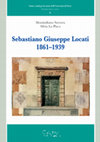
Architetto, disegnatore, docente prima presso l’Accademia di Belle Arti di Milano e poi presso l’... more Architetto, disegnatore, docente prima presso l’Accademia di Belle Arti di Milano e poi presso l’Università di Pavia, Sebastiano Giuseppe Locati (1861-1939) è stato tra i maggiori protagonisti della cultura architettonica italiana tra Otto e Novecento. Nel 1906, Locati raggiunse l’apice della sua carriera quando fu nominato direttore artistico generale della grande Esposizione Internazionale di Milano, per celebrare l’apertura del nuovo tunnel ferroviario del Sempione. In questa occasione, progettò l’ingresso principale dalla forma ellittica, riproducendo le due estremità del tunnel, insieme a vari padiglioni, tra cui il padiglione della Mostra Nazionale di Belle Arti e l’edificio dell’Acquario. Oltre a proporre una visione di sintesi, finora mai tracciata, della sua biografia, e restituire un quadro di ampio respiro della sua attività professionale e didattica, il libro offre per la prima volta il catalogo dei suoi disegni, conservati presso l’Archivio Disegni del Dipartimento di Ingegneria Civile e Architettura dell’Università di Pavia.
Based largely on unpublished documentation and little-known printed sources, the book addresses f... more Based largely on unpublished documentation and little-known printed sources, the book addresses for the first time the architectural history of the Mother and Child Houses built by ONMI (Opera Nazionale Maternità e Infanzia) during the years of fascism, and opens at the same time a series of questions on the architecture-race theme. The reflection born around the role of the client also allows us to investigate certain aspects related to the concept of rationalist architecture as a representation of the health issues of fascism, through the search for a correlation between the original projects, buildings and functional and symbolic programs. Also because after the Second World War, the Mother and Child Houses survived (unlike other regime buildings), continuing to perform to some extent the functions for which they were born, albeit with new meanings. These buildings were, in fact, the object of an absolutely necessary "re-signification", since they had an ideological component in their genesis, in the specific case racist, no longer acceptable in the changed historical-political context.
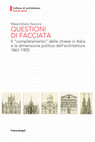
Il fenomeno di costruire facciate di chiese antiche e monumentali, da secoli senza "volti", nel s... more Il fenomeno di costruire facciate di chiese antiche e monumentali, da secoli senza "volti", nel secondo Ottocento conosce nuovi significati a partire dal primo concorso per la cattedrale di Santa Maria del Fiore a Firenze (1861), giungendo all'acme in piena età umbertina, con i concorsi irrisolti per la basilica di San Petronio a Bologna e per il duomo di Milano, e con le innumerevoli facciate di chiese realizzate (Amalfi, Savona, Napoli, Arezzo, Pavia e molte altre). Tale fenomeno coinvolse non solo validi architetti, raffinati eruditi e critici attenti, ma anche uomini politici, amministrazioni civiche e soprattutto cittadini, mediante i comitati promotori e le tante associazioni di raccolta fondi, chiamati a discutere di temi artistici centrali per la cultura identitaria. Esito di una pluriennale ricerca, condotta in numerosi archivi e biblioteche, il libro offre una inedita chiave di lettura del fenomeno, indagando la complessità dei rapporti tra Stato e Chiesa, tra gruppi antipapali e gruppi clericali, e analizzando le singole vicende nel contesto più ampio della rifondazione laica del sistema politico, che da oltre quarant'anni, fin dall'affermarsi del liberalismo cavouriano risorgimentale, stava tentando di imporsi.
Tra ricerca del passato, controversie sulla conservazione, finalità politiche e senso della storia nazionale, il fenomeno si esaurisce nei primi anni del Novecento, quando il dibattito sui monumenti della Terza Italia, quali simulacri del pensiero e dell'identità civile, si sposta verso altre questioni. Analizzando documenti inediti e fonti a stampa poco note, il libro "affronta - come scrive Fabio Mangone nella prefazione - un tema di grande importanza e di grande rilevanza nella vicenda storica dell'architettura post-unitaria, rimasto nel suo complesso - al di là di encomiabili approfondimenti monografici - negletto e inesplorato".
The phenomenon of building the façades of ancient and monumental churches, which had been without 'faces' for centuries, took on new significance in the second half of the 19th century, starting with the first competition for the cathedral of Santa Maria del Fiore in Florence (1861), reaching its acme in the height of the Umbertine era, with the unresolved competitions for the basilica of San Petronio in Bologna and the cathedral of Milan, and with the countless church façades that were built (Amalfi, Savona, Naples, Arezzo, Pavia and many others). This phenomenon involved not only talented architects, refined scholars and attentive critics, but also politicians, civic administrations and, above all, citizens, through the promotion committees and the many fund-raising associations, who were called upon to discuss artistic themes central to identity culture. The result of many years of research, conducted in numerous archives and libraries, the book offers a new key to interpreting the phenomenon, investigating the complexity of relations between State and Church, between anti-papal and clerical groups, and analysing the individual events in the broader context of the secular re-foundation of the political system, which had been attempting to impose itself for over forty years, ever since the rise of Cavour's Risorgimento liberalism.
Between research into the past, controversies over preservation, political aims and the sense of national history, the phenomenon came to an end in the early 20th century, when the debate on the monuments of the Third Italy, as simulacra of thought and civil identity, shifted to other issues. Analysing previously unpublished documents and little-known printed sources, the book "tackles - as Fabio Mangone writes in the preface - a topic of great importance and relevance in the historical vicissitude of post-unification architecture, which has remained neglected and unexplored as a whole - beyond praiseworthy monographic studies".
Tra ricerca del passato, controversie sulla conservazione, finalità politiche e senso della storia nazionale, il fenomeno si esaurisce nei primi anni del Novecento, quando il dibattito sui monumenti della Terza Italia, quali simulacri del pensiero e dell'identità civile, si sposta verso altre questioni. Analizzando documenti inediti e fonti a stampa poco note, il libro "affronta - come scrive Fabio Mangone nella prefazione - un tema di grande importanza e di grande rilevanza nella vicenda storica dell'architettura post-unitaria, rimasto nel suo complesso - al di là di encomiabili approfondimenti monografici - negletto e inesplorato".
The phenomenon of building the façades of ancient and monumental churches, which had been without 'faces' for centuries, took on new significance in the second half of the 19th century, starting with the first competition for the cathedral of Santa Maria del Fiore in Florence (1861), reaching its acme in the height of the Umbertine era, with the unresolved competitions for the basilica of San Petronio in Bologna and the cathedral of Milan, and with the countless church façades that were built (Amalfi, Savona, Naples, Arezzo, Pavia and many others). This phenomenon involved not only talented architects, refined scholars and attentive critics, but also politicians, civic administrations and, above all, citizens, through the promotion committees and the many fund-raising associations, who were called upon to discuss artistic themes central to identity culture. The result of many years of research, conducted in numerous archives and libraries, the book offers a new key to interpreting the phenomenon, investigating the complexity of relations between State and Church, between anti-papal and clerical groups, and analysing the individual events in the broader context of the secular re-foundation of the political system, which had been attempting to impose itself for over forty years, ever since the rise of Cavour's Risorgimento liberalism.
Between research into the past, controversies over preservation, political aims and the sense of national history, the phenomenon came to an end in the early 20th century, when the debate on the monuments of the Third Italy, as simulacra of thought and civil identity, shifted to other issues. Analysing previously unpublished documents and little-known printed sources, the book "tackles - as Fabio Mangone writes in the preface - a topic of great importance and relevance in the historical vicissitude of post-unification architecture, which has remained neglected and unexplored as a whole - beyond praiseworthy monographic studies".
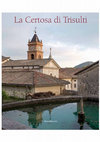
Outcome of a multidisciplinary knowledge path, this book on the Certosa of Trisulti near Collepar... more Outcome of a multidisciplinary knowledge path, this book on the Certosa of Trisulti near Collepardo presents for the first time a series of studies, carried out by a research group coordinated by the Università del Molise, on an extraordinary architectural asset.
Developed within the seismic verification project of the State Museums, promoted by the Ministero per i Beni e le Attività Culturali e Turismo and by ARCUS S.p.A. in collaboration with the ReLUIS Interuniversity Consortium, this path, created as part of the seismic risk prevention and mitigation policies, also allows a rereading of the Carthusian monastery, thanks also to the contributions of scholars who have dealt with the theme of the Charterhouse, not only in Italy, through crossed looks and wider contextualizations.
Multiform and exceptional architectural palimpsest inserted in an uncontaminated landscape, the monastic complex of the Certosa of Trisulti, with the church, the cells, the cloisters, the pharmacy, the refectory, the grange and other functional structures, also revives in the drawings and the poetics photographic images of intense evocative value.
Developed within the seismic verification project of the State Museums, promoted by the Ministero per i Beni e le Attività Culturali e Turismo and by ARCUS S.p.A. in collaboration with the ReLUIS Interuniversity Consortium, this path, created as part of the seismic risk prevention and mitigation policies, also allows a rereading of the Carthusian monastery, thanks also to the contributions of scholars who have dealt with the theme of the Charterhouse, not only in Italy, through crossed looks and wider contextualizations.
Multiform and exceptional architectural palimpsest inserted in an uncontaminated landscape, the monastic complex of the Certosa of Trisulti, with the church, the cells, the cloisters, the pharmacy, the refectory, the grange and other functional structures, also revives in the drawings and the poetics photographic images of intense evocative value.
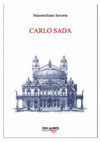
Autore del celeberrimo teatro Massimo Vincenzo Bellini di Catania, inaugurato nel 1890, il milane... more Autore del celeberrimo teatro Massimo Vincenzo Bellini di Catania, inaugurato nel 1890, il milanese Carlo Sada (1849- 1924) è stato uno dei protagonisti della cultura architettonica siciliana, tanto da diventare tra Otto e Novecento il più importante professionista al servizio della borghesia e dell'aristocrazia catanese.
Formatosi prima all'Accademia di Brera e poi a Roma presso l'Accademia di San Luca, Sada acquistò notevole esperienza con Andrea Scala, all'epoca il più autorevole architetto di teatri ed edifici per lo spettacolo: al suo seguito, il giovane Sada arrivò a Catania per collaborare con il maestro alla realizzazione dell'importante teatro cittadino allora denominato “Nuovaluce”. Nella città etnea, dove trascorrerà il resto della sua vita, e in tutta la Sicilia orientale, ottiene ben presto numerosissimi incarichi: dalle residenze private ai palazzi pubblici, dai completamenti di chiese al disegno di cappelle ed edicole funerarie. Sada partecipò anche a prestigiosi concorsi nazionali e internazionali inserendosi, con il suo linguaggio eclettico, in quegli orizzonti culturali cosmopoliti che gli consentirono – al pari dei Basile e di Damiani Almeyda – di affermarsi come uno dei più aggiornati architetti operanti nella Sicilia fin de siècle.
Il libro propone una visione di sintesi – finora mai tracciata – della sua biografia, restituendo al contempo un quadro di ampio respiro della sua attività professionale. Grazie allo studio dei materiali documentari, iconografici e a stampa, editi e inediti, conservati in diversi archivi, nonché attraverso la riproduzione di immagini (d'epoca e attuali), si ricostruisce qui l'affascinante vicenda della realizzazione di molte sue opere e la genesi di importanti progetti rimasti sulla carta.
Author of the celebrated Massimo Vincenzo Bellini theatre in Catania, inaugurated in 1890, the Milanese Carlo Sada (1849- 1924) was one of the protagonists of Sicilian architectural culture, so much so that between the 19th and 20th century he became the most important professional in the service of the Catania bourgeoisie and aristocracy. Trained first at the Brera Academy and then in Rome at the Academy of San Luca, Sada gained considerable experience with Andrea Scala, at the time the most authoritative architect of theatres and buildings for the performing arts: following him, the young Sada arrived in Catania to collaborate with the maestro on the construction of the important city theatre then called 'Nuovaluce'. In the city of Catania, where he would spend the rest of his life, and throughout eastern Sicily, he soon obtained numerous commissions: from private residences to public buildings, from the completion of churches to the design of chapels and funerary aedicules. Sada also took part in prestigious national and international competitions, inserting himself, with his eclectic language, in those cosmopolitan cultural horizons that allowed him - like Basile and Damiani Almeyda - to establish himself as one of the most up-to-date architects working in Sicily at the end of the century. The book offers a synthesis - never before outlined - of his biography, while providing a wide-ranging picture of his professional activity. Thanks to the study of documentary, iconographic and printed materials, both published and unpublished, conserved in various archives, as well as through the reproduction of images (from the period and present day), the fascinating story of the realisation of many of his works and the genesis of important projects that remained on paper is reconstructed here.
Formatosi prima all'Accademia di Brera e poi a Roma presso l'Accademia di San Luca, Sada acquistò notevole esperienza con Andrea Scala, all'epoca il più autorevole architetto di teatri ed edifici per lo spettacolo: al suo seguito, il giovane Sada arrivò a Catania per collaborare con il maestro alla realizzazione dell'importante teatro cittadino allora denominato “Nuovaluce”. Nella città etnea, dove trascorrerà il resto della sua vita, e in tutta la Sicilia orientale, ottiene ben presto numerosissimi incarichi: dalle residenze private ai palazzi pubblici, dai completamenti di chiese al disegno di cappelle ed edicole funerarie. Sada partecipò anche a prestigiosi concorsi nazionali e internazionali inserendosi, con il suo linguaggio eclettico, in quegli orizzonti culturali cosmopoliti che gli consentirono – al pari dei Basile e di Damiani Almeyda – di affermarsi come uno dei più aggiornati architetti operanti nella Sicilia fin de siècle.
Il libro propone una visione di sintesi – finora mai tracciata – della sua biografia, restituendo al contempo un quadro di ampio respiro della sua attività professionale. Grazie allo studio dei materiali documentari, iconografici e a stampa, editi e inediti, conservati in diversi archivi, nonché attraverso la riproduzione di immagini (d'epoca e attuali), si ricostruisce qui l'affascinante vicenda della realizzazione di molte sue opere e la genesi di importanti progetti rimasti sulla carta.
Author of the celebrated Massimo Vincenzo Bellini theatre in Catania, inaugurated in 1890, the Milanese Carlo Sada (1849- 1924) was one of the protagonists of Sicilian architectural culture, so much so that between the 19th and 20th century he became the most important professional in the service of the Catania bourgeoisie and aristocracy. Trained first at the Brera Academy and then in Rome at the Academy of San Luca, Sada gained considerable experience with Andrea Scala, at the time the most authoritative architect of theatres and buildings for the performing arts: following him, the young Sada arrived in Catania to collaborate with the maestro on the construction of the important city theatre then called 'Nuovaluce'. In the city of Catania, where he would spend the rest of his life, and throughout eastern Sicily, he soon obtained numerous commissions: from private residences to public buildings, from the completion of churches to the design of chapels and funerary aedicules. Sada also took part in prestigious national and international competitions, inserting himself, with his eclectic language, in those cosmopolitan cultural horizons that allowed him - like Basile and Damiani Almeyda - to establish himself as one of the most up-to-date architects working in Sicily at the end of the century. The book offers a synthesis - never before outlined - of his biography, while providing a wide-ranging picture of his professional activity. Thanks to the study of documentary, iconographic and printed materials, both published and unpublished, conserved in various archives, as well as through the reproduction of images (from the period and present day), the fascinating story of the realisation of many of his works and the genesis of important projects that remained on paper is reconstructed here.
GNA Esponente di un'eccentrica élite di protagonisti della vita artistica e culturale torinese, i... more GNA Esponente di un'eccentrica élite di protagonisti della vita artistica e culturale torinese, interprete del gusto di un'agiata classe sociale, «sciatore appassionato dall'estetica perfetta di curve mirabolanti», nonché abile fotografo e audace sperimentatore in più campi, Carlo Mollino, oltre che di architettura, si interessò di aviazione, di design e di moda, senza escludere dalla sua ricerca anche il cinema, la scenografia, la letteratura e soprattutto la montagna. Quest'ultima divenne, a partire dagli anni trenta del Novecento, una passione che lo porterà -oltre che a concepire arditi e originali progetti architettonici -a pubblicare nel 1950 il libro Introduzione al discesismo 1 .
sommario 6 Luciano Baldessari e i padiglioni Breda alla Fiera di Milano 10 La committenza Breda 1... more sommario 6 Luciano Baldessari e i padiglioni Breda alla Fiera di Milano 10 La committenza Breda 14 Costruire una "corporate image" alla Fiera di Milano del dopoguerra 20 Processo ideativo e architetture pubblicitarie 23 1951: un "mammuth" della tecnica 29 1952: un fiore sbocciato all'improvviso 35 1953: il "mondo" della Breda 37 1954: un'ala per librarsi nell'aria 41 Allestimenti silenziosi e altri progetti per la Fiera di Milano apparati 189 Scritti su Luciano Baldessari e i padiglioni alla Fiera di Milano 200 Cenni biografici 205 Fonti d'archivio e indicazioni bibliografiche 207 Indice dei nomi 208 Referenze fotografiche 209 Ringraziamenti 8 9
Essays by Massimiliano Savorra
This paper explores the architectural and socio- political legacy of the Case della madre e del b... more This paper explores the architectural and socio- political legacy of the Case della madre e del bambino, welfare buildings developed by the Opera Nazionale Maternità e Infanzia (ONMI) during Fascist Italy, with a focus on their design, function, and postwar reuse. Originally conceived to serve women and children through a rationalist and non-rhetorical architectural language, these buildings reflected the regime’s eugenic policies while avoiding overt ideological symbolism. Drawing on the thoughts of Giuseppe Pagano, the study highlights how these “ordinary” architectures modest, functional, and unadorned, embodied a unique civic and hygienic modernity, which allowed for their continued use and reinterpretation after the fall of Fascism. Rather than being demolished or ideologically purged, many ONMI buildings were silently re- semantized and adapted for new uses, becoming enduring elements of urban welfare infrastructure throughout postwar Italy.
Through selected case studies from Mortara to Udine and Rome, the article assesses preservation challenges, contemporary values, and the feasibility of sustainable reuse strategies. In doing so, it contributes to the broader debate on the conservation of fascist- era buildings that lack commemorative symbolism but remain embedded in the everyday fabric of cities. The paper argues that these non-monumental structures, long considered “minor architecture,” merit recognition as part of Italy’s architectural heritage—not despite their origins, but because of the complex historical layers they represent and the continued social function they can fulfill.
Through selected case studies from Mortara to Udine and Rome, the article assesses preservation challenges, contemporary values, and the feasibility of sustainable reuse strategies. In doing so, it contributes to the broader debate on the conservation of fascist- era buildings that lack commemorative symbolism but remain embedded in the everyday fabric of cities. The paper argues that these non-monumental structures, long considered “minor architecture,” merit recognition as part of Italy’s architectural heritage—not despite their origins, but because of the complex historical layers they represent and the continued social function they can fulfill.
Massimiliano Savorra’s contribution, Open Questions and Reflections for Urban History: Between Me... more Massimiliano Savorra’s contribution, Open Questions and Reflections for Urban History: Between Memory, Representation, and Disciplinary Intersections, offers a collective reflection on the current prospects of urban history, building on the outcomes of the AISU Intersezioni seminar held in Naples in May 2024. Using the evocative metaphor of a “point cloud,” the author captures the complexity of themes, conceptual nodes, and research trajectories that emerge from the interweaving of art history, urban history, and representational practices.
The text outlines key issues: from the dialectic between originality and reproduction to the critical use of cartographic sources; from the devices of figuration and spatial configuration to the memorial ambiguities embedded in monuments and “nonuments.” Special attention is given to the processes of constructing and deconstructing collective memory, and to the disciplinary plurality of urban history conceived not as a closed field but as an open arena for methodological exchange and contamination.
Thus emerges the urgent need to rethink urban history as a “history without adjectives,” open to reflections on how to narrate and interpret cities, monuments, and urban landscapes, while questioning the potential for new synergies between the humanities and digital tools. In the wake of Henri Lefebvre’s legacy and more recent critical developments, the text calls on scholars and young researchers alike to explore the tensions between space, memory, representation, and urban design as fertile grounds for future interdisciplinary investigations.
The text outlines key issues: from the dialectic between originality and reproduction to the critical use of cartographic sources; from the devices of figuration and spatial configuration to the memorial ambiguities embedded in monuments and “nonuments.” Special attention is given to the processes of constructing and deconstructing collective memory, and to the disciplinary plurality of urban history conceived not as a closed field but as an open arena for methodological exchange and contamination.
Thus emerges the urgent need to rethink urban history as a “history without adjectives,” open to reflections on how to narrate and interpret cities, monuments, and urban landscapes, while questioning the potential for new synergies between the humanities and digital tools. In the wake of Henri Lefebvre’s legacy and more recent critical developments, the text calls on scholars and young researchers alike to explore the tensions between space, memory, representation, and urban design as fertile grounds for future interdisciplinary investigations.
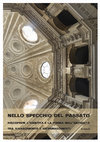
This essay explores the mythic appropriation and reinterpretation of the Italian Renaissance — es... more This essay explores the mythic appropriation and reinterpretation of the Italian Renaissance — especially the iconic image of Michelangelo’s dome of St. Peter’s — in the architectural identity of American government buildings from the late 18th century to the early 20th century. By tracing how American architects, patrons, and political elites embraced Renaissance forms as symbolic frameworks for modern democracy, the study reveals a dynamic process of cultural transfer. The dome, as both sacred and secular symbol, became the central architectural element of the U.S. Capitol and its many state counterparts, projecting ideals of unity, power, and civic pride. The essay shows how this architectural borrowing was not mere imitation but an imaginative reinvention that infused American national identity with European humanistic models, producing monumental “temples of democracy” that still shape the urban landscape and collective memory today.
Charles Garnier, like many architects, also wrote. He was interested in architecture, theater, ar... more Charles Garnier, like many architects, also wrote. He was interested in architecture, theater, art, chronicles of the present, as well as monuments of the past, archaeology, and theories. In addition to a remarkable mastery of drawing, Garnier distinguished himself by an extraordinary talent as a writer, evidenced by the wide and multiform series of texts in which his “plume précise et colorée” emerged. And like drawing, writing was a tool for communicating his aesthetic thought and a precise worldview.
Naturally, his reflections were influenced as much by the context of the great Haussmannian transformations and the academic disquisitions that arose at the École des Beaux-Arts as by the discussions that arose on the occasion of the great exhibitions or by the circumstances and encounters, sometimes conflicting, he had during the many years on the building site of the Opéra. Along with that of a polemicist and passionate engagé, the architect also manifested a skill as a theorist and popularizer, trying his hand at works for the general public, as evidenced by his collaboration with Auguste Amman in the ambitious volume L'habitation humaine , published in 1892 and appearing following the construction of the buildings in the 1889 Paris Exposition Universelle . His voice was constantly heard on matters related to artistic creation in general; he composed songs, poems and orations for the inauguration of monuments, texts for commemorations, speeches intended for public sessions of the Académie des Beaux-Arts and reports for various ministerial commissions .
In 1985, François Loyer, in the preface to the reissue of the volume À travers les arts. Causeries et mélanges, a collection of writings and articles published by Garnier in 1869, highlighted the importance of those texts for understanding his architecture. Similarly, in 1990, Georges Banu emphasized, in the introductory essay to the 1871 reprint of Le Théâtre, the importance of writings revealing a modern way of thinking about the theater. Yet despite these reissues, few have paid attention to Garnier as a writer, and his dramatic work still awaits rediscovery. Therefore, in this essay an attempt will be made to analyze some of his texts, with the aim of reflecting on the architect's relationship with writing and theater, proposing a new way of interpreting and understanding his work.
Naturally, his reflections were influenced as much by the context of the great Haussmannian transformations and the academic disquisitions that arose at the École des Beaux-Arts as by the discussions that arose on the occasion of the great exhibitions or by the circumstances and encounters, sometimes conflicting, he had during the many years on the building site of the Opéra. Along with that of a polemicist and passionate engagé, the architect also manifested a skill as a theorist and popularizer, trying his hand at works for the general public, as evidenced by his collaboration with Auguste Amman in the ambitious volume L'habitation humaine , published in 1892 and appearing following the construction of the buildings in the 1889 Paris Exposition Universelle . His voice was constantly heard on matters related to artistic creation in general; he composed songs, poems and orations for the inauguration of monuments, texts for commemorations, speeches intended for public sessions of the Académie des Beaux-Arts and reports for various ministerial commissions .
In 1985, François Loyer, in the preface to the reissue of the volume À travers les arts. Causeries et mélanges, a collection of writings and articles published by Garnier in 1869, highlighted the importance of those texts for understanding his architecture. Similarly, in 1990, Georges Banu emphasized, in the introductory essay to the 1871 reprint of Le Théâtre, the importance of writings revealing a modern way of thinking about the theater. Yet despite these reissues, few have paid attention to Garnier as a writer, and his dramatic work still awaits rediscovery. Therefore, in this essay an attempt will be made to analyze some of his texts, with the aim of reflecting on the architect's relationship with writing and theater, proposing a new way of interpreting and understanding his work.
This contribution examines the role of the automobile as both a tool and an issue at a crucial mo... more This contribution examines the role of the automobile as both a tool and an issue at a crucial moment in the debate about historic city centers. «Le vie d’Italia» magazine of the Italian Touring Club is analysed as a litmus test to understand the conflicts that arise between consumer behaviours, bureaucratic practices of public administrators, and the stances of intellectuals, theorists, and planners regarding the use and abuse of the automobile between the Fifties and Sixties.
How can digital tools relate to the history of architecture, and what identities can virtual spac... more How can digital tools relate to the history of architecture, and what identities can virtual spaces have in respect of the monuments of the past? Recently, digital approaches have been applied in many different areas of the humanities, leading to the emergence of a major new cross-disciplinary field that brings together disparate. The digital approach is a common denominator in specialised research and teaching as well as in archival practices, dissemination and publishing. This paper aims to outline a panorama of current research issues, challenges and practices between Digital Humanities and Digital Cultural Heritage, and to present some case studies addressed in the DAda and PLAY Lab at the University of Pavia.
Nm sgd a'rhr ne vdkk,'qshbtk'sdc ok'mr ne d'bg tmhudqrhsx+ k'v 530 ne 0856 'kknvr hm Hs'kx sgd ah... more Nm sgd a'rhr ne vdkk,'qshbtk'sdc ok'mr ne d'bg tmhudqrhsx+ k'v 530 ne 0856 'kknvr hm Hs'kx sgd ahqsg ne mdv onkdr 'mc sgd dwo'mrhnm ne dwhrshmf rsqtbstqdr-ftd bnmsqhatshnm oqnonrdr 'm 'm'kxrhr ne sgd k'v 'mc hsr dfldbsr+ hcdmshexhmf rnld b'rd rstchdr-Hm o'qshbtk'q+ sg's ne sgd Tmhudqrhsx ne O'uh' bnmrshstsdr ' o'q'chfl'shb dohrncd ne hmsdq'bshnmr adsvddm tmhudqrhsx ok'mr+ bhsx qdftk'snqx ok'mr+ 'b'cdlhb rsq'sdfhdr 'mc atqd'tbq'bhdr ne sgd sdbgmhb'k nτbdr-Idxvnqcr K'v 530 ne 17 Itkx 0856+ Ok'mr enq tmhudqrhshdr+ Tmhudqrhsx athkchmfr+ O'uh'+ Fh'mb'qkn Cd B'qkn Hmsqnctyhnmd @kk' ldsä cdfkh 'mmh Rdrr'ms' k' rnbhdsä hs'kh'm' udmmd bnhmunks' fi ' rdfthsn 'mbgd cdkkd qhunksd rstcdmsdrbgd+ u'qh'ldmsd cdmnlhm'sd fi hm oqnbdrrh ch q'ohc' sq'renql'yhnmd+ bgd qdrdqn mdbdrr'qhn tm qhmmnu'ldmsn cdkkd onkhshbgd cdkk&hrsqtyhnmd rtodqhnqd d cdkk&t, mhudqrhsä+ mnmbgç tm qhodmr'ldmsn cdfkh ro'yh cdrshm'sh 'kk' chc'sshb'-Qhft'qc'msd kd Mtnud mnqld odq k& dchkhyh' rbnk'rshb' d tmhudqrhs'qh' d oh'mn ffm'myh'qhn cdkkn hmsdqudmsn odq hk pthmptdmmhn 0856,0860+ k' kdffd 530 cdk 17 ktfkhn 0856 odqlhrd rtkk' a'rd ch oh'mh adm 'qshbnk'sh+ c' tm k'sn+ k' m'rbhs' ch mtnuh onkh+ c'kk&'ksqn+ k&'lokh'ldmsn cdkkd rsqtsstqd drhrsdmsh+ enql'sd c' dchffibh rdmdrbdmsh d rnoq'sstssn narnkdsh odq ptdk bgd qhft'qc'u' h k'anq'snqh d fkh hrshstsh rbhdmshffibh-K' kdffd 'uuhö tm oqnfq'll' m'yhnm'kd ch ffim'myh', ldmsn pthmptdmm'kd+ rtcchuhrn hm ctd o'qsh9 k' oqhl'+ sq' hk 0856 d hk 0857+ qhft'qc'u' hk bnlokds'ldmsn ch k'unqh fhä hmhyh'sh+ k' rdbnmc'+ sq' hk 0858 d hk 0860+ kn ruhktoon d k&'lokh'ldmsn ch ptdkkd tmhudqrhsä bgd rh rs'u'mn nqf'mhyy'mn rt a'rd cho'qshldms'kd-K' kdffd oqdudcdu' hme'ssh ffim'myh'ldmsh odq k&'bpthrsn ch 'qdd d odq k' bnrsqtyhnmd dw mnun ch dchffibh+ nksqd bgd odq k&'lokh'ldmsn+ k&'c'ss'ldmsn+ k&'qqdc'ldmsn d kd 'ssqdyy'st, qd nbbnqqdmsh odq hk bnlokds'ldmsn cdkkd nodqd dchkhyhd fhä 'uuh'sd d+ hm uh' dbbdyhnm'kd+ odq k&'bpthrsn ch dchffibh rsnqhbh "rdloqdbgç ptdrsh qhronmc'mn ' bqhsdqh ch etmyhnm'khsä chc'sshb' d 'lahdms'kd d k&'bpthrsn rh' dbnmnlhb'ldmsd bnmudmhdmsd"