Books by Nikolas Dimakis
by Heide Frielinghaus, Ourania Vizyinou, Maria Chidiroglou, Korka Elena, Anthi Aggeli, Tasos Kakamanoudis, athena athanassiadou, ANNA ALEXANDROPOULOU, Nikolas Dimakis, Stavroula Oikonomou, and Paraskevi (Vivi) Evaggeloglou
δ΄ τέτ. 2ου-αρχές 1ου αι. π.Χ. *Κύριος όγκος ΥΕλλ, λίγες ΠΡ παρεισφρήσεις (Papuci-Władyka υπό έκδ... more δ΄ τέτ. 2ου-αρχές 1ου αι. π.Χ. *Κύριος όγκος ΥΕλλ, λίγες ΠΡ παρεισφρήσεις (Papuci-Władyka υπό έκδ.) Τομ. Κ20-Κ19, 19/8/1988, ομ. 12, στρ. 3, Δ. τμήμα μάρτυρα, πσ. 3 δ΄ τέτ. 2ου-αρχές 1ου αι. π.Χ. *Κύριος όγκος ΥΕλλ, λίγες ΠΡ παρεισφρήσεις (Papuci-Władyka υπό έκδ.) Τομ. Ε18, 30/8/1988, ομ. 5, στενή ζώνη, πσ. 17 β΄ ήμ. 2ου-α΄ ήμ. 1ου αι. π.Χ.
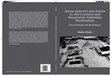
Classical and Hellenistic cemeteries can give us more than descriptions and styles of pottery, ar... more Classical and Hellenistic cemeteries can give us more than descriptions and styles of pottery, art and burial architecture; they can speak of people, societies, social conventions as well as of social distinctions. This book aims to employ and illustrate the unique strengths of burial evidence and its contribution to the understanding of social identity and status in the Classical and Hellenistic Northern Peloponnese. By thoroughly reviewing published burials from the regions of Achaia, Arcadia, the Argolid and Cynouria, Corinthia, Elis and Triphylia, spatial and temporal variations which led to a change in definitions of 'society' and perceptions of 'community' on the basis of shifting reactions to death and the dead are demonstrated. Social roles of men, women, children, elite and non-elite individuals as expressed or negotiated in the mortuary record are explored. Preconceived ideas and stereotypes within and about the Classical and Hellenistic burials are challenged. In spite of the many constraints imposed by the limited previous research, what clearly emerges from this study is the wide degree of variation in what are often loosely termed 'customary' or unappealing Classical and Hellenistic burial practices in the Northern Peloponnese. If death was indeed an occasion or 'opportunity', then the meaning of this opportunity varied along the shifting dimensions, in time and space, of identity and status.
Papers by Nikolas Dimakis

Dimakis, N. 2021. Child Death in the Hellenistic World. In L. Α. Beaumont, M. Dillon and N. Harrington (eds), Children in Antiquity: Perspectives and Experiences of Childhood in the Ancient Mediterranean. Routledge in Antiquity Series, 506-518. London and NY: Routledge
Although the available bibliography on child burials in the Hellenistic world is limited, the evi... more Although the available bibliography on child burials in the Hellenistic world is limited, the evidence provided by a search through past investigations is fruitful. In this chapter child burials of the Hellenistic world are treated in a holistic manner according to diachronic, regional and thematic perspectives. Aspects such as modes of child disposal, placement of child burials, grave form, grave offerings, burial and commemorative rituals are considered in order to study the disposal mode of children, examine the development of definitions of age through burial practice, explore the burial ritual/s associated with child death and investigate the impact of child loss to Hellenistic society. Archaeological, historical and iconographic evidence is integrated with the burial evidence within the frame of a contextual analysis. In this way temporal and regional differences in the representation of children in cemeteries shall appear, suggesting that the idea that children were not accepted by society as full members varied in time and differed among sites.
The aim of this paper is to investigate the degree of interaction between the Koan deme of the Ha... more The aim of this paper is to investigate the degree of interaction between the Koan deme of the Halasarnitans and the neighbouring region of Karia. Drawing upon fragmentary archaeological, historical, epigraphic, and mythological evidence from the Sanctuary of Apollo Pythaieus/Pythaeus (e.g. the Onomastikon of Halasarna, grave stones, local cults, clay lamps), the paper searches for aspects of material culture that may indicate a direct interplay between Halasarna (as a site) and Karia (as a region) in the levels of cult, ritual, social structure, and organization during the Hellenistic and Imperial periods. Although the evidence so far is rather thin to establish a solid connection between Halasarna and Karia, their (inter-)relation seems to have been such as to leave its mark in material culture.
Από το 1985 η συστηματική ανασκαφική έρευνα του Τομέα Αρχαιολογίας και Ιστορίας της Τέχνης του
Πα... more Από το 1985 η συστηματική ανασκαφική έρευνα του Τομέα Αρχαιολογίας και Ιστορίας της Τέχνης του
Πανεπιστημίου Αθηνών στο ιερό του Απόλλωνα στην Αλάσαρνα της Κω έφερε στο φως ένα σημαντικό
αριθμό λυχναριών (6ος αι. π.Χ.-3ος αι. μ.Χ.) που αποτελεί μια αξιοπρόσεκτη κατηγορία ευρημάτων.
Παρά την αποσπασματική διατήρηση ο μεγάλος αριθμός των ευρημάτων επιτρέπει παρατηρήσεις οι
οποίες συμβάλλουν στη διαχρονική γνώση του χώρου που βρέθηκαν. Στους λύχνους μπορούμε να
ανιχνεύσουμε την ιστορία του ιερού του Απόλλωνα καθώς δεν έπαψαν να αποτελούν μια προσιτή από
κάθε άποψη και προσφιλή, ως φαίνεται, επιλογή προσφοράς από τους προσκυνητές.
The aim of this paper is to investigate the capacity of Roman clay lamps to acquire multiple symb... more The aim of this paper is to investigate the capacity of Roman clay lamps to acquire multiple symbolisms and meanings (polysemy) in cult places. Drawing upon archaeological evidence from the Sanctuary of Apollo Pythaios/Pythaeus in Halasarna on Kos, it discusses the interplay of cult with the lamps’ iconography, typology and context during the Roman period. Changing perceptions about cult in the Sanctuary may be evident on the variety of lamp types, decorative motifs and physical context altogether often indicating how a lamp was used, for what purpose, or whether it constituted a ‘religious’ object.
Dimakis, N. 2020. Premature Death and Burial in Classical and Hellenistic Attica. In N. Dimakis and T. Dijkstra (eds) Mortuary Variability and Social Diversity in Ancient Greece, 102-116. Oxford: Archaeopress
Dimakis, N., and V. Christopoulou. 2020. Burial Monumentality and Funerary Associations in Roman Kos. In N. Dimakis and T. Dijkstra (eds) Mortuary Variability and Social Diversity in Ancient Greece, 162-175. Oxford: Archaeopress
AURA, 2019
Up to date the archaeological research has mainly focused on the structured environment, while th... more Up to date the archaeological research has mainly focused on the structured environment, while the significant to ancient public life, open air free spaces, have been largely neglected. These spaces were consciously created or left as such, within ancient cities, sanctuaries and cemeteries. A public space operates dynamically in three dimensions and it is shaped both by the architectural structures that surround it and by natural or artificial landmarks, but also by the people themselves who use and “experience” it in everyday life or in specific circumstances. Spaces within the anthropogenic environment, roads (urban,
sacred, funerary), squares and open air free spaces, in varying forms and sizes, jointly by the structures (temples, shrines, graves etc) and performances (processions, sacrifices etc) which they are associated with, constitute places of collective memory and identity. Spaces that correspond to the aforementioned parameters are examined in the research project entitled “Experiencing the public space in ancient Greece (6th-1st c. B.C.) Roads, squares and open air free spaces in cities, sanctuaries and cemeteries” funded by the O.P. “Human Resources Development, Education and Lifelong Learning”, co-funded by the European Social Fund (E.S.F.). A summary of the project’s aims, methodology, research questions and selected case studies is here presented.
for kindly endorsing from the beginning our idea for this conference, their practical support in ... more for kindly endorsing from the beginning our idea for this conference, their practical support in various matters, and for including the publication of its proceedings in the ΜΕΛΕΤΗΜΑΤΑ series. Our thanks are also due to the American School of Classical Studies at Athens and its then Director, James Wright, for holding a wonderful reception for the conference delegates on the premises of the School and for his continuous interest in our work. We are furthermore grateful to the following distinguished members of the academic community that took over the role of chairing the individual sessions: Nancy Bookidis (Athens), Emanuele
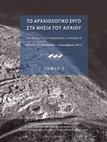
π ε ρ ι ε Χ ο μ ε ν Α ΧΑιρετιςμοι 9 M. Georgiadis, A synthesis of the Neolithic and Early Bronze ... more π ε ρ ι ε Χ ο μ ε ν Α ΧΑιρετιςμοι 9 M. Georgiadis, A synthesis of the Neolithic and Early Bronze Age ground stone tools from the Dodecanese 17 Β. Μαχαίρα, το πρόγραμμα μελέτης και δημοσίευσης των ελληνιστικών γλυπτών της ρόδου. παρατηρήσεις και επί μέρους συμπεράσματα 31 Ε. Κ. Παπαβασιλείου, Σ. Ντιντιούμη, εργαστηριακές εγκαταστάσεις και παραγωγή προϊόντων στα Δωδεκάνησα κατά την ύστερη αρχαιότητα έως την πρωτοβυζαντινή περίοδο 43 Ι. Μπίθα, το ευρετήριο Βυζαντινών τοιχογραφιών ελλάδος στα Δωδεκάνησα 61 Μ.-Χ. Γεωργαλλή, Π. Ψαρρή, ενεργοί οικισμοί εντός οριοθετημένων αρχαιολογικών χώρων στο νοτιοανατολικό Αιγαίο: τα παραδείγματα της μεσαιωνικής πόλης και της Λίνδου ρόδου 67 Κ. Σαραντίδης, Ανάλυση ενός αρχαίου συστήματος κατασκευής στεγών από το μιλησιακό οχυρό στο καστράκι Αγαθονησίου 75 Χ. Παλαμιδά, Φ. Σέρογλου, M. Lawall, Π. Τριανταφυλλίδης, μια πρώτη παρουσίαση των εμπορικών αμφορέων από το αρχαίο οχυρό στη θέση καστράκι Αγαθονησίου 85 Κ. Κεφαλά, Χορηγίες μνημείων στην πάτμο του 17ου αιώνα 97 Μ. Κουτελλάς, η παλαιοχριστιανική βασιλική του Χριστού της ιερουσαλήμ στην κάλυμνο: ςυμπεράσματα της ανασκαφικής έρευνας της περιόδου 2007-2008 111 Β. Χριστοπούλου, νεκροταφείο της πρωτοχαλκής ιι περιόδου στη μεσαριά της νήσου κω 135 S. Vitale, The Koan ceramic assemblage during the Late Bronze Age: Classification, chronology, typology and significance 151 M.G. Palmieri, Age categories in the burials of the "Serraglio" necropolis in Cos. Some preliminary observations 175 Χ. Τσούλη, Βαθμιδωτές επιστέψεις ταφικών(;) μνημείων από την κω: Ένας ιδιόμορφος τύπος μνημείων του αιγαιακού χώρου 187 Ε.Α. Poupaki, Ancient Koan marble quarries and the distribution of Koan marble in antiquity: Results of the recent archaeiological research 205 G. Rocco, Kos. La Stoa Orientale nei quartieri del porto 223 M. Livadiotti, e Central Baths of Kos: New data for a reconstruction 235 I. Baldini, G. Marsili, D. Pellacchia, Archaeological researches on Early Byzantine Kos: e episcopal complex in the Western Baths district 251 G. Mazzilli, Standardizzazione edilizia nel cantiere ecclesiastico a Kos tra V e VI secolo: materiali e forme della costruzione e della decorazione architettonica. Nota preliminare 271 Ε. Μηλίτση-Κεχαγιά, οι μαρμάρινοι άμβωνες των παλαιοχριστιανικών βασιλικών της κω. τυπολογική και μορφολογική ανάλυση 295 W. Ehrhardt, Αρχαιολογικό ερευνητικό πρόγραμμα στο Ασκληπιείο της κω 307 Γ. Κοκκορού-Αλευρά, ςυστηματική ανασκαφική έρευνα στην αρχαία Αλάσαρνα της κω του τομέα Αρχαιολογίας και ιστορίας της τέχνης του πανεπιστημίου Αθηνών 317 Ν. Δημάκης, Λύχνοι από το ιερό του Απόλλωνα στην αρχαία Αλάσαρνα της κω. μια πρώτη παρουσίαση 327 Σ. Καλοπίση-Βέρτη, Μ. Παναγιωτίδη-Κεσίσογλου, Ανασκαφικά ευρήματα της παλαιοχριστιανικής περιόδου στην Αλάσαρνα της κω: η πρόοδος της έρευνας 335 Ε. Γερασκλή, Ανασκαφή σε τμήμα κτηρίου βόρεια της βασιλικής της Αγίας Βαρβάρας, στην καρδάμαινα της κω 345 S. Hillson, Human remains from the Kylindra and Katsalos cemeteries on the island of Astypalaia 355 Κ. Τρανταλίδου, κατανάλωση και χρήση ζωικών αγαθών στη ρόδο της 2ης χιλιετίας π.Χ. 365 Κ. Μπαϊράμη, Ανασκαφή πλατείας Αργυροκάστρου στη μεσαιωνική πόλη της ρόδου. πρώτη παρουσίαση 395 Α. Κοσμά, Γ. Σταλίδης, Ανασκαφική έρευνα στον «μόλο των μύλων» της ρόδου 413 X. Γιακουμάκη, η ανασκαφική έρευνα στην ιπποτική οικία τζεμ στη μεσαιωνική πόλη της ρόδου. η συμβολή της στην αποκατάσταση και την εξελικτική πορεία της αρχαίας οδού ρ31 από την αρχαιότητα έως και σήμερα 429 Ν. Χριστοδουλίδης, ςυστήματα ύδρευσης και αποχέτευσης στην αρχαία πόλη της ρόδου 443 Ν. Χριστοδουλίδης, μικρό γυναικείο κεφάλι μαρμάρινου αγαλματιδίου με χρώματα 455 Π. Κάντζια-Βρατσάλη, πολύτιμα κτερίσματα από τη νέα περιμετρική οδό πόλεως ρόδου 463 Γ.Β. Κουτσουφλάκης, τρία μεσαιωνικά ναυάγια στον εμπορικό λιμένα της ρόδου 477 Π. Παπανικολάου, το καθολικό του Αγίου ιωάννη στο καλλάκιο εκ νέου. Spolia, ιστορικές πληροφορίες και ερμηνευτικά ζητήματα 501 Μ. Χαλκίτη, πήλινη κεφαλή από τον Αρχάγγελο της ρόδου 521 Β. Πατσιαδά, ο αρχαιολογικός χώρος της καμίρου. προβλήματα της αρχαιολογικής έρευνας 541 Π. Τριανταφυλλίδης, η αρχαιολογική έρευνα στο παρροδιακό ιερό του Αταβυρίου Διός 553 Μ.Ι. Στεφανάκης, η αρχαιολογική έρευνα στην κυμισάλα (ρόδος): 2006-2013 565 N. Zarras, Early Byzantine nds from the necropolis of Kymisala in southern Rhodes 581 A.K. Katsioti, N. Mastrochristos, Bilateral icon of the Virgin Eleousa/Crucifixion, formely in the church of Archangel Michael at Lardos, Rhodes 588 ΕΓΧρωΜΟΙ ΠΙΝΑΚΕΣ 607
ROMA 2016 e s t r a t t o Direttore degli Acta Instituti Romani Finlandiae mika kajava Department... more ROMA 2016 e s t r a t t o Direttore degli Acta Instituti Romani Finlandiae mika kajava Department of World Cultures FI -00014 University of Helsinki Comitato scientifico tuomas Heikkilä -mika kajava -mika lavento Redazione simo ÖRmä, Roma Redazione del vol. 43 Ria BeRg Cover illustration Woman with a jewel-box. Ceiling fresco from the Constantinian Palace in Trier (Photo: Courtesy Museum am Dom Trier). isBn 978-88-7140-726-5 issn 0538-2270 © Institutum Romanum Finlandiae Roma 2016 www.irfrome.org e s t r a t t o Bibliographical Abbreviations
ISBN 978 1 78491 200 0 ISBN 978 1 78491 201 7 (e-Pdf) The Founder of GACUK Matti Egon with the 'u... more ISBN 978 1 78491 200 0 ISBN 978 1 78491 201 7 (e-Pdf) The Founder of GACUK Matti Egon with the 'unusual bouquet' offered by the scholars. i Contents Foreword ������������������������������������������������������������������������������������������������������������������������������������������������������������������� v The value of digital recordings and reconstructions for the understanding of three-dimensional archaeological features ��������������������������������������������������������������������������������������������������������������������������������������������������������������������� 1 Constantinos Papadopoulos The contribution of systematic zooarchaeological analysis in understanding the complexity of prehistoric societies: The example of late Neolithic Toumba Kremastis-Koiladas in northern Greece �������������������������������������������������������� 17 Vasiliki Tzevelekidi The Heraion of Samos under the microscope: A preliminary technological and provenance assessment of the Early Bronze Age II late to III (c. 2500-2000 BC) pottery ��������������������������������������������������������������������������������������������������� 25 Sergios Menelaou Time past and time present: the emergence of the Minoan palaces as a transformation of temporality ������������������ 35 Giorgos Vavouranakis Palaepaphos during the Late Bronze Age: characterizing the urban landscape of a late Cypriot polity ���������������������� 45 Artemis Georgiou 'What would the world be to us if the children were no more?': the archaeology of children and death in LH IIIC Greece ��������������������������������������������������������������������������������������������������������������������������������������������������������������������� 57 Chrysanthi Gallou-Minopetrou The Late Helladic IIIC period in coastal Thessaly ������������������������������������������������������������������������������������������������������� 69 Eleni Karouzou The Bronze Age on Karpathos and Kythera �������������������������������������������������������������������������������������������������������������� 85 Mercourios Georgiadis East Phokis revisited: its development in the transition from the Late Bronze to the Early Iron Age in the light of the latest finds �������������������������������������������������������������������������������������������������������������������������������������������������������������� 93 Antonia Livieratou Early Iron Age Greece, ancient Pherae and the archaeometallurgy of copper ��������������������������������������������������������� 107 Vana Orfanou Representations of western Phoenician eschatology: funerary art, ritual and the belief in an after-life ������������������ 117 Eleftheria Pappa Piraeus: beyond 'known unknowns' ���������������������������������������������������������������������������������������������������������������������� 131 Florentia Fragkopoulou The casting technique of the bronze Antikythera ephebe �������������������������������������������������������������������������������������� 137 Kosmas Dafas A brief, phenomenological reading of the Arkteia �������������������������������������������������������������������������������������������������� 147 Chryssanthi Papadopoulou Cylindrical altars and post-funerary ritual in the south-eastern Aegean during the Hellenistic period: 3rd to 2nd centuries BC ���������������������������������������������������������������������������������������������������������������������������������������������������������� 155 Vasiliki Brouma Lamps, symbolism and ritual in Hellenistic Greece ������������������������������������������������������������������������������������������������� 165 Nikolas Dimakis In search of the garden-peristyle in Hellenistic palaces: a reappraisal of the evidence ������������������������������������������� 173 Maria Kopsacheili ii Damophon in Olympia: some remarks on his date ������������������������������������������������������������������������������������������������� 185 Eleni Poimenidou Entering the monastic cell in the Byzantine world: archaeology and texts �������������������������������������������������������������� 191 Giorgos Makris Discovering the Byzantine countryside: the evidence from archaeological field survey in the Peloponnese ����������� 201 Maria Papadaki On a Fāṭimid Kursī in the Monastery of Saint Catherine at Mount Sinai ����������������������������������������������������������������� 211 George Manginis The discovery of ancient Cyprus: archaeological sponsorship from the 19th century to the present day ���������������� 221 Anastasia Leriou Showcasing new Trojan wars: archaeological exhibitions and the politics of appropriation of ancient Troy ������������ 235 Antonis Kotsonas
Edited Volumes by Nikolas Dimakis



Uploads
Books by Nikolas Dimakis
Papers by Nikolas Dimakis
Πανεπιστημίου Αθηνών στο ιερό του Απόλλωνα στην Αλάσαρνα της Κω έφερε στο φως ένα σημαντικό
αριθμό λυχναριών (6ος αι. π.Χ.-3ος αι. μ.Χ.) που αποτελεί μια αξιοπρόσεκτη κατηγορία ευρημάτων.
Παρά την αποσπασματική διατήρηση ο μεγάλος αριθμός των ευρημάτων επιτρέπει παρατηρήσεις οι
οποίες συμβάλλουν στη διαχρονική γνώση του χώρου που βρέθηκαν. Στους λύχνους μπορούμε να
ανιχνεύσουμε την ιστορία του ιερού του Απόλλωνα καθώς δεν έπαψαν να αποτελούν μια προσιτή από
κάθε άποψη και προσφιλή, ως φαίνεται, επιλογή προσφοράς από τους προσκυνητές.
sacred, funerary), squares and open air free spaces, in varying forms and sizes, jointly by the structures (temples, shrines, graves etc) and performances (processions, sacrifices etc) which they are associated with, constitute places of collective memory and identity. Spaces that correspond to the aforementioned parameters are examined in the research project entitled “Experiencing the public space in ancient Greece (6th-1st c. B.C.) Roads, squares and open air free spaces in cities, sanctuaries and cemeteries” funded by the O.P. “Human Resources Development, Education and Lifelong Learning”, co-funded by the European Social Fund (E.S.F.). A summary of the project’s aims, methodology, research questions and selected case studies is here presented.
Edited Volumes by Nikolas Dimakis