

Personalised and flexible language learning. Optimising adaptive and mobile learning in Italian language beginner classes
 Marinella Caruso
 Federica Verdina
 Francesco De Toni
…
30 pages

Sign up for access to the world's latest research
Abstract
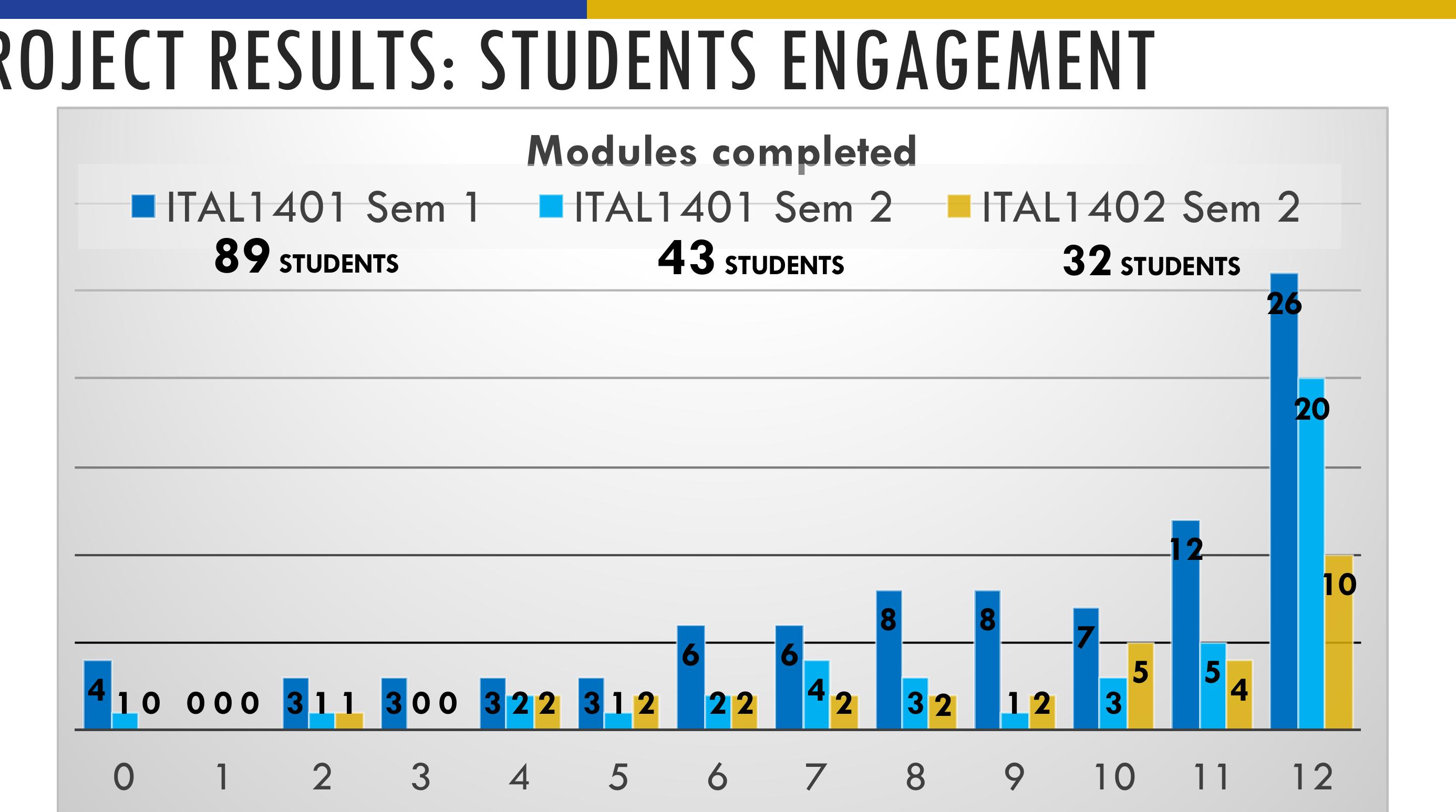
There are a number of changes and challenges affecting language education at a tertiary level. Blended and personalised learning are two of the main challenges. Data-driven technologies and mobile learning offer new tools to address them. While new digital tools have been recently developed, there is a lack of research on their effective implementation in university courses. In this paper we present the results of a study conducted in Italian beginner units at The University of Western Australia in 2017. These units were redesigned to integrate the mobile and adaptive learning resources available through McGraw-Hill Connect, with the aim of providing students with automated, personalised exercises for language reinforcement; offering students a more regular and flexible way for autonomous practice; improving the quality of contact hours. Besides evaluating the implementation of these resources in the units via a survey, we regularly monitored students' learning behaviours and engagement by analysing data collected from Connect. The results of our study show that adaptive and mobile technologies have a very positive impact on students’ learning, but they also raise questions on our capability to embrace the digital challenges that our universities encourage us to take.
Related papers
The first section of the paper focuses on the development of mobile learning and provides an overview of a growing body of research which describes mobile devices as useful tools for language learning. The development of cutting-edge mobile devices has driven the attention of educators, making mobile learning (mlearning) a new and interesting approach to language learning. Mobile tools and social networks allow users to produce and share content and context (Hill & Hannafin, 2001; Saad & Borg, 2009) and allow learners to access an ubiquitous, autonomous and individualised learning experience (Ibrahim Abukhattala, 2016; Shuler, 2009). Moreover, mobile tools offer a wide range of functions and activities, enhancing multisensory learning, which provides significant benefits for the brain. Indeed, it is known that multisensory learning eases the processes of recollection and processing of information (Katja M. Mayer et al., 2015). The benefits provided by mobile learning are embraced by learners, who feel better engaged, resulting in more successful outcomes (Wang et al., 2009). However, in some cases, the use of mobile tools for educational purposes provokes concerns for educators (Barrell, 2011). Moreover, the implementation of new media is affected by educators’ beliefs and attitudes (Van Olphen, 2007), which suggests that training is needed, in order to demonstrate the effectiveness of mobile learning (Liu, 2009). The second section of this paper includes a description of four apps (BUSUU, SPEAKINGPAL, VOXY and OPENLANGUAGE) for language learning and the results of a survey carried out amongst 13 university EFL learners (10 women and 3 men), belonging to different fields of study and with different levels of language competence (according to selfevaluation). Even if this study can be considered as a beta test –due to the small sample and the nature of participants– students’ comments suggest that mobile learning is an interesting and engaging way to bring the language learning experience outside of the classroom and share it in a broader –although digital– environment.
2016
This paper aims to help education stakeholders consider how mobile learning can contribute to improving language teaching and learning by facilitating personalized learning. A high-level overview of mobile learning is presented and the role of personalization in mobile learning is explained. A number of case studies illustrate salient aspects of mobile personalized learning from research and practice. In the final section, considerations for policy and practice are discussed.
The purpose and promise of adaptive technologies is to facilitate online instruction that is personalized to the needs of individual learners. This paper will focus on what adaptive technologies do, or attempt to do, rather than on what they are in technical terms (e.g. the different kinds of algorithms1 that constitute the technologies), but the key words in the brief functional definition above (i.e. ‘adaptive’ and ‘personalized’) are highly contested. Part of the Cambridge Papers in ELT Series January 2017
APA CALL Journal , 2019
The purposes of this study were to investigate whether and how the social networking site Edmodo can help Japanese university students improve their multi-literacy skills in English, namely informal English used in social situations, and their engagement towards learning English; and to examine whether it could facilitate student interaction and promote autonomy in learning English. The respondents were Japanese university students who interacted and exchanged information with a class of Chilean university learners using Edmodo. A reactive form of autonomous learning was initially promoted (Littlewood, 1999), with evidence suggesting that the participants acted in a manner that allowed them to act independently and to take charge of their own learning through social networking site interactions. In addition, this study explored and collected data on three theoretical aspects of learner engagement in education based on Fredricks, Blumenfeld, and Paris’ (2004) framework as it pertains to language learning in an English as a foreign language (EFL) context: students’ emotional, behavioral and cognitive engagement. The results of the study indicate that Edmodo encouraged reactive and proactive types of autonomous learning in a social networking setting among the Japanese students; moreover, it facilitated their improvement in reading, writing, and listening habits and skills.
International Journal of Emerging Technologies in Learning (iJET)
This study aimed to investigate the impact of mobile learning technologies on student engagement and learning outcomes in higher education. A pre-test/post-test control group design was employed to compare the engagement and learning outcomes of students who used a mobile learning platform with those who did not. The study was conducted with undergraduate students at a large public university. Results showed that the intervention group reported a more positive experience with the platform, used it more frequently, found it more useful, and were more satisfied with it than the control group. Additionally, the intervention group outperformed the control group in terms of both course grades and standardized test scores. The findings suggest that mobile learning technologies can positively impact student engagement and learning outcomes in higher education. Future research could explore ways to optimize the platform further and investigate the scalability and sustainability of implement...
CALL in Context, 2017
In a context where language classrooms are plagued by high enrolment numbers and limited contact hours—hence, low exposure to the target language—we started exploring the possibility of designing a mobile learning system to provide students with additional language practice beyond the classroom. In this paper the authors share their experience with the design and implementation of a multi-lingual app, called Guess it! Language Trainer in a CEFR A1 level German language course. One of our main concerns, when designing Guess it!, was to develop a learning environment which allows students to actively participate in their own learning process, by sharing and jointly building their language knowledge with other learners. With this purpose in mind we designed a community-driven learning system that requires students first to learn vocabulary by guessing words through a given context; then to assess and, eventually report the words they have worked on and later, to create and propose their own words in context for one or more terms from the course syllabus. Once students have introduced their own words in context, these become part of the learning system—hence being available to the entire learner community. By designing an app that allows students to actively participate in the design of their own learning resources the authors were able not only to pay tribute to the increasing demand of researchers and practitioners to design learner-centered environments, but also to provide a learning system that can easily be implemented and adapted to different learning contexts, taking into account students’ language proficiency as well as collective learning preferences. In addition, the app allows teachers both, to monitor as well as analyse students’ learning process by accessing students’ logs —hence retrieving valuable information on learner behaviour and interaction patterns.
Critical CALL – Proceedings of the 2015 EUROCALL Conference, Padova, Italy, 2015
Yaşadıkça Eğitim
Mobile technologies exist in a wide spectrum and have a great impact on today’s world. One of the reasons of mobile technologies’ becoming a vital part of everyday life may be various features they possess such as easy access to content with no time and limit boundaries. This has brought up the question whether they may assist language learning. Considering Web 2.0 tools in the context of mobile technologies, for this study a well-known Web 2.0 tool has been chosen to investigate its effects, Duolingo, on students’ academic performance when used in blended learning settings to support formal language education. The academic performance levels of students are determined before and after the intervention in a high school in accordance with an instructional design prepared to support students in and out of school hours. Data were analyzed by using descriptive analyses techniques. The results of the study are discussed considering the significant difference in students’ academic perfo...
Bridging Theory and Practice for Educational Sciences , 2021
Serious debate continues on the issue of m-learning, even though it was defined by UNESCO in 2013. Many scholars "know" that mobile learning (m-learning) is just another type of e-learning, and this conviction is given greater validity than the definition. Nevertheless, we have designed and developed a mobile application to study the principles of m-learning, to establish whether it is merely a different name for e-learning or if it constitutes a shift in the concept. With the mobile application (BlaBla™) for language learning (Slovene for foreigners), we went beyond the favorable natural science area, which is always more appropriate for media learning demonstration. In the article we present an exploration of both the constraints inherent in using mobile devices and the preparation of m-learning materials. We also present the mobile application and a small-scale practical experiment. From our experience with e-learning and in comparing it to m-learning, we can confirm other researchers' finding that m-learning is not just e-learning with mobile devices, but does represent a shift in the learning concept.


Related papers
in J. Fornasiero et al. (eds), "Intersections in language policy and planning: establishing connections in languages and cultures", Springer, 2020
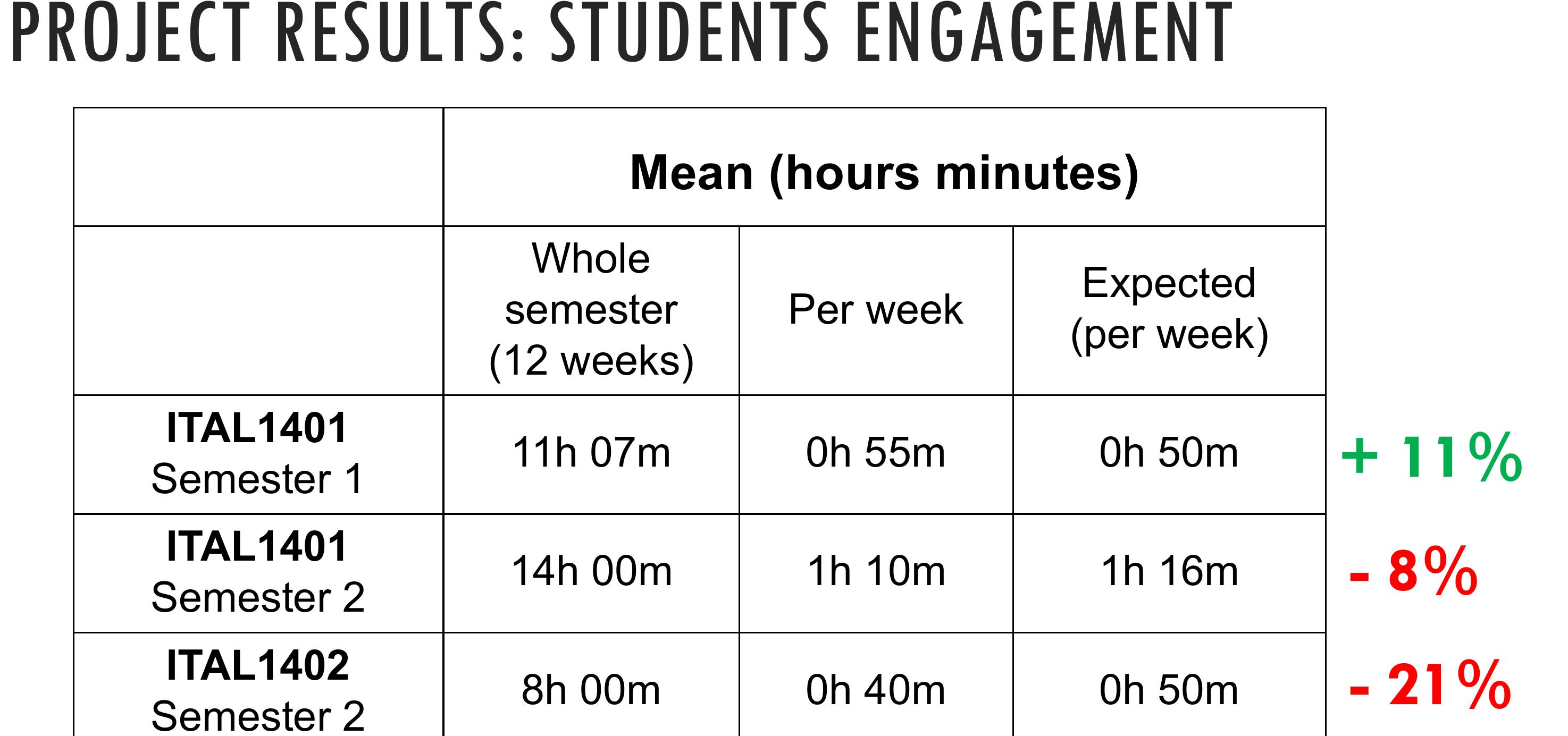
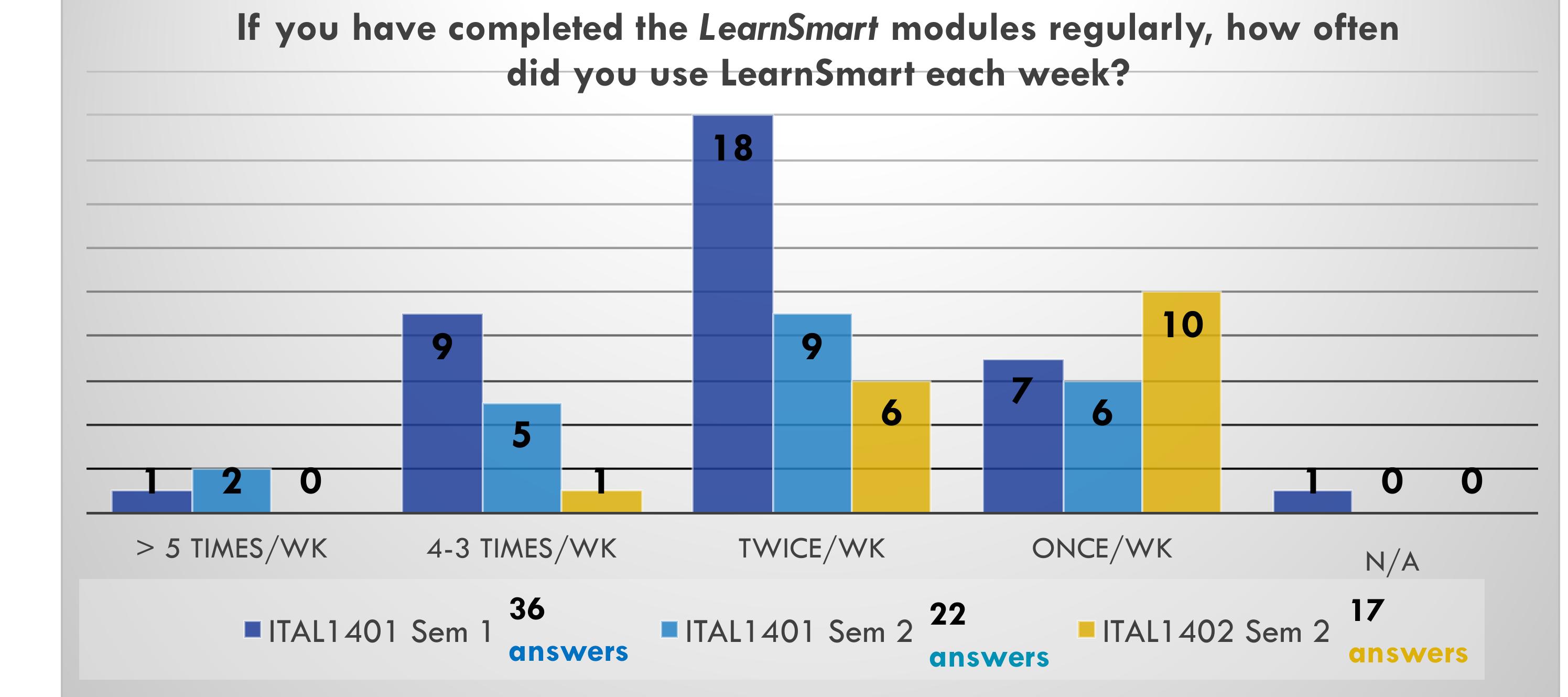
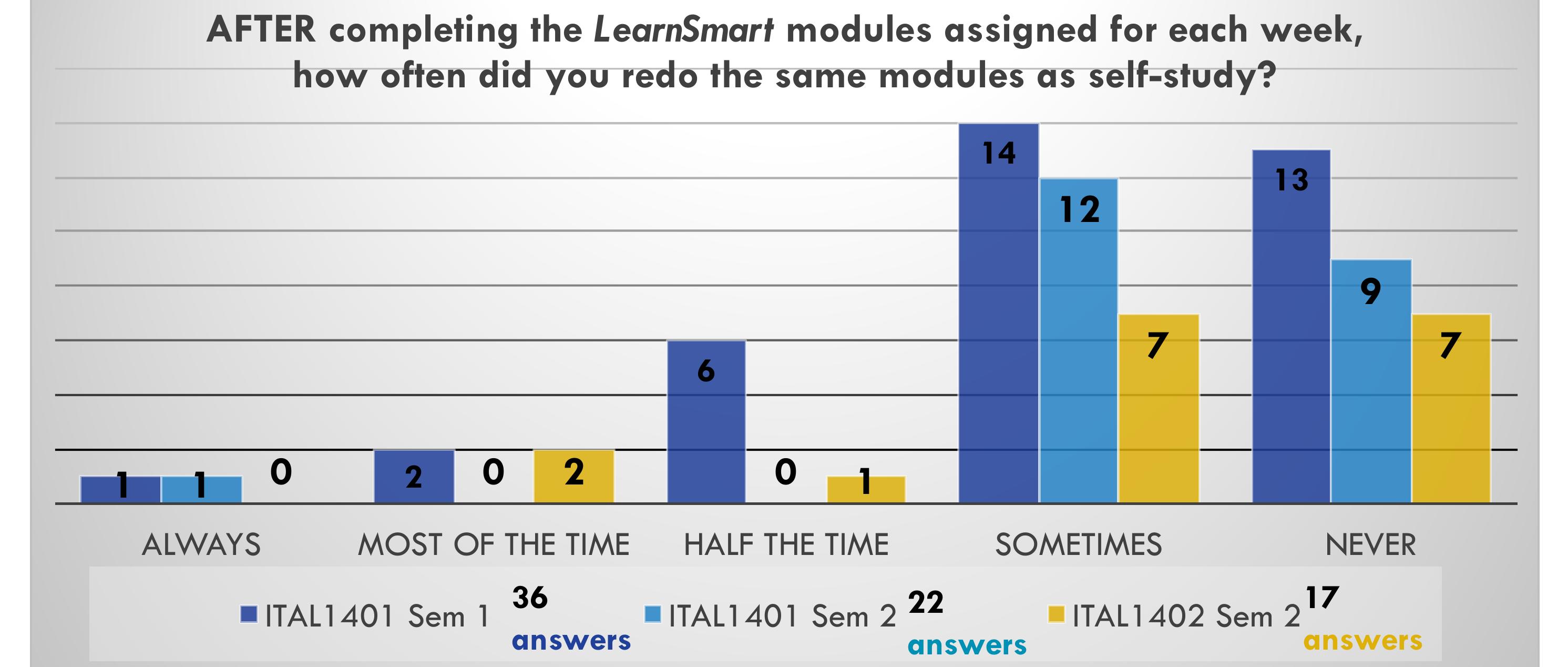
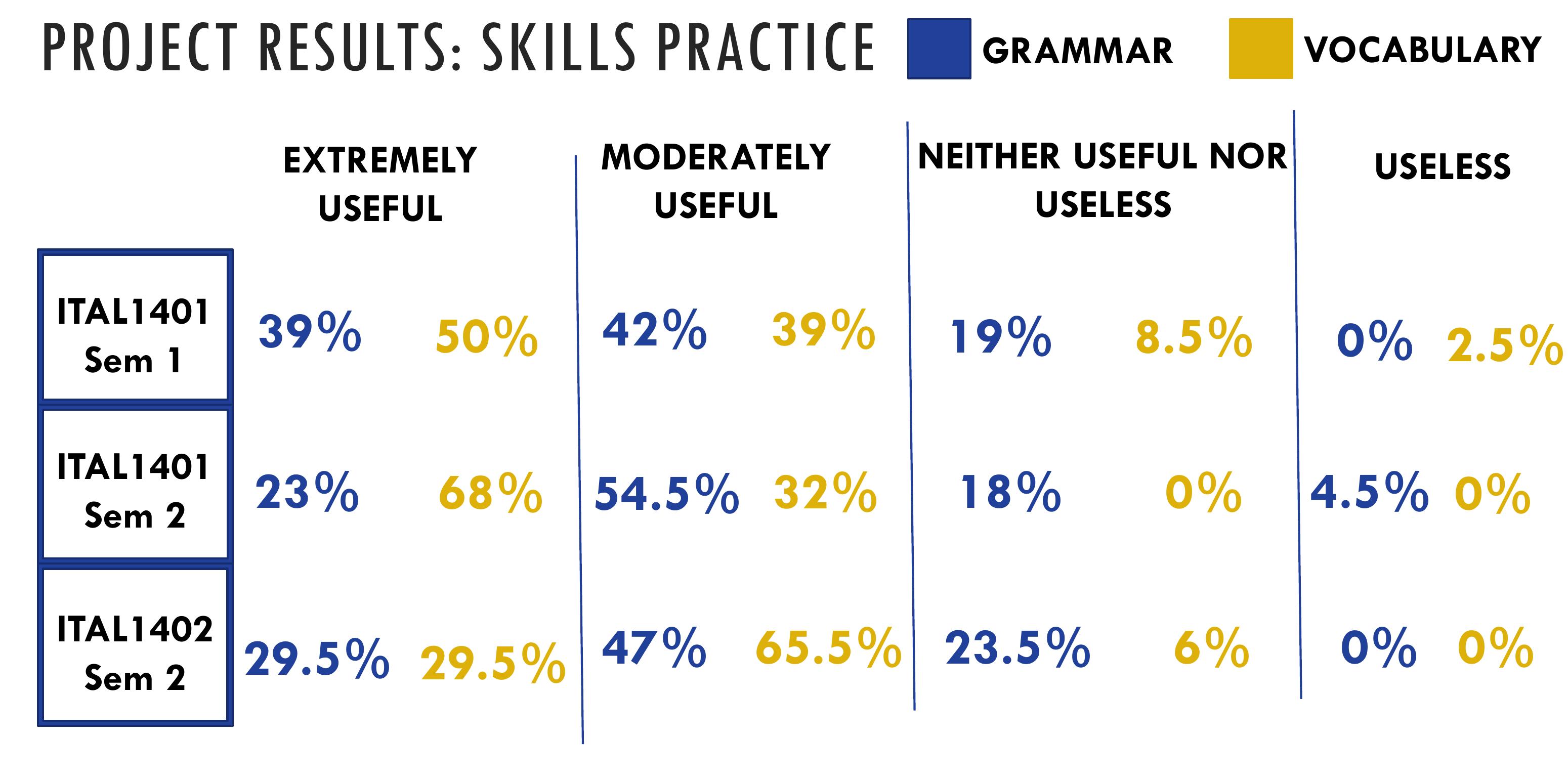
Adaptive and mobile learning technologies are leading innovation in personalized and blended learning for language education at tertiary level. However, the growth of adaptive and mobile resources is not matched by sufficient research on their effective implementation in university language courses. In this chapter, we present a study conducted in Italian beginners units at the University of Western Australia in 2017 (credit-bearing undergraduate courses). These units were redesigned to integrate adaptive and mobile learning resources for automated and personalized language practice. We describe and discuss qualitative and quantitative data on students' engagement with the adaptive platform, their evaluation of skill practice on the platform, and the use of mobile devices to access the platform. Our results show that adaptive and mobile technologies have great potential to enhance the student learning experience, but also that, at present, various issues limit the implementation of these resources. We offer recommendations to address these issues.
Interactive Technology and Smart Education, 2022
Design/methodology/approach This study presents the successes and challenges of introducing a mobile learning resource, Pocket Tutor, to bolster autonomous learning in a supported university learning environment. Pocket Tutor was designed and developed in 2019 and integrated in 2020 and 2021 into a multimedia design class offered at a large university in the Asia-Pacific. The resource's effectiveness is measured against common technology acceptance factors-including self-efficacy, enthusiasm, and enjoyment in relation to contextual purpose and class learning outcomes-through a multi-pronged approach consisting of a class-wide survey, developed specifically for this purpose, and analysis of usage data. Deeper context was also provided through a small pool of follow-up interviews. Purpose The Pocket Tutor learning resource that was designed and evaluated in this study responds to a number of teaching and learning challenges within the tertiary education context. These include those related to the number and type of learning activities that can be offered, class pacing, subject-specific content considerations, and the availability and quality of off-the-shelf learning resources. Educators have to potentially contend with all of these amidst mounting institutional constraints and external pressures. Yet, a supplemental, from-scratch online learning resource can help mitigate some of these challenges. Findings Evidence from our data suggests that a bespoke, mobile learning resource can provide greater consistency, more relevance, more flexibility for when and where students learn, and more efficiency with limited opportunities for synchronous interaction. At the same time, a bespoke mobile learning resource represents a significant investment of skill and time to develop and maintain. Originality/value The present study responds to calls from scholars who argue that more research (especially that is qualitative and discipline-specific) is needed to investigate students’ willingness to use learning apps on their mobile devices. This study pairs such research about student willingness with actual usage data and student reflections to more concretely address the role of mobile learning resources in higher education contexts. It also, importantly, doesn’t just assess perceptions and attitudes about mobile learning resources in the abstract but assesses attitudes and usage patterns for specific generic and bespoke mobile learning resources available for students in a specific university class (thereby providing discipline-specific insights). It also provides a unique contribution by including multiple years of data and, thus, offers a longitudinal view on how mobile learning resources are perceived and used in a particular higher education context.
The Indonesian Journal of Electrical Engineering and Computer Science (IJEECS), 2023
This research investigates the effectiveness of blended learning with mobileassisted language learning (MALL) in english courses at Borneo University Tarakan. An experimental design was used with 80 english as a foreign language (EFL) student randomly assigned to an experimental group (EG) receiving blended learning with MALL and a control group (CG) receiving traditional instruction. The results demonstrate that blended learning with MALL significantly improves language learning outcomes and increases motivation, engagement, and satisfaction. This study contributes to the literature by highlighting language learning outcomes from a blended approach using MALL and emphasizes the importance of innovative teaching methods and technology integration. The findings have practical implications for educators, suggesting that incorporating MALL in blended learning enhances language learning outcomes and student engagement. Further research can explore the impact of MALL on different language skills and strategies to enhance intrinsic motivation in MALL-blended learning. This research provides valuable insights for improving language instruction through blended learning approaches.
icicte.org
With the advent of wireless networking at University College Dublin, education through blended learning has been embraced by staff and students alike. Due to the transient nature of students, mobile technologies and wireless local area networks have been employed to facilitate ubiquitous access to resources. This paper assesses the e-learning tools currently available at the university and subsequently evaluates their suitability through qualitative analysis. The results obtained emphasized those issues ...
Journal of Applied Studies in Language, 2024
Integrating digital tools into language education has transformed traditional teaching methods, offering greater flexibility, increased engagement, and personalized learning opportunities. This study explored how effective Duolingo can be as a supplementary tool in a large speaking class of 60 first-year undergraduate Informatics Engineering students at a university. With the challenges of managing a large group and varying levels of language proficiency, the study used a descriptive qualitative approach over half of the semester to assess Duolingo's impact on student engagement, motivation, and English proficiency. Data were gathered through Duolingo's tracking system, weekly self-reflection reports, in-class observations, and informal interviews. The analysis revealed that Duolingo significantly boosts student motivation and provides valuable practice opportunities outside the classroom, especially in vocabulary and grammar. The quantitative data showed consistent student engagement, with many students regularly earning experience points (XP) and meeting their weekly learning targets. However, the study also highlighted some challenges, such as Duolingo's limited focus on developing conversational skills and the difficulty of addressing the varied proficiency levels within such a large class. While students enjoyed the gamified aspects of Duolingo, they expressed a need for more interactive speaking exercises to help build fluency. Overall, the findings suggest that Duolingo is a useful supplement to traditional language instruction, enhancing engagement and offering personalized practice.
Pedagogical research has proven the efficacy of adaptive learning and collaborative learning, demonstrating that adaptive learning optimizes learning success while collaborative learning sparks cognitive development. Additionally, both methods have been shown to increase student engagement, which researchers point to as a significant factor in increasing learning outcomes.
In this paper, experiences from different research groups illustrate the state-of-the-art of Mobile Assisted Language Learning (henceforth, MALL) in formal and non-formal education. These research samples represent recent and on-going progress made in the field of MALL at an international level and offer encouragement for practitioners who are trying to incorporate these approaches into mainline second language teaching. Furthermore, researchers interested in the field State of the art of language learning design using mobile technology: sample... can see that the work presented here exemplifies how fertile it is, which should hopefully serve as motivation to undertake new studies to move the state-of-the-art further on. ISBN13: 978-1-908416-28-5 (Paperback -Print on demand, black and white) Print on demand technology is a high-quality, innovative and ecological printing method; with which the book is never 'out of stock' or 'out of print'.
ICERI2018 Proceedings 11th International Conference of Education, Research and Innovation November 12th-14th, 2018 — Seville, Spain, 2018
The exploitation of computers in language teaching/learning begins in the ‘70s and continues uninterruptedly until today. Τhis time period can be divided into different phases, characterized by different approaches concerning the use –and role- of computers, the learning theories on which the corresponding software applications were based on and of course, the pedagogical and linguistic goals. The emergence and popularization of the internet has led to the creation of a generation of eLearning applications and language e-courses for which, at least in higher education, LMS has been the main distribution pillar. Nowadays, LMSs are widely used in universities around the world to provide online courses in every specific knowledge area. However, in the last few years, there is a transition iin progress from the previously isolated learning process that LMSs offer to a model of interconnected, free and informal learning. Thanks to web 2.0 services and tools, users can now produce content, communicate, collaborate and use a variety of sources, while at the same time teachers can apply more creative approaches and practices in class. In this new context, LMSs have started to appear rather outdated, as they cannot fully support this new pedagogical philosophy, the new learning-centered model that increasingly characterizes higher education practice. Extensive research is under progress in order to conceive and develop a new generation of digital learning environments that aims either to expand the capabilities of LMS or to replace them completely. As far as Higher Education is concerned, these next generation learning environments must evolve from a strictly structured environment such as an LMS, to an ecosystem based on open standards, made up of a variety of interconnected pedagogical applications and services, more suitable for and adaptable to support emerging instructional practices. These New Generation Digital Learning Environments (NGDLEs) should also allow access to institution-centric courses, as well as to free-range learning experiences, combine open content and educational apps and support more personalized and flexible learning experiences into an interconnected community of learners and instructors. NGDLEs are among the technologies that are expected to have a direct impact on FLT in the following years. This paper presents the concept and the current reality of NGDLEs as shaped by the research so far, and examines the ways in which NGDLEs could stimulate the learning / teaching of a foreign language.
Mobile Learning, or M-learning as it is often called, is a relatively new tool in the pedagogical arsenal to assist students and teachers as they navigate the options available in the expanding distance learning world. This article assesses some of the possible methods, challenges and future potential of using this approach in a college classroom and describes an empirical evaluation of the effectiveness of M-learning in a college classroom. One hundred twelve students in an introductory survey course in sociology were given the opportunity to use an M-Learning product developed by HotLava Software for the purpose of assisting them in preparation for two scheduled exams. Both practice and review questions were made available on Smart Phones, Web enabled phones, PDAs and other Internet capable mobile devices via Learning Mobile Author. Forty-two of the 112 students in the class chose to access these data via their personal devices and their responses were collected and recorded. The results of their performance, as indicated by a final grade in the course, were compared to the outcomes for those students who chose not to use the M-Learning tool. Students using the software demonstrated a higher level of knowledge of the subject matter covered in the course when compared to students choosing not to use the tools (p<.01). Conclusions and a discussion of these outcomes are offered as well as some inferences and speculation regarding the future of M-Learning in the classroom and beyond. Mobile Learning (M-Learning) is a relatively new tool in the pedagogical arsenal to support students and teachers as they navigate the options available in the expanding world of distance learning. M-Learning is learning accomplished with the use of small, portable computing devices. These computing devices may include: smartphones, personal digital assistants (PDAs) and similar handheld devices. M-learners typically view content and/or lessons in small, manageable formats that can be utilized when laptop or fixed station computers are unavailable. It is currently being used in a variety of educational, governmental and industrial settings. This paper assesses some of the possible methods; challenges and future potential of using this approach in a college classroom and provides an empirical evaluation of the effectiveness of this and similar tools. MOBILE LEARNING The first published studies focusing on M-Learning began around 2000. In the April 2000 issue of Computers and Education, Sharples (2000) discussed the potential for new designs in personal mobile technologies that could enhance lifelong learning programs and continuing adult educational opportunities. Many, if not all, of the ideas raised in Sharples' early article are still evolving and are of interest to M-Learning today. Donna Abernathy's article "Get Ready for M-Learning" (2001) provides one of the first looks at the technology and how it could affect future business approaches with regard to learning initiatives. This article may also be counted as an early alert about the potential to this already expanding learning option. Abernathy observes that M-Learning options don't necessarily seek to replace the PC as a be-all tool, but instead notes that it will help supplement corporate learning objectives with on-the-go tools. Businesses hope this will increase willingness among their employees and customers to interact with other learners and provide rapid feedback for corporate and sales force personnel. Although wifi technically existed at the time the Abernathy article was written, it was not fully developed or nearly as ubiquitous as it is currently. Abernathy accurately noted that the fledgling state of wifi technology could be a major stumbling block for future advances. Between 2002 and 2006 numerous studies began to appear that reported similar findings indicating M-Learning technologies were expanding and becoming commonplace in a variety of learning environments.

