Synopsis
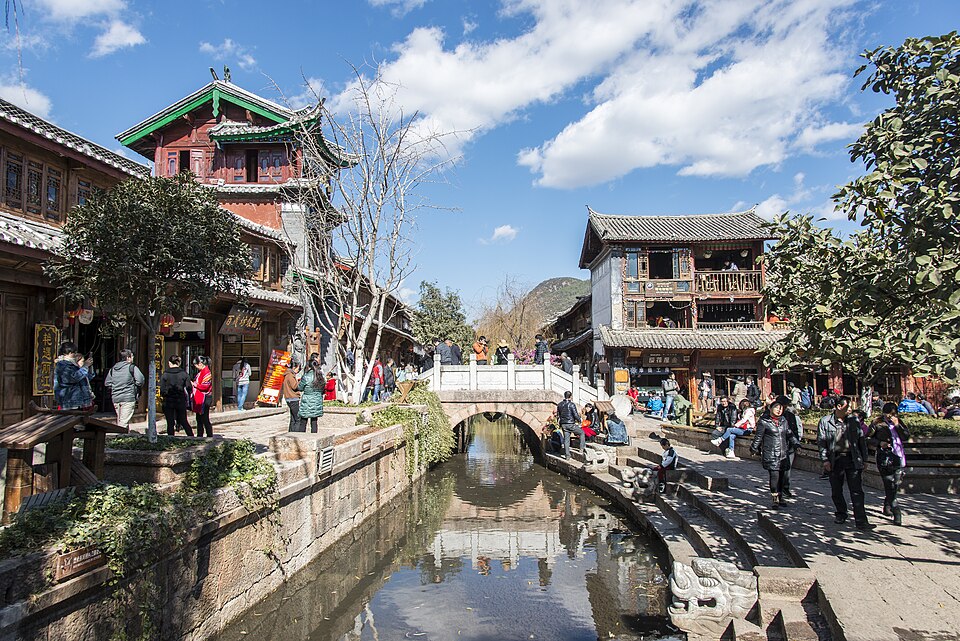
A UNESCO World Heritage Site since 1997, Lijiang's Old Town has over 800 years of history. Home to the Naxi ethnic minority, it's renowned for unique architecture and ancient waterways.
Overview
The Old Town of Lijiang is located in the center of the Lijiang Basin in northwestern Yunnan Province, China, at an altitude of 2,416 meters. Built during the late Song to early Yuan Dynasty, it flourished during the Ming and Qing dynasties and boasts a history of over 800 years. On December 4, 1997, UNESCO inscribed the Old Town of Lijiang on its World Heritage List, recognizing it as one of the best-preserved ancient towns of an ethnic minority in China.
The Old Town consists of three parts: Dayan Ancient Town (the main town), the Baisha residential complex, and the Shuhe residential complex. Remarkably, the ancient town has no city walls — in the Naxi language, it is called "Gongbenzhi," meaning "a market where goods are carried on one's back," reflecting its historical role as a vital trading hub on the Ancient Tea Horse Road.
The town is celebrated for its well-preserved Naxi traditional architecture, unique water management system, and profound cultural heritage, attracting millions of visitors from around the world each year.
History
The history of the Old Town of Lijiang dates back to the late Southern Song Dynasty. The ancestors of the Naxi people established settlements in the Lijiang Basin, which gradually developed into the political, economic, and cultural center of northwestern Yunnan. During the early Ming Dynasty (14th century), the Mu chieftains constructed the Mu Residence within the town, which became the administrative center of Naxi rule.
The town's most prosperous period was during the Qing Dynasty, when it served as a crucial station on the Ancient Tea Horse Road — a network of trade routes connecting Yunnan, Sichuan, and Tibet. Caravans traveled between Lijiang and Lhasa, transporting tea, salt, silk, and other goods, making Lijiang the most flourishing town in northwestern Yunnan.
The 1996 Lijiang earthquake caused severe damage to the ancient town, but extensive reconstruction and restoration efforts successfully restored its historical character. In 2011, Lijiang was designated as a National 5A Tourist Attraction.
Main Attractions
| Attraction | Features | Notes |
|---|---|---|
| Sifang Street | Central square | Site of Naxi traditional festivals and markets |
| Mu Residence | Naxi chieftain's palace | Known as Lijiang's "Forbidden City," Ming Dynasty |
| Wangu Pavilion | Highest point in town | Panoramic views of the ancient town and Jade Dragon Snow Mountain |
| Black Dragon Pool | Natural spring pool | Famous for reflections of Jade Dragon Snow Mountain |
| Shuhe Ancient Town | Quieter ancient town | More tranquil, retains original character |
| Baisha Murals | Ming Dynasty murals | Blend of Han, Tibetan, and Naxi artistic styles |
| Big Water Wheel | Town landmark | Large water wheel at the entrance |
Naxi Culture
Lijiang is the primary settlement of the Naxi ethnic minority, who possess a unique cultural heritage:
- Dongba Culture: The Dongba script of the Naxi people is the world's only pictographic writing system still in use today. In 2003, it was inscribed on UNESCO's Memory of the World Register.
- Naxi Ancient Music: Known as a "living fossil of music," it preserves musical elements from the Tang and Song dynasties.
- Three Rooms and One Screen Wall: The traditional Naxi residential architectural pattern reflects unique living wisdom.
- Traditional Costume: Naxi women wear a sheepskin cape called "carrying the stars and wearing the moon," symbolizing diligence.
Practical Information
| Item | Details |
|---|---|
| Location | Gucheng District, Lijiang, Yunnan Province |
| Altitude | 2,416 meters |
| Best Time to Visit | Spring (March-May) and Autumn (September-November) |
| Transportation | Lijiang Airport, Lijiang Railway Station |
| Ancient Town Maintenance Fee | 50 RMB (includes Black Dragon Pool) |
| Recommended Duration | 2-3 days |
| Nearby Attractions | Jade Dragon Snow Mountain, Tiger Leaping Gorge, Lugu Lake |
| UNESCO Status | Inscribed 1997 (Ref. 811) |
Preservation and Heritage
As tourism has grown rapidly, Lijiang faces challenges of over-commercialization and the loss of indigenous residents. The local government has implemented several measures to protect the town's historical character and Naxi culture:
- Restrictions on the height and style of new buildings within the ancient town to maintain traditional architectural character
- Encouragement for Naxi residents to remain in the town, maintaining living cultural heritage
- Restoration and protection of ancient buildings, ensuring repairs preserve the original style
- Development of cultural tourism, promoting Dongba culture and Naxi ancient music
The Old Town of Lijiang is not only a World Heritage Site but also a living museum of Naxi culture, carrying the historical memory of the diverse cultural integration of the Chinese nation.
Stills & Gallery
Comments (0)