Synopsis
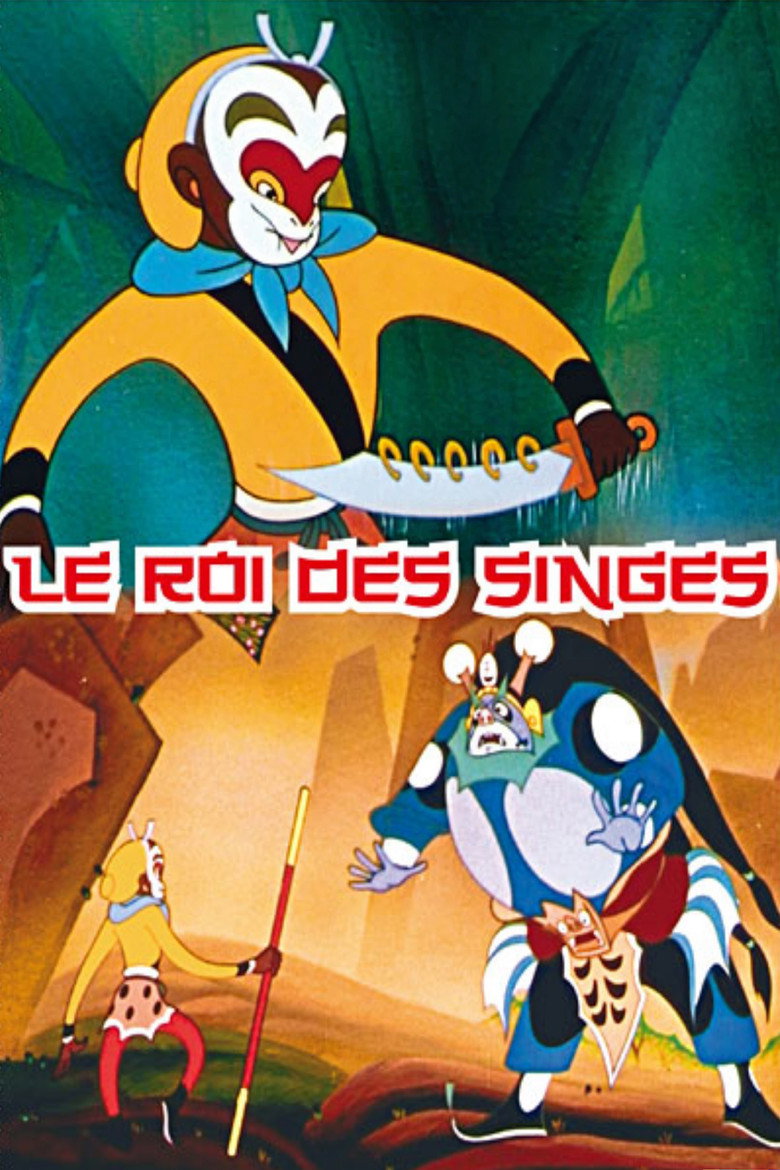
The Stone Monkey of Flower-Fruit Mountain wrecks the Dragon Palace, steals the Peach of Immortality, and battles the entire celestial army. The Shanghai Animation Film Studio's 1961 masterpiece is the pinnacle of Chinese animation. Douban 9.4.
Overview
Havoc in Heaven (Chinese: 大闹天宫) is a two-part animated feature film produced by the Shanghai Animation Film Studio, with Part 1 released in 1961 and Part 2 in 1964. Directed by Wan Laiming and Tang Cheng, it adapts the first seven chapters of Journey to the West, telling the story of the Monkey King's birth and his rebellion against heaven.
With a Douban rating of 9.4 from over 500,000 reviewers, it is the highest-rated animated film in Chinese cinema history. Distributed to 44 countries, it stunned the world with its artistry and remains the most internationally influential Chinese animated film ever made.
Plot Summary
Part One: On the Mountain of Flowers and Fruit in the kingdom of Ao-lai, a stone monkey is born from a rock nourished by heaven and earth. Naming himself the Handsome Monkey King, he first wreaks havoc in the Dragon Palace, seizing the magical Golden-Hooped Rod, then storms the Underworld and erases the names of all monkeys from the Book of Life and Death.
The Celestial Court is alarmed. The Jade Emperor sends Taibai Jinxing to pacify the monkey with a minor title: Keeper of the Heavenly Stables. Enraged by the insult, the Monkey King returns to his mountain and proclaims himself the Great Sage Equal to Heaven. The Court tries appeasement again, appointing him Guardian of the Immortal Peach Garden. But when the Monkey King discovers he has been excluded from the Peach Banquet, his fury knows no bounds — he devours the peaches, drains the imperial wine, and swallows Laozi's elixir pills.
Part Two: The Monkey King's revolt brings the full force of heaven's army against him. One hundred thousand celestial soldiers prove useless. Erlang Shen and Laozi join the battle. Ultimately, the Buddha himself intervenes, trapping the Monkey King beneath the Five Elements Mountain, where he will wait five hundred years to protect the monk Xuanzang on his journey to the West.
Behind the Scenes
The production of Havoc in Heaven took four years and involved over a hundred animators. Director Wan Laiming was the founding father of Chinese animation, having created China's first animated feature, Princess Iron Fan, in 1941.
The film's visual style draws on classical Chinese painting, Peking Opera facial makeup, and Dunhuang murals. The Monkey King's design is derived from the painted faces of Peking Opera martial artists — bold, colorful, and instantly iconic. Clouds, mountains, and celestial palaces are rendered in the flowing ink-wash aesthetic of Song Dynasty landscape painting.
The score by Wu Yingju incorporates Peking Opera percussion and Chinese folk instruments, driving the action sequences with rhythmic energy. Qiu Yuefeng's voice performance as the Monkey King gave the character an untamable, defiant soul.
Cultural Significance
Havoc in Heaven is not just the pinnacle of Chinese animation — it is a permanent symbol of Chinese culture. The Monkey King's rebellion against heaven embodies a universal spirit of defiance and freedom that transcends time and borders.
The film profoundly influenced world animation. Japanese master Osamu Tezuka repeatedly cited it as an inspiration, and Hayao Miyazaki has praised the ink-wash aesthetics of Chinese animation.
In China, the Monkey King is a cultural hero known to every child, and the version in Havoc in Heaven remains the most beloved and iconic of all.
References
- Wikipedia: https://en.wikipedia.org/wiki/Havoc_in_Heaven
- Douban: https://movie.douban.com/subject/1418019/
- Baidu Baike: https://baike.baidu.com/item/大闹天宫
Stills & Gallery
Comments (0)