These are the screen savers currently included in the XScreenSaver distribution.
Click on the thumbnails for a video preview.
 Abstractile
Mosaic patterns of interlocking tiles.
Written by Steve Sundstrom; 2004.
 Alien Beacon
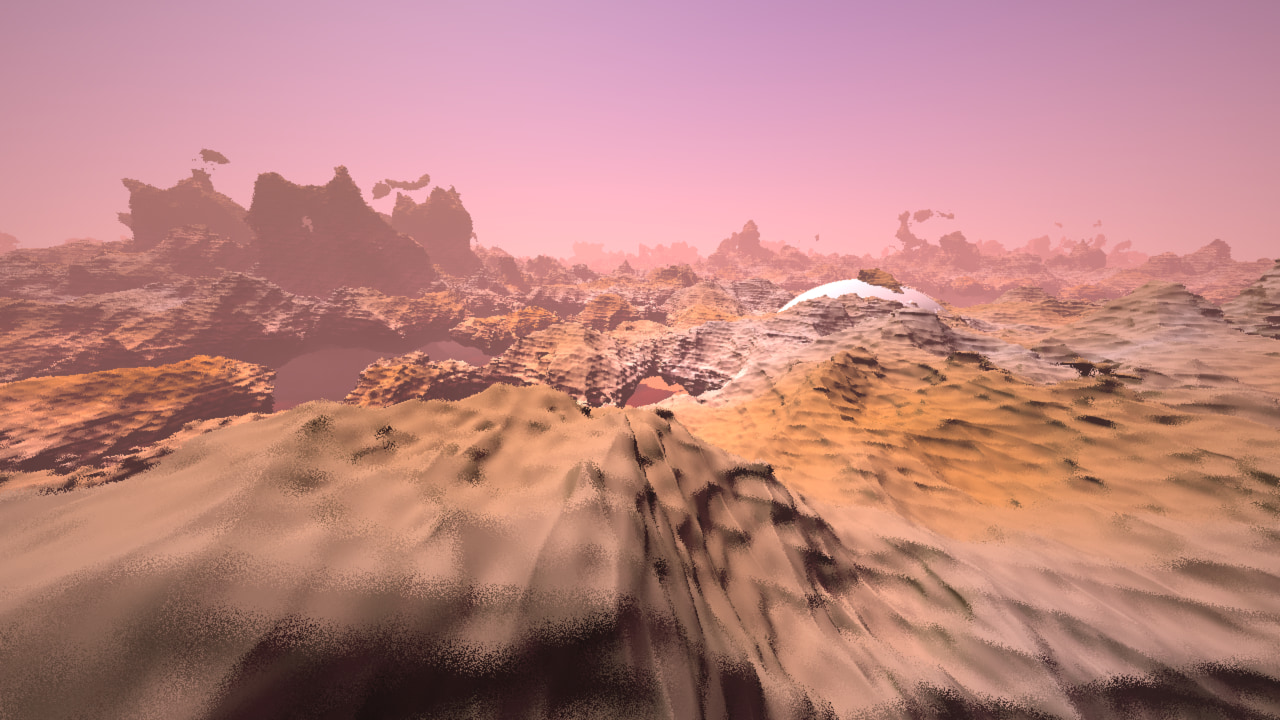
Our investigation of the signal from the planet's surface brought us to what seems to be an alien beacon. Based on the rock formation around the beacon, it was probably left here millions of years ago.
https://
Written by Otavio Good; 2014.
 Anemone
Wiggling tentacles.
Written by Gabriel Finch; 2002.
 Anemotaxis
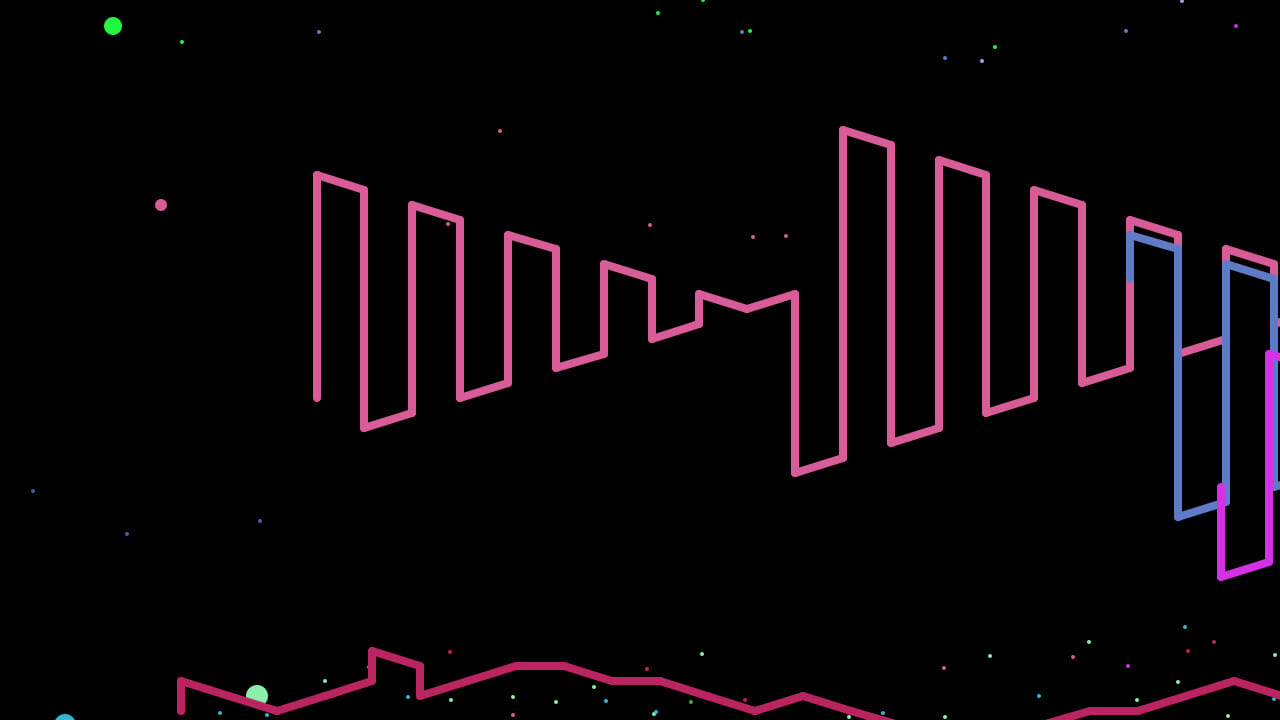
Searches for a source of odor in a turbulent atmosphere. The searcher is able to sense the odor and determine local instantaneous wind direction. The goal is to find the source in the shortest mean time.
Written by Eugene Balkovsky; 2004.
 Ant Inspect
Ants move spheres around a circle.
Written by Blair Tennessy; 2004.
 Ant Maze
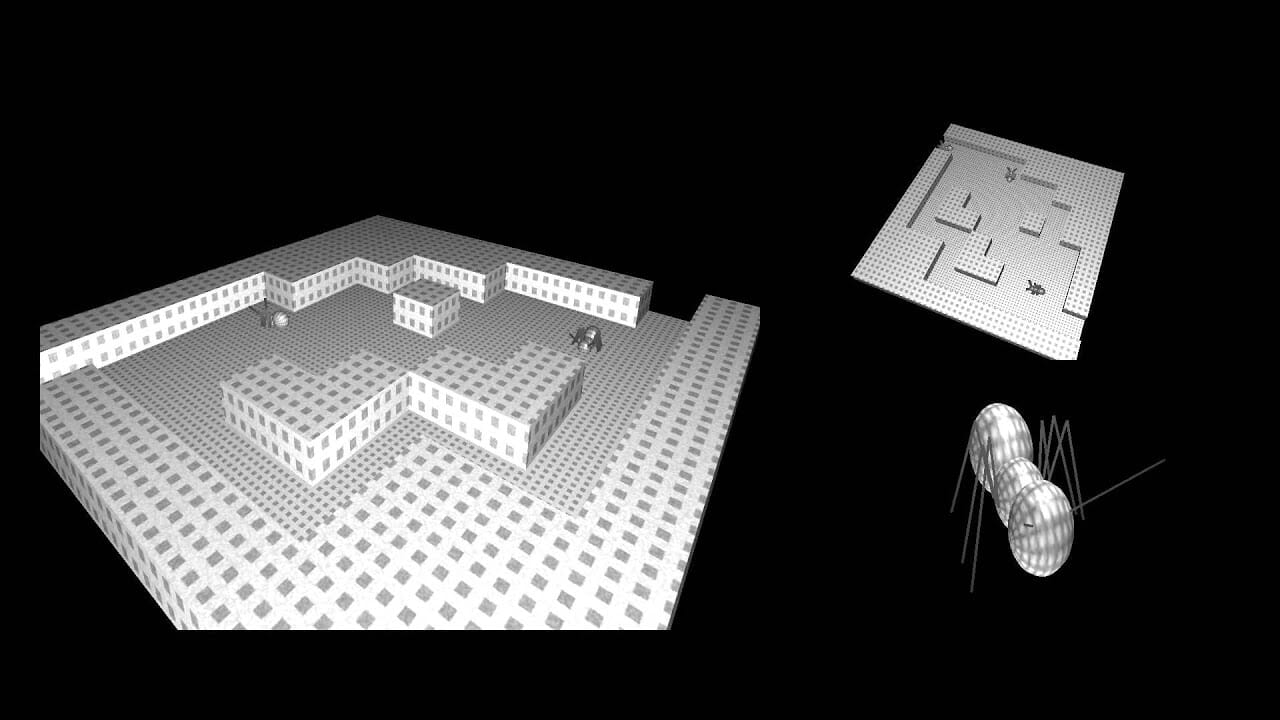
Ants walk around a simple maze.
Written by Blair Tennessy; 2005.
 Ant Spotlight
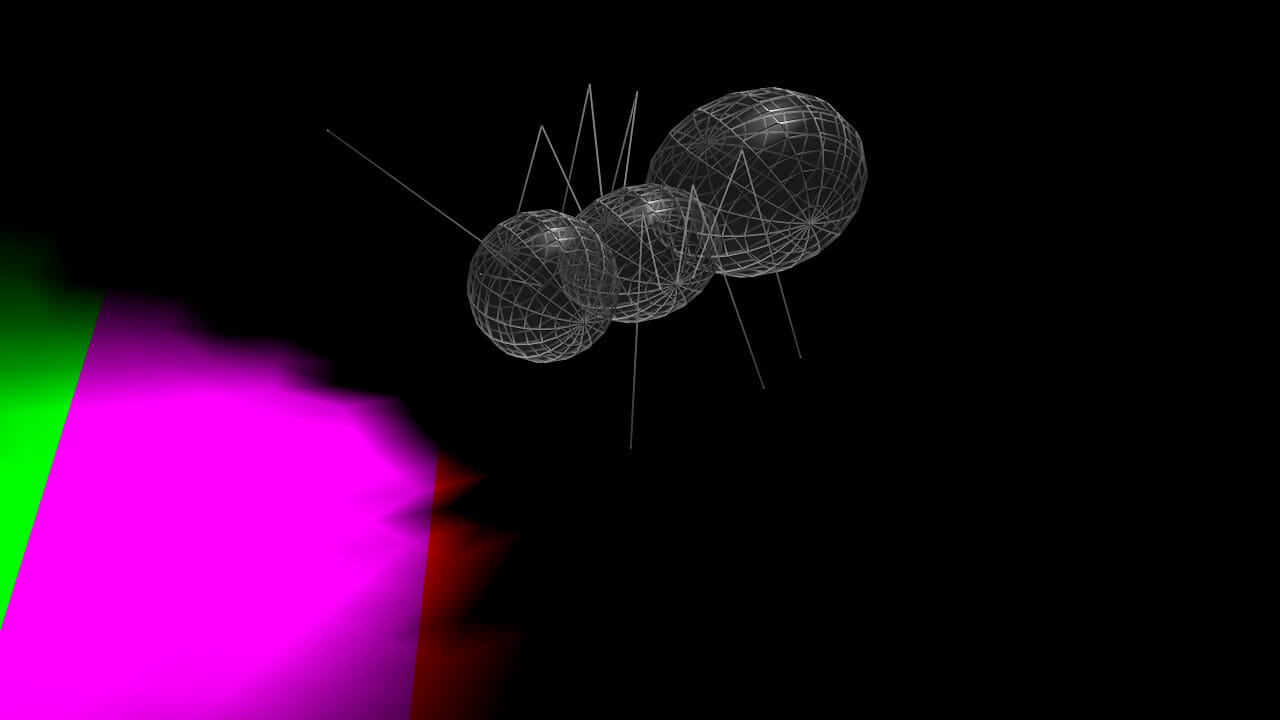
An ant walks over an image.
Written by Blair Tennessy; 2003.
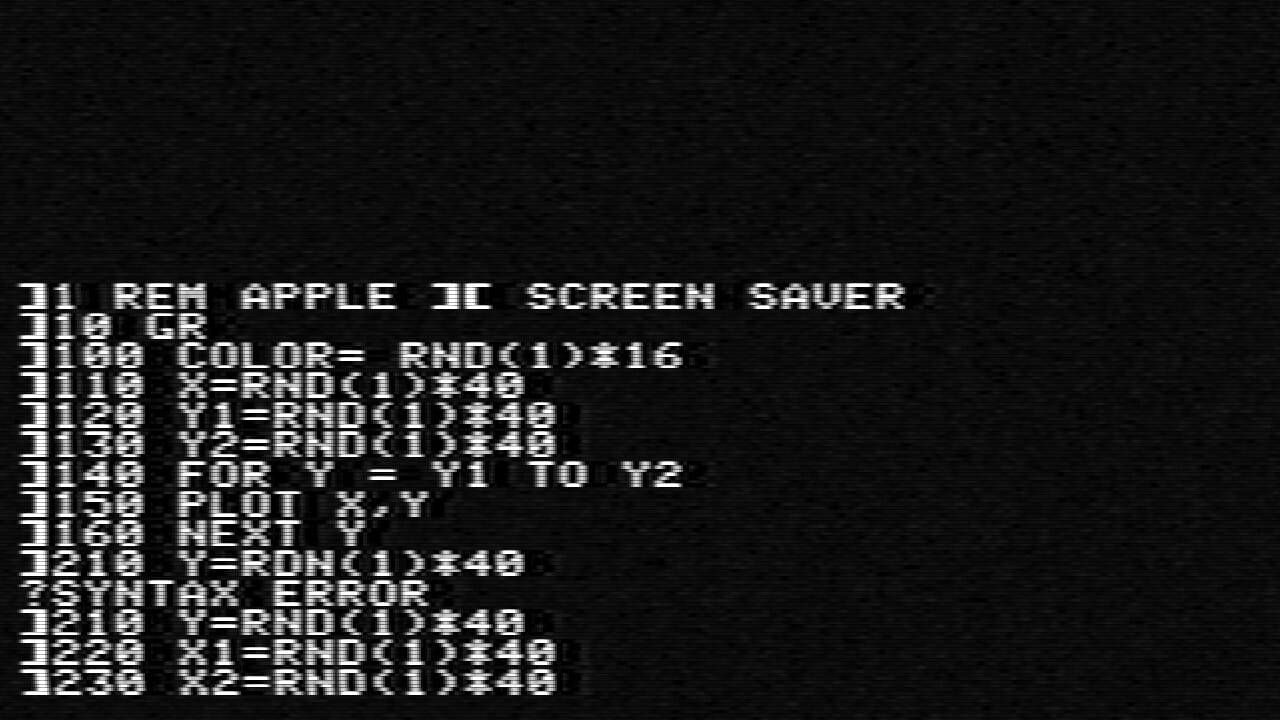 Apple ][
An Apple ][+ computer simulation, in all its 1979 glory. It also reproduces the appearance of display on a color television set of the period.
In "Basic Programming Mode", a simulated user types in a BASIC program and runs it. In "Text Mode", it displays the output of a program, or the contents of a file or URL. In "Slideshow Mode", it chooses random images and displays them within the limitations of the Apple ][ display hardware. (Six available colors in hi-res mode!)
On MacOS and Linux, this program is also a fully-functional VT100 emulator! Run it as an application instead of as a screen saver and you can use it as a terminal.
Written by Trevor Blackwell and Jamie Zawinski; 2003.
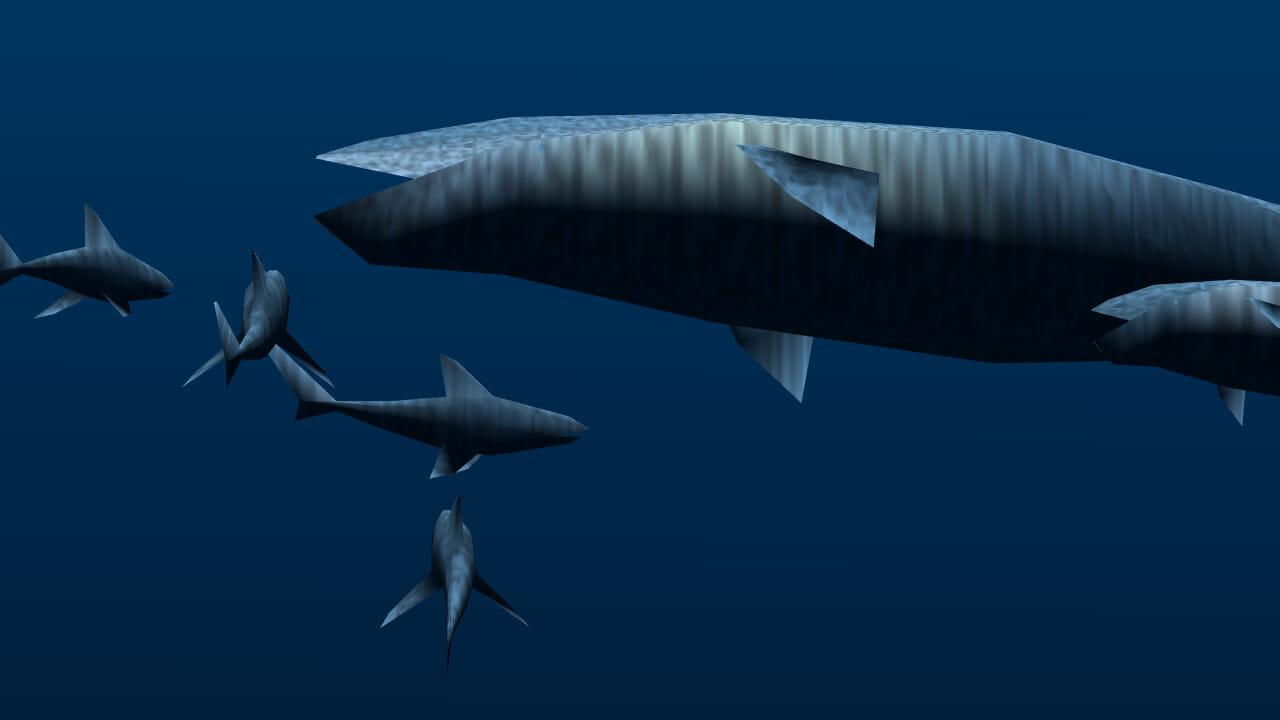 Atlantis
Sharks, dolphins and whales.
Written by Mark Kilgard; 1998.
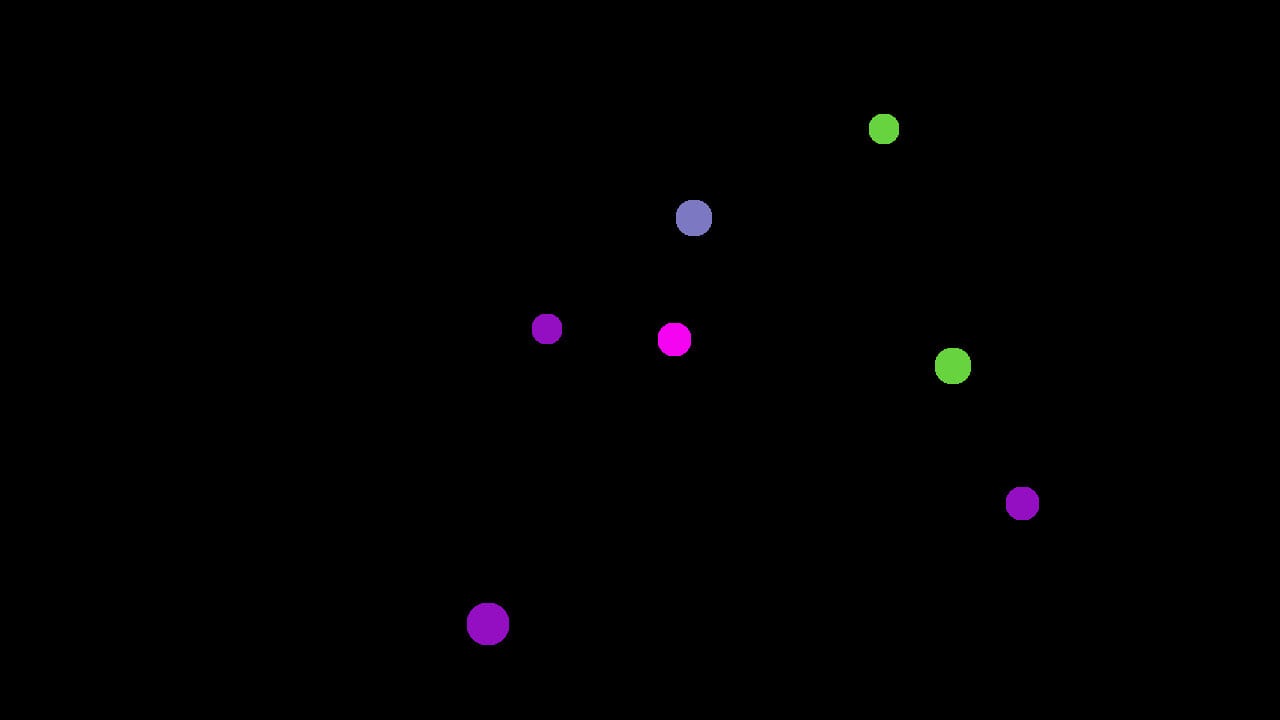 Attraction
Points attract each other and then repel, similar to the strong and weak nuclear forces.
Written by Jamie Zawinski and John Pezaris; 1992.
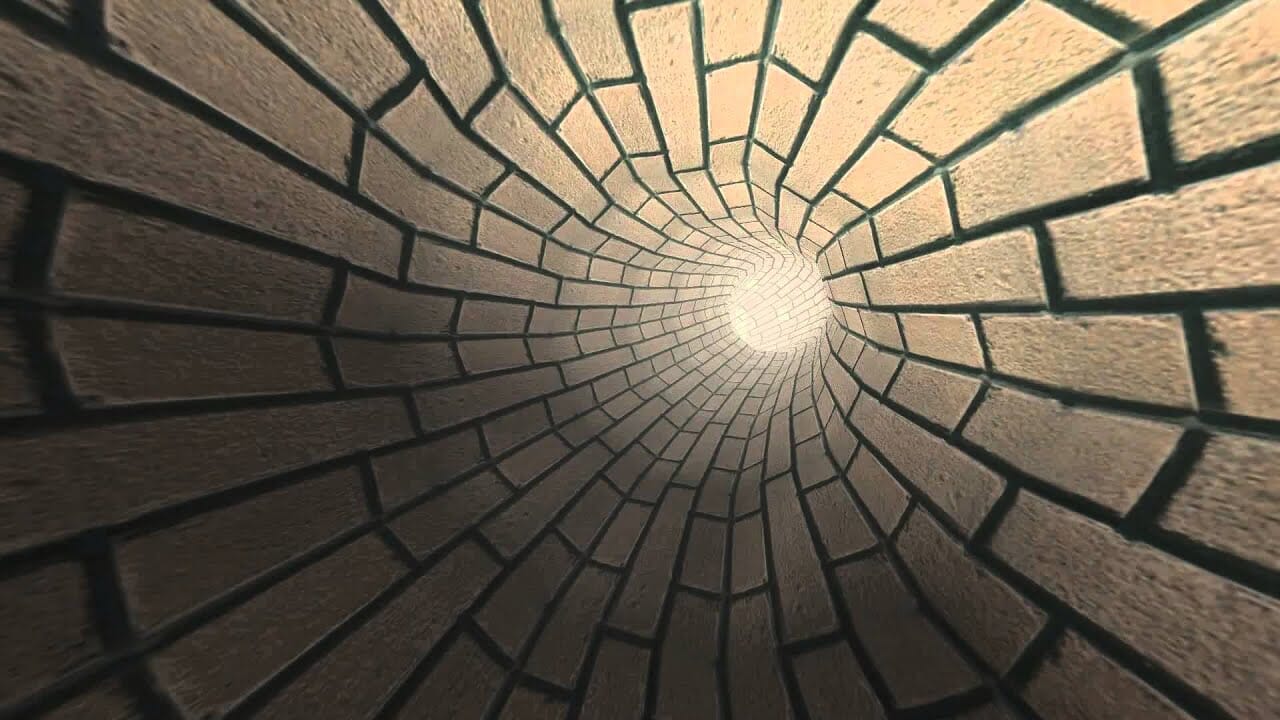 Atunnel
Zooming through a textured tunnel.
Written by Eric Lassauge and Roman Podobedov; 2003.
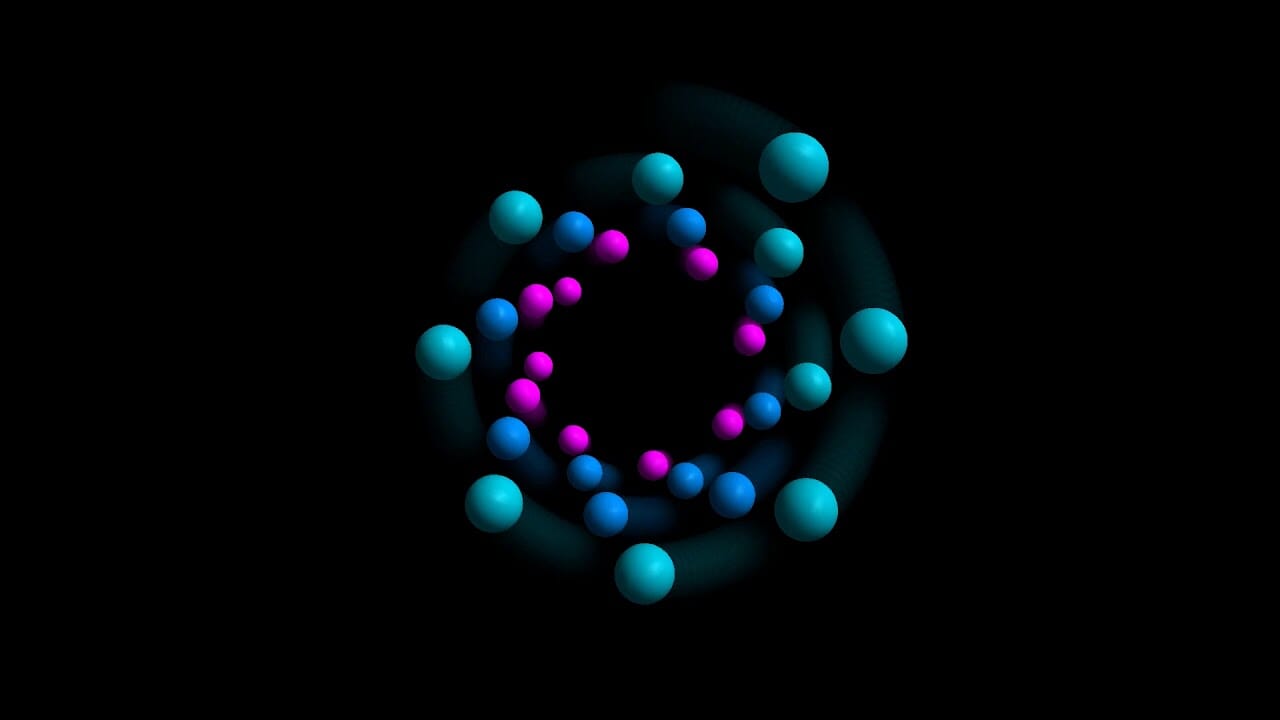 Beats
BeatsDraws figures that move around at a slightly different rate from each other, creating interesting chaotic and ordered patterns.
Written by David Eccles; 2020.
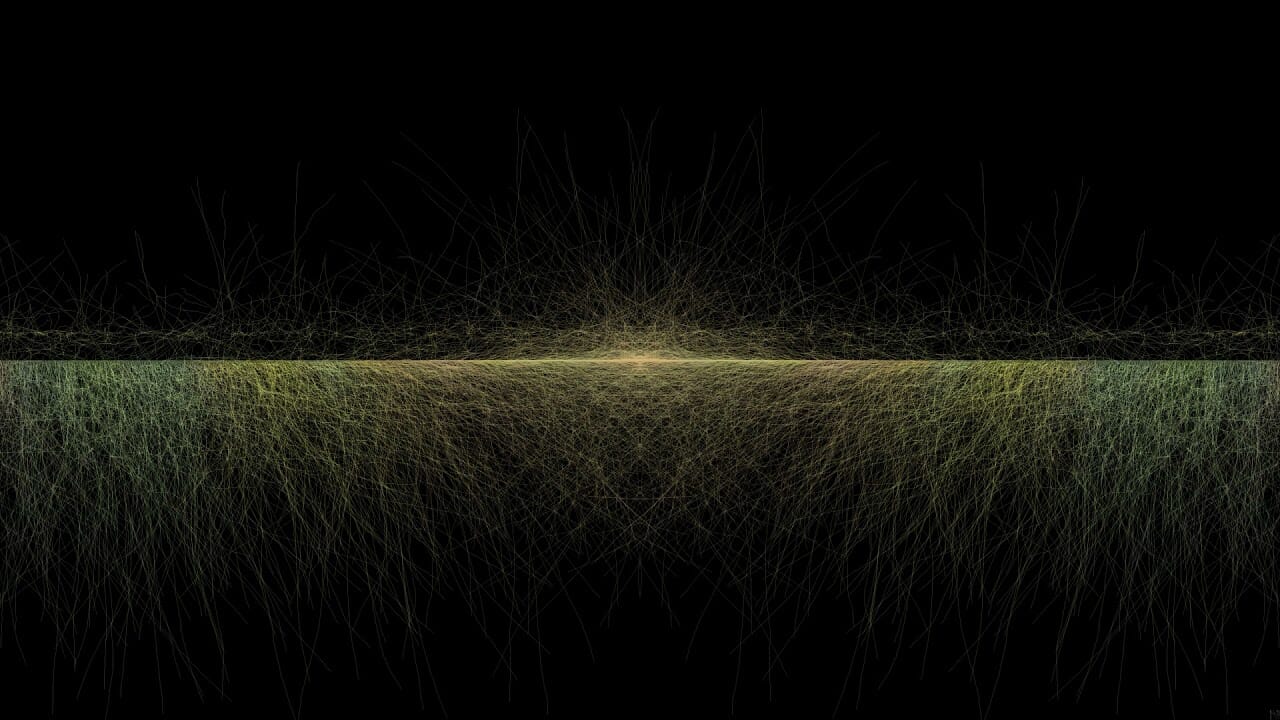 Binary Horizon
A system of path tracing particles evolves continuously from an initial horizon, alternating between colors.
Written by Patrick Leiser, J. Tarbell and Emilio Del Tessandoro; 2021.
 Binary Ring
A system of path tracing particles evolves continuously from an initial creation, alternating dark and light colors.
Written by J. Tarbell and Emilio Del Tessandoro; 2014.
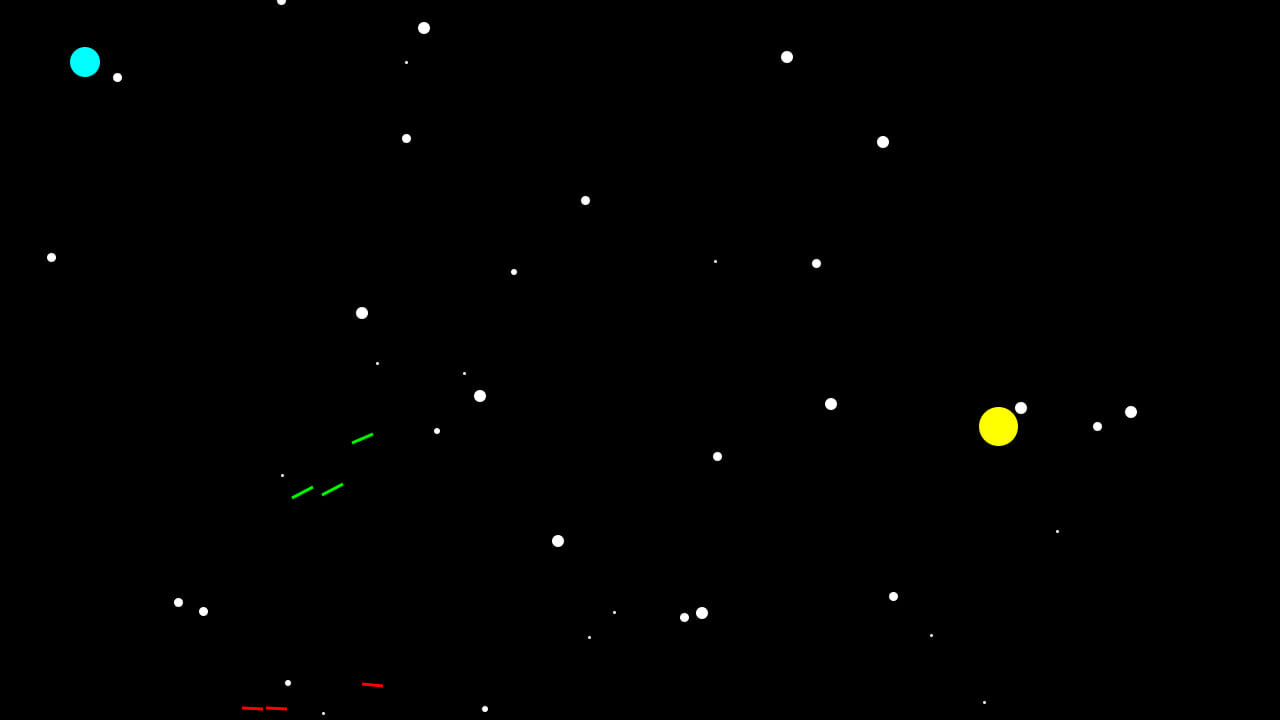 Blaster
Flying space-combat robots (cleverly disguised as colored circles) do battle in front of a moving star field.
Written by Jonathan Lin; 1999.
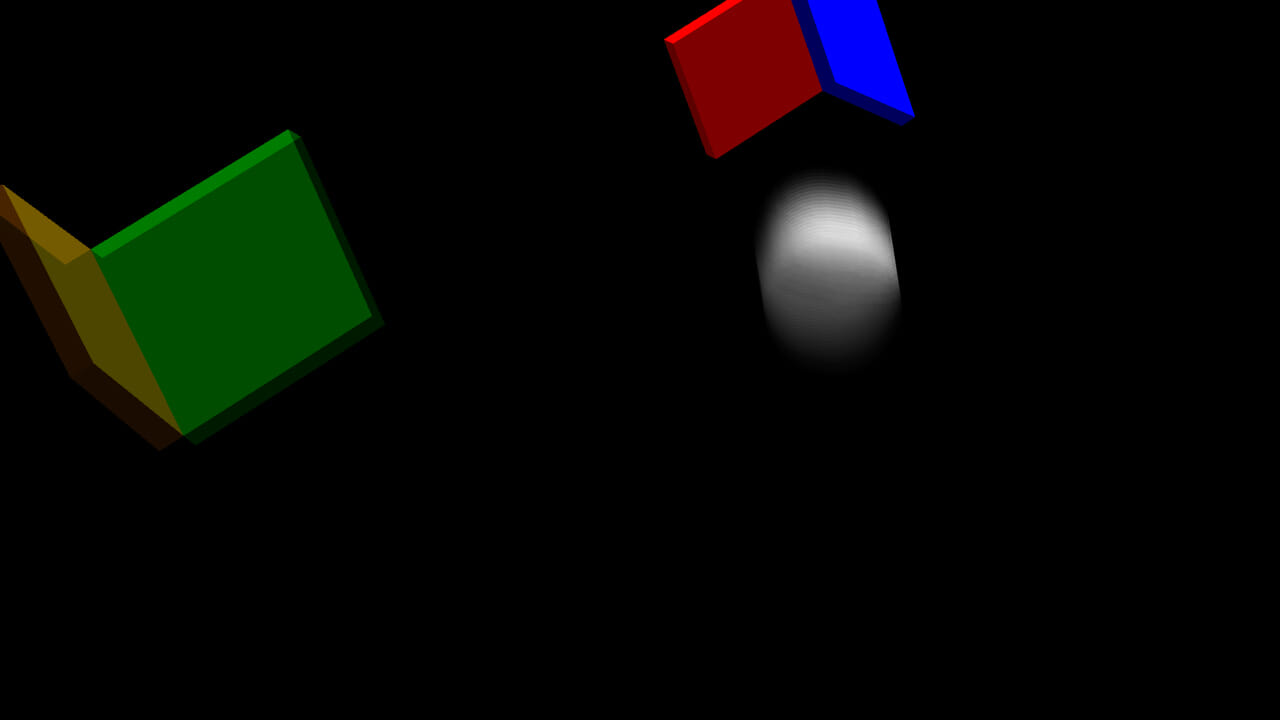 Blink Box
A motion-blurred ball bounces inside a box whose tiles only become visible upon impact.
Written by Jeremy English; 2003.
 Blit Spin
Repeatedly rotates an image by 90 degrees by using bitwise-logical operations.
The bitmap is divided into quadrants, and the quadrants are shifted clockwise. Then the same thing is done again with progressively smaller quadrants, except that all sub-quadrants of a given size are rotated in parallel. As you watch it, the image appears to dissolve into static and then reconstitute itself, but rotated.
Written by Jamie Zawinski; 1992.
 Block Tube
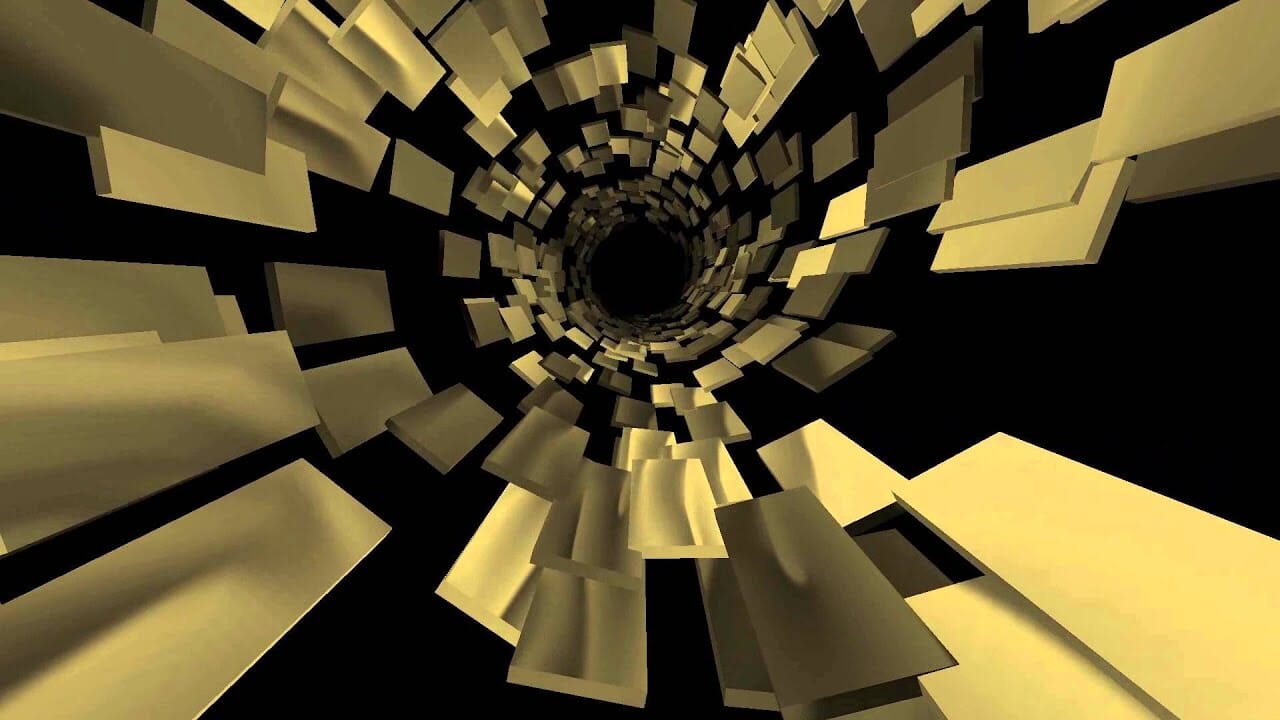
A swirling, falling tunnel of reflective slabs. They fade from hue to hue.
Written by Lars R. Damerow; 2003.
 Boing
BoingA clone of the first graphics demo for the Amiga 1000.
The original Boing was written by Dale Luck and RJ Mical during a break at the 1984 Consumer Electronics Show (or so the legend goes.)
Wikipedia: "Amiga: Boing Ball"
Written by Jamie Zawinski; 2005.
 Bouboule
A deforming balloon with varying-sized spots painted on its invisible surface.
Written by Jeremie Petit; 1997.
 Bouncing Cow
A Cow. A Trampoline. Together, they fight crime.
Written by Jamie Zawinski; 2003.
 Boxed
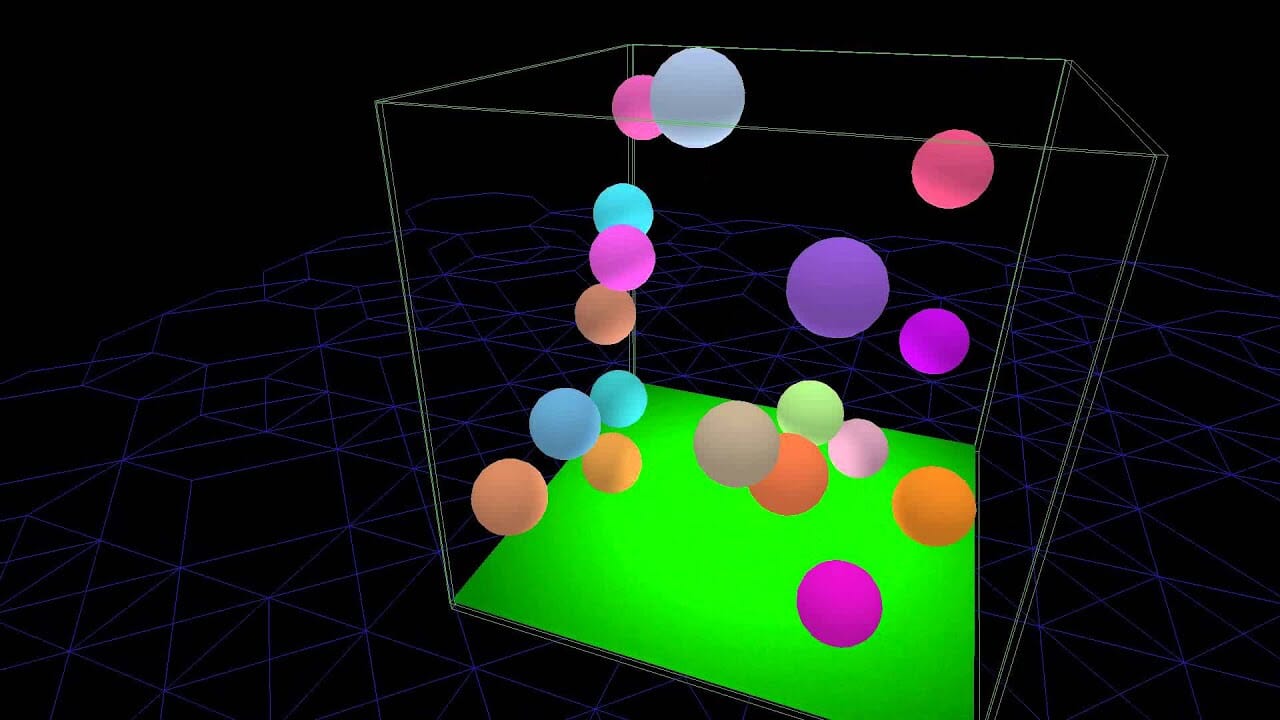
BoxedA box full of 3D bouncing balls that explode.
Written by Sander van Grieken; 2002.
 Box Fit
Packs the screen with growing squares or circles which grow until they touch, then stop.
Written by Jamie Zawinski; 2005.
 Braid
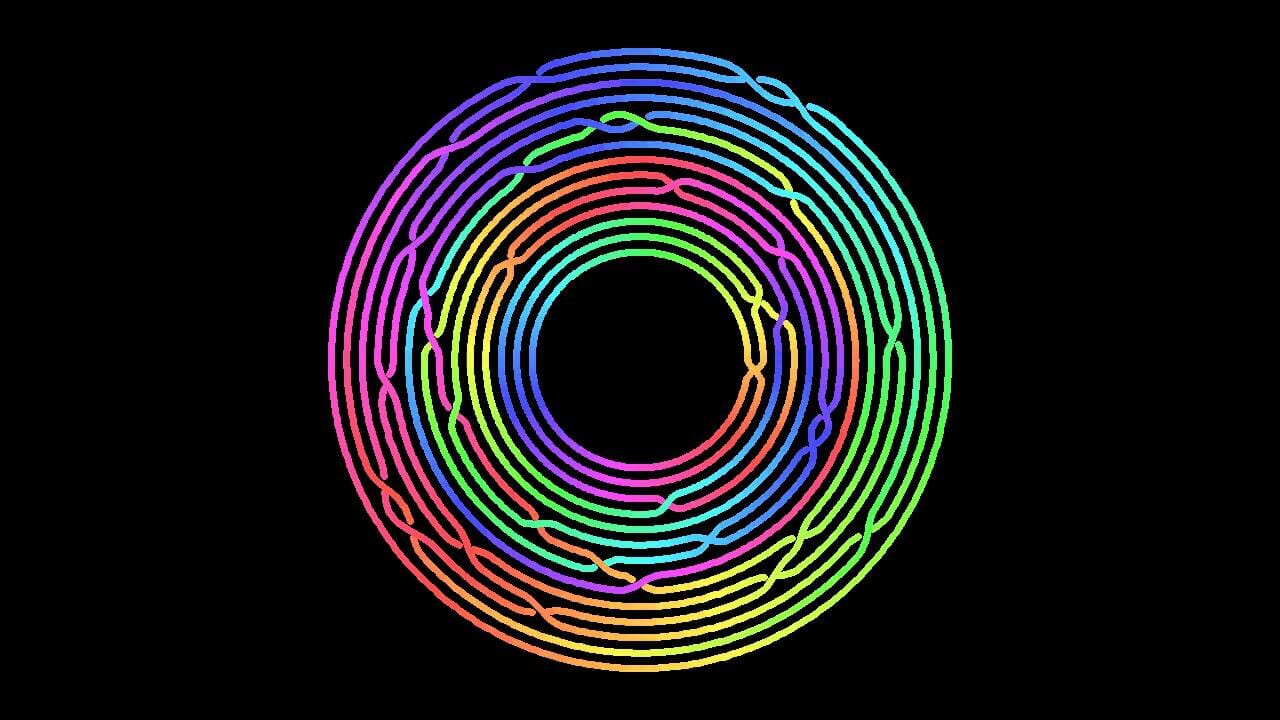
BraidInter-braided concentric circles.
Written by John Neil; 1997.
 Bubble 3D
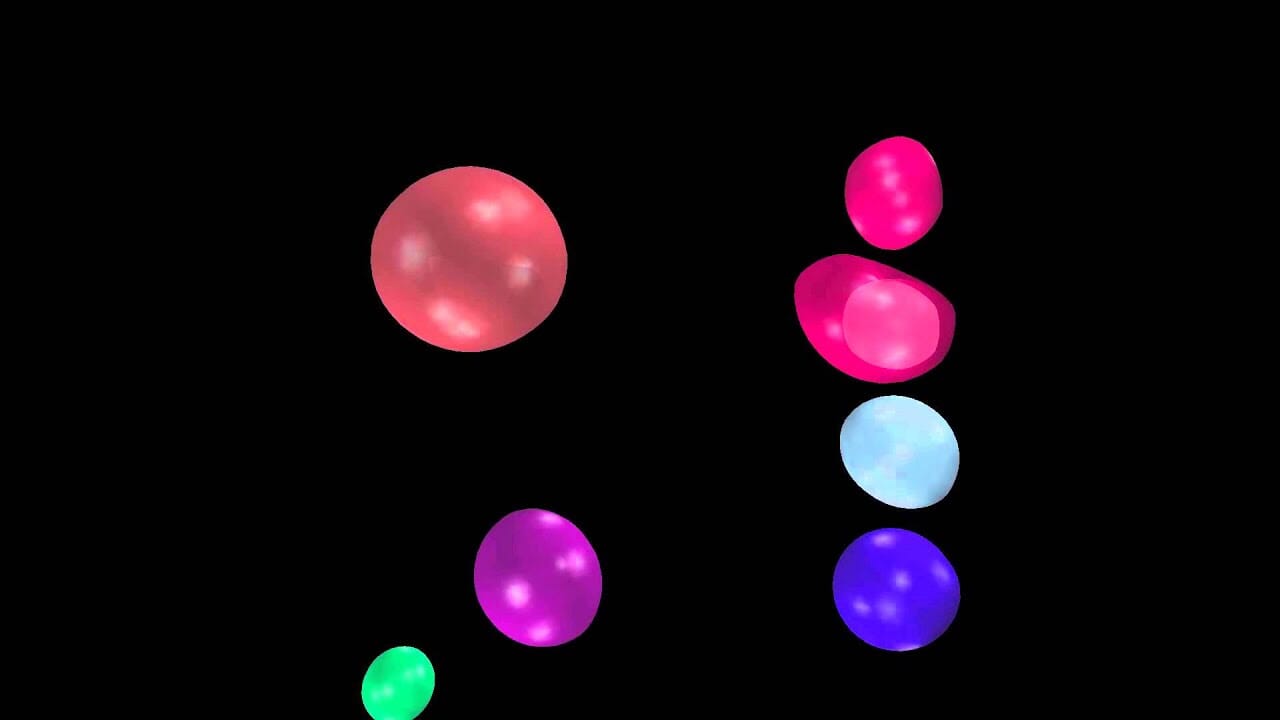
Rising, undulating 3D bubbles, with transparency and specular reflections.
Written by Richard Jones; 1998.
 Bumps
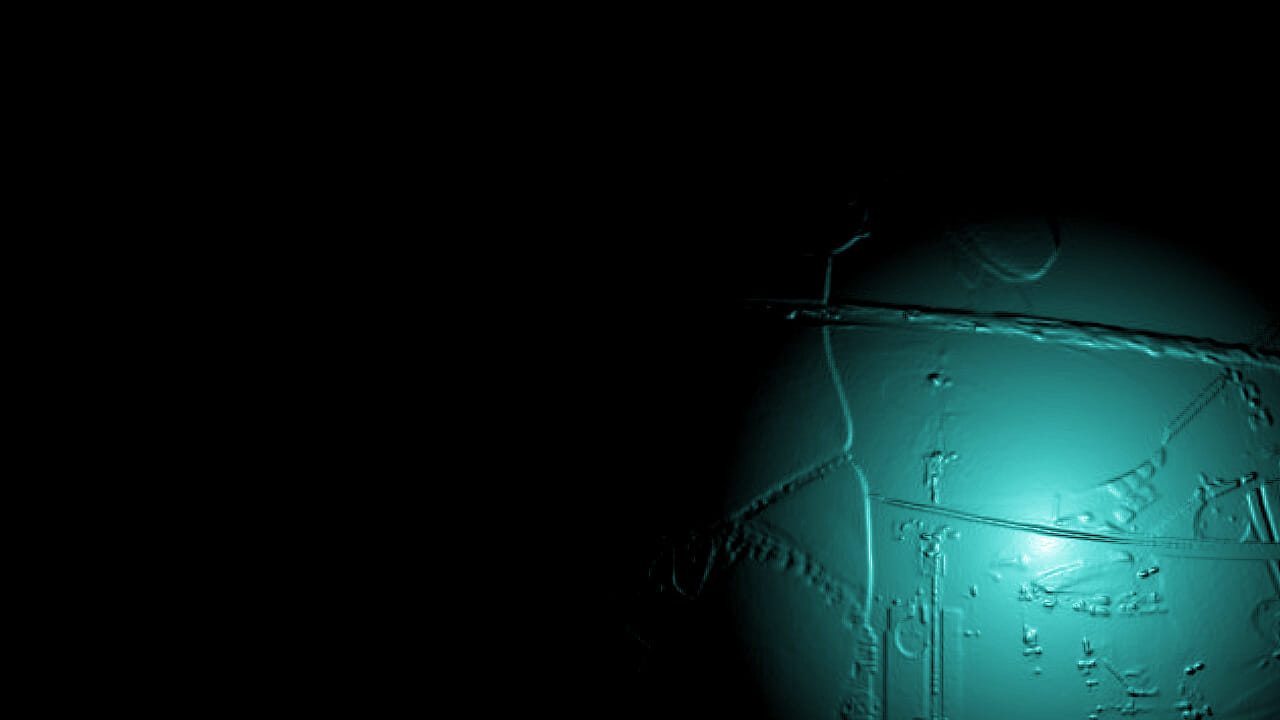
BumpsA spotlight roams across an embossed version of a loaded image.
Written by Shane Smit; 1999.
 Carousel
Loads several random images, and displays them flying in a circular formation. Images are replaced periodically.
Written by Jamie Zawinski; 2005.
 C Curve
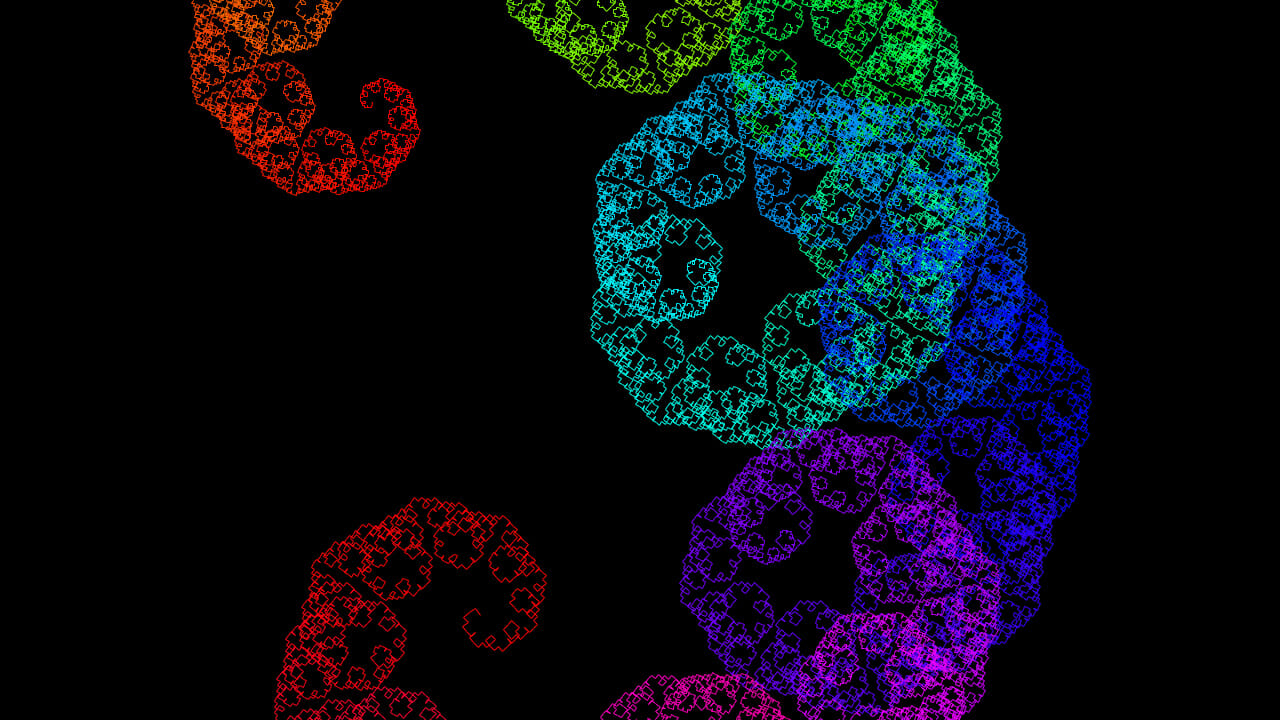
Generates self-similar linear fractals, including the classic "C Curve".
Written by Rick Campbell; 1999.
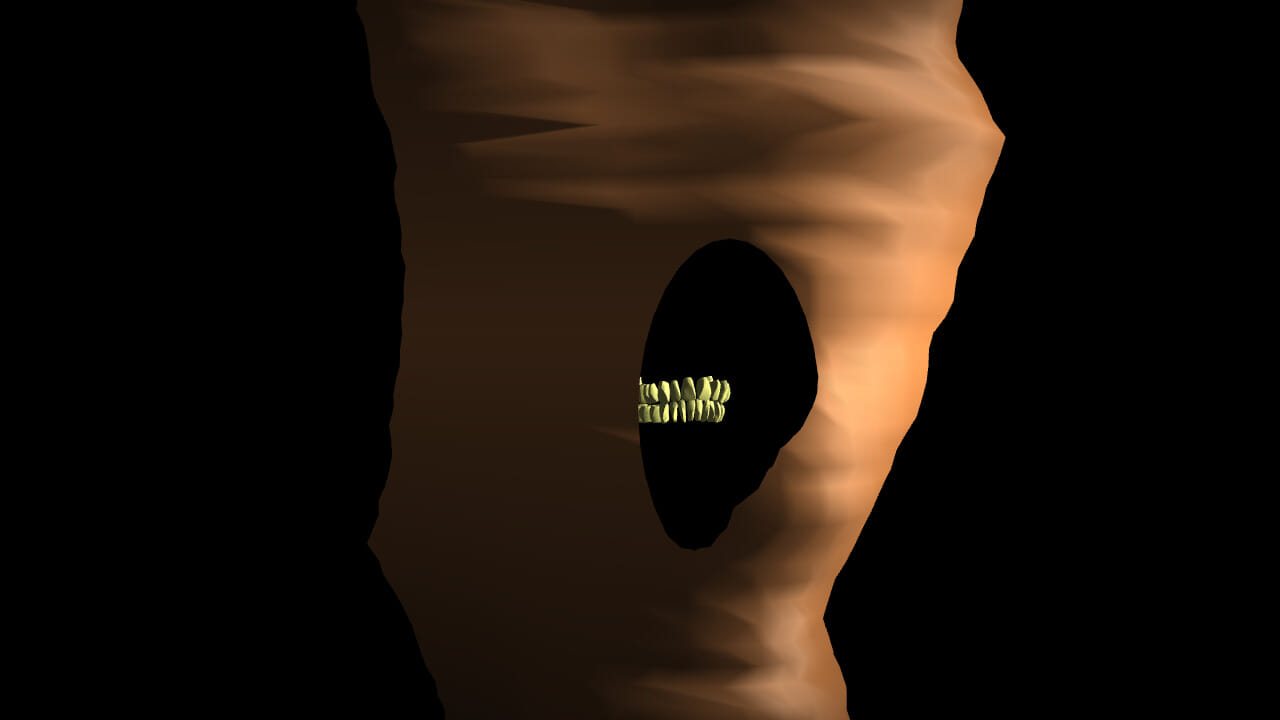 Chompy Tower
This tree's got teeth!
Written by Jamie Zawinski; 2022.
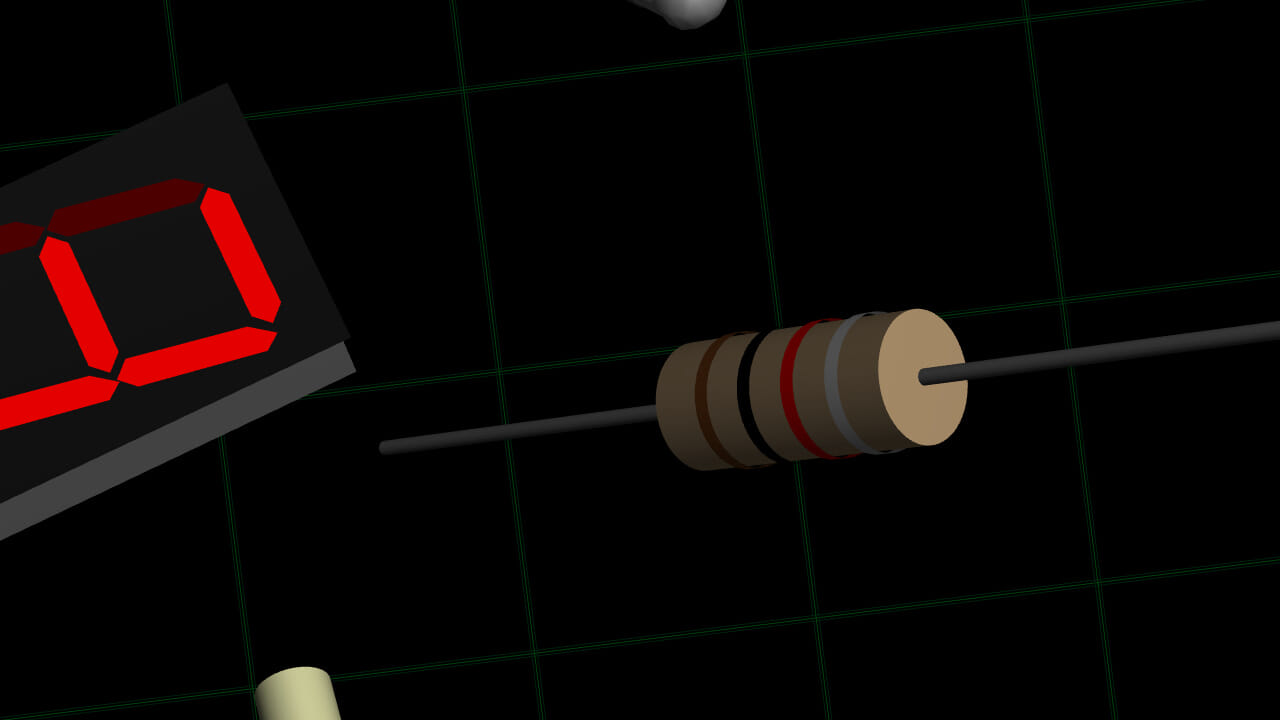 Circuit
Electronic components float around.
Written by Ben Buxton; 2001.
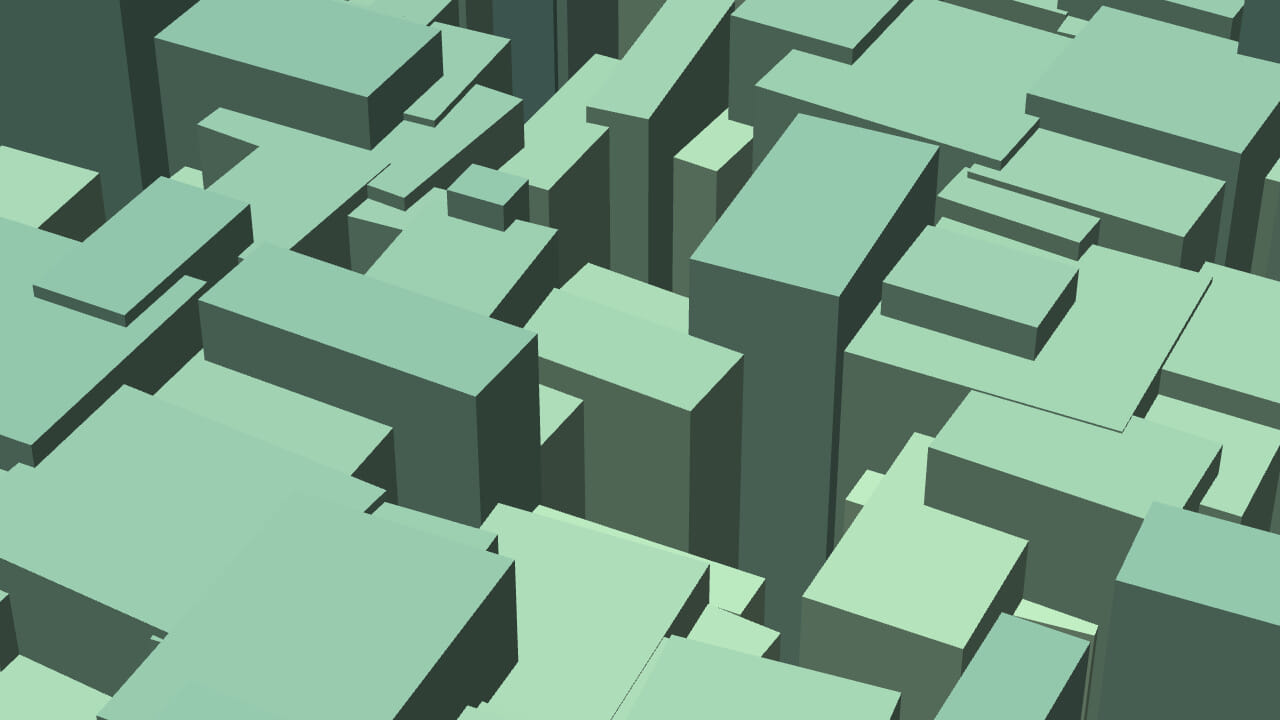 City Flow
Waves move across a sea of boxes. The city swells. The walls are closing in.
Written by Jamie Zawinski; 2014.
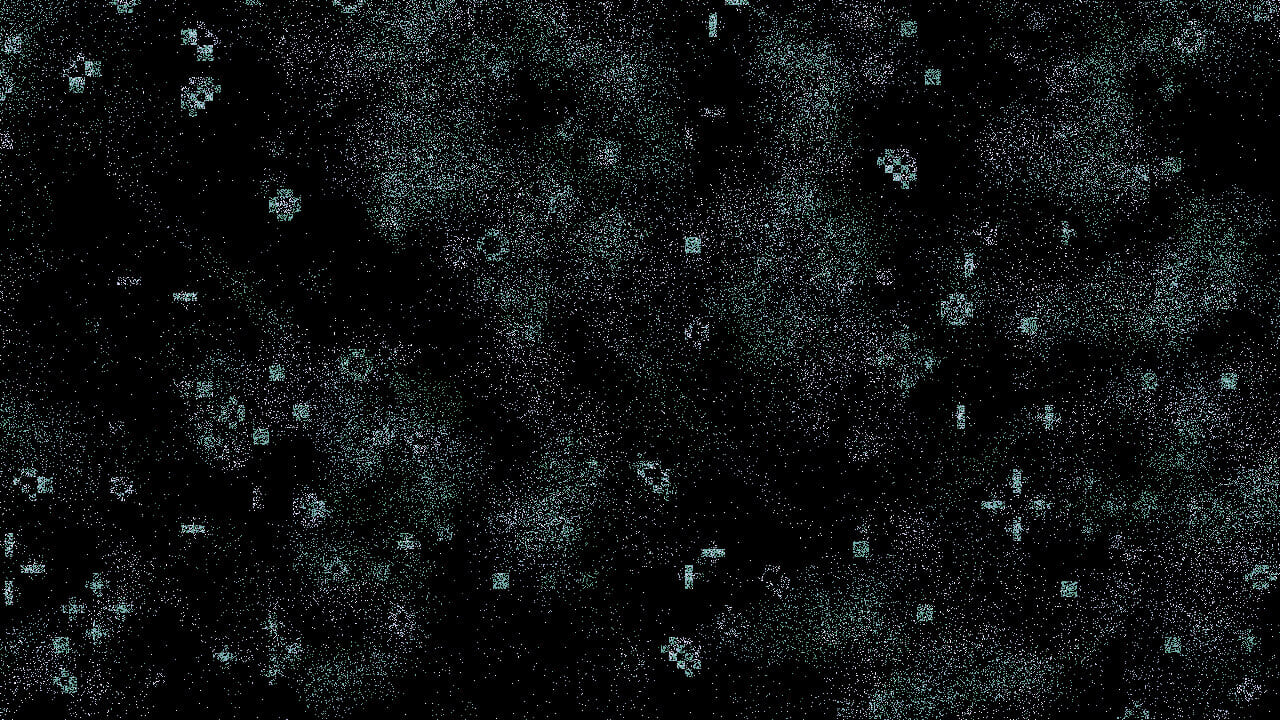 Cloud Life
Cloud-like formations based on a variant of Conway's Life.
The difference is that cells have a maximum age, after which they count as 3 for populating the next generation. This makes long-lived formations explode instead of just sitting there.
Wikipedia: "Conway's Game of Life"
Written by Don Marti; 2003.
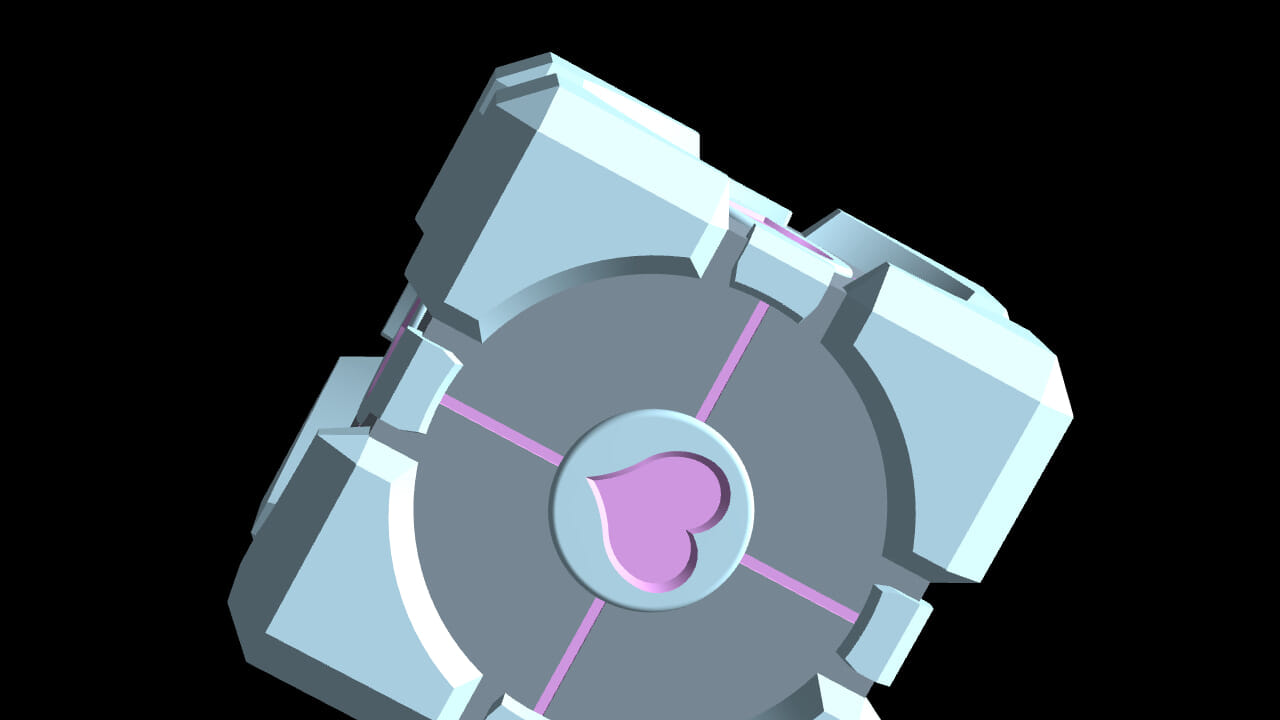 Companion Cube
The symptoms most commonly produced by Enrichment Center testing are superstition, perceiving inanimate objects as alive, and hallucinations. The Enrichment Center reminds you that the weighted companion cube will never threaten to stab you and, in fact, cannot speak. In the event that the Weighted Companion Cube does speak, the Enrichment Center urges you to disregard its advice.
Written by Jamie Zawinski; 2011.
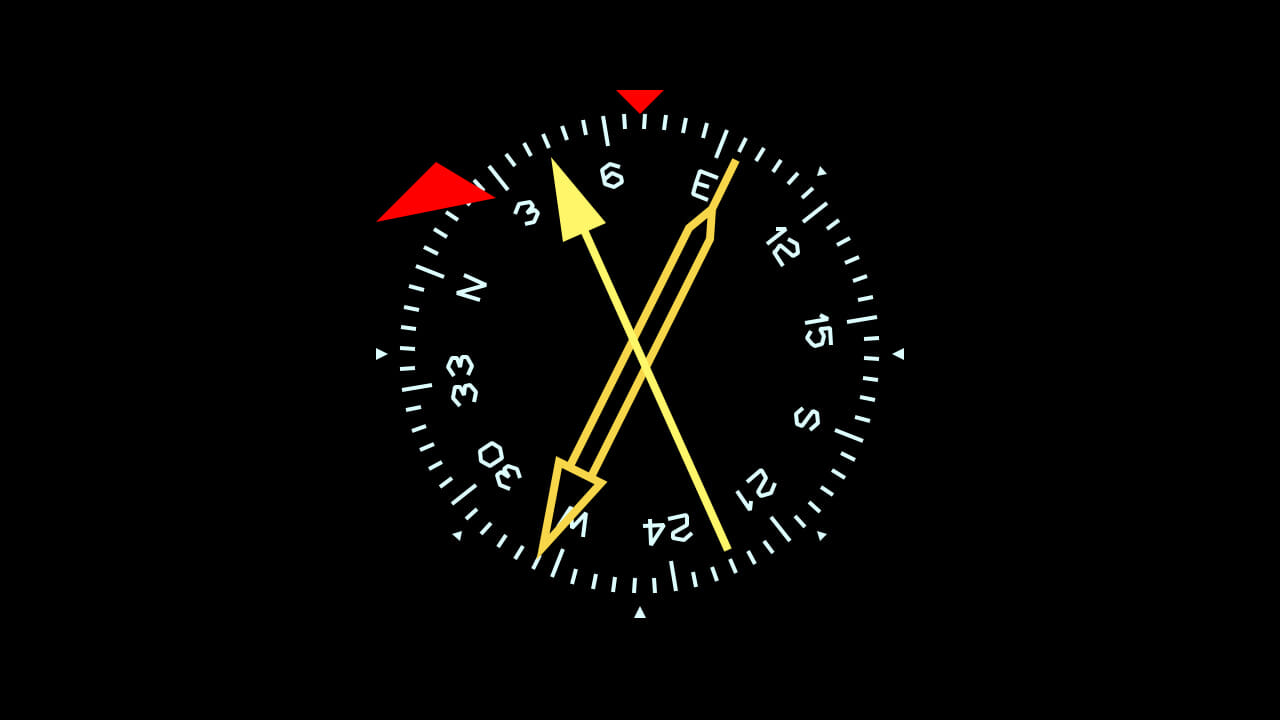 Compass
A compass, with all elements spinning about randomly, for that "lost and nauseous" feeling.
Written by Jamie Zawinski; 1999.
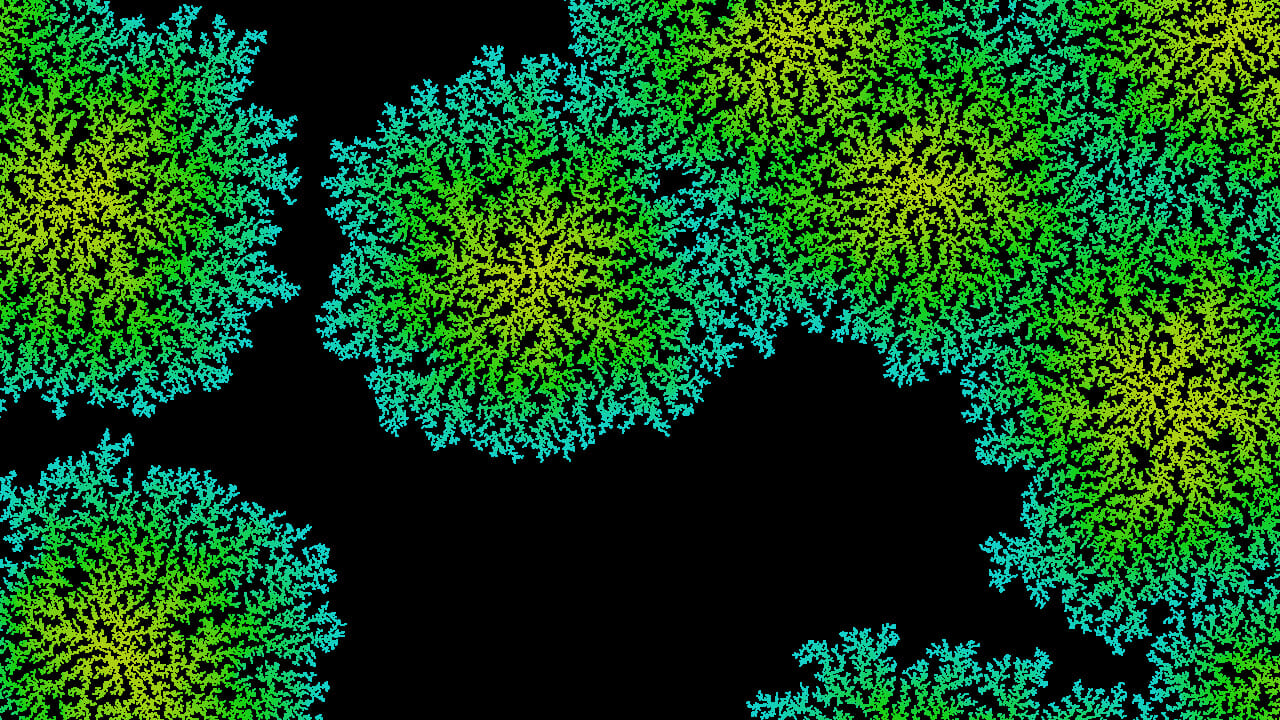 Coral
CoralSimulates colorful coral growth.
Written by Frederick Roeber; 1997.
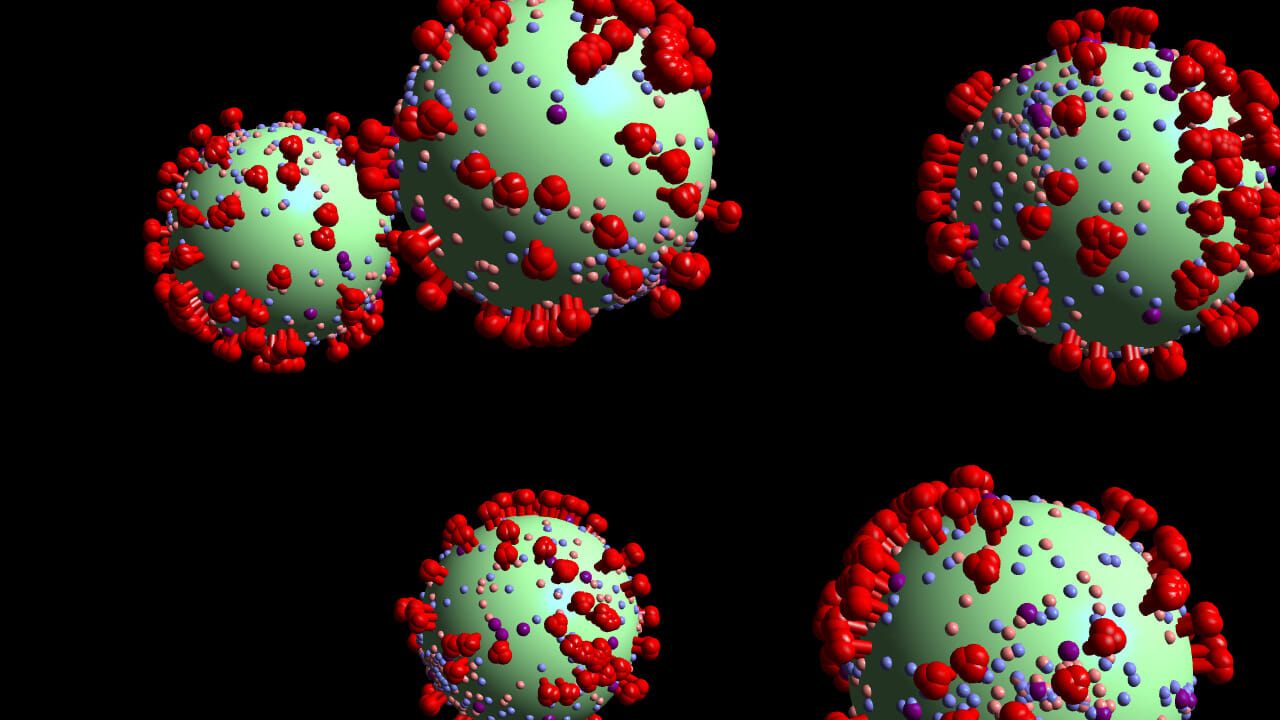 COVID19
SARS-CoV-2. Get vaccinated. Wear a mask.
Written by Jamie Zawinski; 2020.
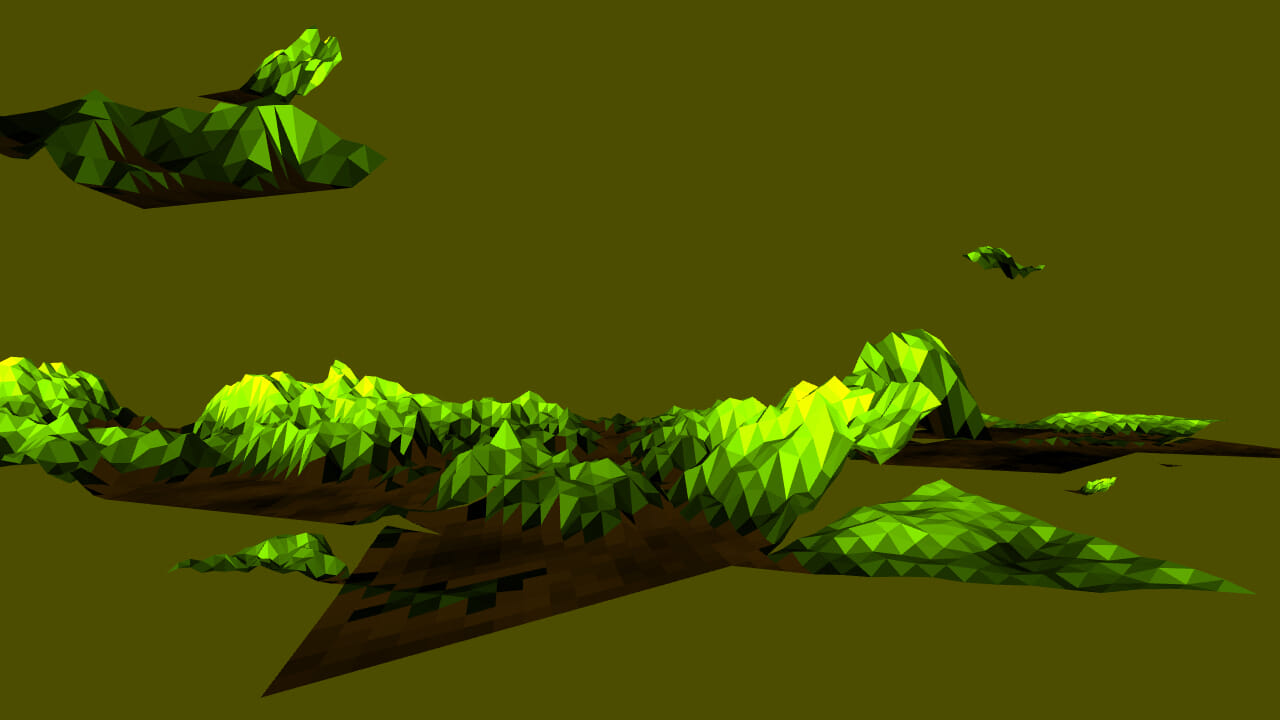 Crackberg
Flies through height maps, optionally animating the creation and destruction of generated tiles; tiles `grow' into place.
Written by Matus Telgarsky; 2005.
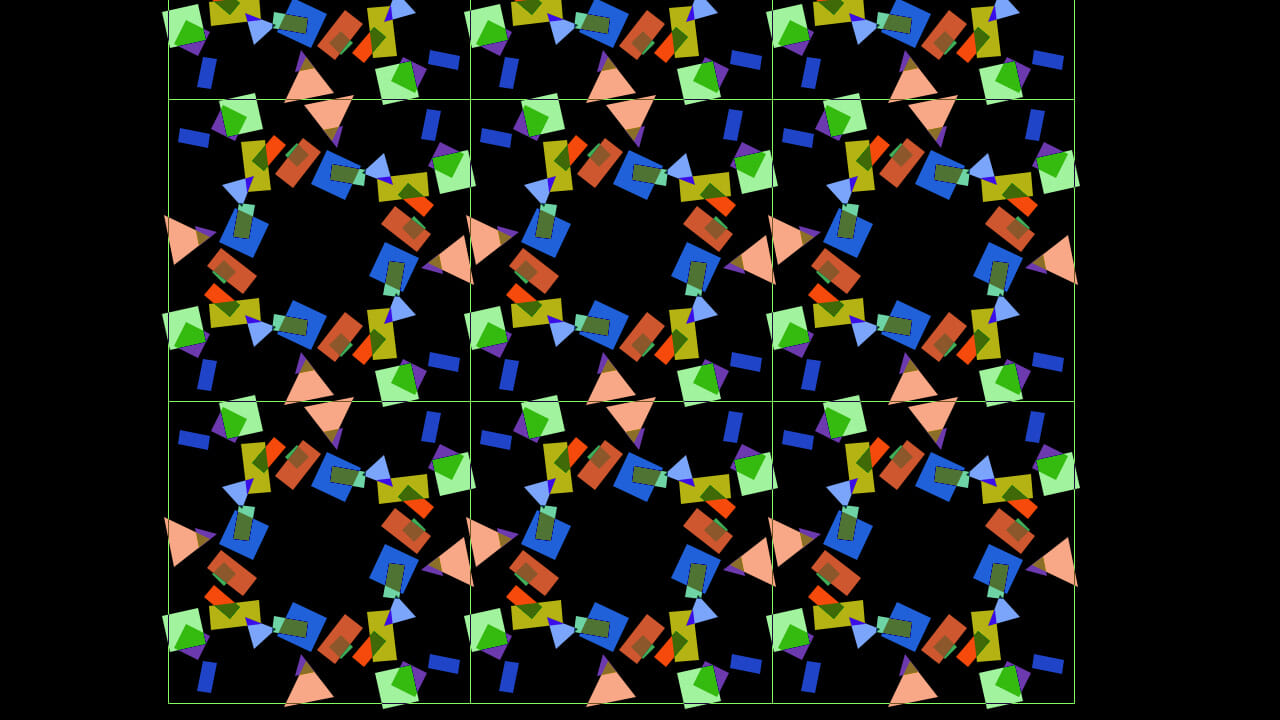 Crystal
Moving polygons, similar to a kaleidoscope.
See also the "Kaleidescope" and "GLeidescope" screen savers.
Written by Jouk Jansen; 1998.
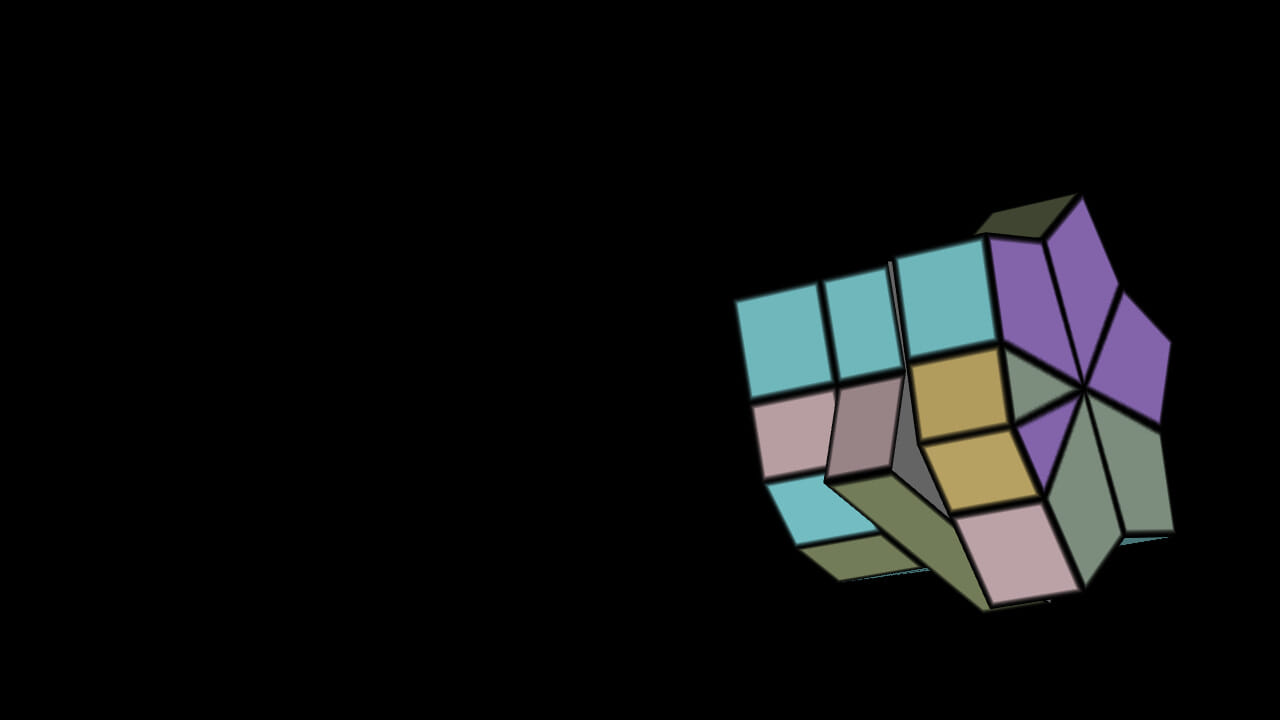 Cube 21
The "Cube 21" Rubik-like puzzle, also known as "Square-1". The rotations are chosen randomly.
See also the "Rubik", "RubikBlocks" and "GLSnake" screen savers.
Written by Vasek Potocek; 2005.
 Cubenetic
A cubist Lavalite, sort of. A pulsating set of overlapping boxes with ever-changing blobby patterns undulating across their surfaces.
Written by Jamie Zawinski; 2002.
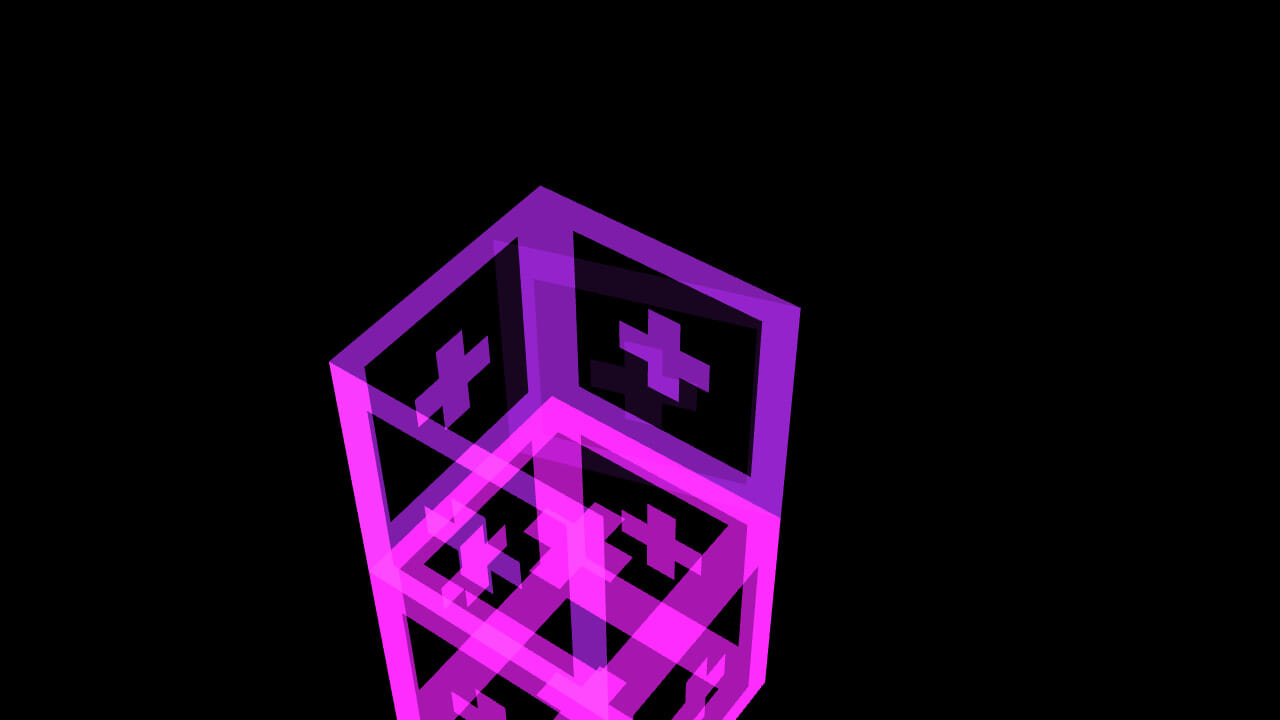 Cube Stack
An endless stack of unfolding, translucent cubes.
Written by Jamie Zawinski; 2016.
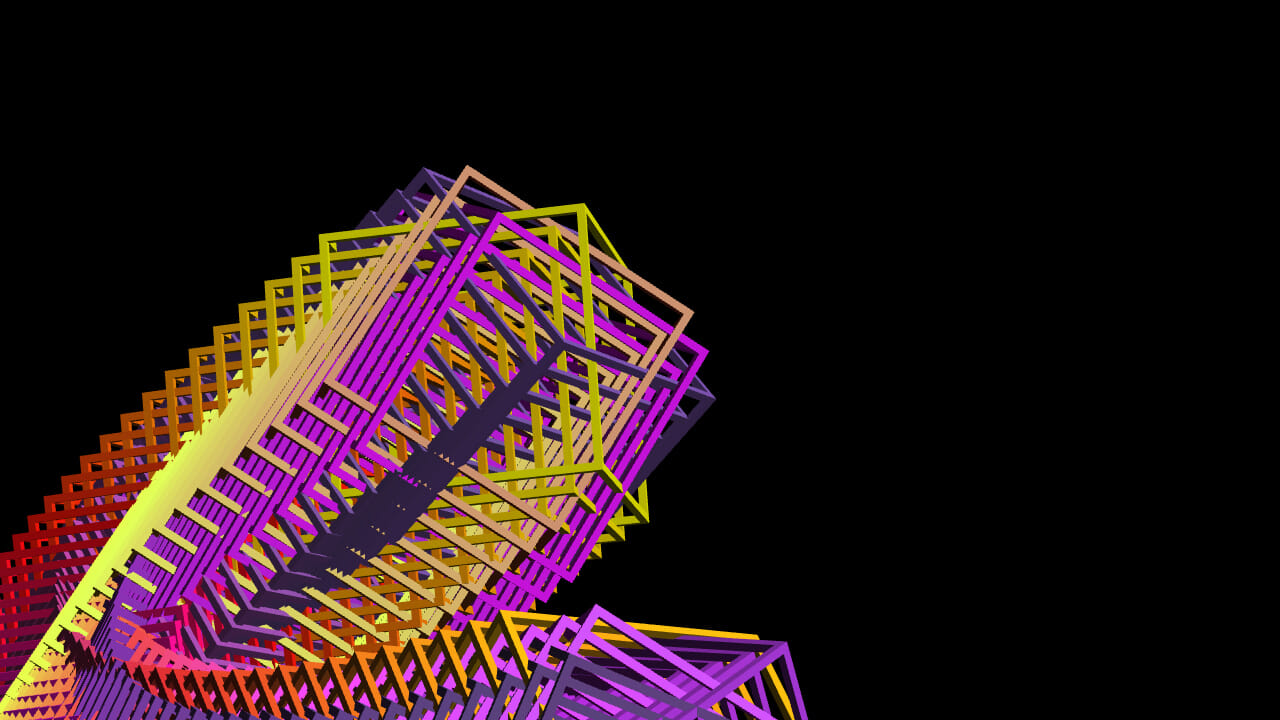 Cube Storm
Boxes change shape and intersect each other, filling space.
Written by Jamie Zawinski; 2003.
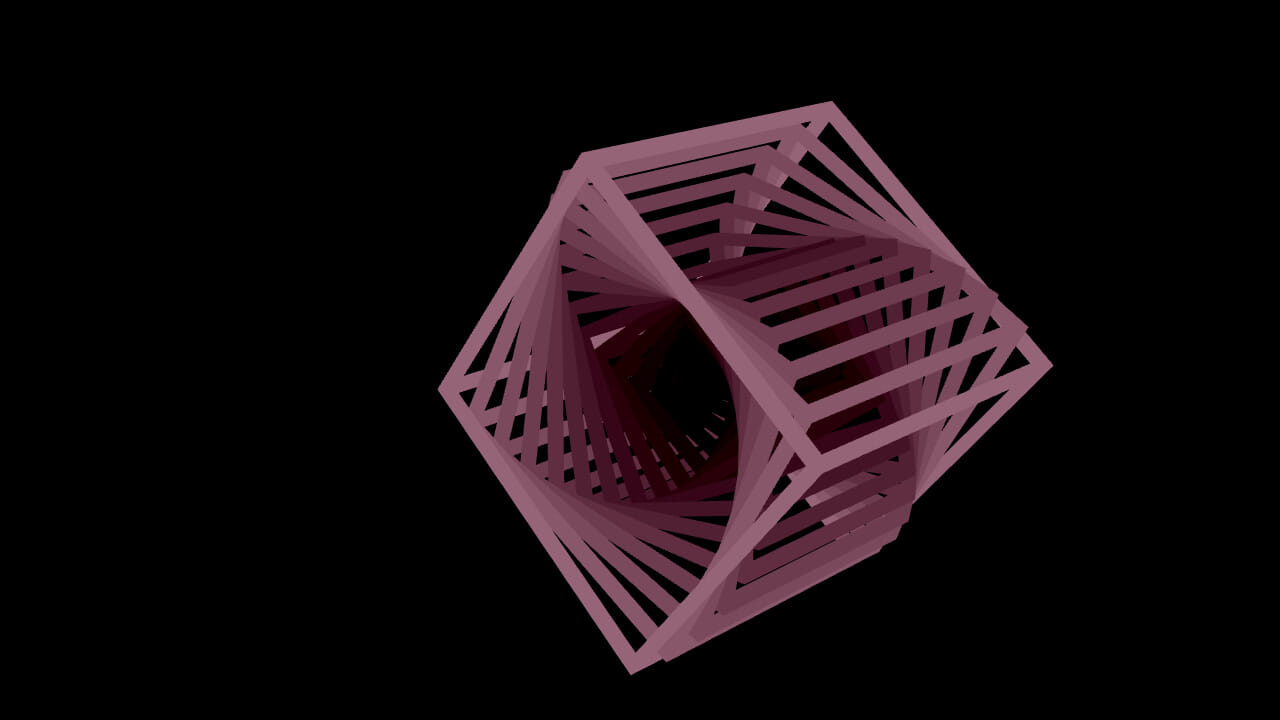 Cube Twist
A series of nested cubes rotate and slide recursively.
Written by Jamie Zawinski; 2016.
 Cubic Grid
A rotating lattice of colored points.
Written by Vasek Potocek; 2007.
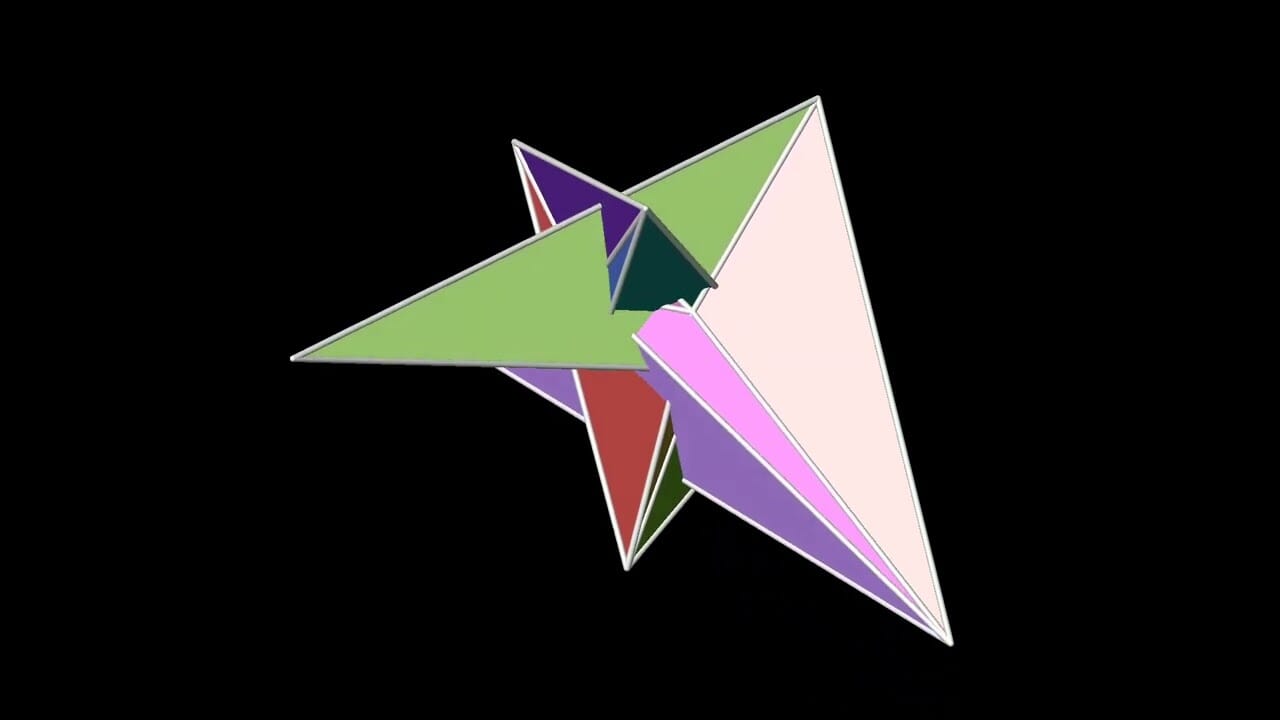 Cuboctahedron Eversion
Turns a cuboctahedron inside out: a smooth deformation (homotopy). During the eversion, the deformed cuboctahedron is allowed to intersect itself transversally, however, no fold edges or non-injective neighborhoods of vertices occur.
Inspired by the following papers: Richard Denner: "Versions polyédriques du retournement de la sphère", L'Ouvert 94:32–45, March 1999. Richard Denner: "Versions polyédriques du retournement de la sphère, retournement du cuboctaèdre", L'Ouvert 95:15–36, June 1999. François Apéry: "Le retournement du cuboctaèdre", Prépublication de l'institut de recherche mathématique avancée, Université Louis Pasteur et C.N.R.S., Strasbourg, 1994.
Written by Carsten Steger; 2023.
 C Waves
A field of sinusoidal colors languidly scrolls. It's relaxing.
Written by Jamie Zawinski; 2007.
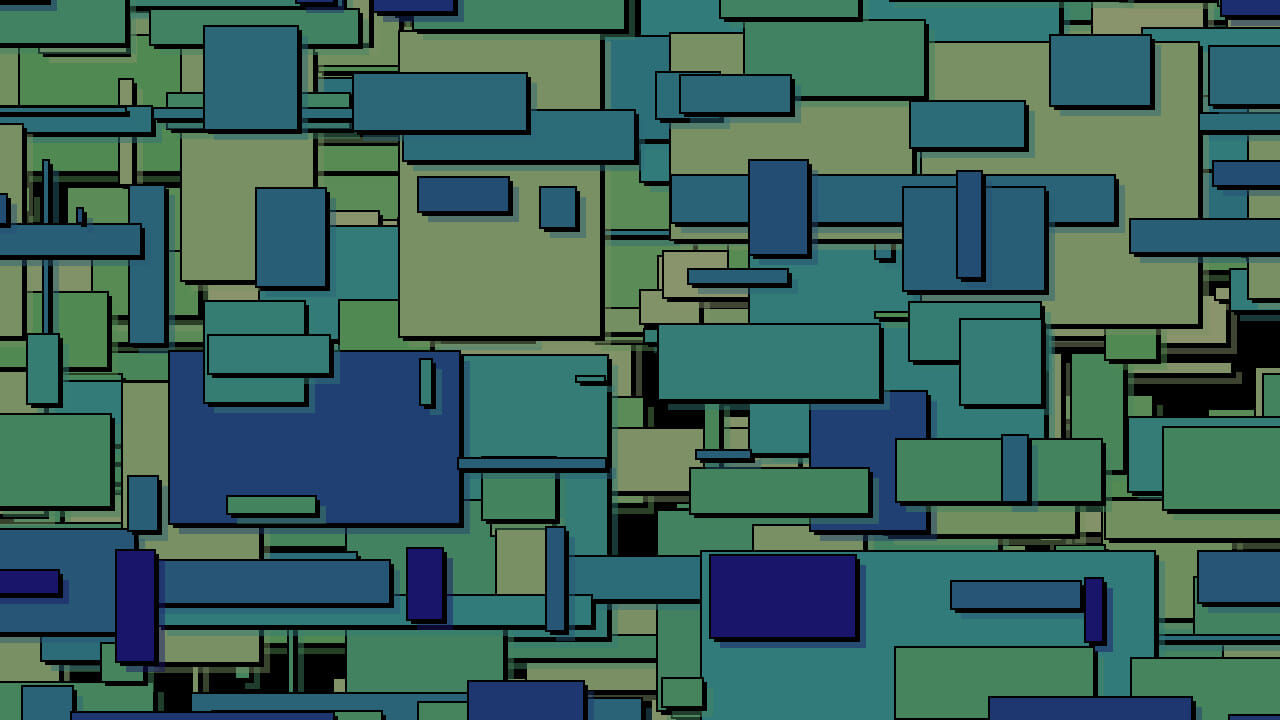 Cynosure
Random dropshadowed rectangles pop onto the screen in lockstep.
Written by Ozymandias G. Desiderata, Jamie Zawinski, and Stephen Linhart; 1998.
 Danger Ball
A spiky ball. Ouch!
Written by Jamie Zawinski; 2001.
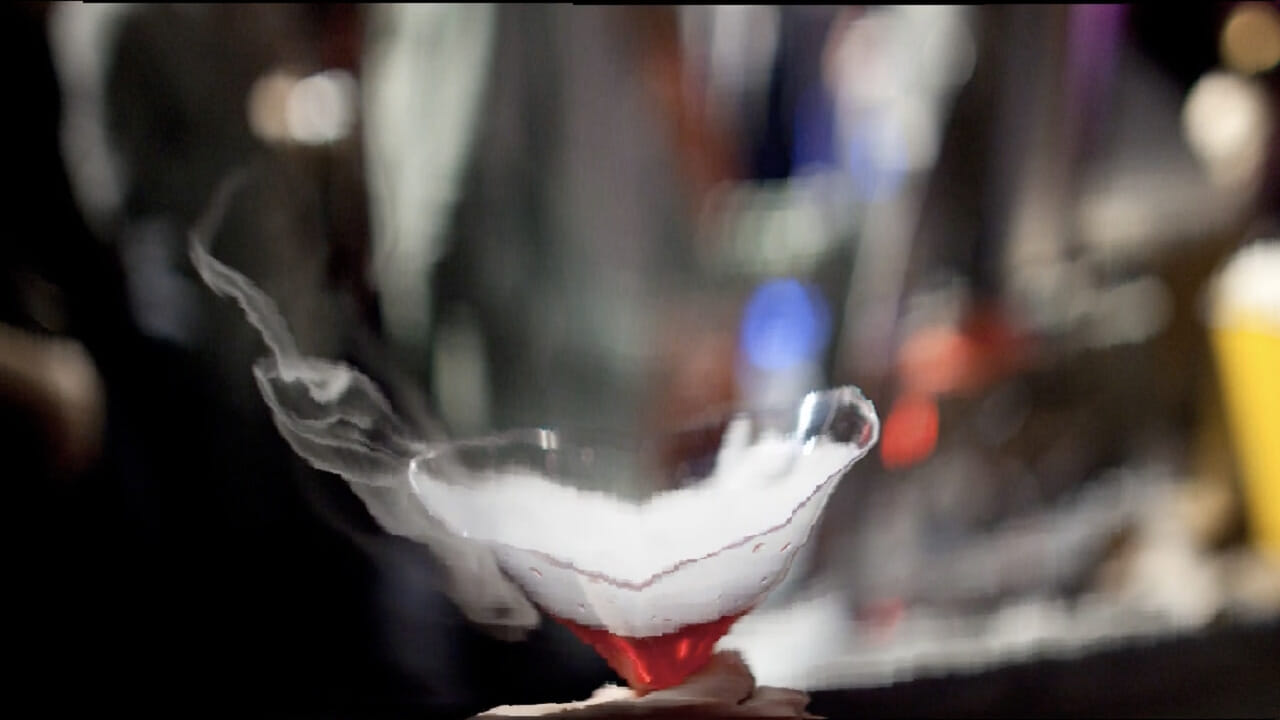 Decay Screen
Melts an image in various ways. Warning, if the effect continues after the screen saver is off, seek medical attention.
Written by David Wald, Vivek Khera, Jamie Zawinski, and Vince Levey; 1993.
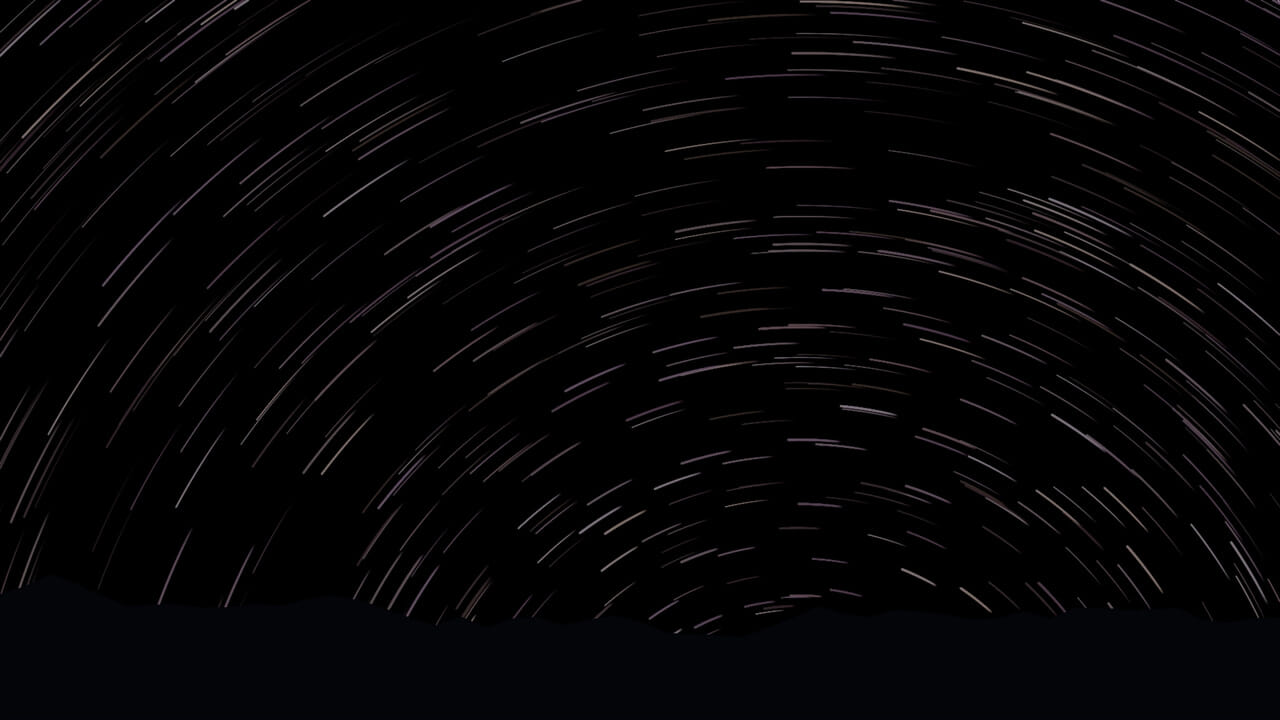 Deep Stars
A long exposure of the night sky, showing star paths as vapor trails.
Written by Jamie Zawinski; 2019.
 Deluxe
Pulsing stars, circles, and lines.
Written by Jamie Zawinski; 1999.
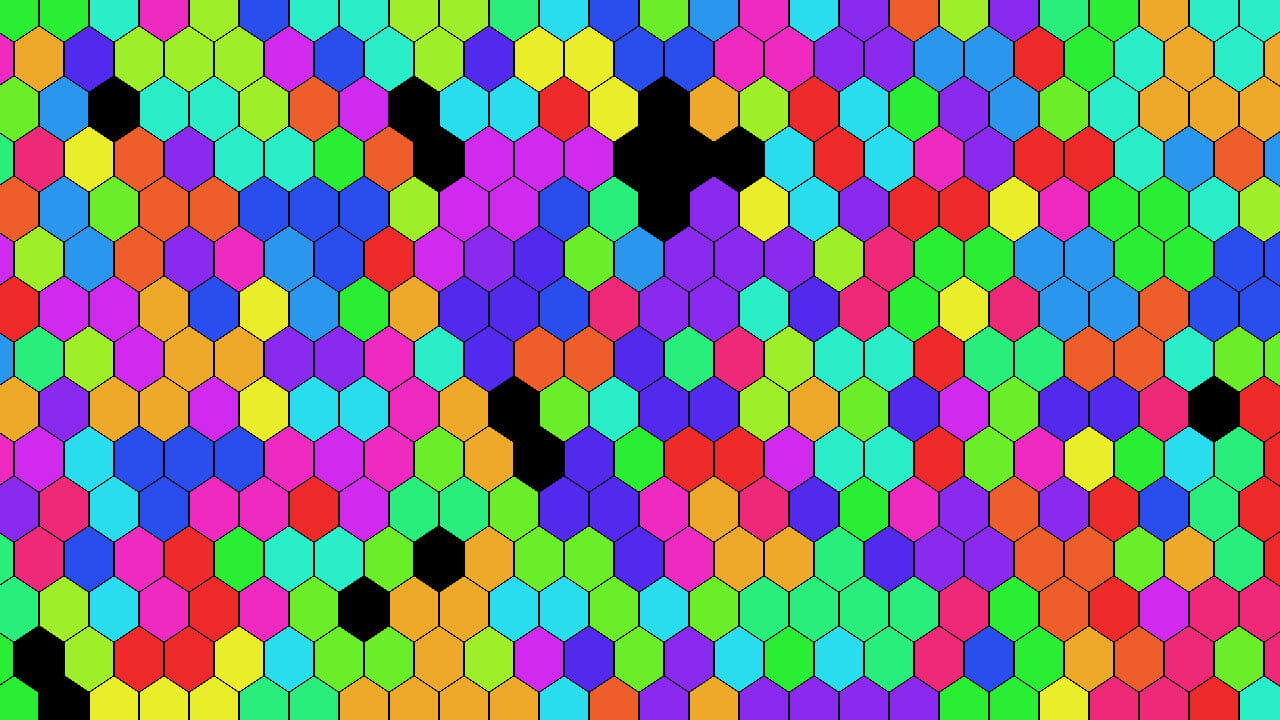 Demon
DemonA cellular automaton that starts with a random field, and organizes it into stripes and spirals.
Written by David Bagley; 1999.
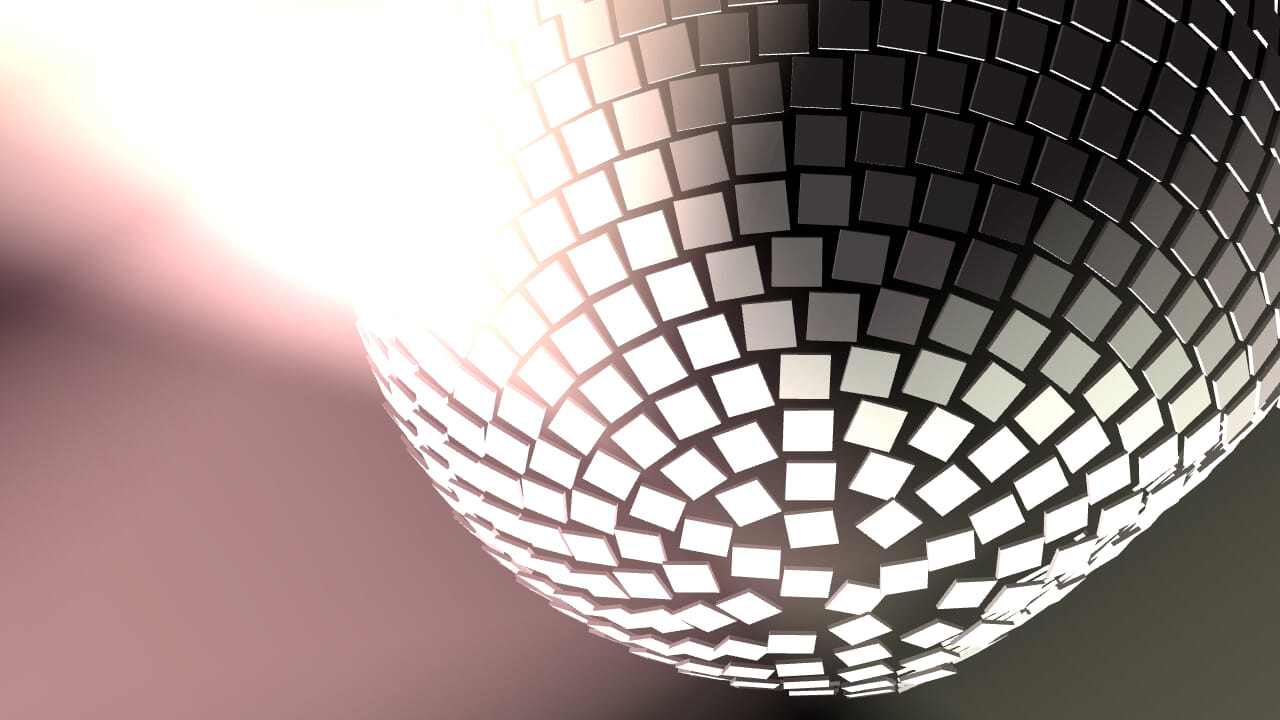 Discoball
A dusty, dented disco ball. Woop woop.
Written by Jamie Zawinski; 2016.
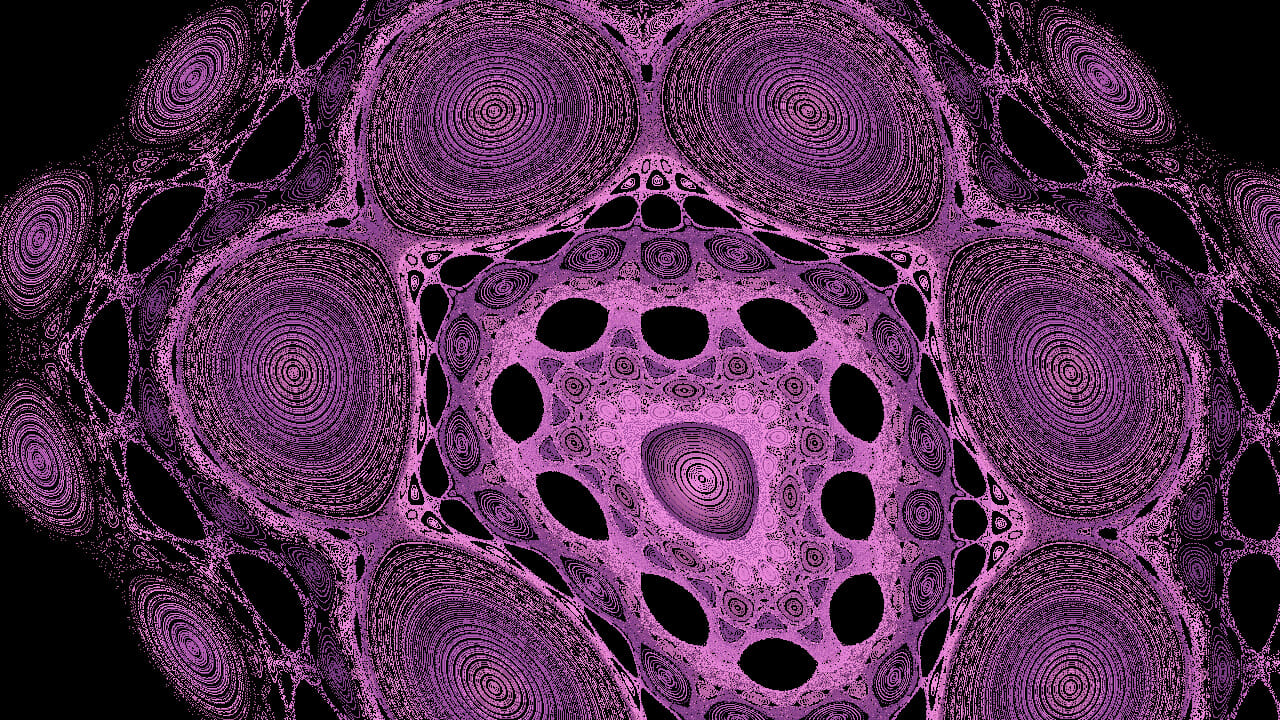 Discrete
Discrete map fractal systems, including variants of Hopalong, Julia, and others.
Written by Tim Auckland; 1998.
 Distort
Wandering lenses distort an image in various ways.
Written by Jonas Munsin; 1998.
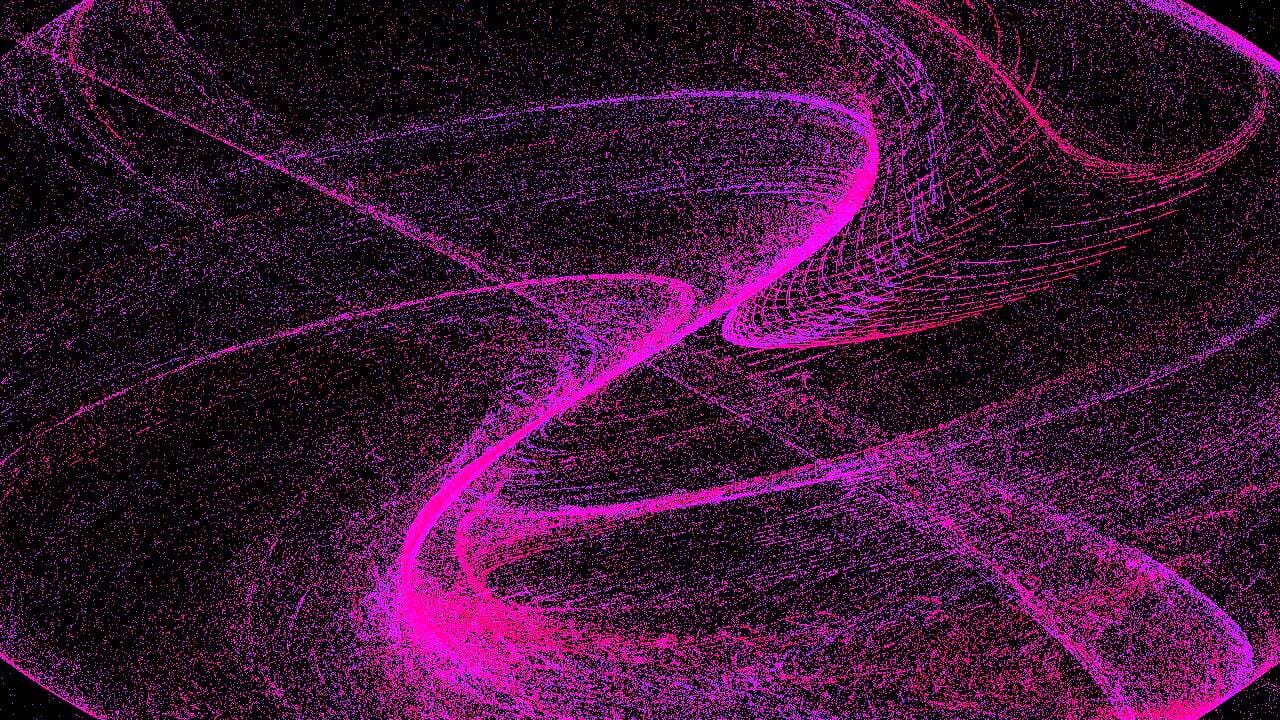 Drift
DriftDrifting recursive fractal cosmic flames.
Written by Scott Draves; 1997.
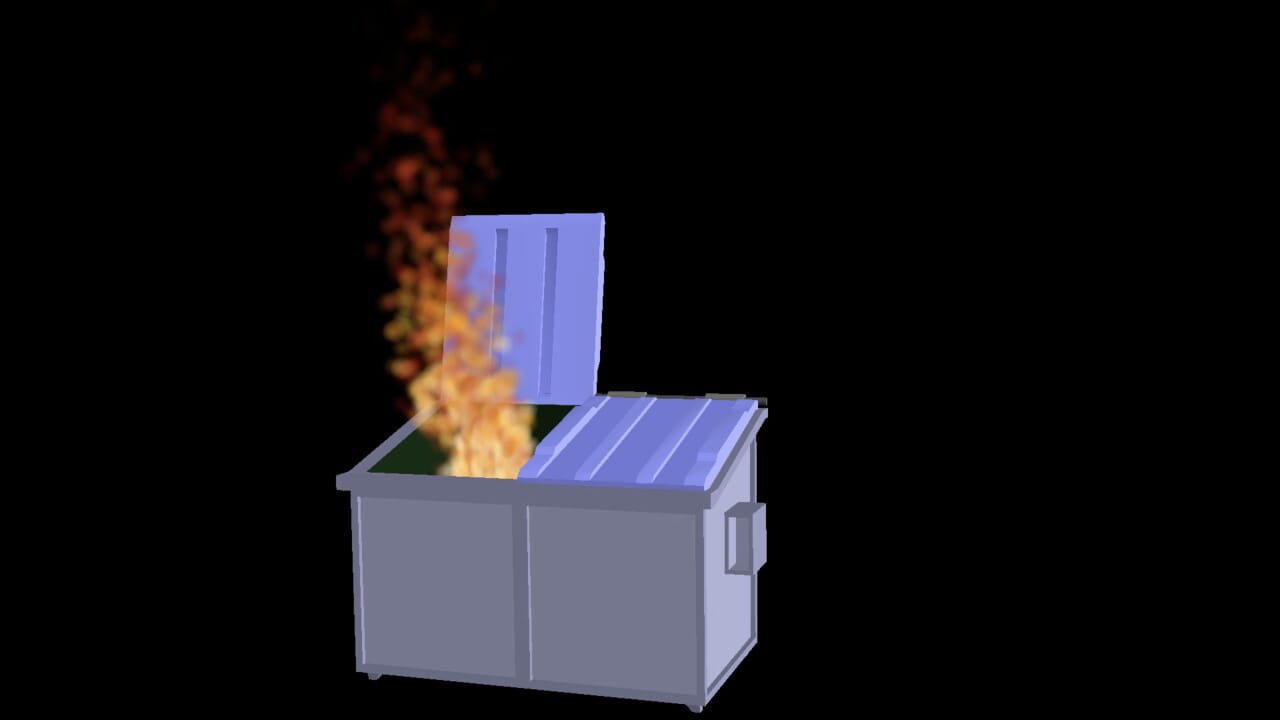 Dumpster Fire
It's a dumpster. It's on fire. It's a metaphor for This Modern World.
Written by Jamie Zawinski; 2025.
 Dymaxion Map
Buckminster Fuller's map of the Earth projected onto the surface of an unfolded icosahedron. It depicts the Earth's continents as one island, or nearly contiguous land masses. This screen saver animates the progression of the dusk terminator across the flattened globe. It includes both satellite and flat-colored map imagery, and can load and convert other Equirectangular-projected maps.
"Dymaxion Map" and "The Fuller Projection Map" are trademarks of The Buckminster Fuller Institute. The original Dymaxion Map image is copyright 1982 by The Buckminster Fuller Institute. (This program does not use their imagery, only similar trigonometry.) The Dymaxion Map was covered by now-expired US Patent 2,393,676 (Richard Buckminster Fuller, 1946).
Wikipedia: "Dymaxion map"
Wikipedia: "Buckminster Fuller"
Wikipedia: "List of map projections"
Wikipedia: "Cahill–Keyes projection"
Wikipedia: "Waterman butterfly projection"
Written by Jamie Zawinski; 2016.
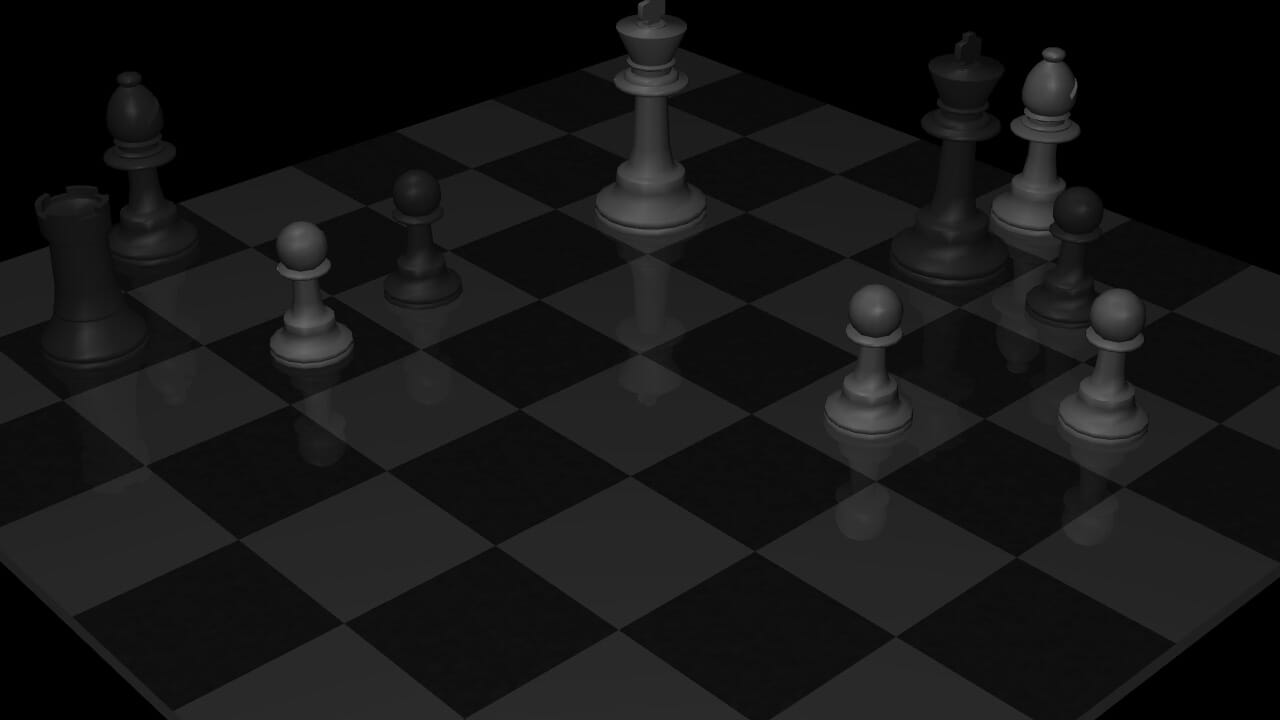 Endgame
Black slips out of three mating nets, but the fourth one holds him tight! A brilliant composition!
See also the "Queens" screen saver.
Written by Blair Tennessy and Jamie Zawinski; 2002.
 Energy Stream
A flow of particles which form an energy stream.
Written by Eugene Sandulenko and Konrad "Yoghurt" Zagorowicz; 2016.
 Epicycle
A pre-heliocentric model of planetary motion.
This draws the path traced out by a point on the edge of a circle. That circle rotates around a point on the rim of another circle, and so on, several times.
The geometry of epicycles was perfected by Hipparchus of Rhodes at some time around 125 B.C., 185 years after the birth of Aristarchus of Samos, the inventor of the heliocentric universe model. Hipparchus applied epicycles to the Sun and the Moon. Ptolemy of Alexandria went on to apply them to what was then the known universe, at around 150 A.D. Copernicus went on to apply them to the heliocentric model at the beginning of the sixteenth century. Johannes Kepler discovered that the planets actually move in elliptical orbits in about 1602. The inverse-square law of gravity was suggested by Boulliau in 1645. Isaac Newton's Principia Mathematica was published in 1687, and proved that Kepler's laws derived from Newtonian gravitation.
Wikipedia: "Deferent and epicycle"
Written by James Youngman; 1998.
 Eruption
Exploding fireworks.
See also the "Fireworkx", "XFlame" and "Pyro" screen savers.
Written by W.P. van Paassen; 2003.
 Esper
Esper"Enhance 224 to 176. Pull out track right. Center in pull back. Pull back. Wait a minute. Go right. Stop. Enhance 57 19. Track 45 left. Gimme a hardcopy right there."
The Esper Machine was a voice-controlled forensic device used by LAPD in 2019, as documented in the 1982 film, Blade Runner. It was capable of enhancing photographs to an extreme degree, including reconstructing different viewpoints within the space from the reflections on various objects in the photograph.
Written by Jamie Zawinski; 2017.
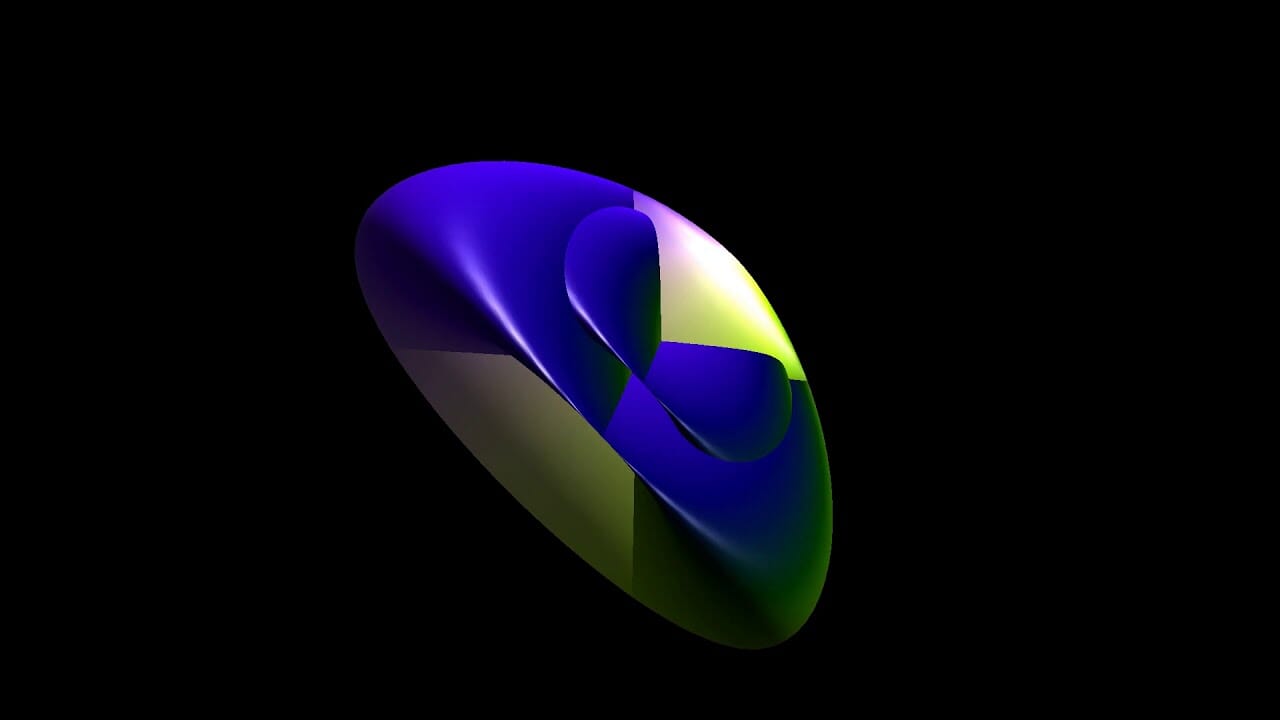 Etruscan Venus
A 3D immersion of a Klein bottle that smoothly deforms between the Etruscan Venus surface, the Roman surface, the Boy surface, and the Ida surface.
Topologically, all surfaces are Klein bottles, even the Roman and Boy surfaces, which are doubly covered and therefore appear to be an immersed real projective plane.
You can walk on the Klein bottle or rotate it in 3D. Since all the surfaces except the Ida surfaces have points where the surface normal is not well defined for some points, walking is performed on the Ida surface. Furthermore, it is possible to smoothly deform the surface between the Etruscan Venus surface, the Roman surface, the Boy surface, and the Ida surface surface while turning it.
Inspired by George K. Francis's book "A Topological Picturebook", Springer, 1987, George K. Francis's paper "The Etruscan Venus" in P. Concus, R. Finn, and D. A. Hoffman: "Geometric Analysis and Computer Graphics", Springer, 1991, and a video entitled "The Etruscan Venus" by Donna J. Cox, George K. Francis, and Raymond L. Idaszak, presented at SIGGRAPH 1989.
Wikipedia: "Boy's surface"
Wikipedia: "Roman surface"
Wikipedia: "Klein bottle"
Written by Carsten Steger; 2020.
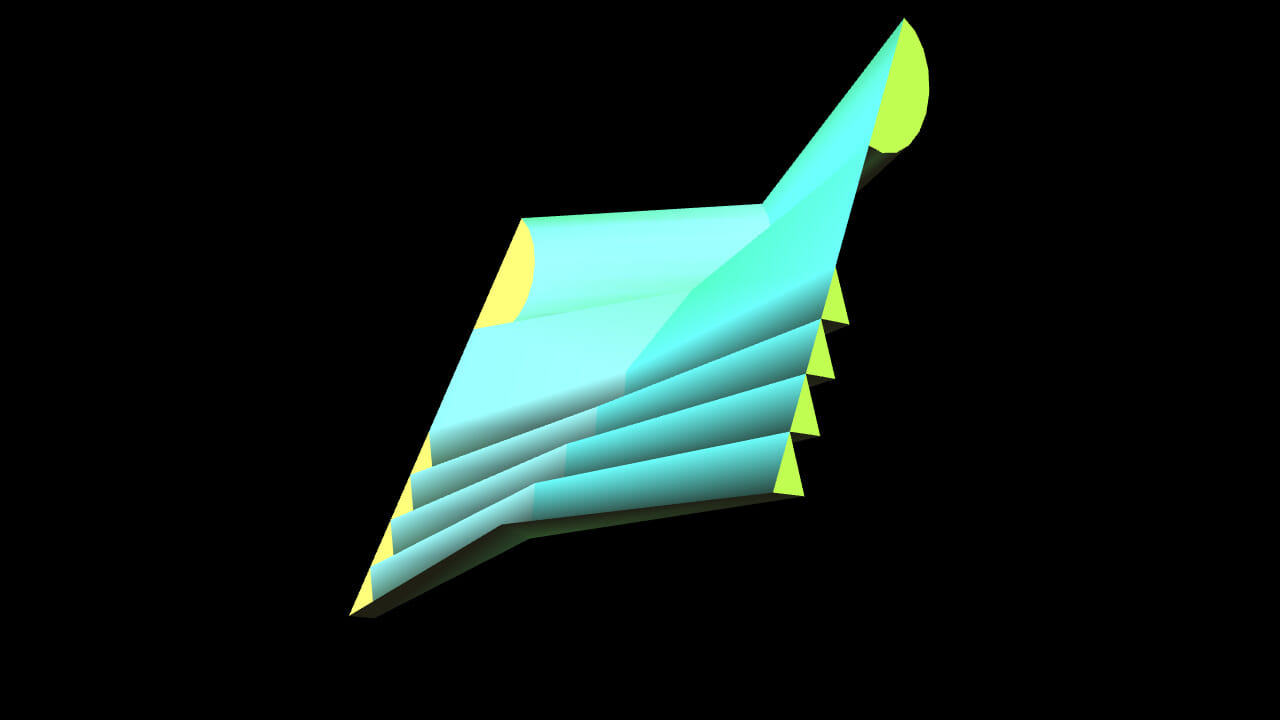 Extrusion
Various extruded shapes twist and turn inside out.
Written by Linas Vepstas, David Konerding, and Jamie Zawinski; 1999.
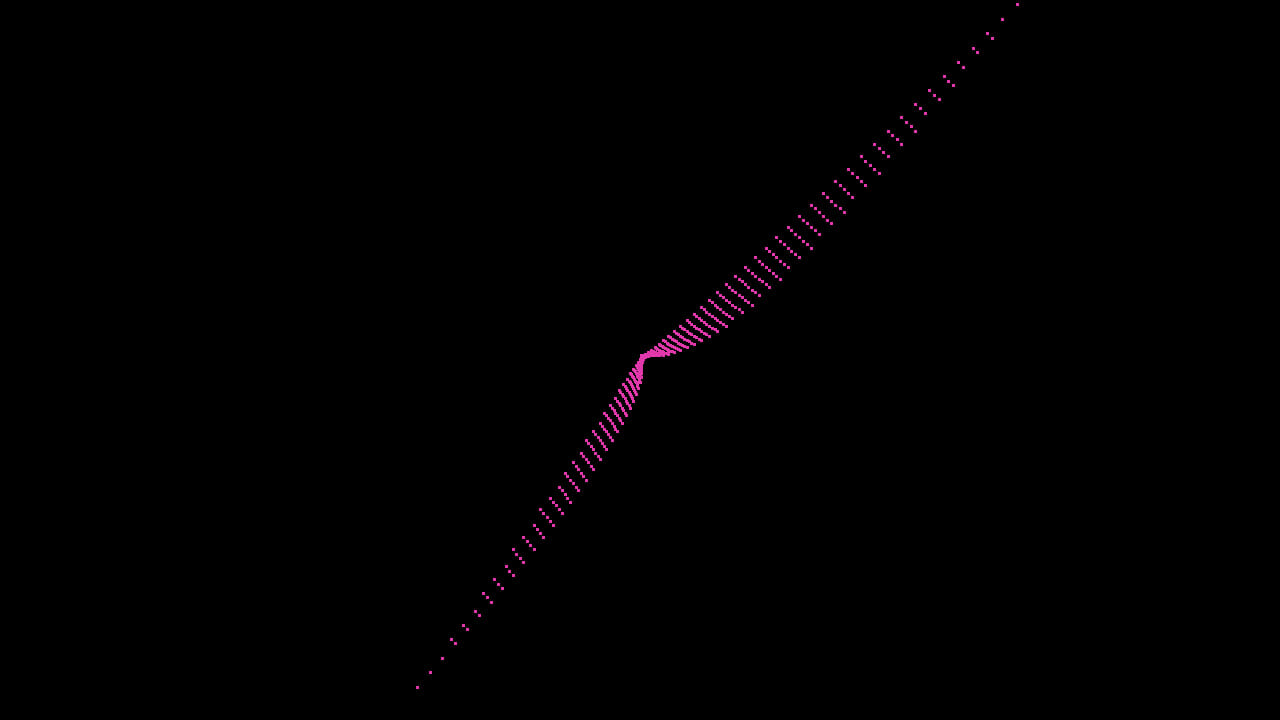 Fade Plot
A waving ribbon follows a sinusoidal path.
Written by Bas van Gaalen and Charles Vidal; 1997.
 Fiber Lamp
A fiber-optic lamp. Groovy.
Written by Tim Auckland; 2005.
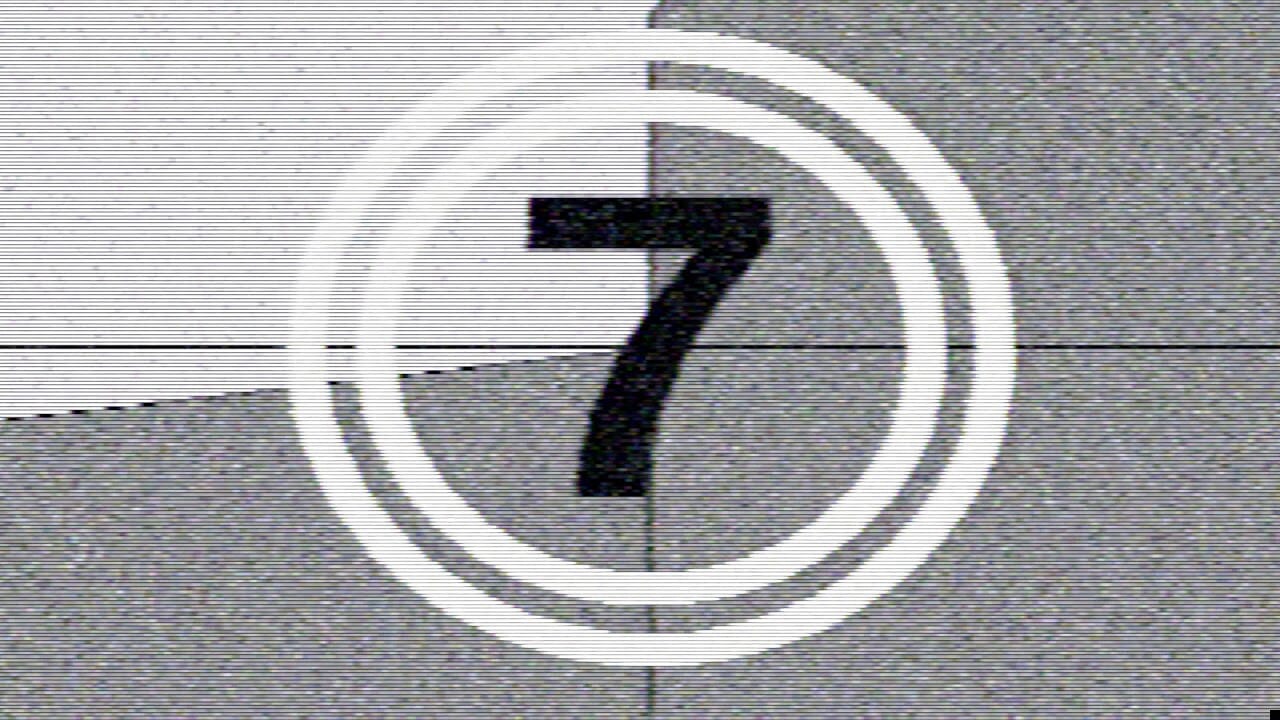 Film Leader
A looping countdown based on the SMPTE Universal Film leader on a simulation of an old analog television.
Written by Jamie Zawinski; 2018.
 Fireworkx
Exploding fireworks.
See also the "Eruption", "XFlame" and "Pyro" screen savers.
Written by Rony B Chandran; 2004.
 Flame
FlameIterative fractals.
Written by Scott Draves; 1993.
 Flip Flop
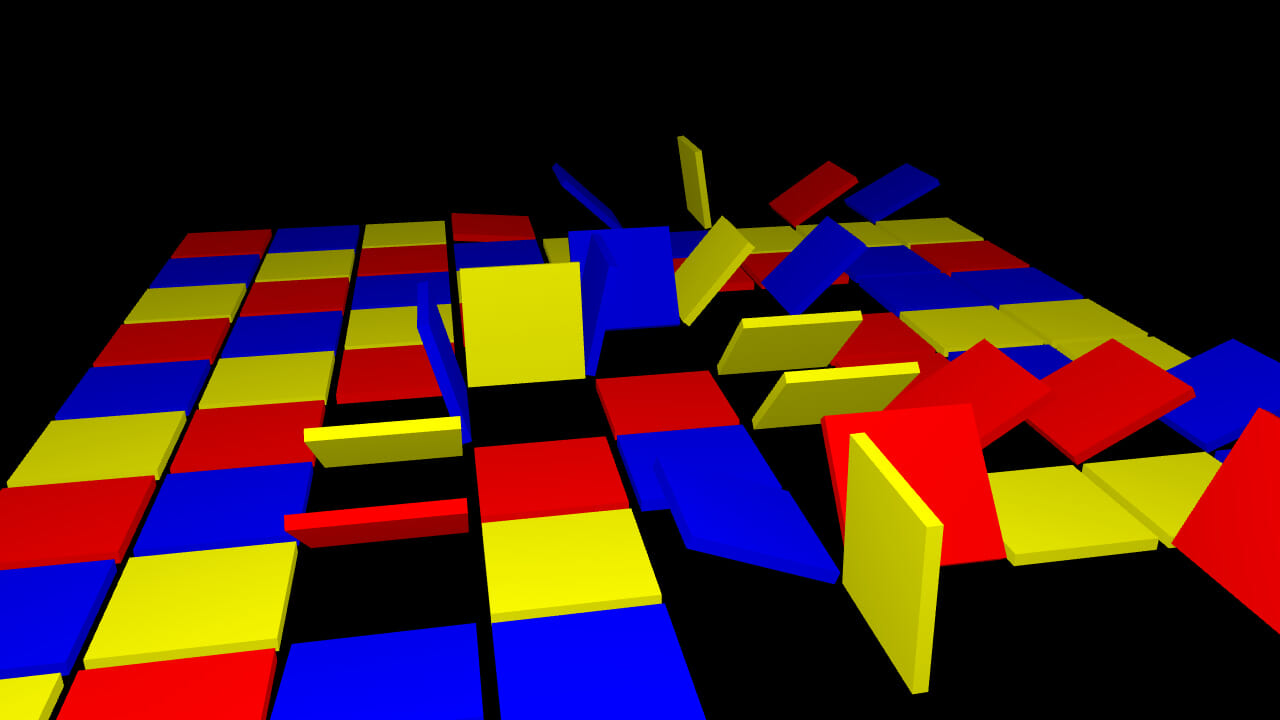
Colored tiles swap with each other.
Written by Kevin Ogden and Sergio Gutierrez; 2003.
 Flip Screen 3D
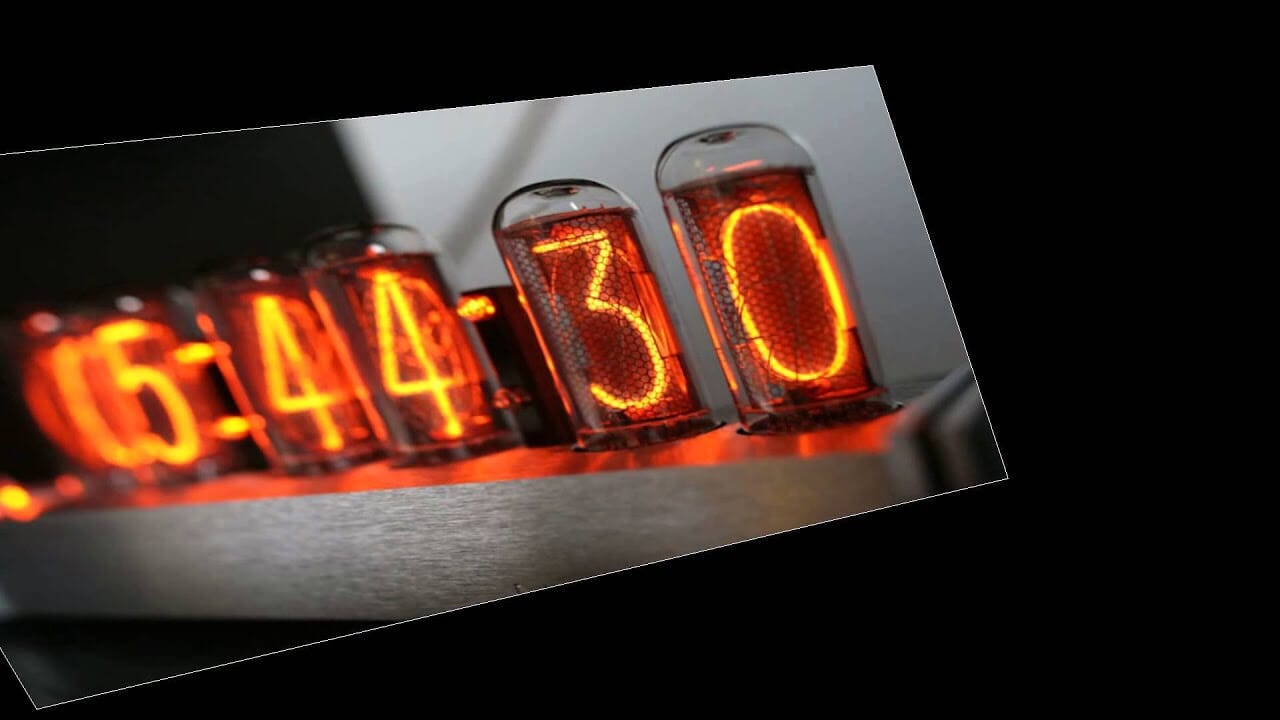
Spins and deforms an image.
Written by Ben Buxton and Jamie Zawinski; 2001.
 Flip Text
Successive pages of text flip in and out in a soothing 3D pattern.
Written by Jamie Zawinski; 2005.
 Flow
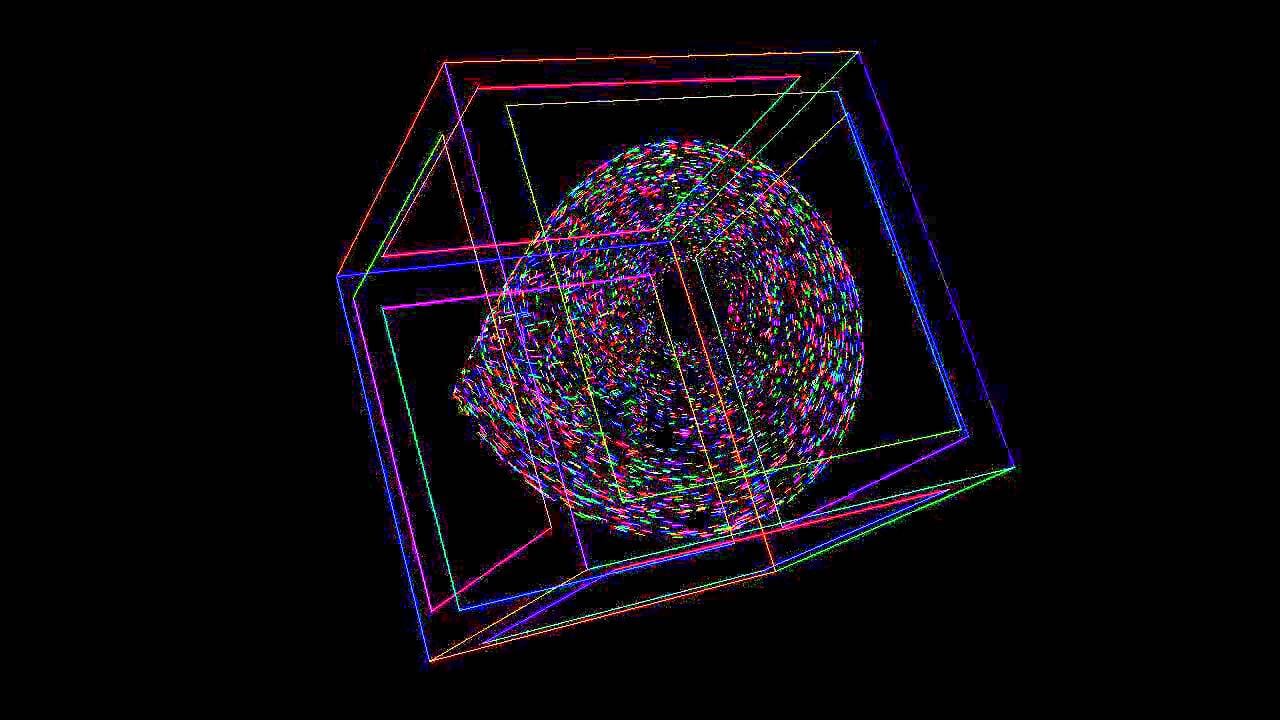
FlowStrange attractors formed of flows in a 3D differential equation phase space. Features the popular attractors described by Lorentz, Roessler, Birkhoff and Duffing, and can discover entirely new attractors by itself.
Wikipedia: "Attractor: Strange attractor"
Written by Tim Auckland; 1998.
 Fluid Balls
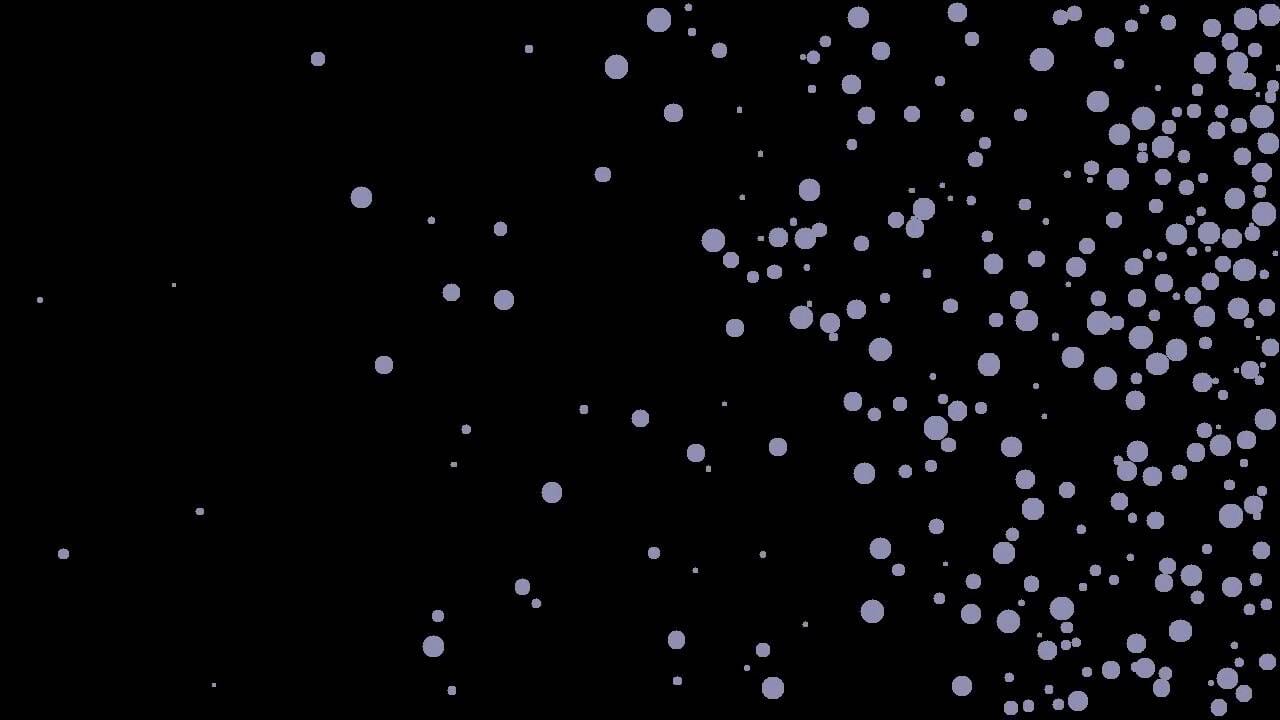
A particle system of bouncing balls. Gravity moves around to shake the box.
Written by Peter Birtles and Jamie Zawinski; 2002.
 Flurry
A colourful star(fish)like flurry of particles.
Written by Calum Robinson and Tobias Sargeant; 2002.
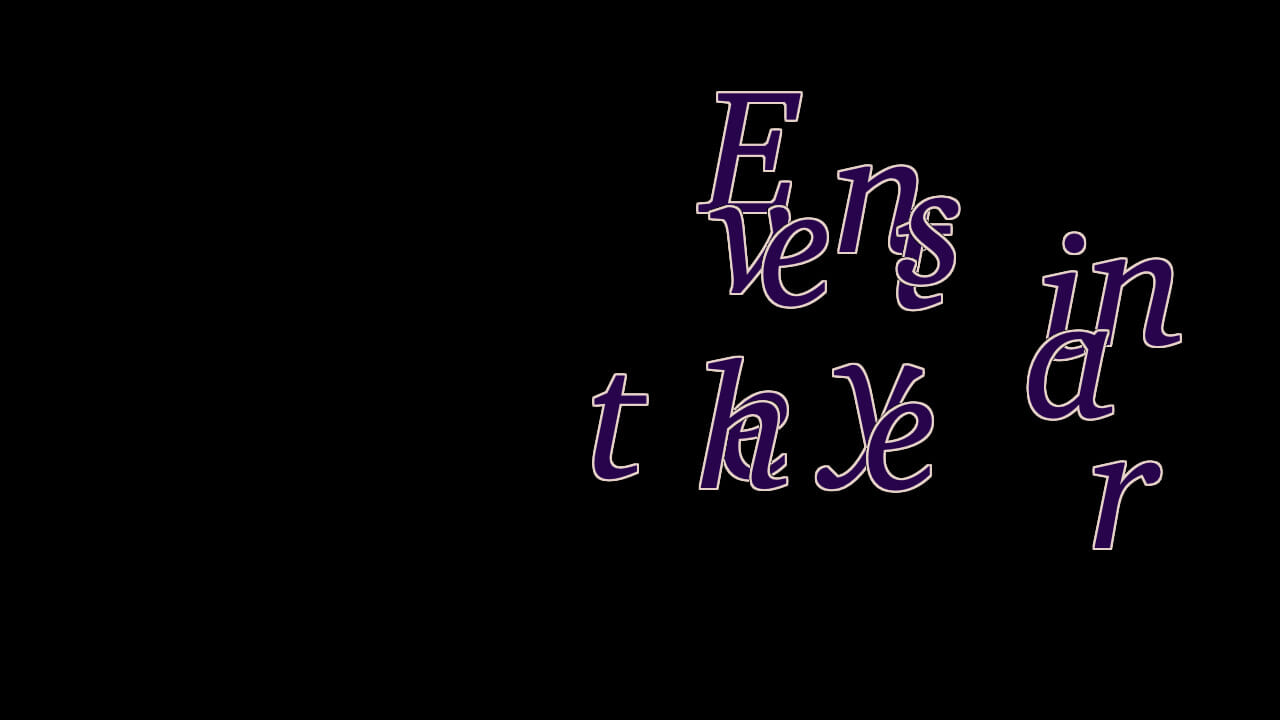 Font Glide
Puts text on the screen using large characters that glide in from the edges, assemble, then disperse. Alternately, it can simply scroll whole sentences from right to left.
Written by Jamie Zawinski; 2003.
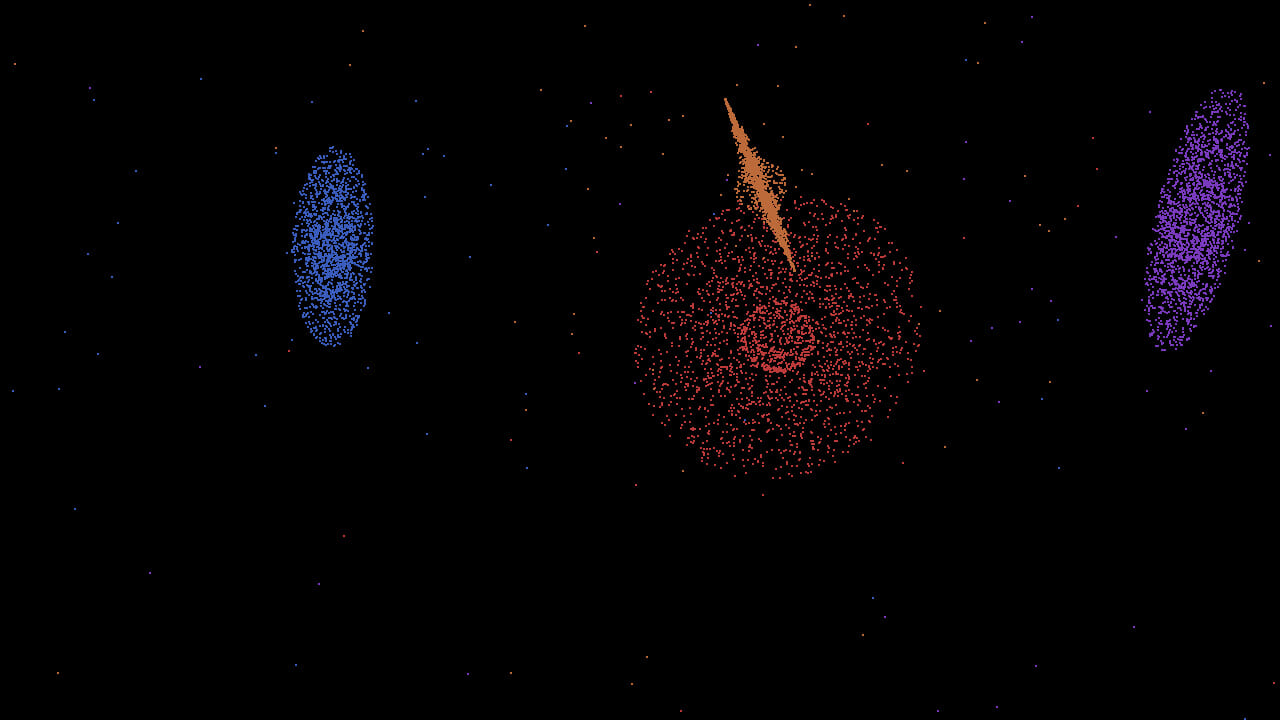 Galaxy
Spinning galaxies collide.
Written by Uli Siegmund, Harald Backert, and Hubert Feyrer; 1997.
 Geodesic
A mesh geodesic sphere of increasing and decreasing complexity.
A geodesic sphere is an icosohedron whose equilateral faces are sub-divided into non-equilateral triangles to more closely approximate a sphere.
The animation shows the equilateral triangles subdivided into four coplanar equilateral triangles; and then inflated outward, causing the sub-triangles to no longer be equilateral, but to more closely approximate the surface of a sphere.
Wikipedia: "Geodesic dome"
Wikipedia: "Buckminster Fuller"
Written by Jamie Zawinski; 2013.
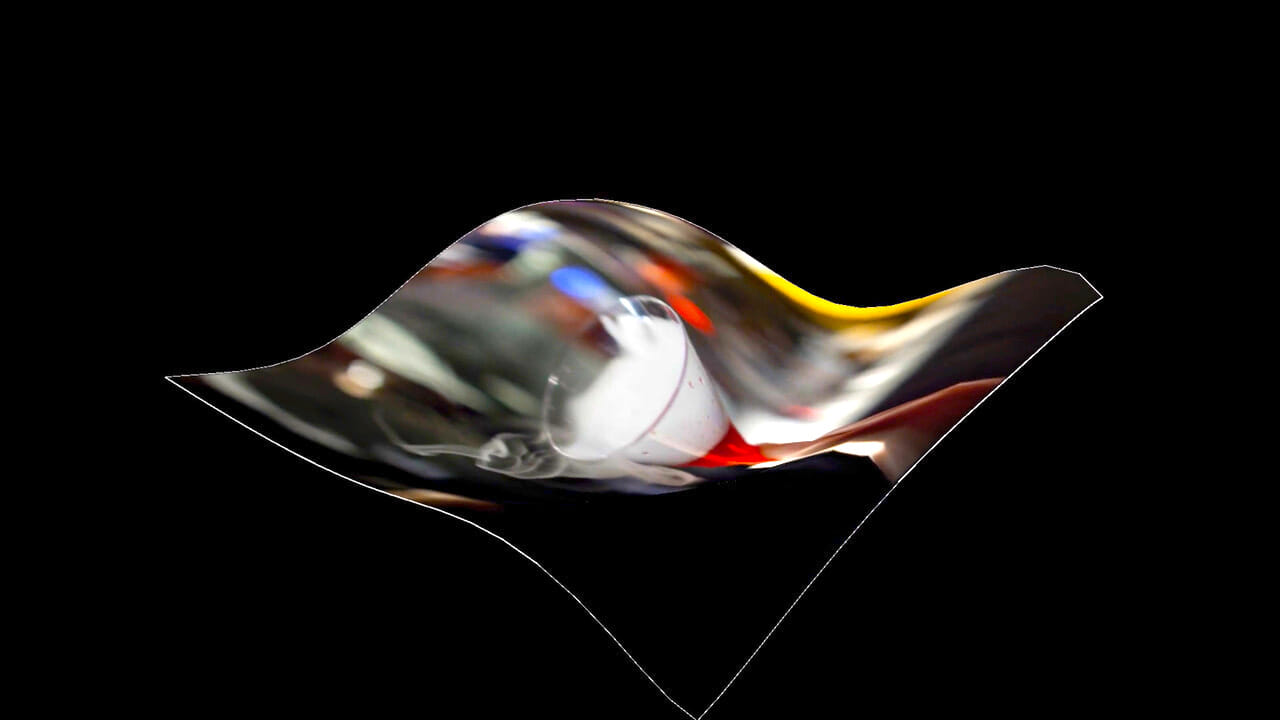 GFlux
GFluxUndulating waves on a rotating grid.
Written by Josiah Pease; 2000.
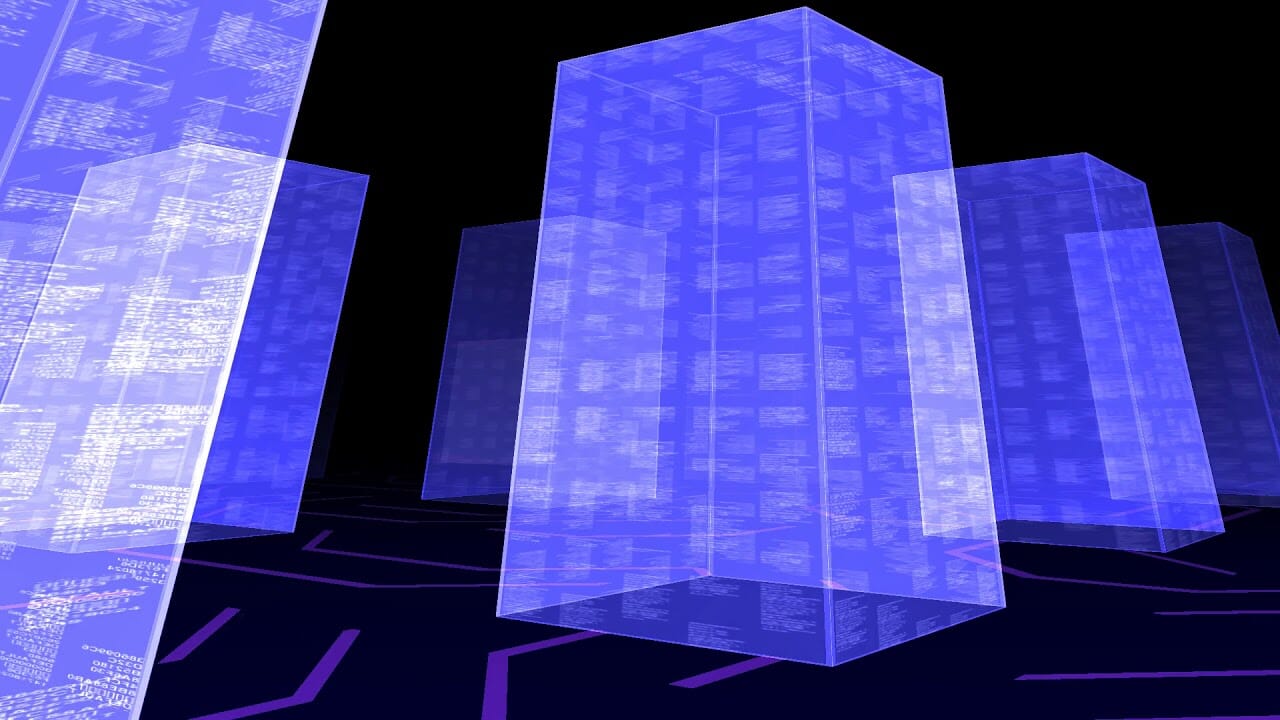 Gibson
Hacking the Gibson, as per the 1995 classic film, HACKERS.
Cereal Killer: "Oh yeah, you want a seriously righteous hack, you score one of those Gibsons, man. You know, supercomputers they use to like, do physics, and look for oil and stuff?"
Phantom Phreak: "Ain't no way, man, security's too tight. The big iron?"
Zero Cool: "Maybe. But, if I were gonna hack some heavy metal, I'd, uh, work my way back through some low security, and try the back door."
Cereal Killer: "Yeah but oh man, wouldn't you just love to get one of those Gibsons, baby? Ooooh!"
Phantom Phreak: "Yo, who ate all of my fries?"
Written by Jamie Zawinski; 2020.
 GL Blur
Flowing field effects from the vapor trails around a moving object.
This is done by rendering the scene into a small texture, then repeatedly rendering increasingly-enlarged and increasingly-transparent versions of that texture onto the frame buffer. As such, it's quite GPU-intensive: if you don't have a very good graphics card, it will hurt your machine bad.
Written by Jamie Zawinski; 2002.
 GL Cells
Cells growing, dividing and dying on your screen. Microscopic pathos.
Written by Matthias Toussaint; 2007.
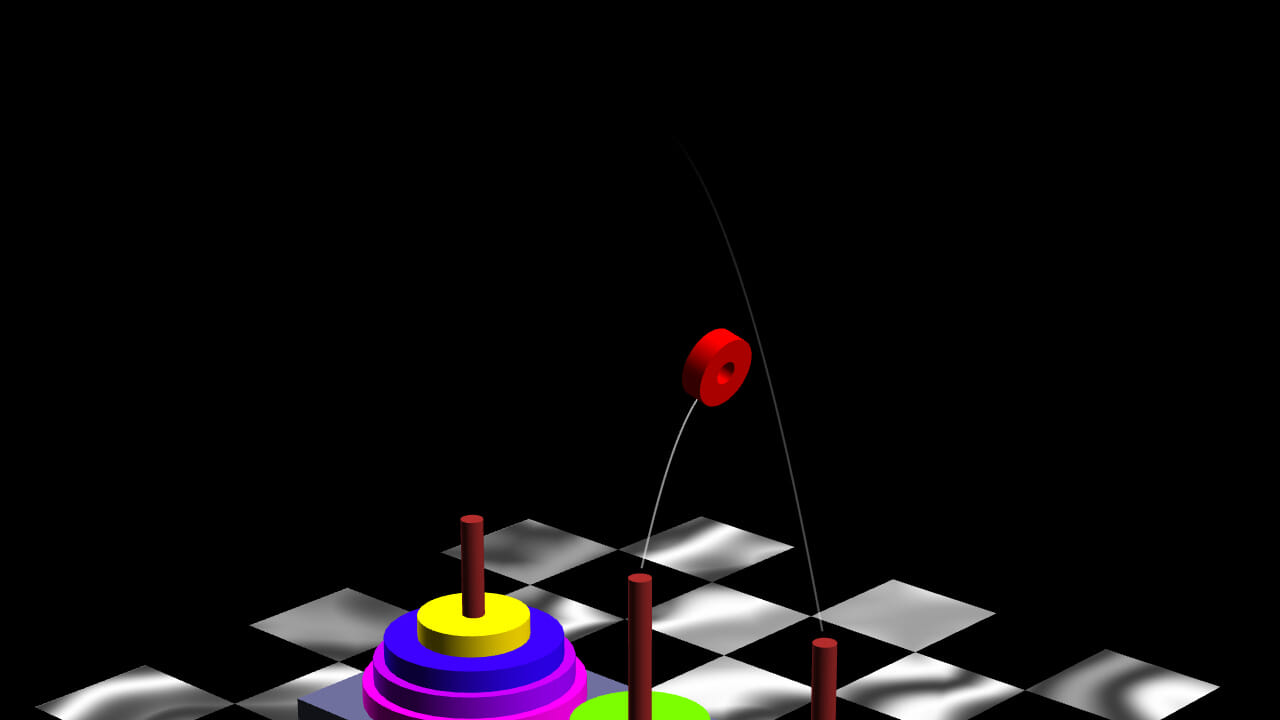 GL Hanoi
Solves the Towers of Hanoi puzzle. Move N disks from one pole to another, one disk at a time, with no disk ever resting on a disk smaller than itself.
Written by Dave Atkinson; 2005.
 GlitchPEG
Loads an image, corrupts it, and then displays the corrupted version, several times a second. After a while, finds a new image to corrupt.
Written by Jamie Zawinski; 2018.
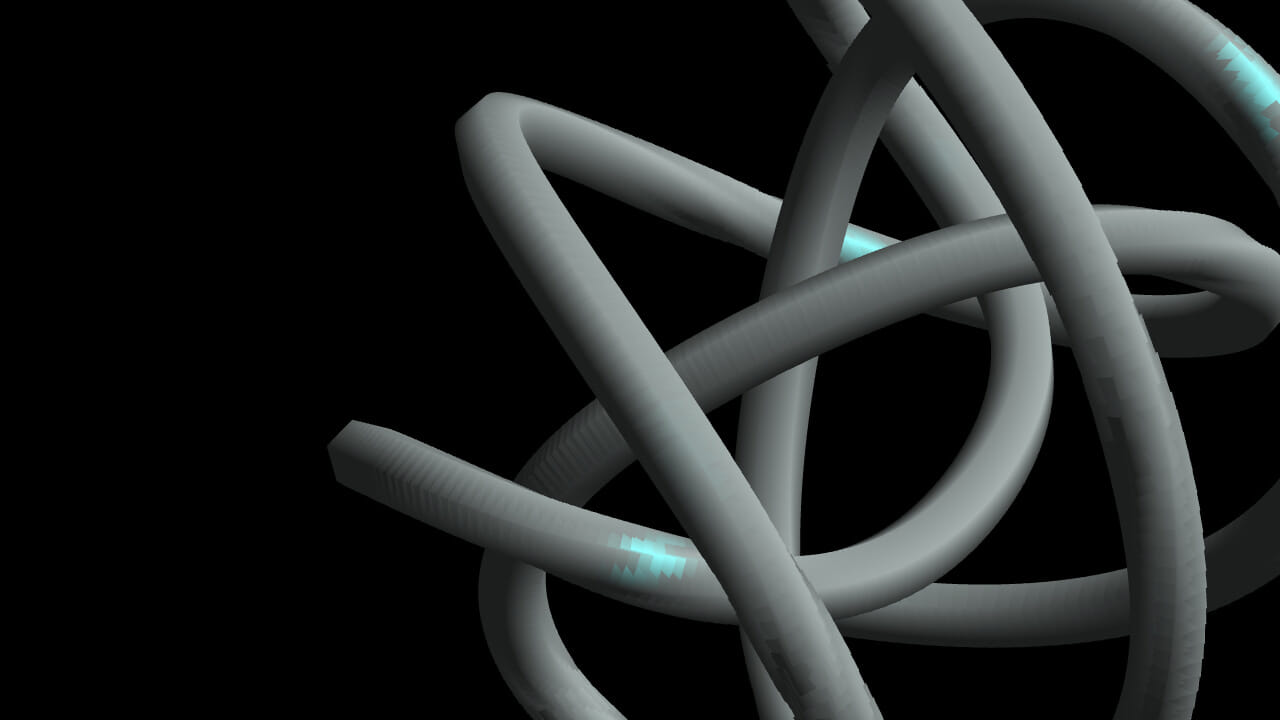 GL Knots
Generates some twisting 3d knot patterns. Spins 'em around.
Written by Jamie Zawinski; 2003.
 GL Matrix
The 3D "digital rain" effect, as seen in the title sequence of "The Matrix".
See also "xmatrix" for a 2D rendering of the similar effect that appeared on the computer monitors actually *in* the movie.
Wikipedia: "Matrix digital rain"
Written by Jamie Zawinski; 2003.
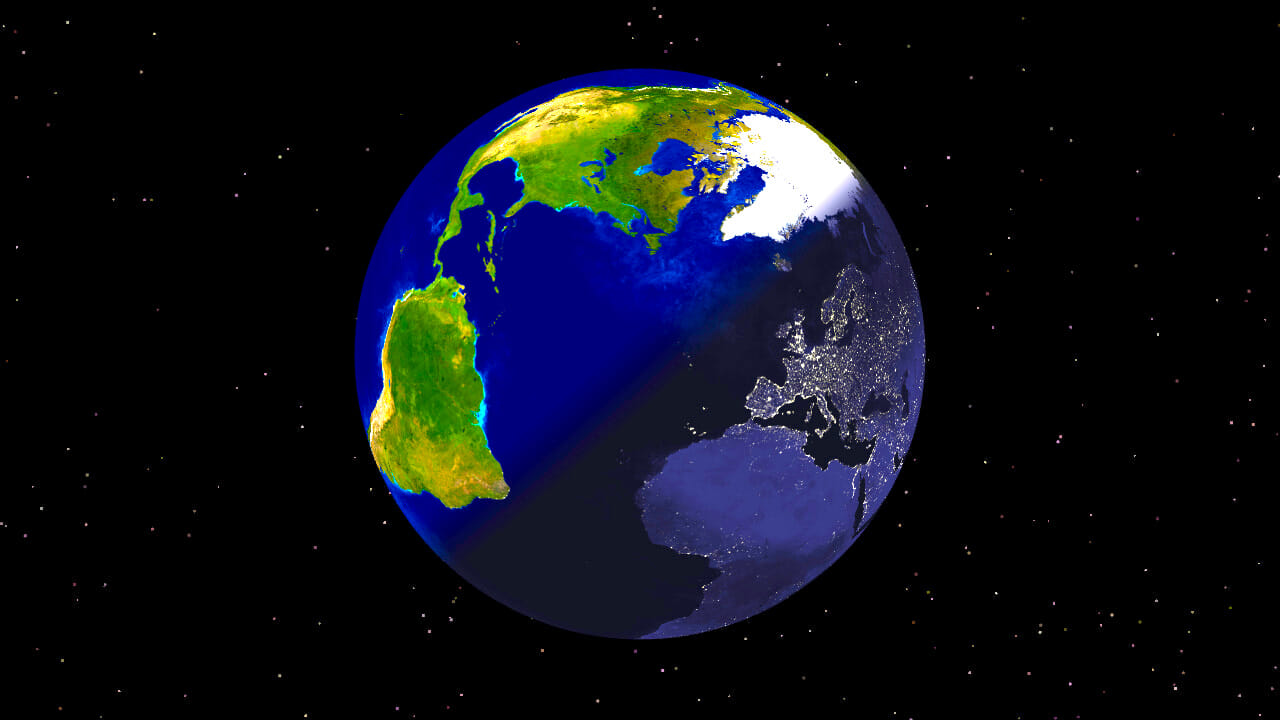 GL Planet
The Earth, bouncing around in space, rendered with satellite imagery of the planet in both sunlight and darkness.
If you would like it to display a different planet, any pair of Equirectangular-projected maps will work. The maps that come with "ssystem" work well.
Written by David Konerding and Jamie Zawinski; 1998.
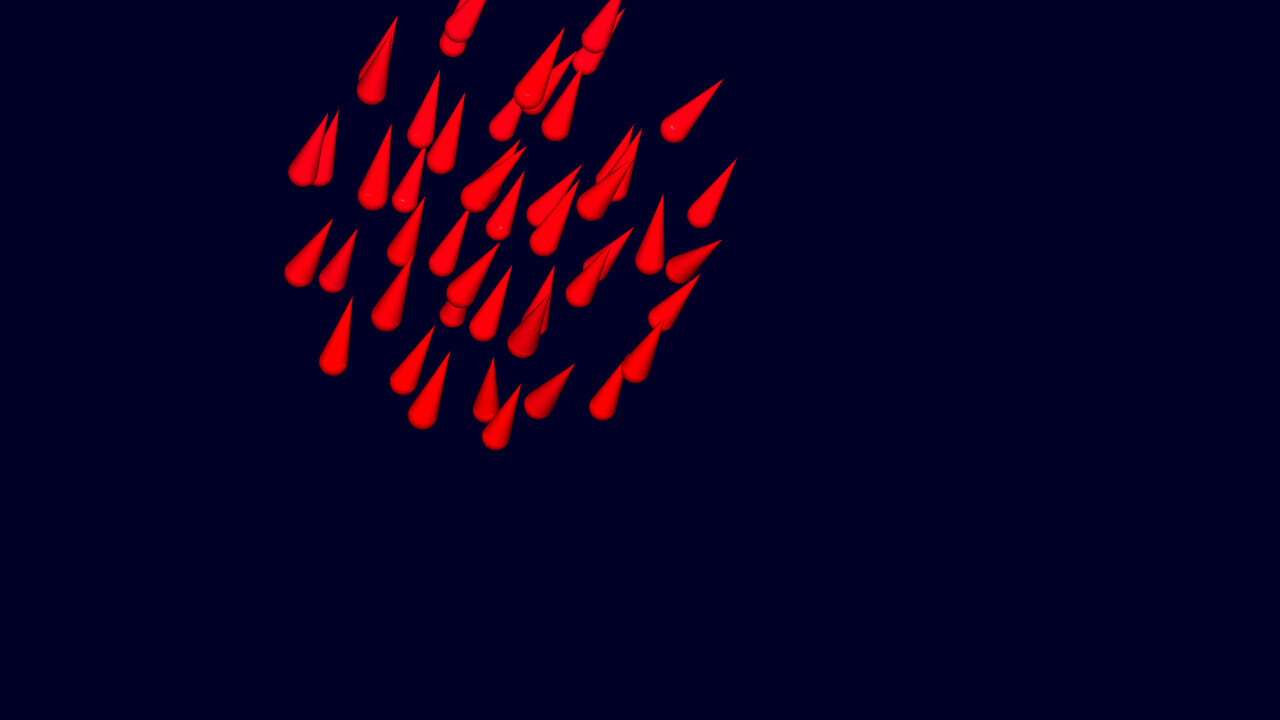 GL School
A school of fish, using the classic "Boids" algorithm by Craig Reynolds.
Written by David C. Lambert and Jamie Zawinski; 2006.
 GL Slideshow
Displays a slideshow of images, with panning, zooming and crossfading effects.
When a new image is loaded, it transitions onto the screen by sliding in from the edges, spinning or flipping. Turn off "Image Loading Animation" to disable those effects.
Once an image has been loaded, it is panned, zoomed and cross-faded against itself. Turn off "Crossfade" to disable those effects.
Written by Jamie Zawinski; 2003.
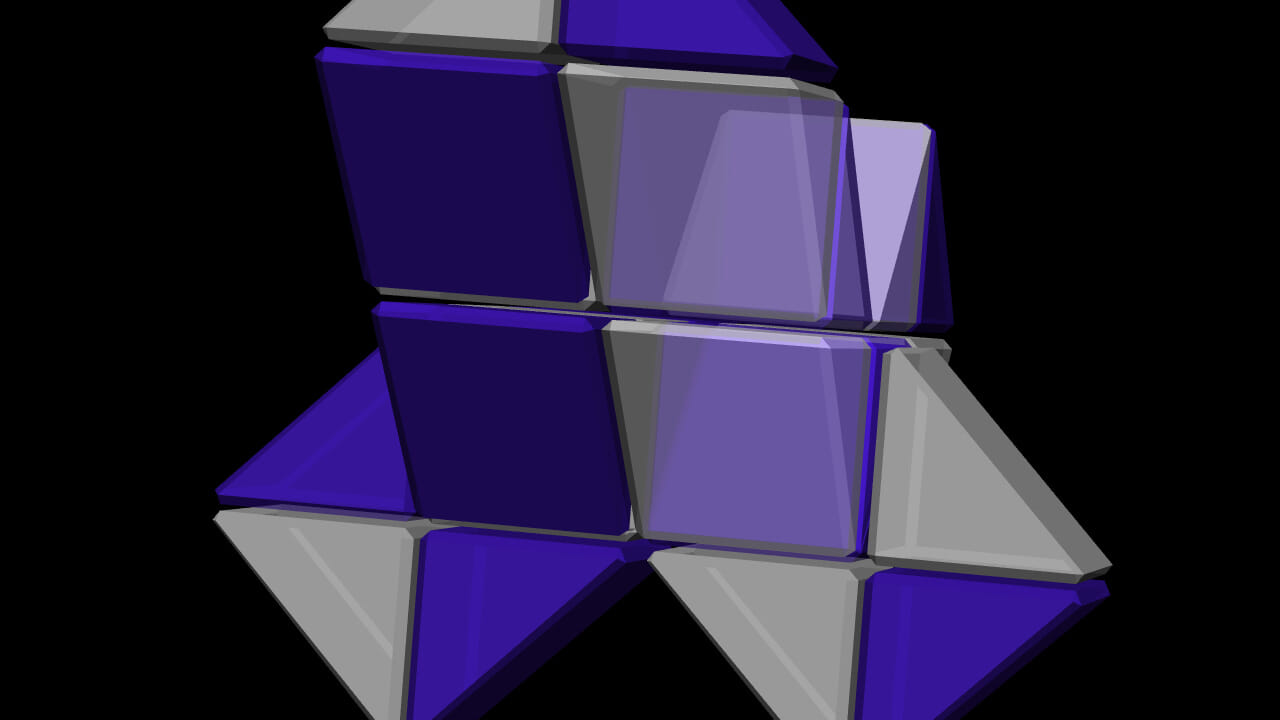 GL Snake
The "Rubik's Snake" puzzle.
See also the "Rubik" and "Cube21" screen savers.
Written by Jamie Wilkinson, Andrew Bennetts, and Peter Aylett; 2002.
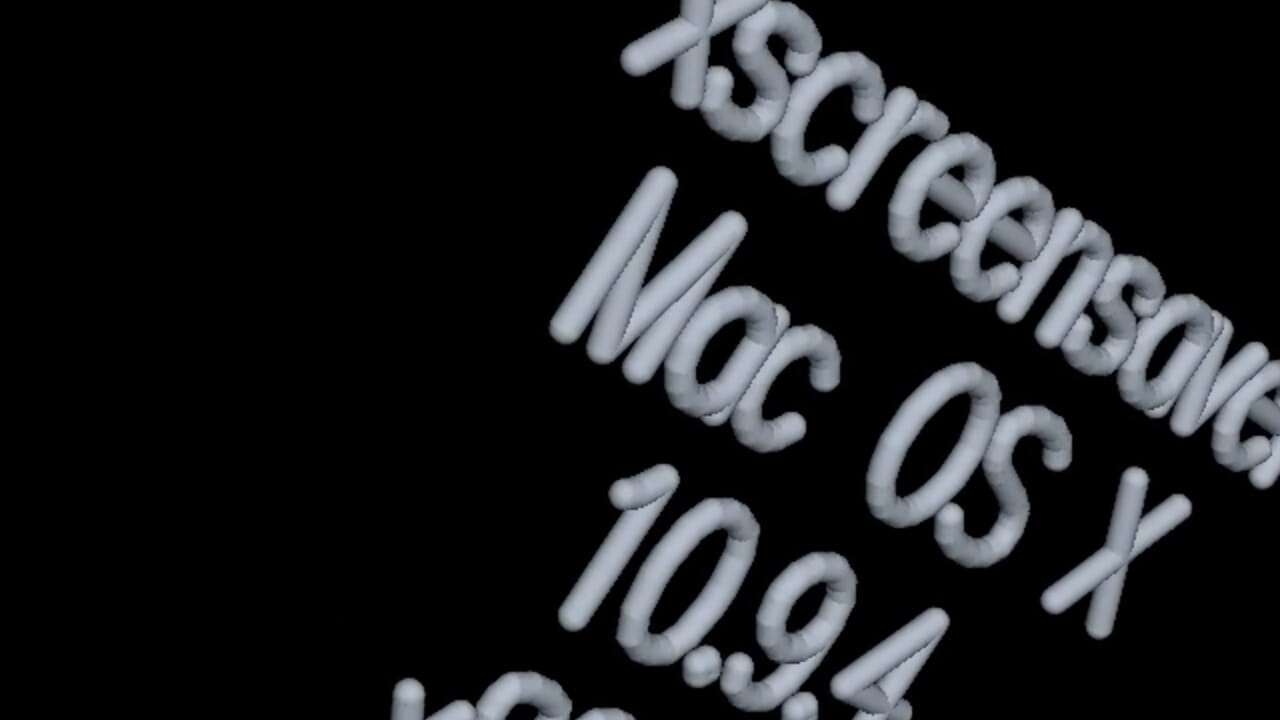 GL Text
A few lines of text spinning around in a solid 3D font.
The text can use strftime() escape codes to display the current date and time.
Written by Jamie Zawinski; 2001.
 Goop
GoopTranslucent amoeba-like blobs wander the screen.
Written by Jamie Zawinski; 1997.
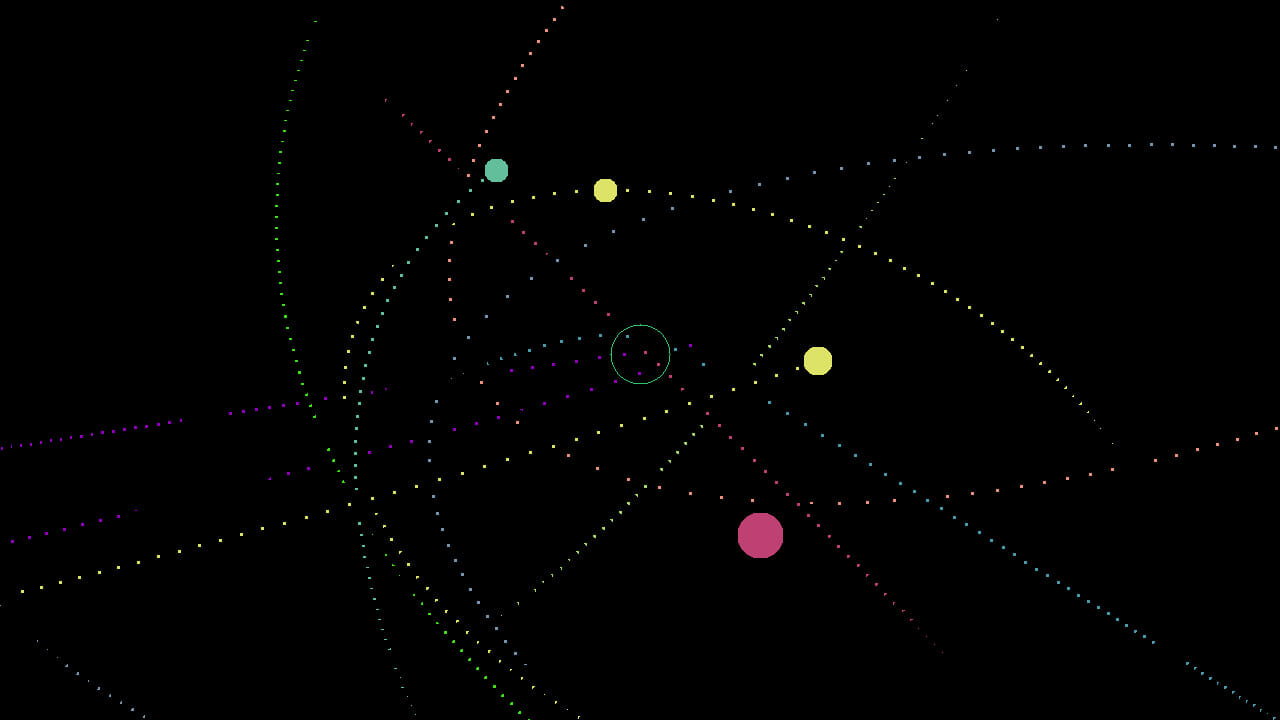 Grav
GravAn orbital simulation, or perhaps a cloud chamber.
Written by Greg Bowering; 1997.
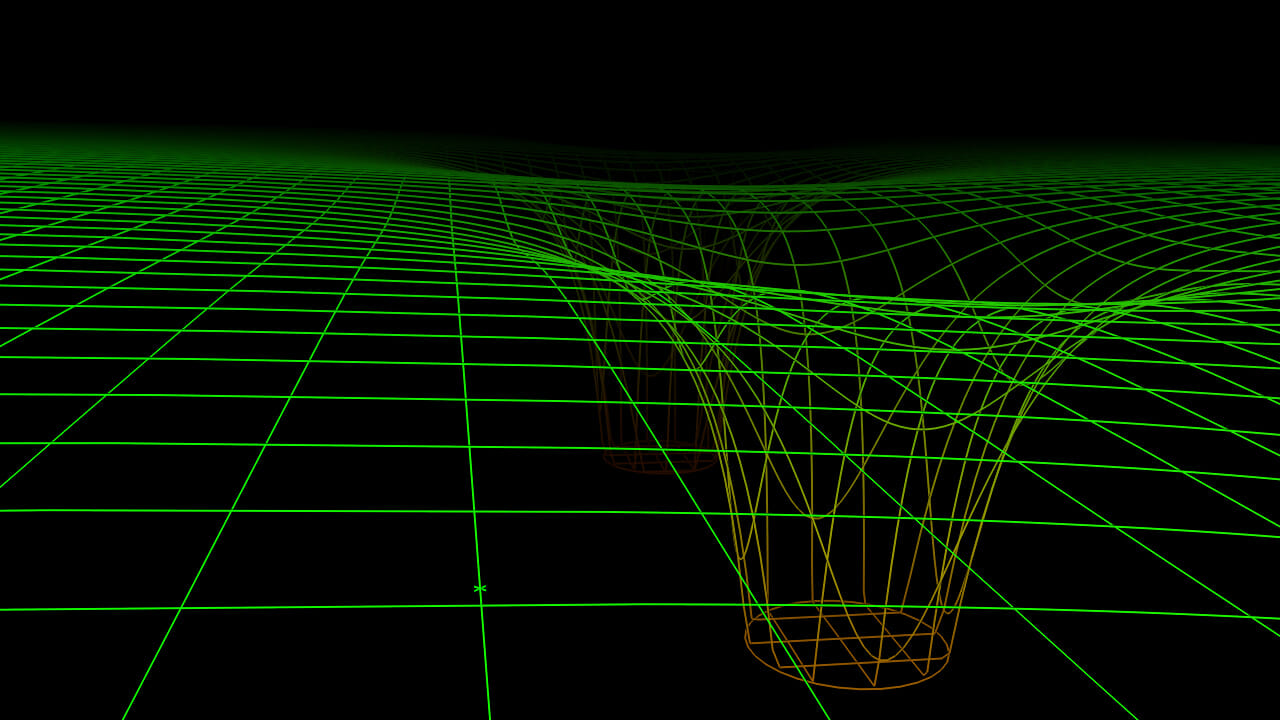 Gravity Well
Massive objects distort space in a two dimensional universe.
Written by Jamie Zawinski; 2019.
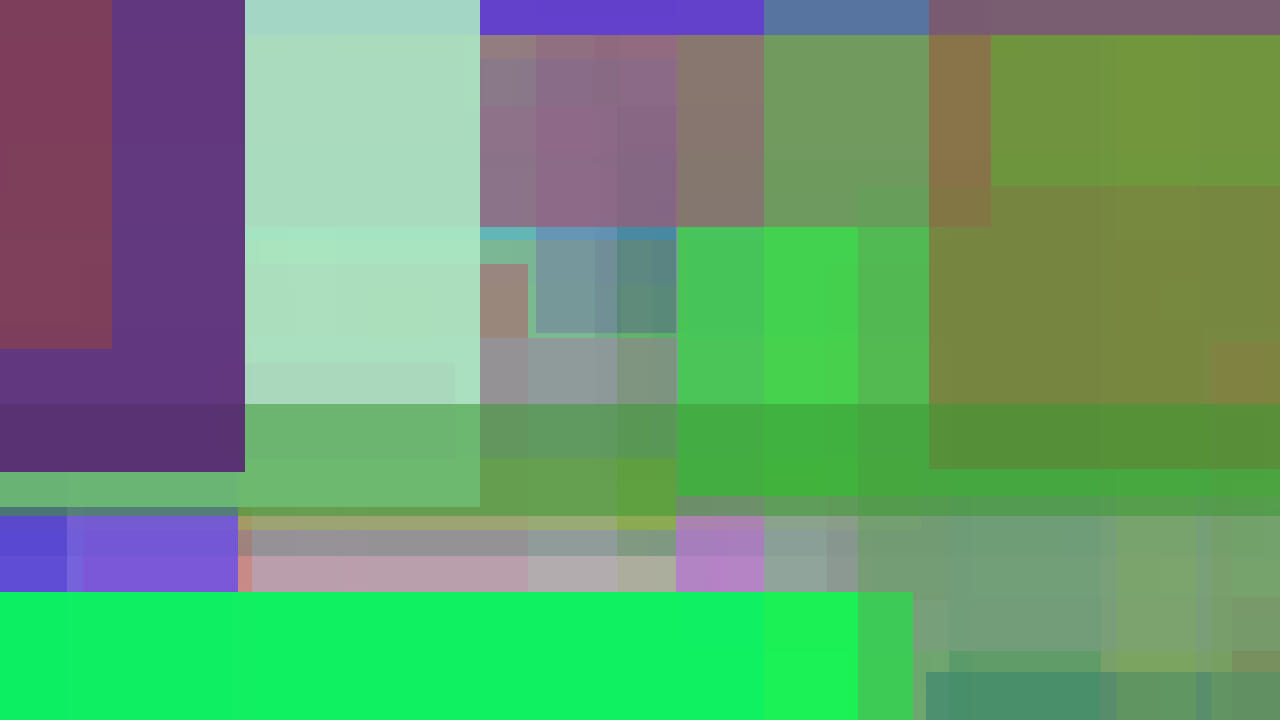 Greynetic
Colored, stippled and transparent rectangles.
Written by Jamie Zawinski; 1992.
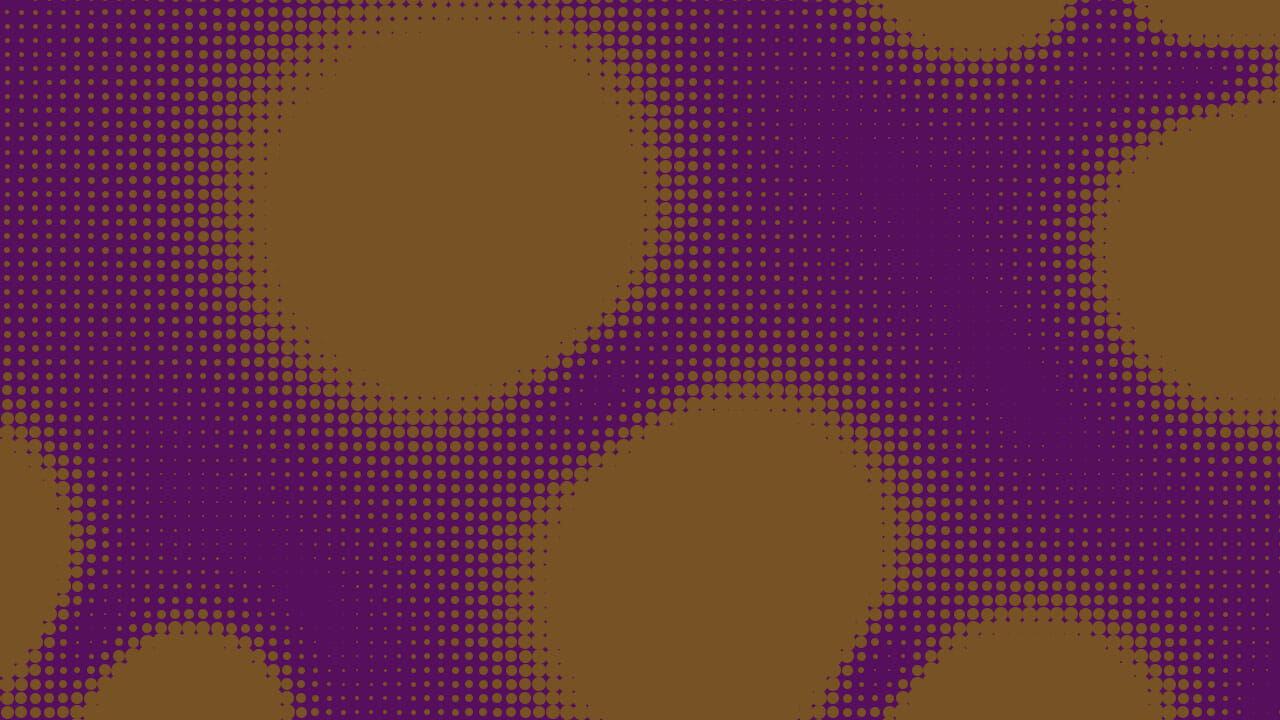 Halftone
A halftone dot pattern in motion.
Draws the gravity force in each point on the screen seen through a halftone dot pattern. The gravity force is calculated from a set of moving mass points. View it from a distance for best effect.
Written by Peter Jaric; 2002.
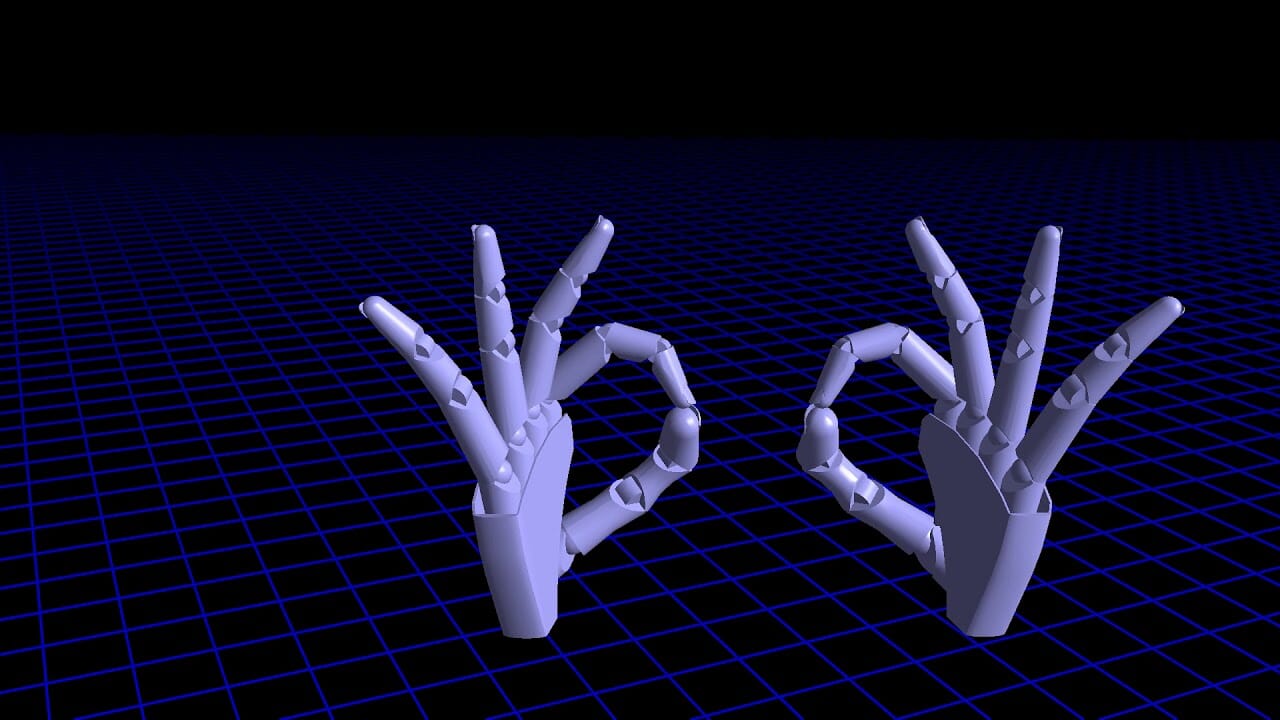 Handsy
A set of robotic hands communicate non-verbally.
Written by Jamie Zawinski; 2018.
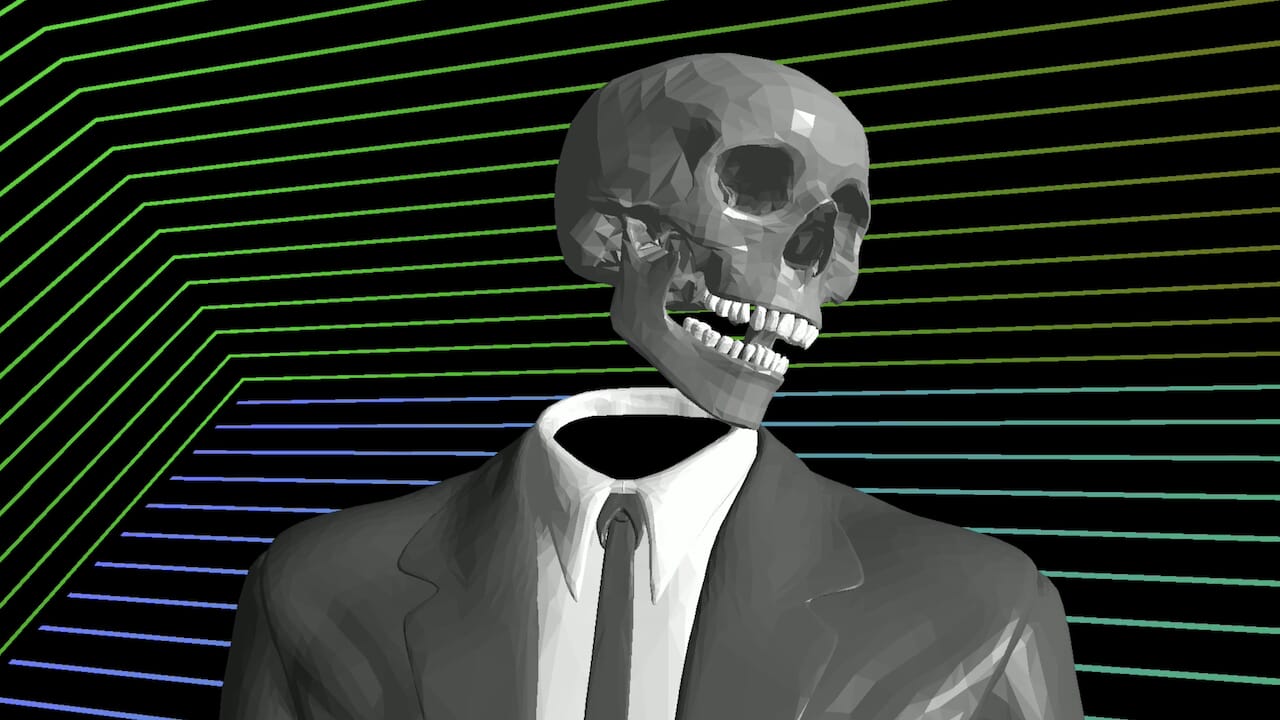 Headroom
"Back in my day, we used to say 'No future'. Well. This is it." -- Blank Reg
"I can dump down all the information in the mind. Then I can eliminate any information I don't want. My parrot squawks in much the same way. For the moment, the computer power is only enough to generate a human head." -- Bryce Lynch
Written by Jamie Zawinski and Jared Williams; 2020.
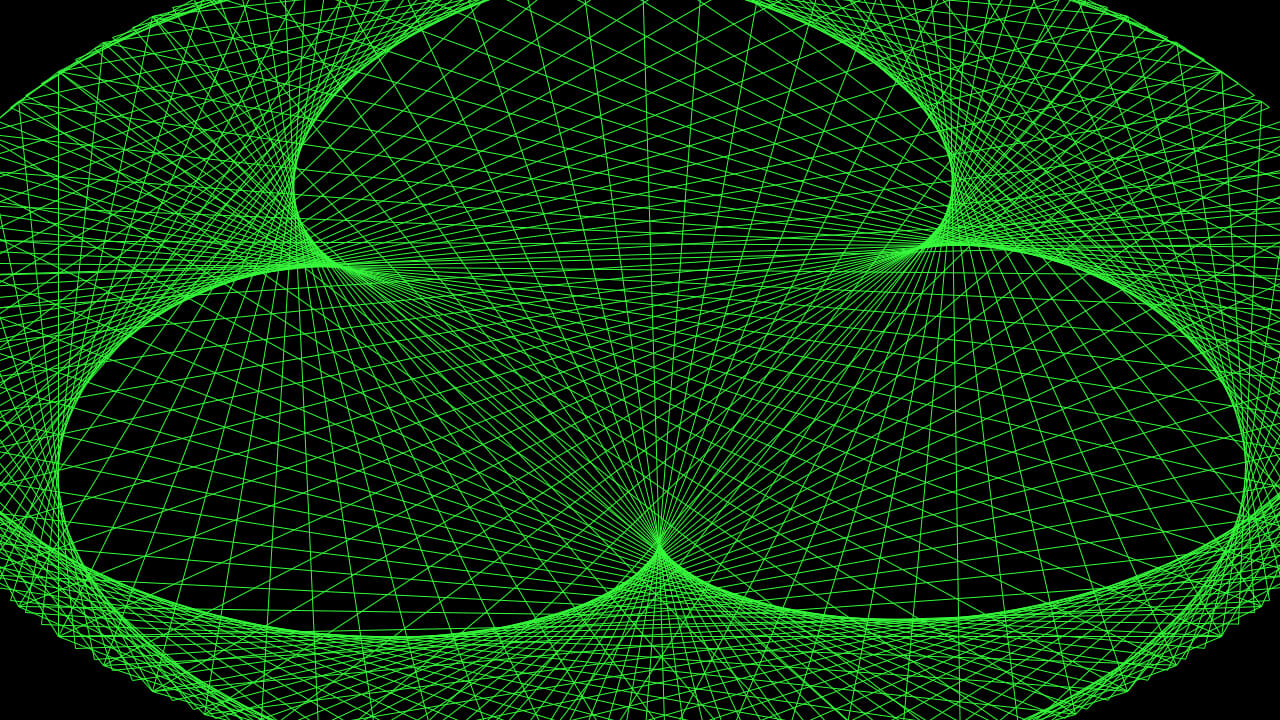 Helix
HelixSpirally string-art-ish patterns.
Written by Jamie Zawinski; 1992.
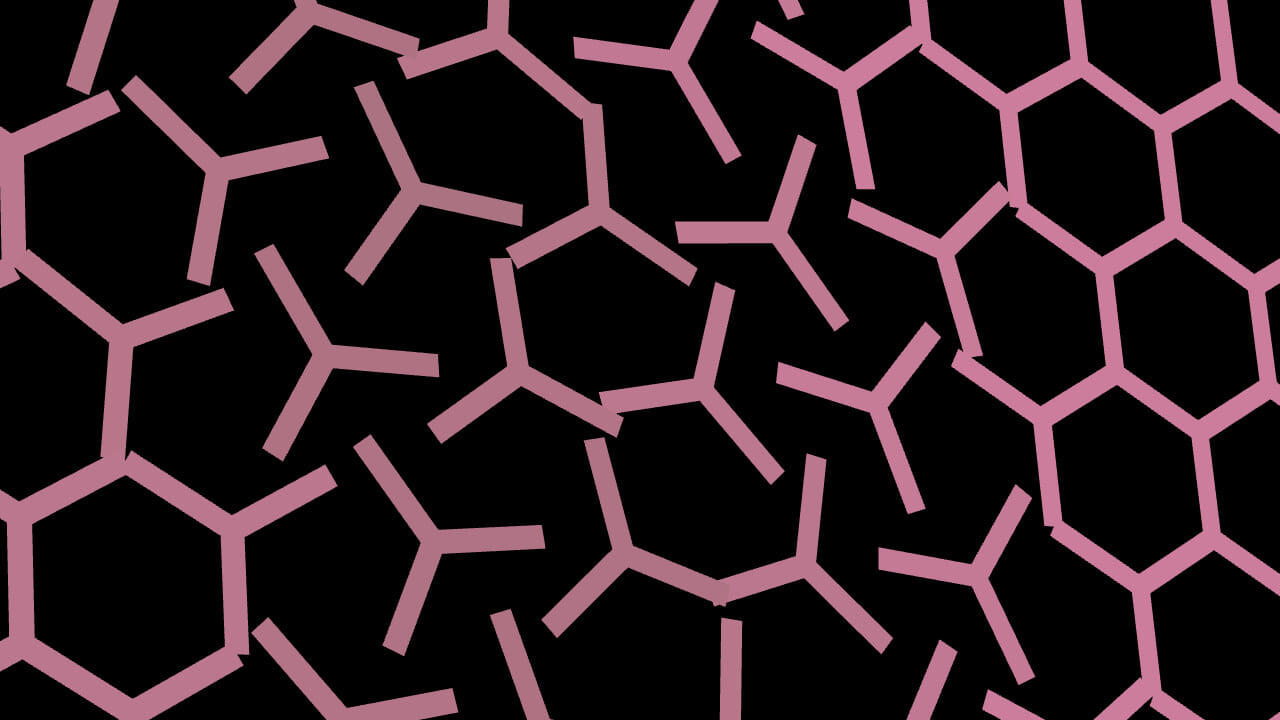 Hex Strut
A grid of hexagons composed of rotating Y-shaped struts. Waves of rotation and color changes randomly propagate across the plane.
Written by Jamie Zawinski; 2016.
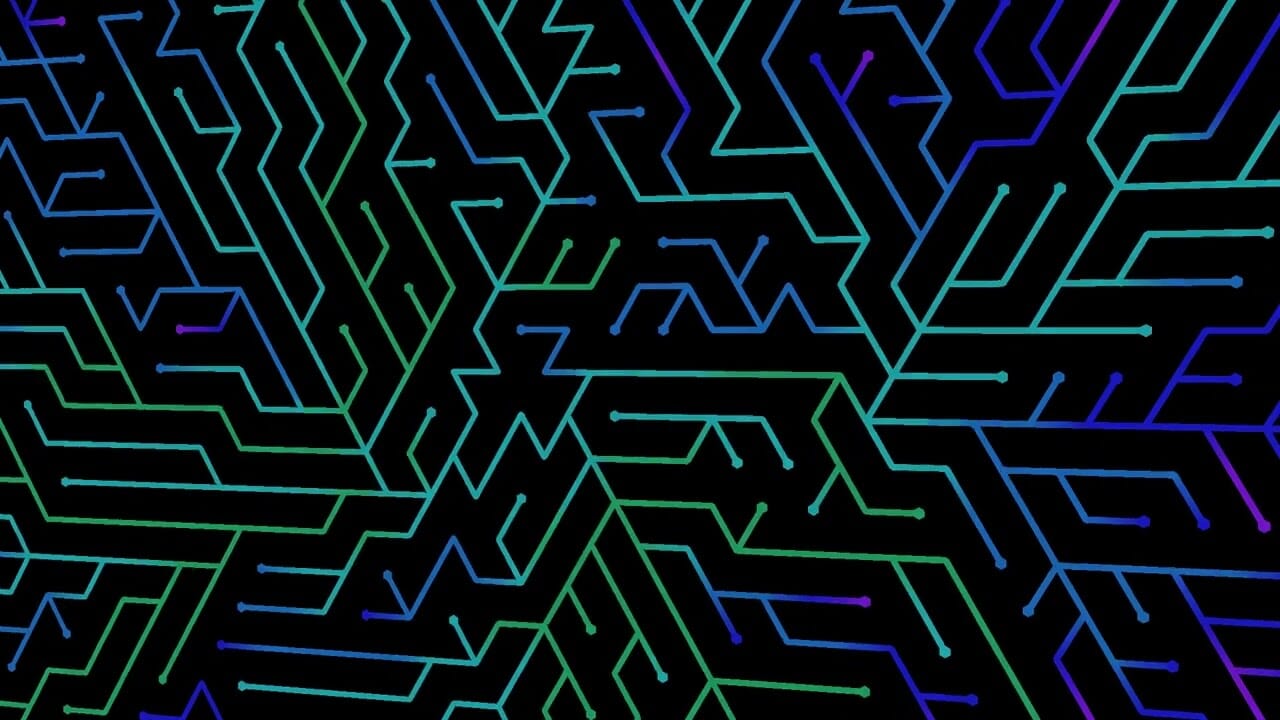 Hex Trail
A network of colorful lines grows upon a hexagonal substrate.
Written by Jamie Zawinski; 2022.
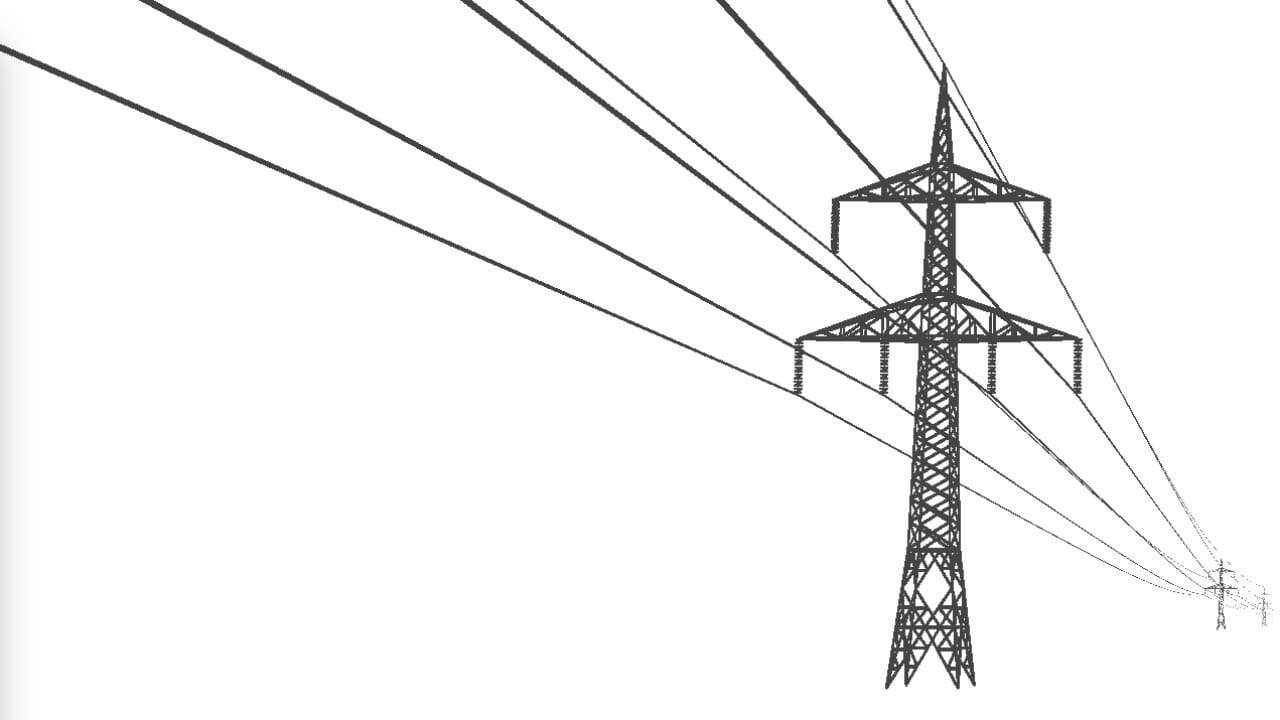 High Voltage
A leisurely flight past some high voltage transmission towers. Smell the ozone! ⚠⚡⚠⚡⚠⚡
Wikipedia: "Transmission tower"
Written by Jamie Zawinski; 2024.
 Hilbert
The recursive Hilbert space-filling curve, both 2D and 3D variants.
The Hilbert path is a single contiguous line that can fill a volume without crossing itself. As a data structure, Hilbert paths are useful because ordering along the curve preserves locality: points that are close together along the curve are also close together in space. The converse is often, but not always, true. The coloration reflects this.
Written by Jamie Zawinski; 2011.
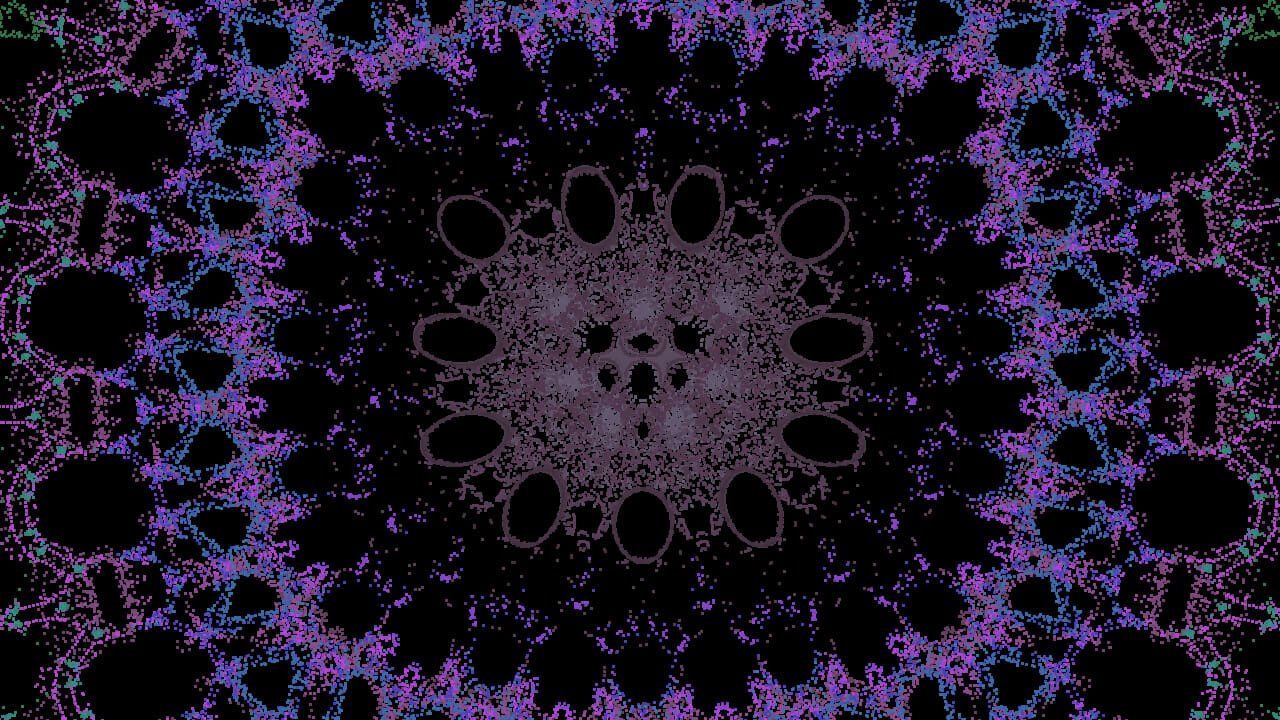 Hopalong
Lacy fractal patterns based on iteration in the imaginary plane, from a 1986 Scientific American article.
See also the "Discrete" screen saver.
Written by Patrick Naughton; 1992.
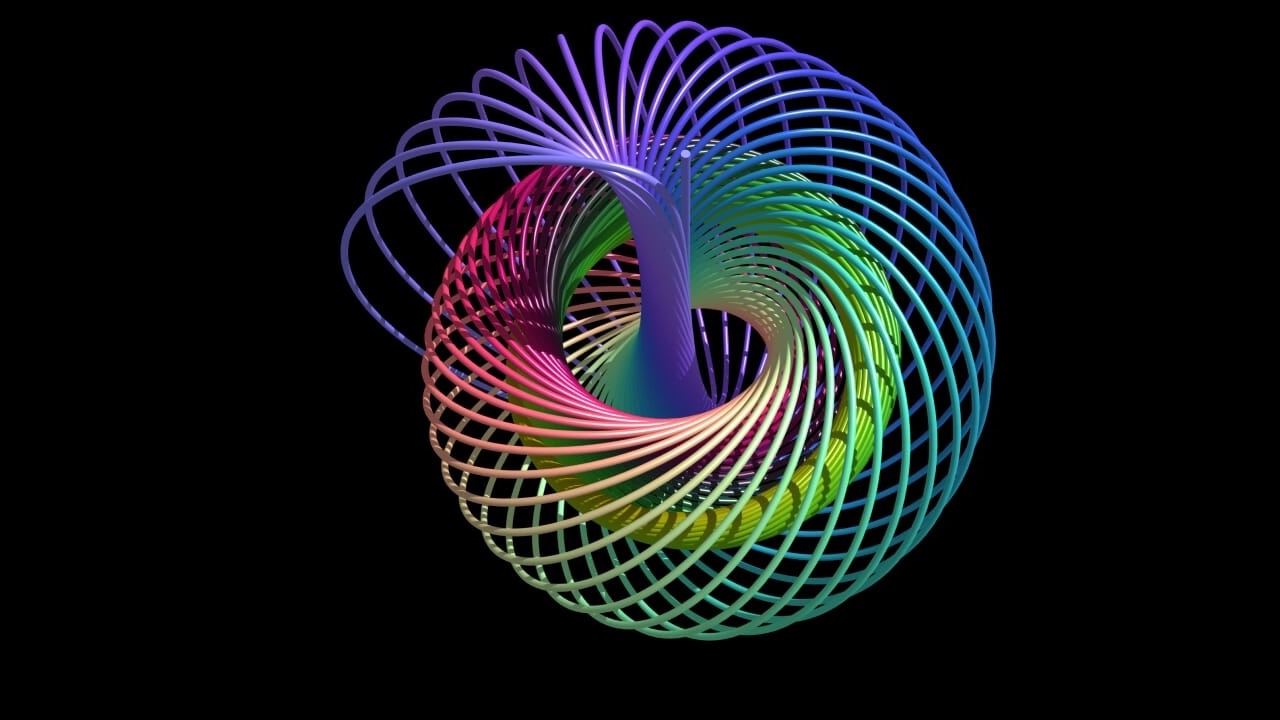 Hopf Fibration
The Hopf fibration of the 4d hypersphere S³.
The Hopf fibration is based on the Hopf map, a many-to-one continuous function from S³ onto the the ordinary 3d sphere S² such that each distinct point of S² is mapped from a distinct great circle of S³. Hence, the inverse image of a point on S² corresponds to a great circle S¹ on S³. The sphere S² is called the base space, each S¹ corresponding to a point on S² is called a fiber, and S³ is called the total space. The program displays various configurations of points on the base space and their fibers in the total space. The corresponding points and fibers are displayed in the same color.
Any two fibers form a Hopf link. Each circle on S² creates a set of fibers that forms a Clifford torus on S³ (i.e., in 4d). Clifford tori are flat (in the same sense that the surface of a cylinder is flat). More generally, any closed curve on S² creates a torus-like surface on S³ that is flat. These surfaces are called Hopf tori or Bianchi-Pinkall flat tori. Look for the wave-like curve on S² in the animations to see a Hopf torus. A circular arc on S² creates a Hopf band on S³. The Hopf band is a Seifert surface of the Hopf link that forms the boundaries of the Hopf band.
Inspired by Niles Johnson's visualization of the Hopf fibration
(https://
Wikipedia: "Hopf fibration"
Wikipedia: "Hopf link"
Wikipedia: "Clifford torus"
Wikipedia: "Seifert surface"
Wikipedia: "Dupin cyclide"
Wikipedia: "3-sphere"
Written by Carsten Steger; 2025.
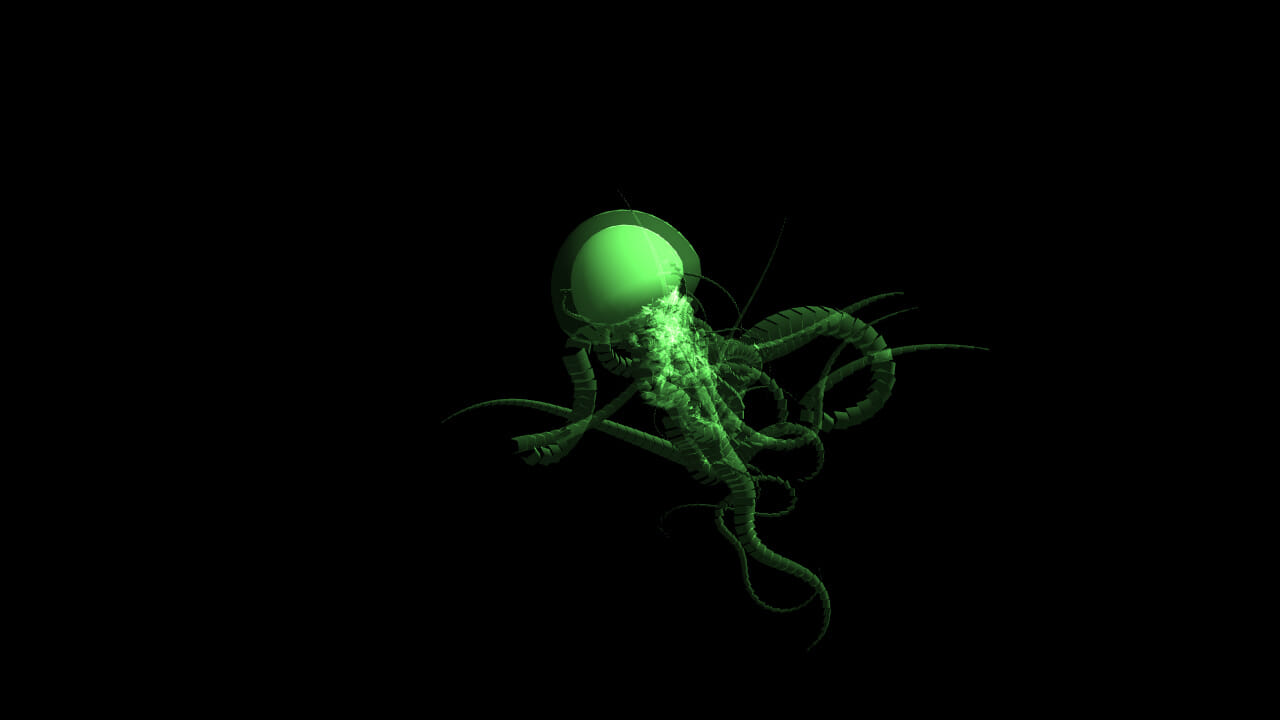 Hydrostat
Wiggly squid or jellyfish with many tentacles.
A muscular hydrostat is a biological structure used to move its host about, consisting of muscles with no skeletal support. It performs its hydraulic movement without fluid in a separate compartment, as in a hydrostatic skeleton.
Wikipedia: "Muscular hydrostat"
Written by Justin Windle and Jamie Zawinski; 2016.
 Hypnowheel
Overlapping, translucent spiral patterns. The tightness of their spirals fluctuates in and out.
Written by Jamie Zawinski; 2008.
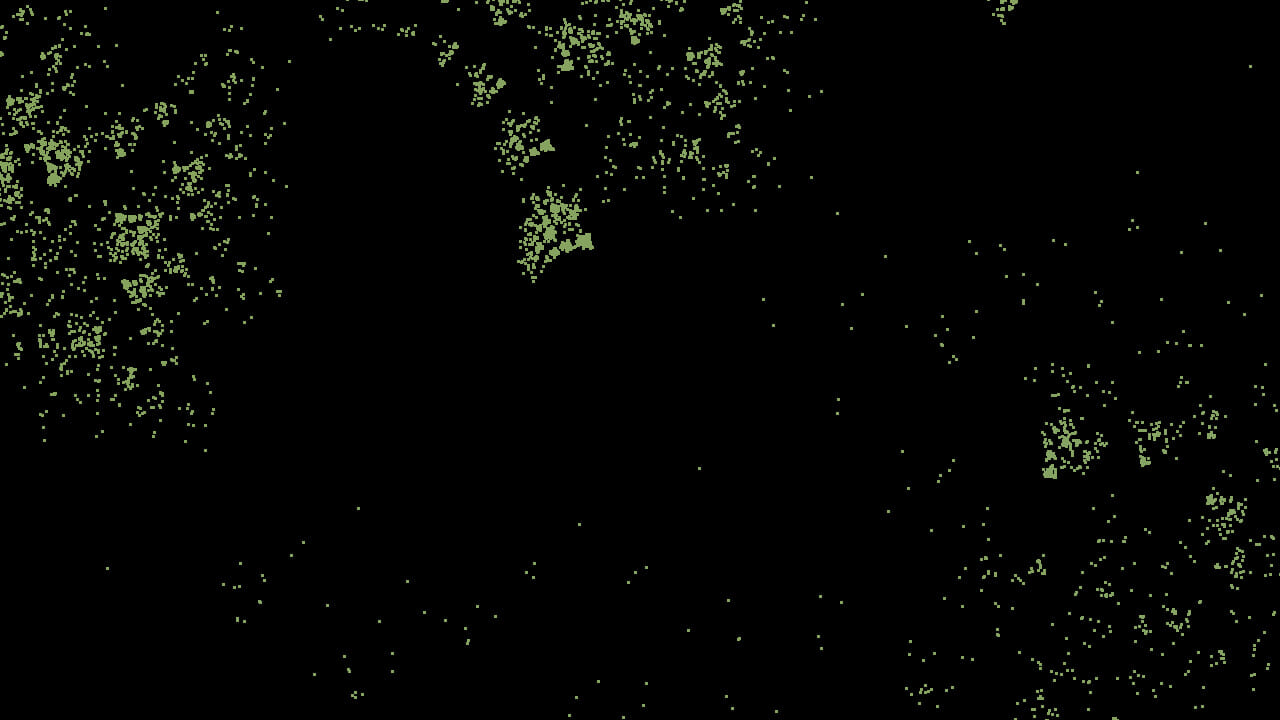 IFS
IFSClouds of iterated function systems spin and collide.
Note that the "Detail" parameter is exponential. Number of points drawn is functions^detail.
Wikipedia: "Iterated function system"
Written by Chris Le Sueur and Robby Griffin; 1997.
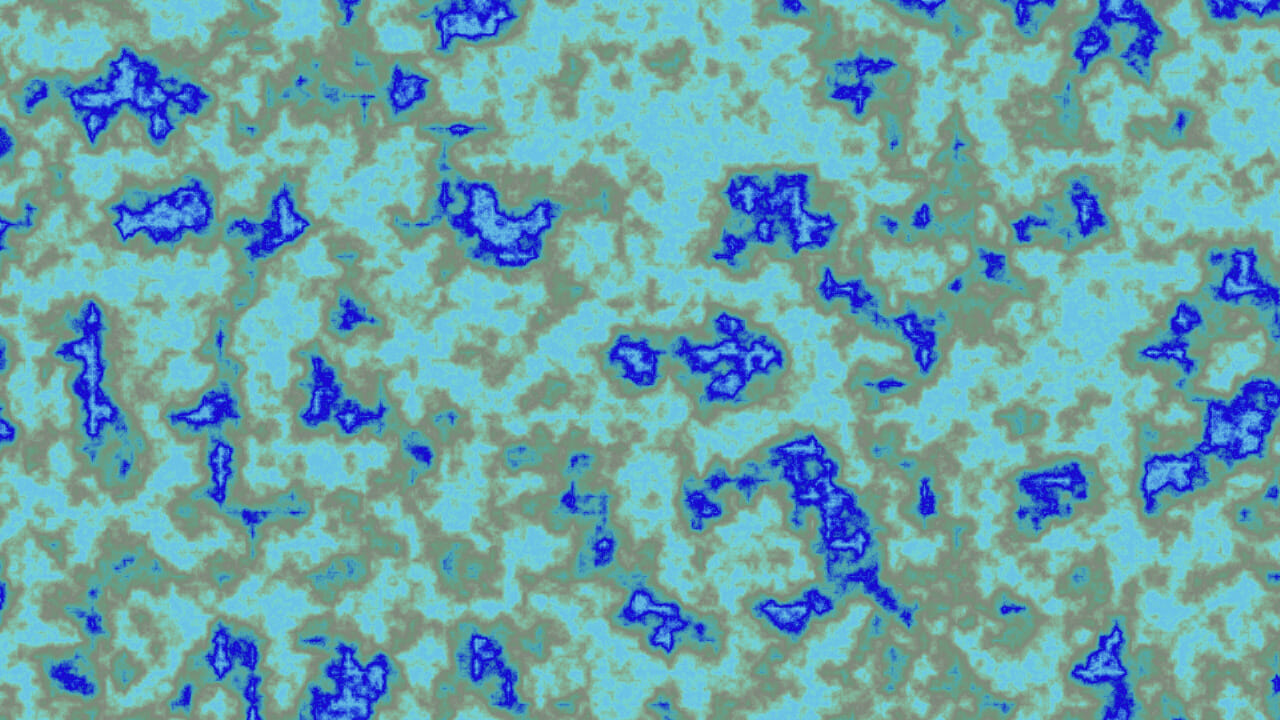 IMS Map
Recursive cloud-like fractal patterns.
Written by Juergen Nickelsen and Jamie Zawinski; 1992.
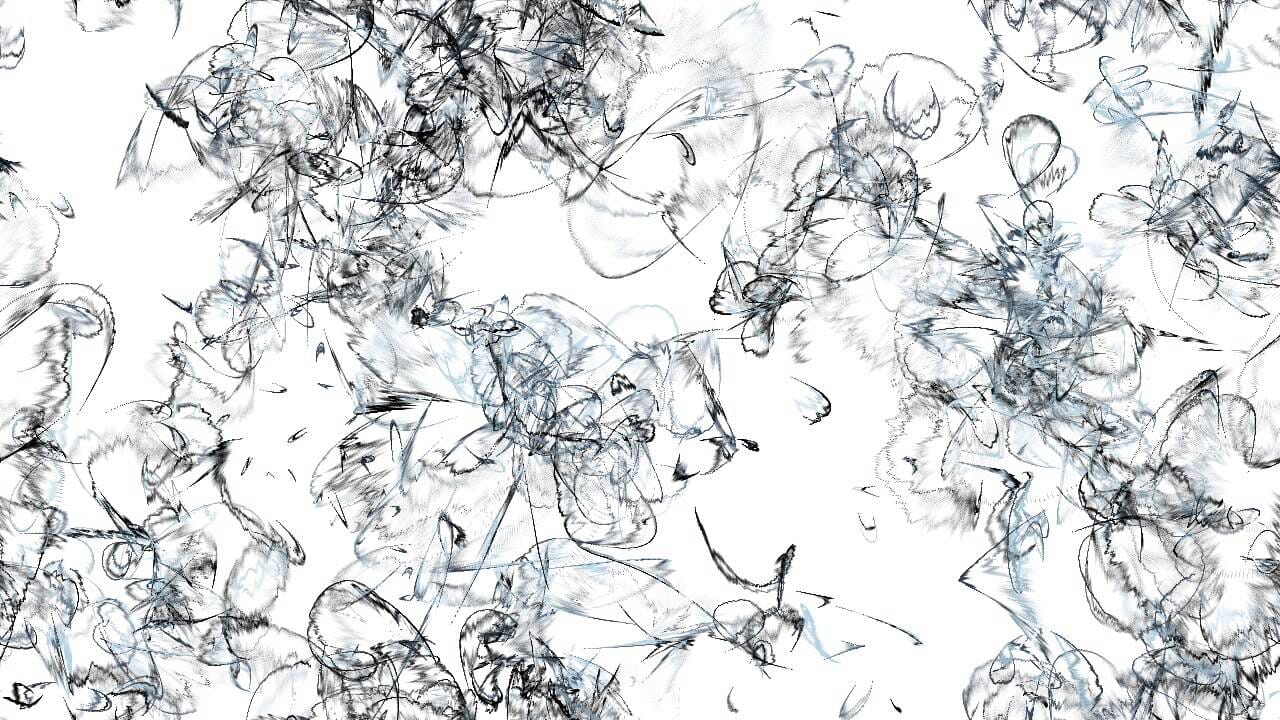 Interaggregate
Pale pencil-like scribbles slowly fill the screen.
A surface is filled with a hundred medium to small sized circles. Each circle has a different size and direction, but moves at the same slow rate. Displays the instantaneous intersections of the circles as well as the aggregate intersections of the circles.
Though actually it doesn't look like circles at all!
Written by Casey Reas, William Ngan, Robert Hodgin, and Jamie Zawinski; 2004.
 Interference
Decaying sinusoidal waves make colors.
Written by Hannu Mallat; 1998.
 Intermomentary
Blinking dots interact with each other circularly.
A surface is filled with a hundred medium to small sized circles. Each circle has a different size and direction, but moves at the same slow rate. Displays the instantaneous intersections of the circles as well as the aggregate intersections of the circles.
The circles begin with a radius of 1 pixel and slowly increase to some arbitrary size. Circles are drawn with small moving points along the perimeter. The intersections are rendered as glowing orbs. Glowing orbs are rendered only when a perimeter point moves past the intersection point.
Written by Casey Reas, William Ngan, Robert Hodgin, and Jamie Zawinski; 2004.
 Jiggly Puff
Quasi-spherical objects are distorted.
You have a tetrahedron with tesselated faces. The vertices on these faces have forces on them: one proportional to the distance from the surface of a sphere; and one proportional to the distance from the neighbors. They also have inertia. The resulting effect can range from a shape that does nothing, to a frenetic polygon storm. Somewhere in between there it usually manifests as a blob that jiggles in a kind of disturbing manner.
Written by Keith Macleod; 2003.
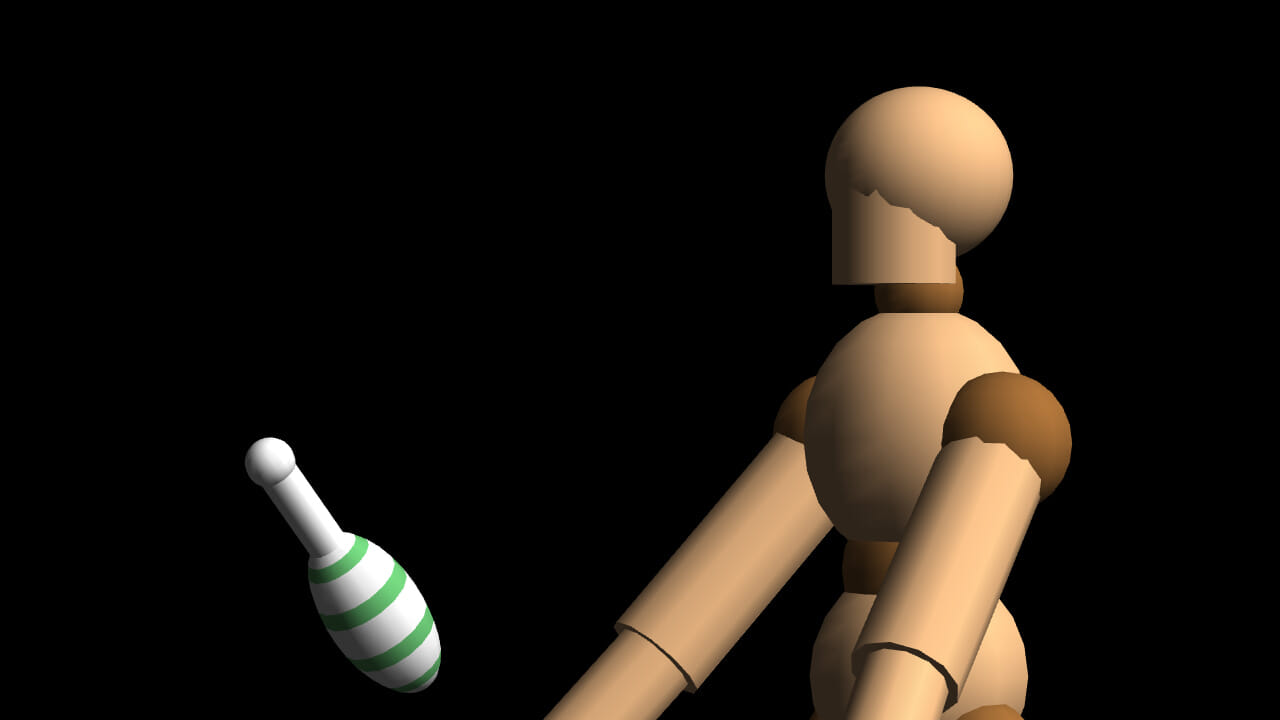 Juggler 3D
A 3D juggling stick-person, with Cambridge juggling pattern notation used to describe the patterns juggled.
Written by Tim Auckland and Jamie Zawinski; 2002.
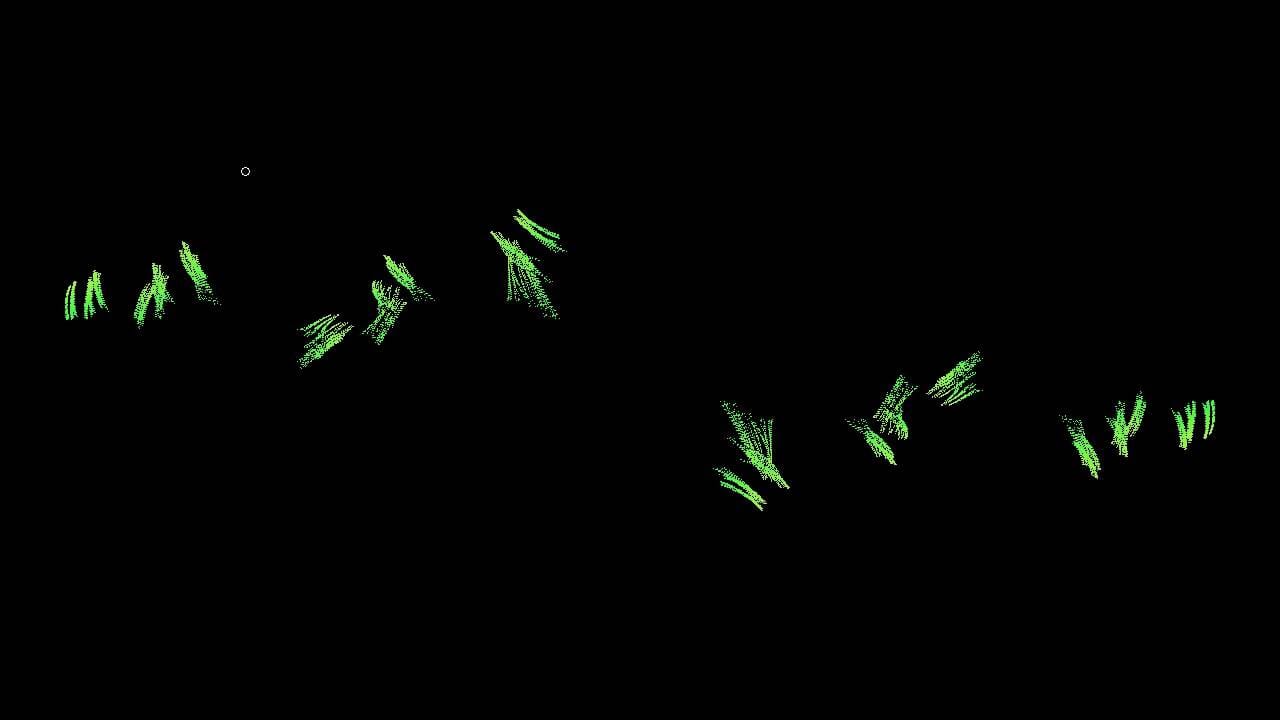 Julia
JuliaThe Julia set is a close relative of the Mandelbrot set. The small moving dot indicates the control point from which the rest of the image was generated.
See also the "Discrete" screen saver.
Written by Sean McCullough; 1997.
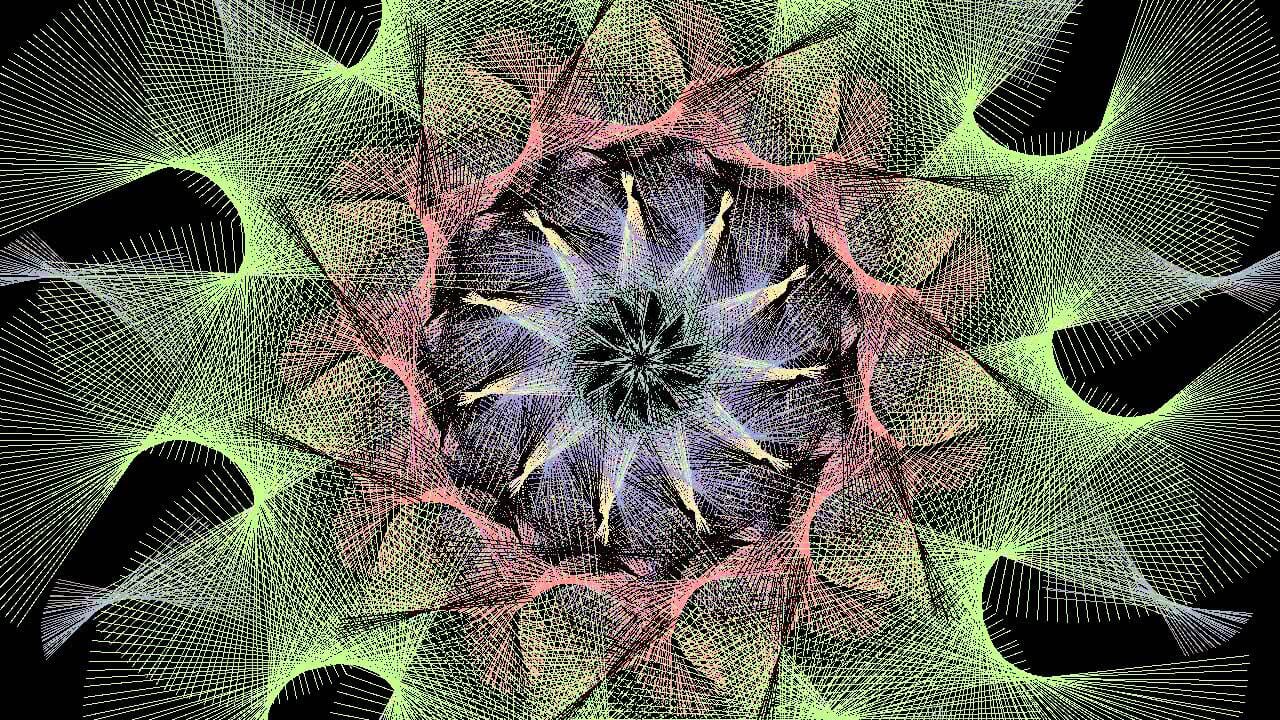 Kaleidescope
A simple kaleidoscope made of line segments.
See "GLeidescope" for a more sophisticated take.
Written by Ron Tapia; 1997.
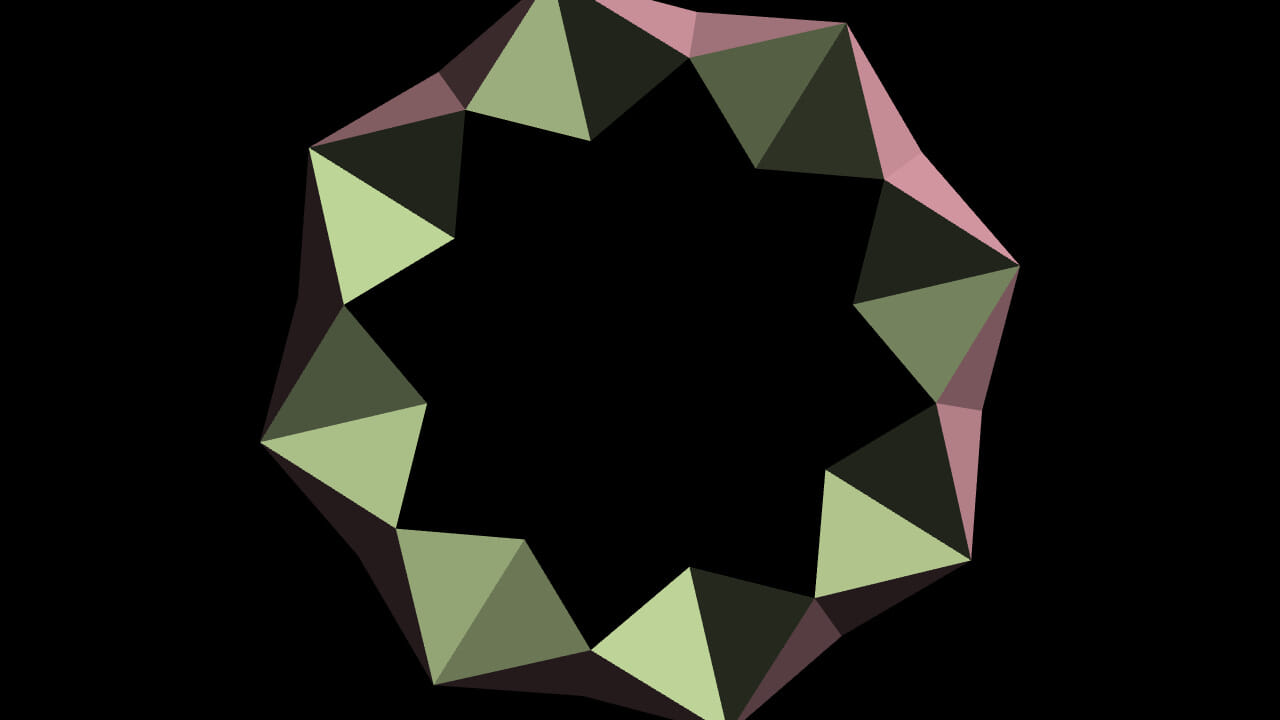 Kaleidocycle
Draw a ring composed of tetrahedra connected at the edges that twists and rotates toroidally.
When a series of tetrahedra are joined at the edges in a loop, it is possible for them to rotate continously through the center without deforming. This only works with an even number of tetrahedra, and there must be eight or more, or they don't fit.
Written by Jamie Zawinski; 2013.
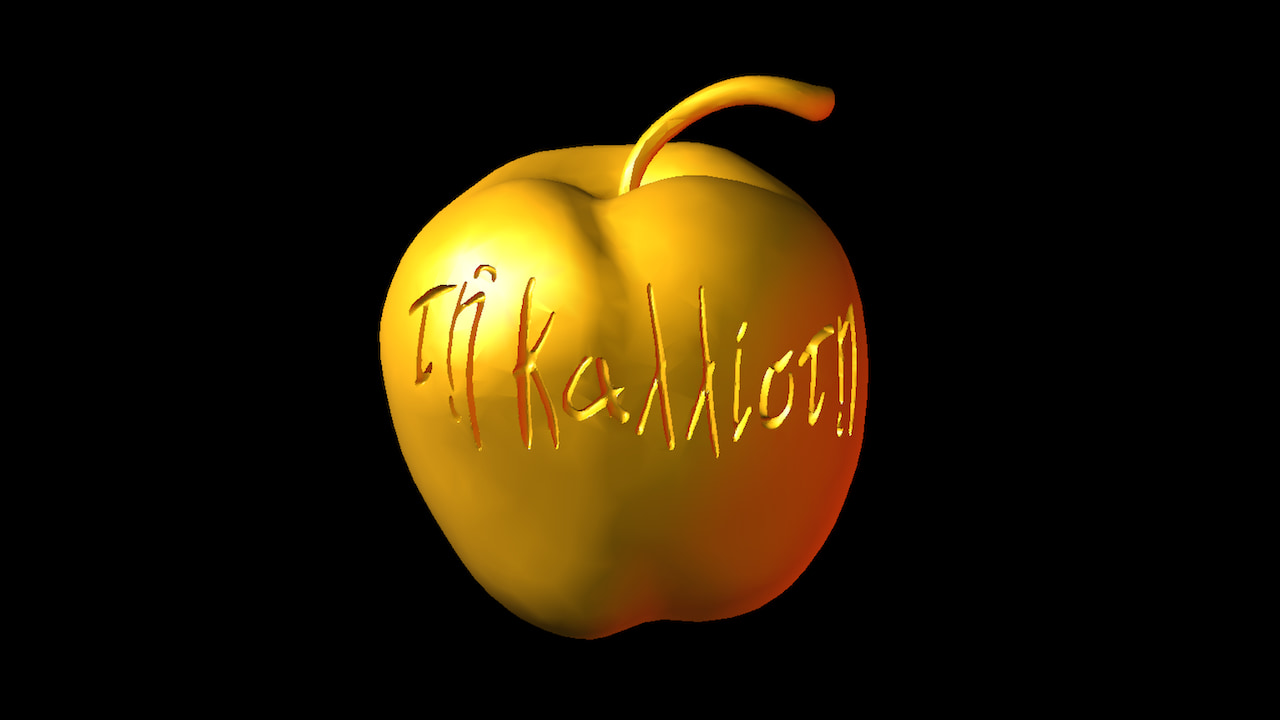 Kallisti
The golden apple of discord.
Greek goddess Eris was not invited to a wedding; her retort was to toss in a golden apple, inscribed: "to the fairest". Hera, Athena and Aphrodite squabbled over it; Zeus noped out, telling Paris of Troy to decide. They all cheated, but Aphrodite won by letting Paris abduct and marry Helen of Sparta. The Greeks objected to this, leading to the Trojan War.
Do you want to launch a thousand ships? Because this is how you launch a thousand ships.
Wikipedia: "Judgement of Paris"
Written by Jamie Zawinski and Jared Williams; 2024.
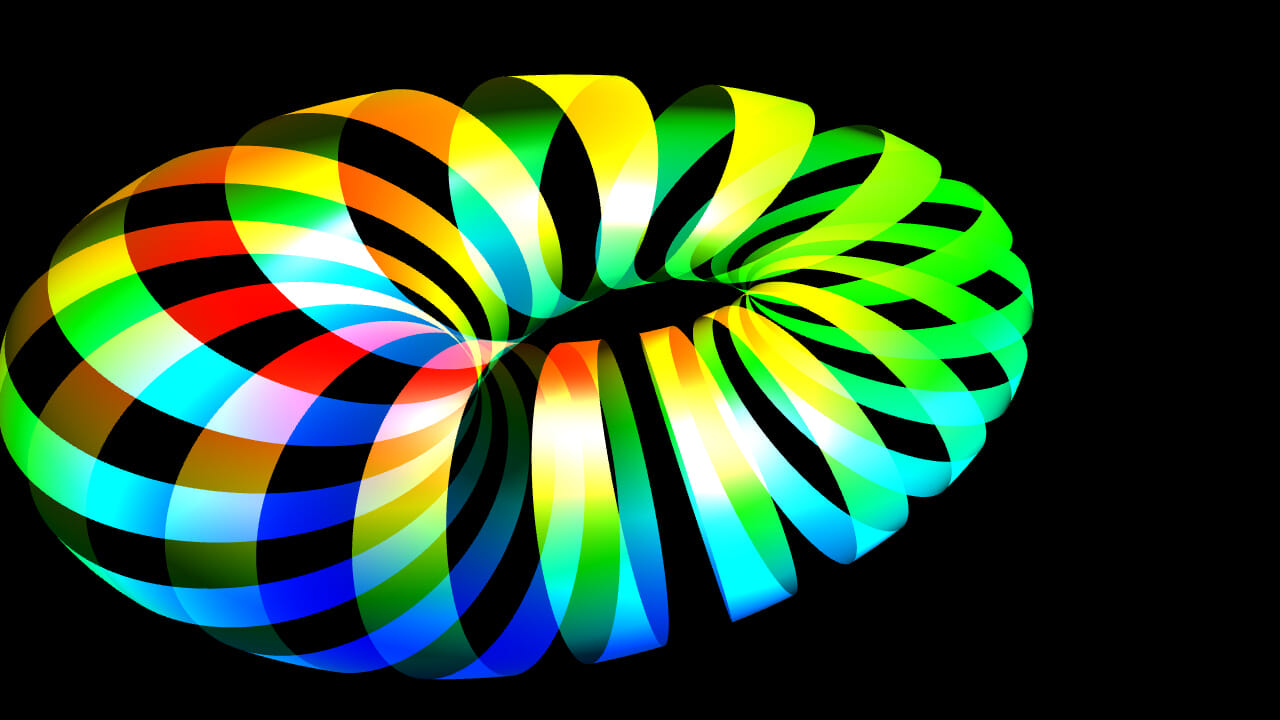 Klein
KleinA Klein bottle is the 4D analog of a möbius strip.
You can walk on the surface of the bottle or rotate it in 4D or walk on it while it rotates in 4D. Inspired by Thomas Banchoff's book "Beyond the Third Dimension: Geometry, Computer Graphics, and Higher Dimensions", Scientific American Library, 1990.
Written by Carsten Steger; 2008.
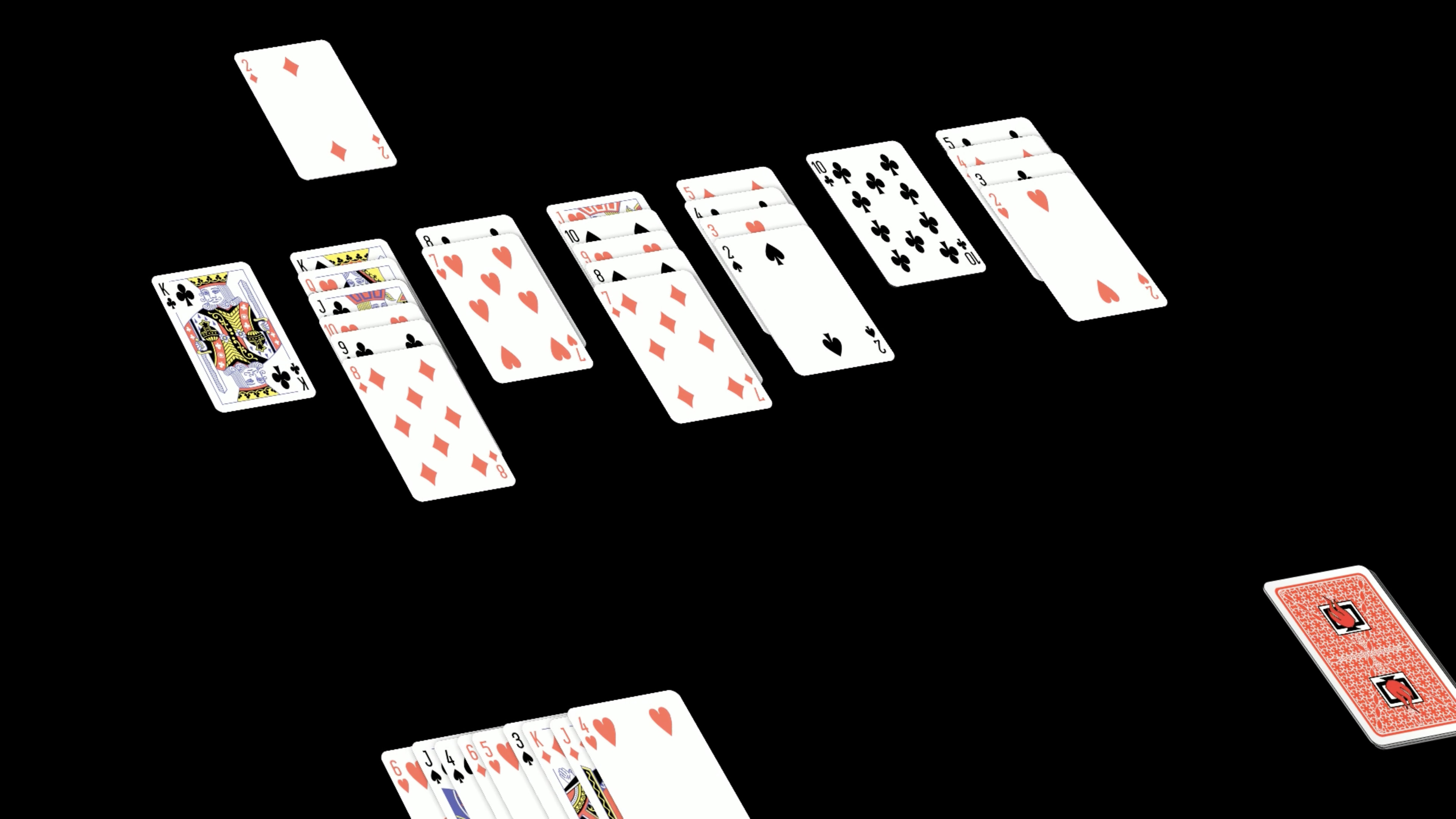 Klondike
The screen saver plays solitaire.
Written by Joshua Timmons; 2024.
 Kumppa
Spiraling, spinning, and very, very fast splashes of color rush toward the screen.
Written by Teemu Suutari; 1998.
 Lament
Lemarchand's Box, the Lament Configuration.
Warning: occasionally opens doors.
Written by Jamie Zawinski; 1998.
 Lavalite
Blobs of a mysterious substance are heated, slowly rise to the top of the bottle, and then drop back down as they cool.
"LAVA LITE(r) and the configuration of the LAVA(r) brand motion lamp are registered trademarks of Haggerty Enterprises, Inc. The configuration of the globe and base of the motion lamp are registered trademarks of Haggerty Enterprises, Inc. in the U.S.A. and in other countries around the world."
Wikipedia: "Lava lamp"
Wikipedia: "Metaballs"
Wikipedia: "Lavarand"
Written by Jamie Zawinski; 2002.
 Lockward
A translucent spinning, blinking thing. Sort of a cross between the wards in an old combination lock and those old backlit information displays that animated and changed color via polarized light.
Written by Leo L. Schwab; 2007.
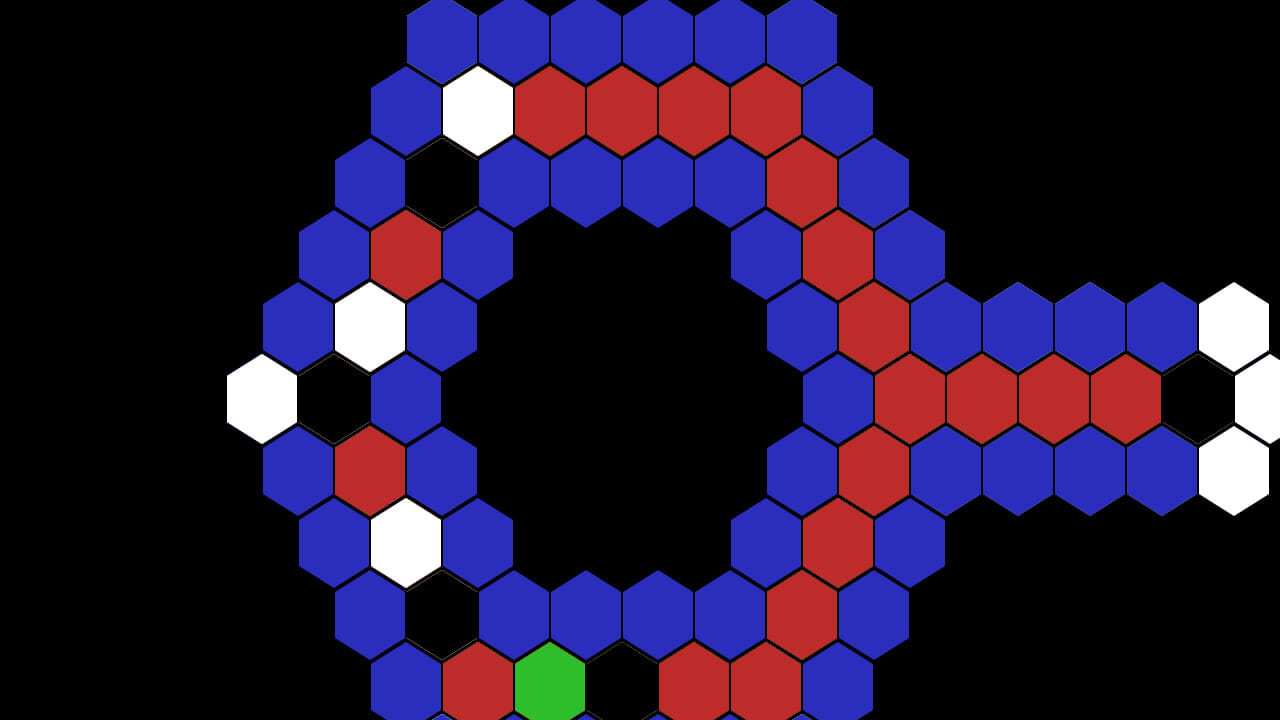 Loop
LoopA cellular automaton that generates loop-shaped colonies that spawn, age, and eventually die.
Written by David Bagley; 1999.
 m6502
m6502Emulates a 6502 microprocessor, and runs some example programs on it.
The family of 6502 chips were used throughout the 70's and 80's in machines such as the Atari 2600, Commodore PET, VIC20 and C64, Apple ][, and the NES. Some example programs are included, and it can also read in an assembly file as input.
Written by Stian Soreng and Jeremy English; 2007.
 Map Scroller
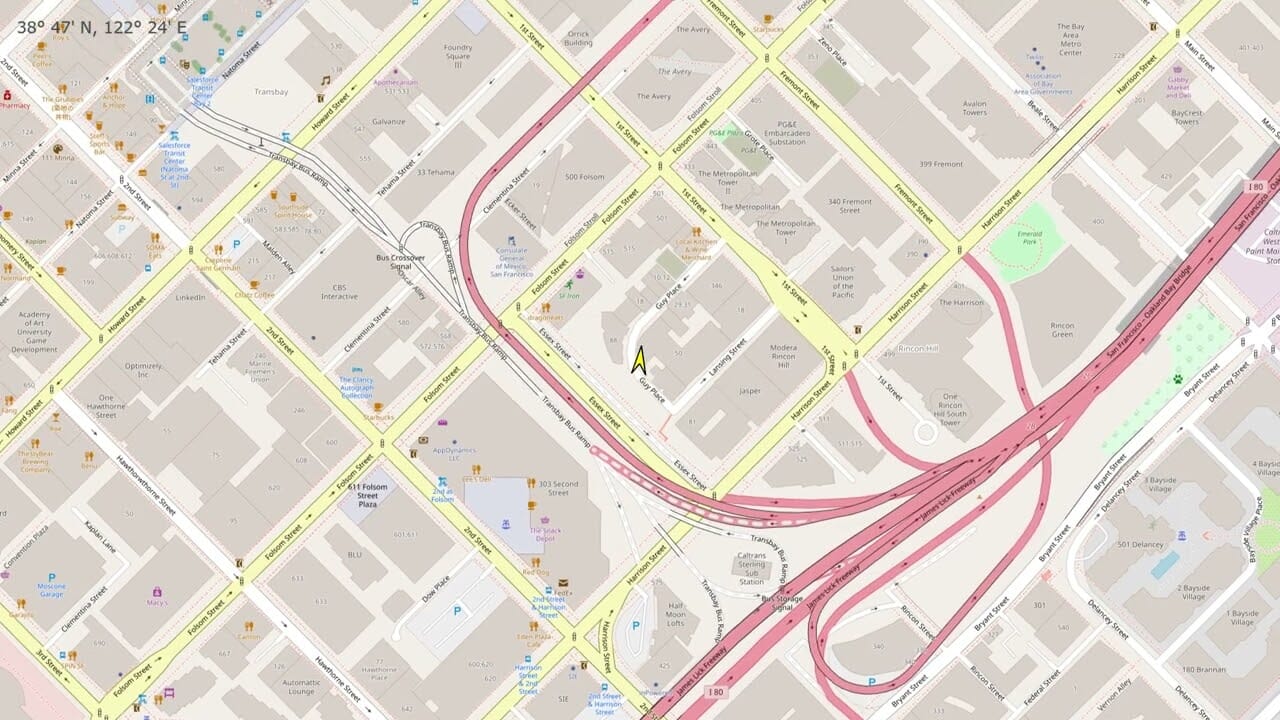
A slowly-scrolling map of a random place on Earth. The map images are loaded from openstreetmap.org, or any compatible service.
The Earth is very big, and full of Things.
As you ponder these maps, remember that traffic always expands to fill all available lanes, every car is a policy failure, and the concept of "jaywalking" was invented for profit by auto industry lobbyists in the 1920s.
OpenStreetMap data is © OpenStreetMap contributors.
Written by Jamie Zawinski; 2022.
 Maze
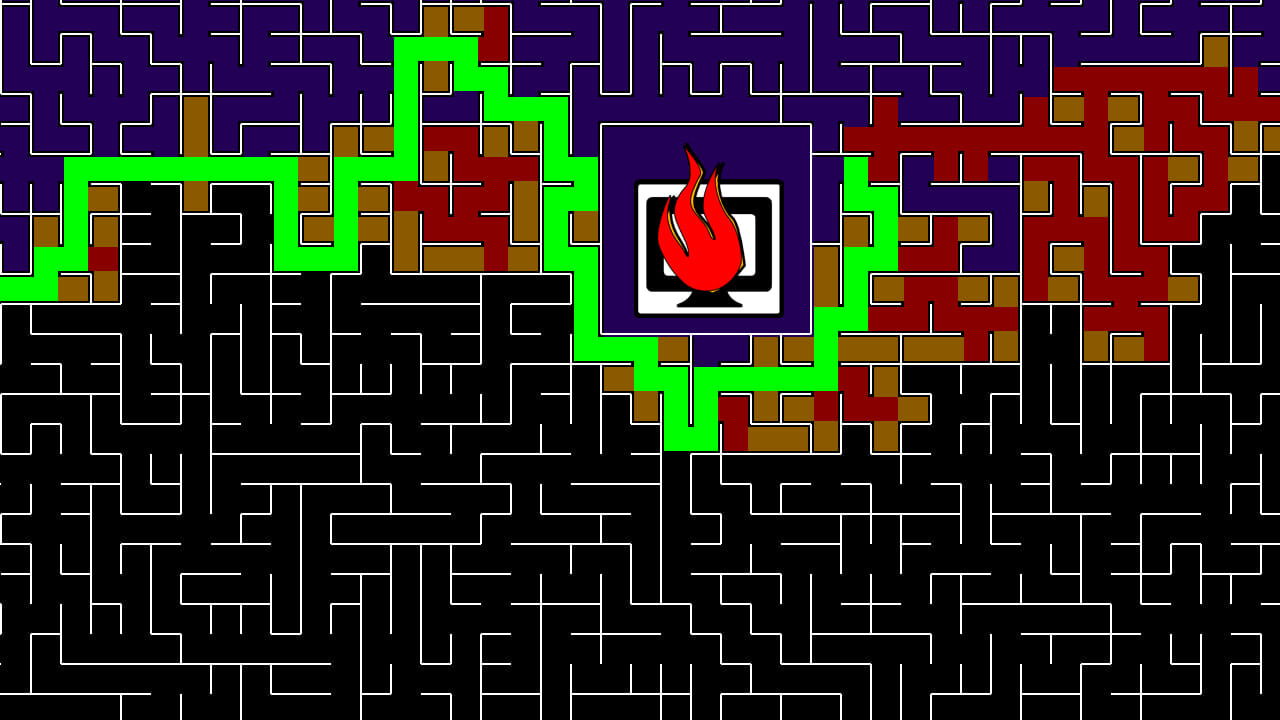
MazeGenerates random mazes, with three different algorithms: Kruskal, Prim, and a depth-first recursive backtracker.
Backtracking and look-ahead paths are displayed in different colors.
Wikipedia: "Maze generation algorithm"
Wikipedia: "Maze solving algorithm"
Written by Martin Weiss, Dave Lemke, Jim Randell, Jamie Zawinski, Johannes Keukelaar, and Zack Weinberg; 1985.
 Maze 3D
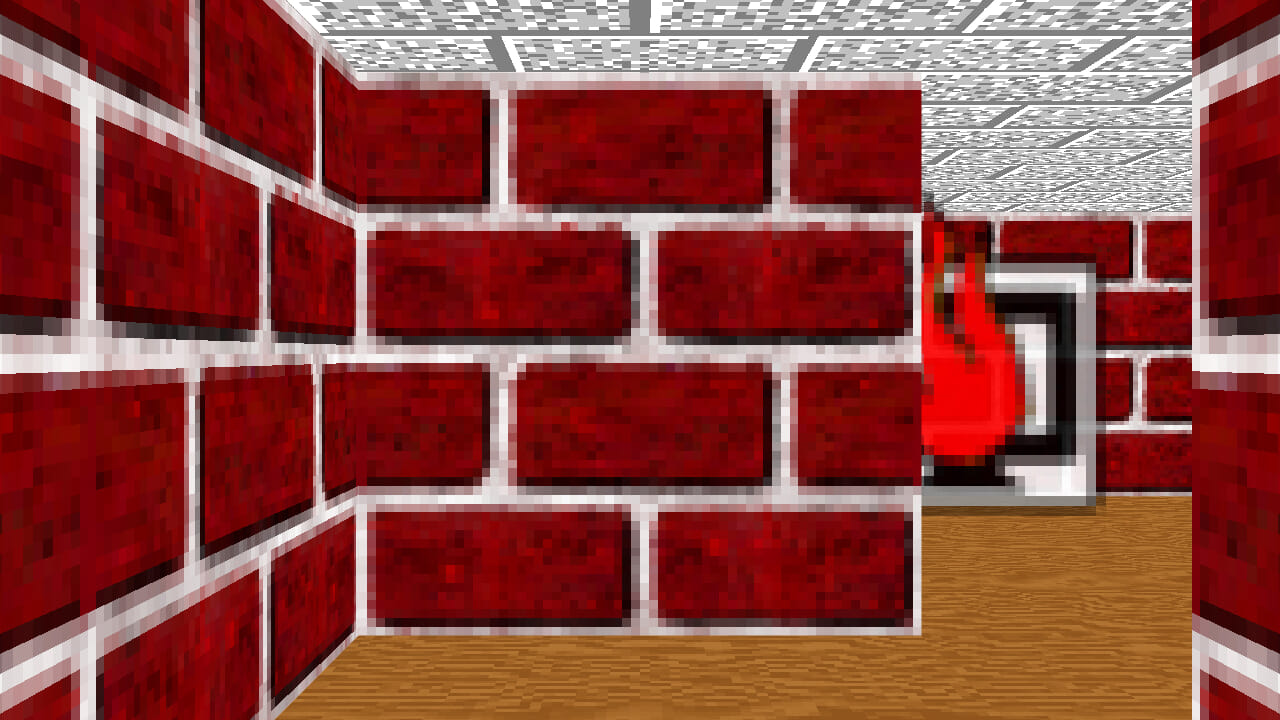
A re-creation of the 3D Maze screensaver from Windows 95.
Written by Sudoer; 2018.
 Mem Scroller
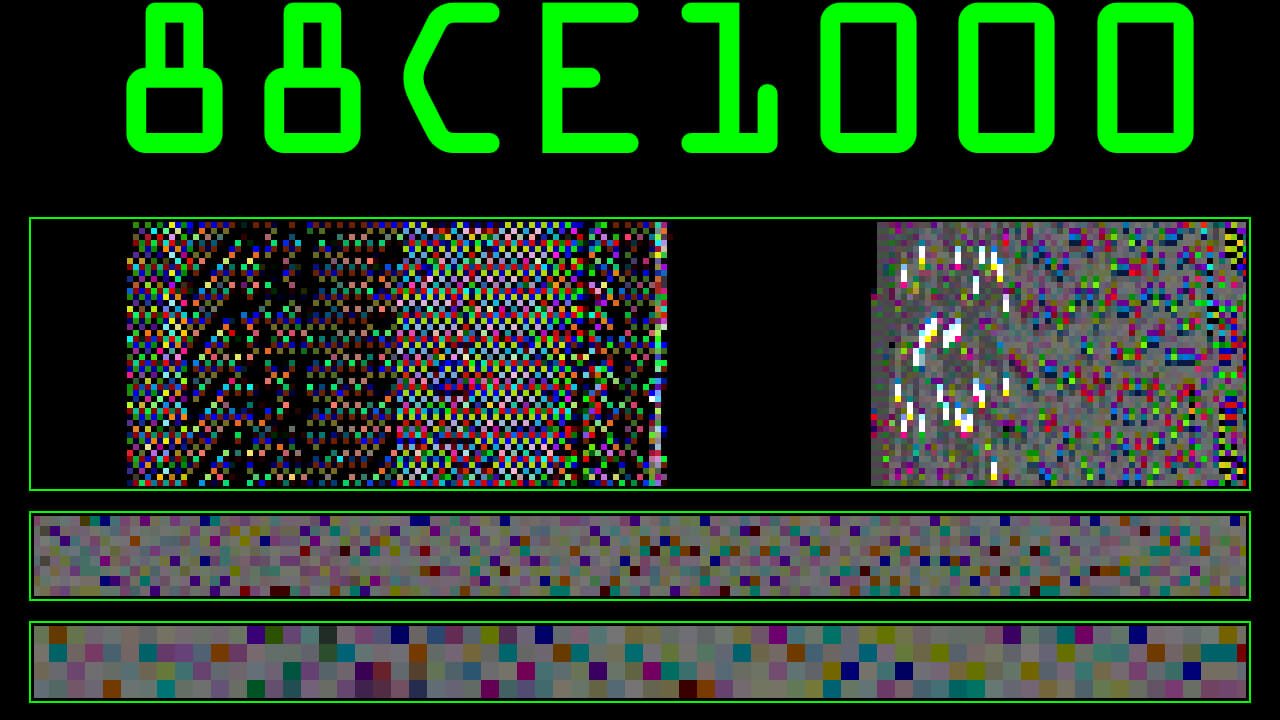
Scrolls a dump of its own memory in three windows at three different rates.
Written by Jamie Zawinski; 2004.
 Meta Balls
2D meta-balls: overlapping and merging balls with fuzzy edges.
Written by W.P. van Paassen; 2003.
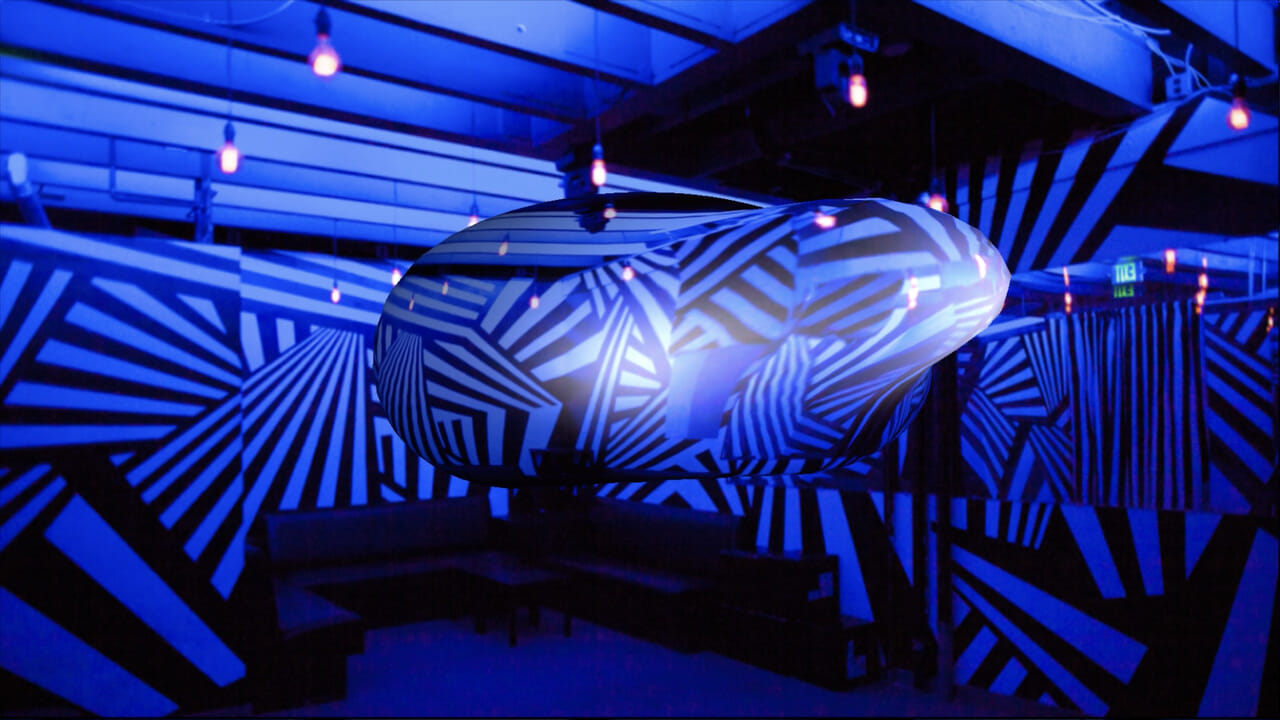 Mirror Blob
A wobbly blob distorts images behind it.
Written by Jon Dowdall; 2003.
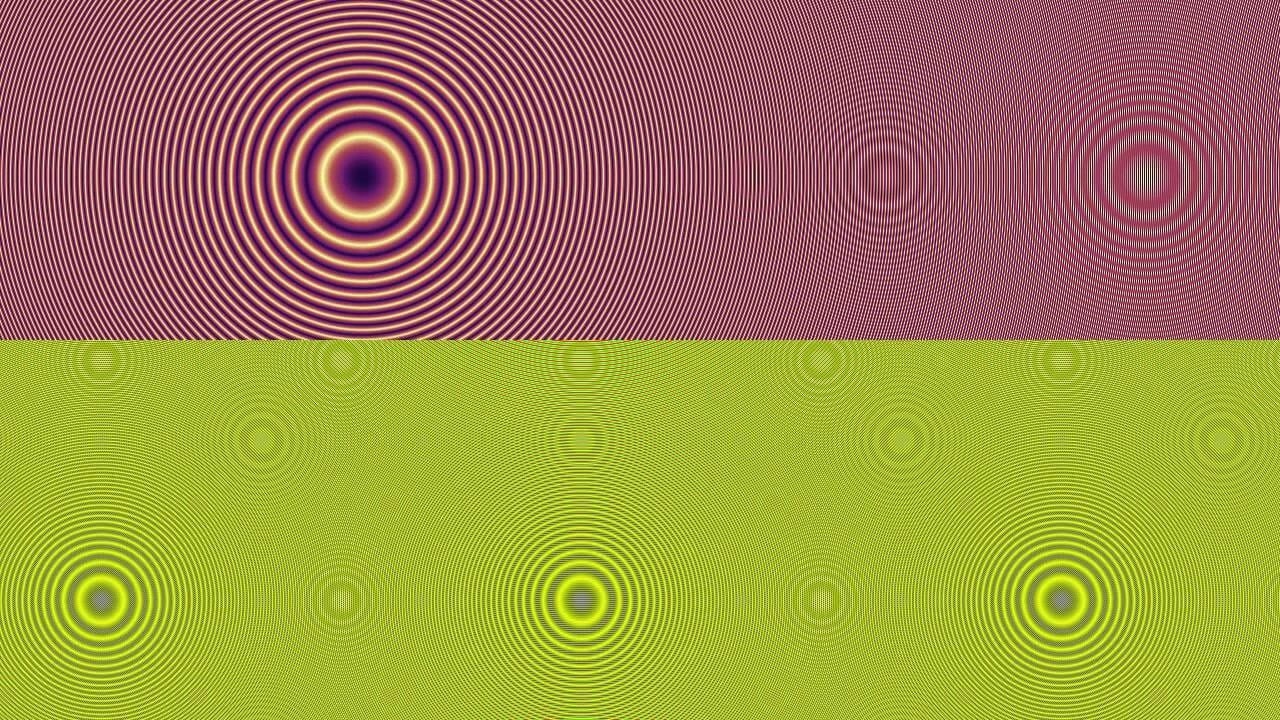 Moiré
Moiré
When the lines on the screen
Make more lines in between,
That's a moiré!
Written by Jamie Zawinski and Michael Bayne; 1997.
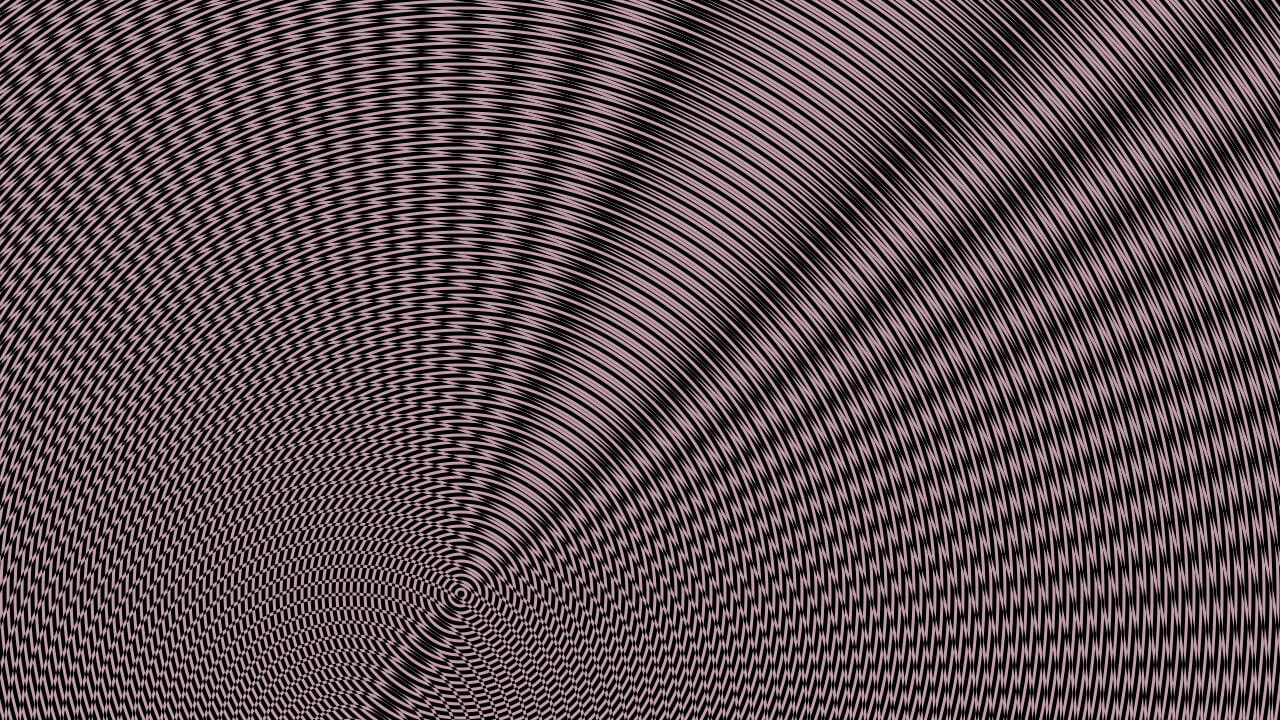 Moiré 2
Generates fields of concentric circles or ovals, and combines the planes with various operations. The planes are moving independently of one another, causing the interference lines to spray.
Written by Jamie Zawinski; 1998.
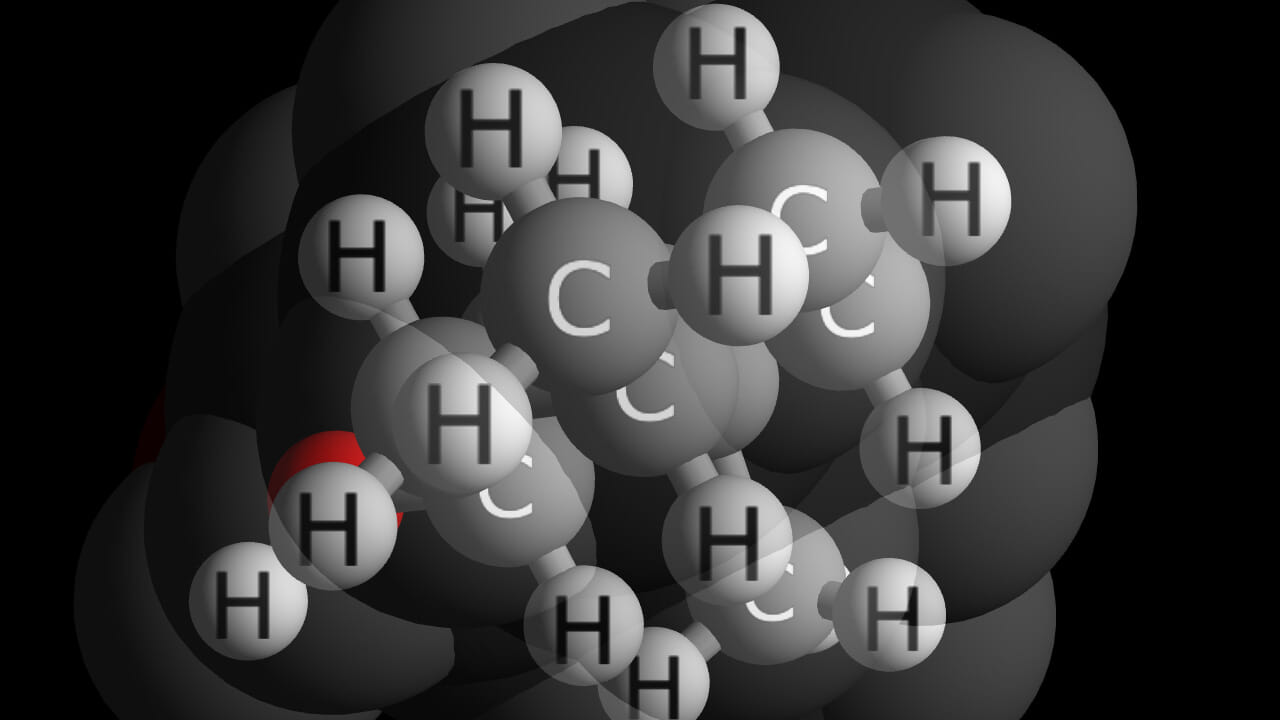 Molecule
Some interesting molecules. Several molecules are built in, and it can also read PDB (Protein Data Bank) files as input.
Wikipedia: "Protein Data Bank"
Written by Jamie Zawinski; 2001.
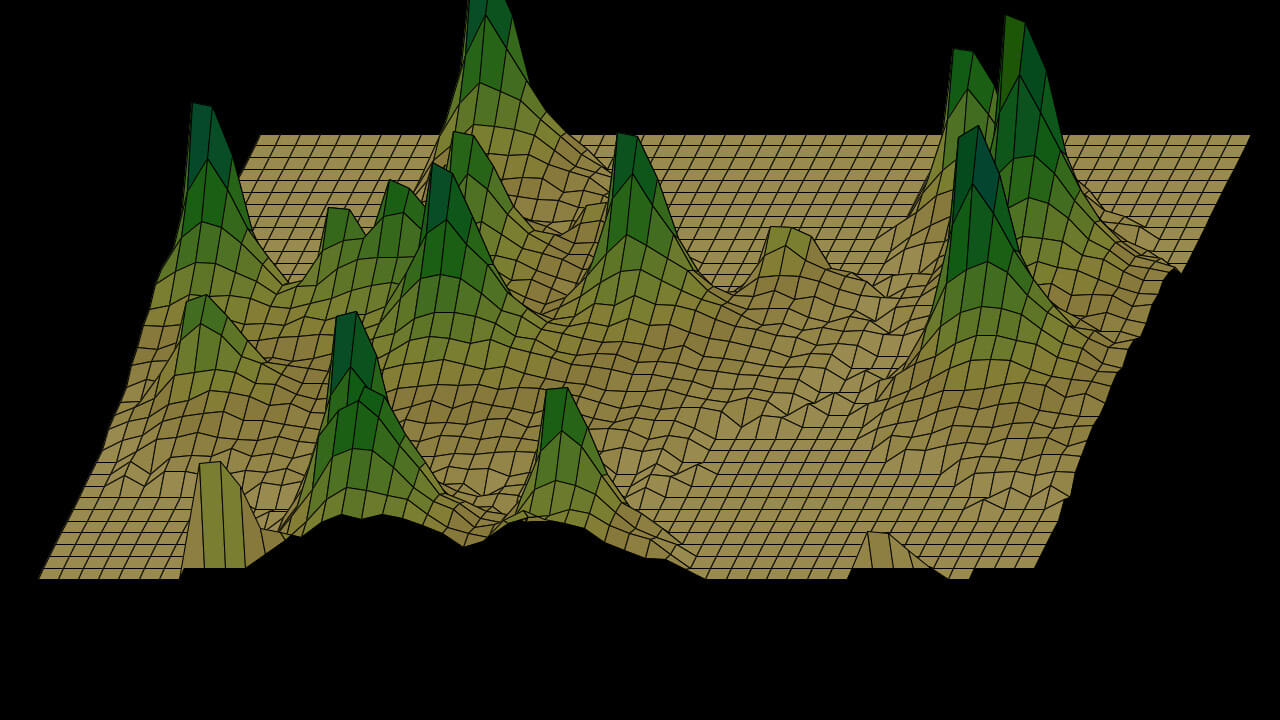 Mountain
3D plots that are vaguely mountainous.
Written by Pascal Pensa; 1997.
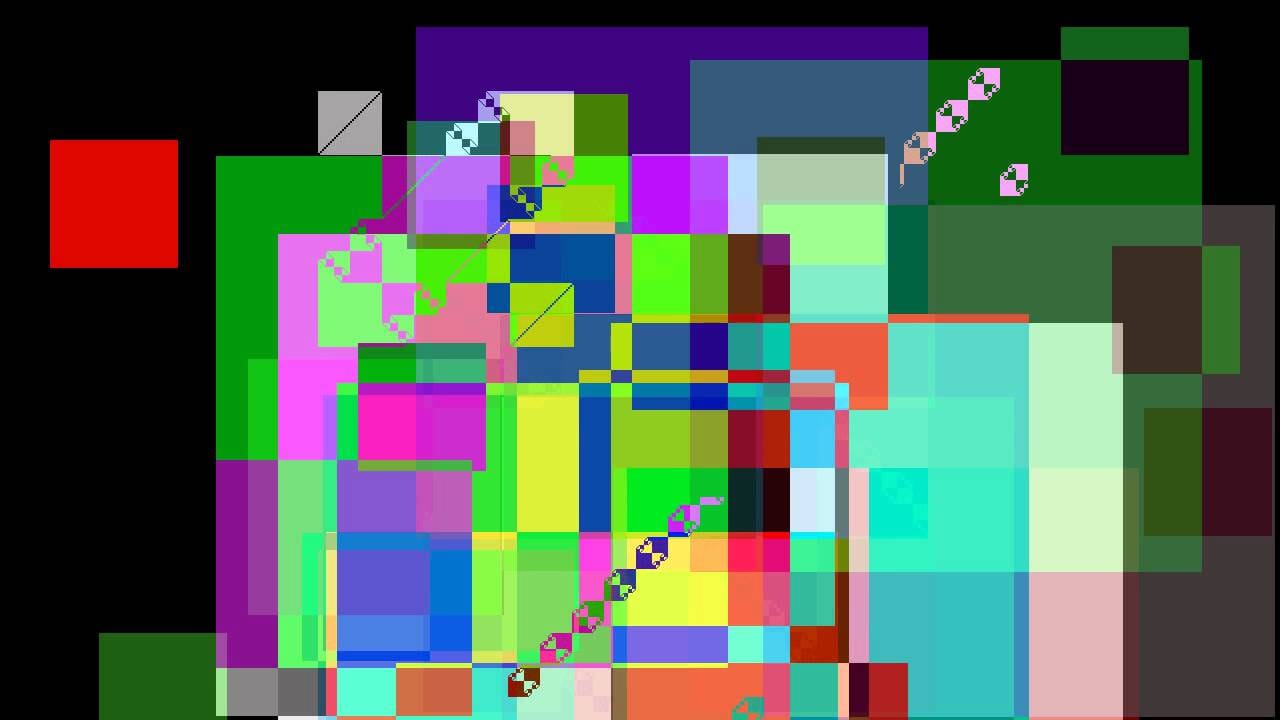 Munch
Munch
DATAI 2
ADDB 1,2
ROTC 2,-22
XOR 1,2
JRST .-4
As reported by HAKMEM (MIT AI Memo 239, 1972), Jackson Wright wrote the above PDP-1 code in 1962. That code still lives on here, 60+ years later.
In "mismunch" mode, it displays a creatively broken misimplementation of the classic munching squares algorithm instead.
Wikipedia: "HAKMEM"
Wikipedia: "Munching square"
Written by Jackson Wright, Tim Showalter, Jamie Zawinski and Steven Hazel; 1997.
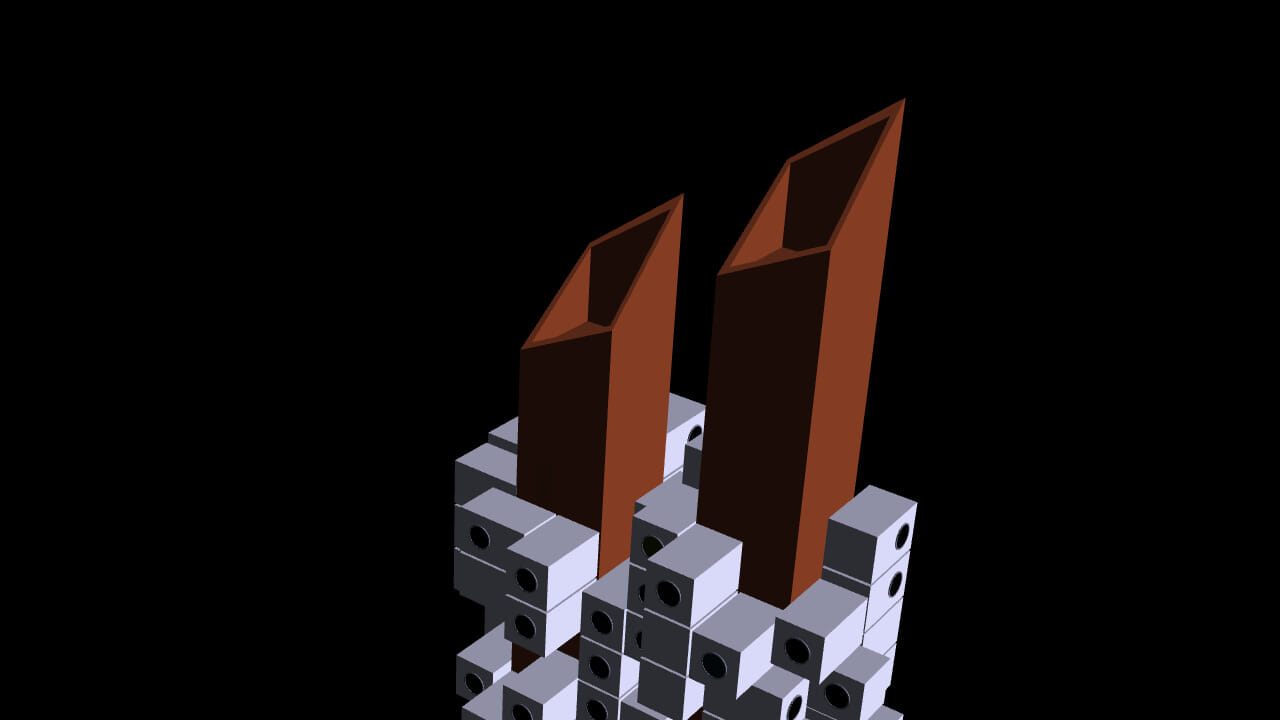 Nakagin
The Nakagin Capsule Tower was demolished in 2022, but this version will continue to grow forever.
Constructed in 1972, the building was composed of small prefabricated rooms attached to the two central towers. The capsules were intended to be mass produced and replaceable. Utilities and fittings were installed before the capsules were shipped to the site.
Wikipedia: "Nakagin Capsule Tower"
Written by Jamie Zawinski; 2022.
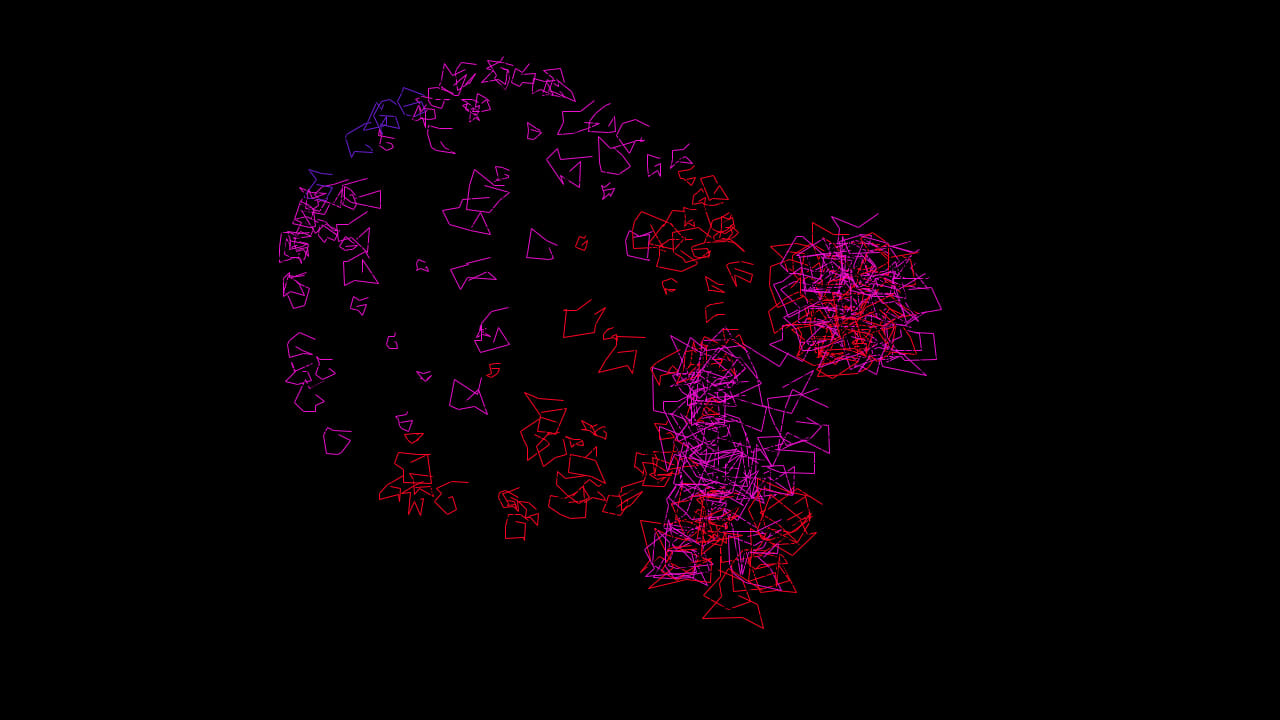 Nerve Rot
Nervously vibrating squiggles.
Written by Dan Bornstein; 2000.
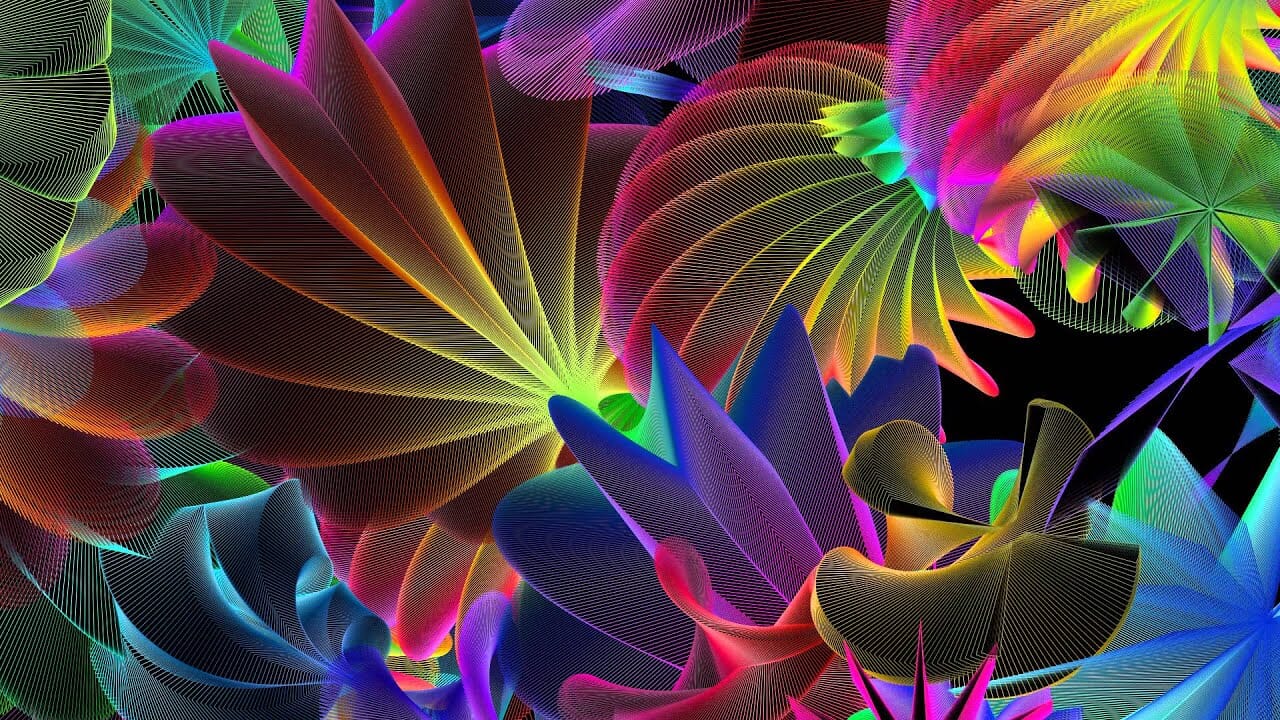 Noof
NoofFlowery, rotatey patterns.
Written by Bill Torzewski; 2004.
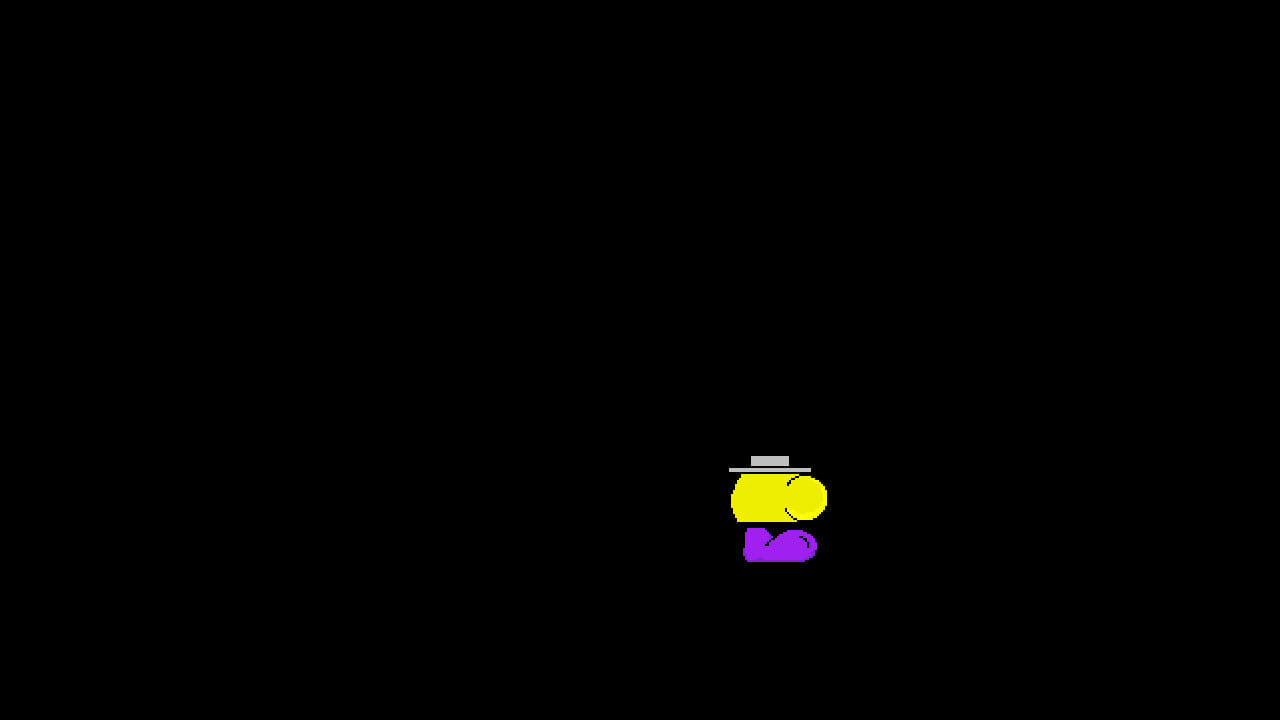 Nose Guy
A little man with a big nose wanders around your screen saying things.
Written by Dan Heller and Jamie Zawinski; 1992.
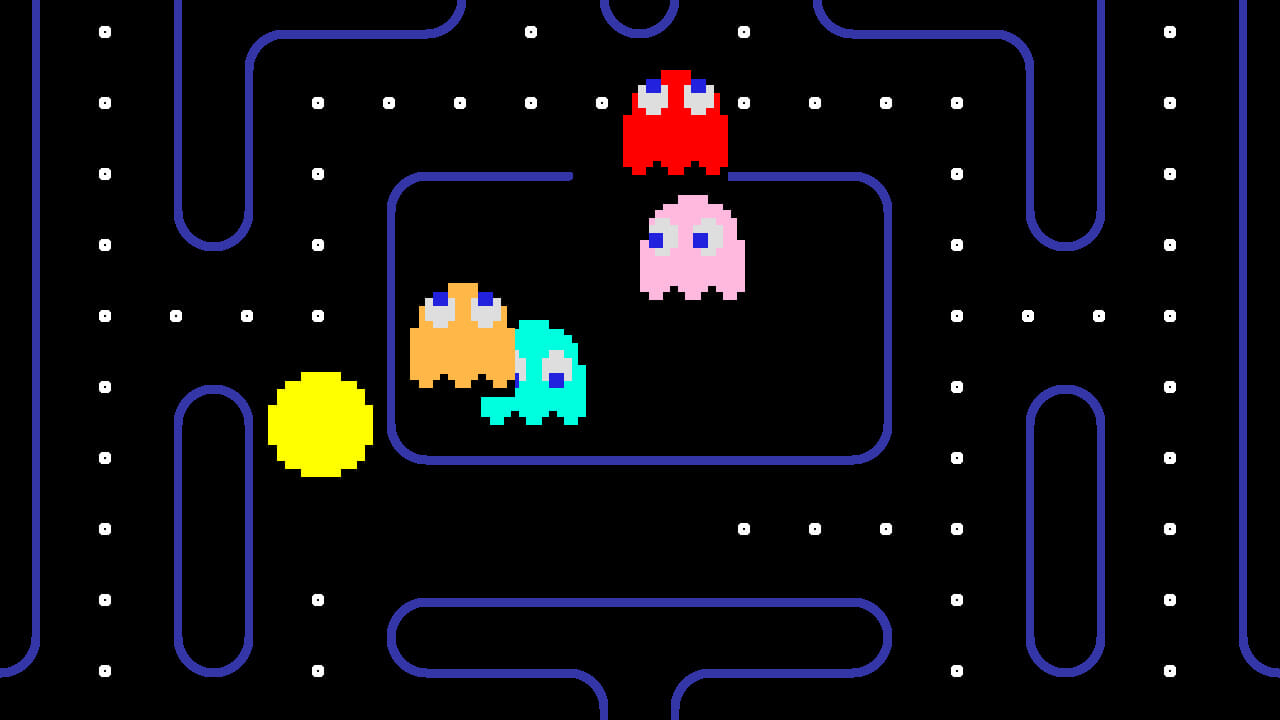 Pac-Man
Simulates a game of Pac-Man on a randomly-created level.
Written by Edwin de Jong and Jamie Zawinski; 2004.
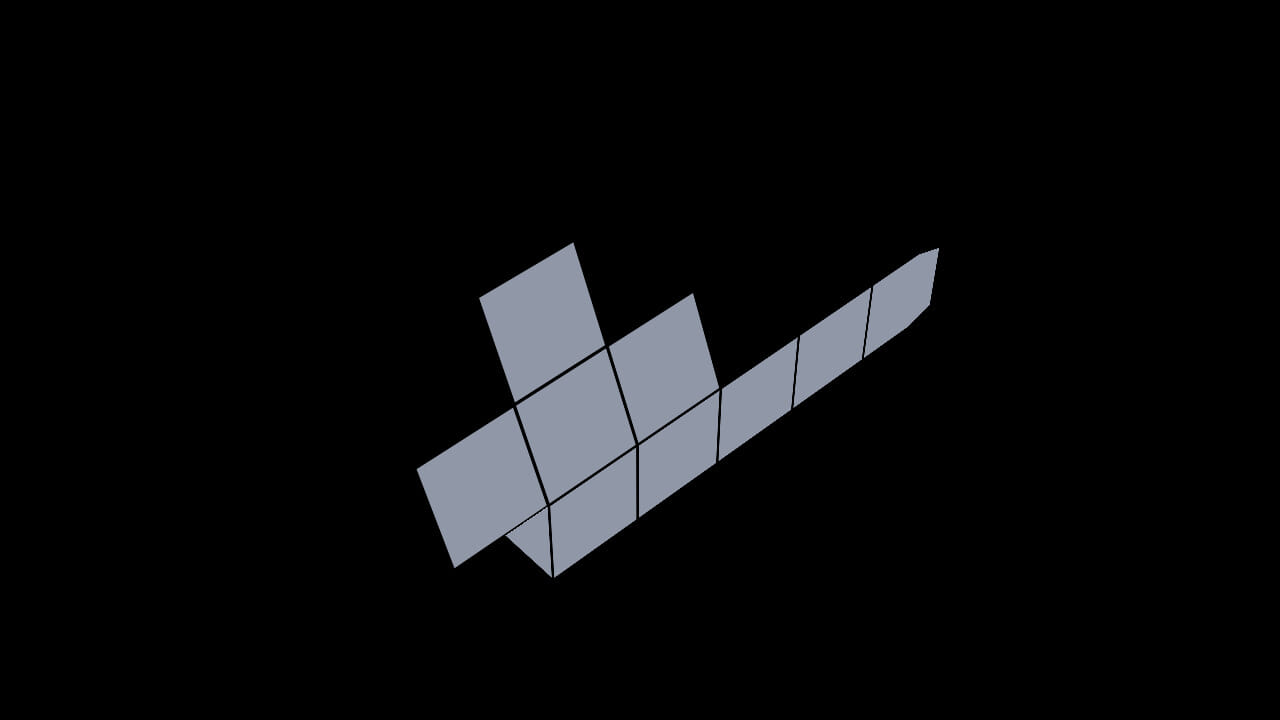 Paper Cube
How to make a glueless paper cube.
Written by Ireneusz Szpilewski and Jamie Zawinski; 2023.
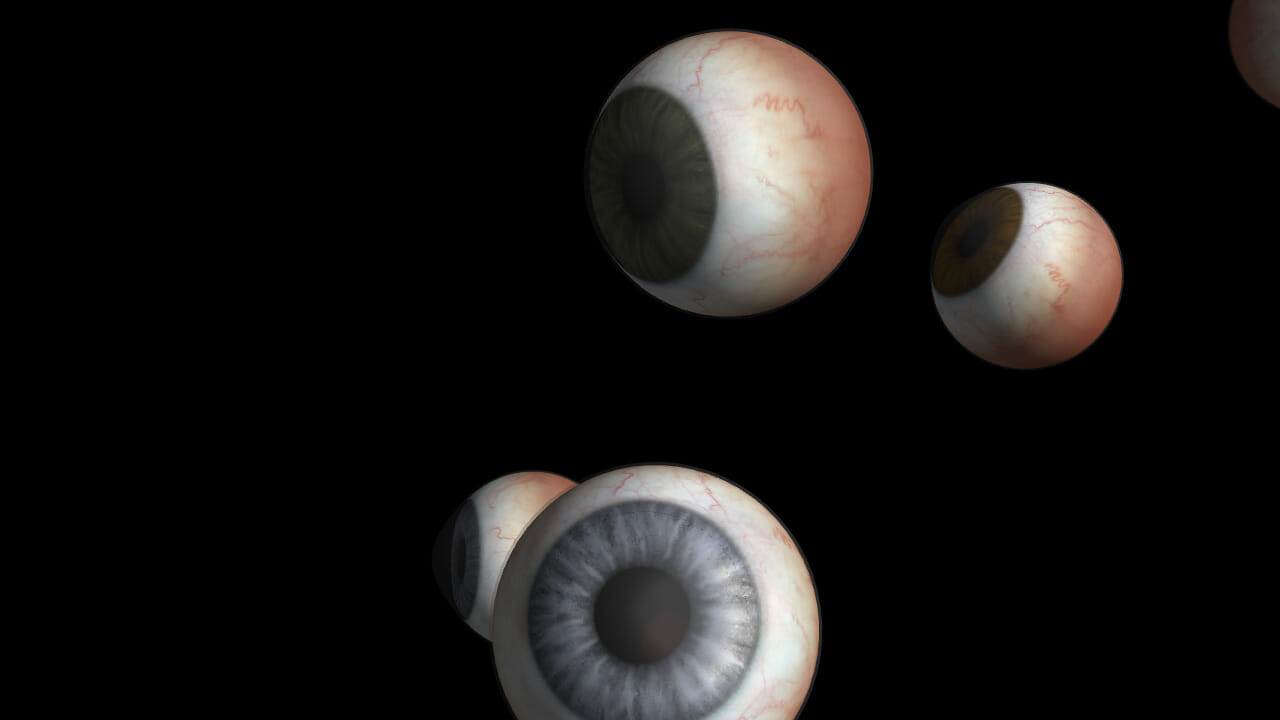 Peepers
Floating eyeballs. Anatomically correct, and they also track the pointer.
Written by Jamie Zawinski; 2018.
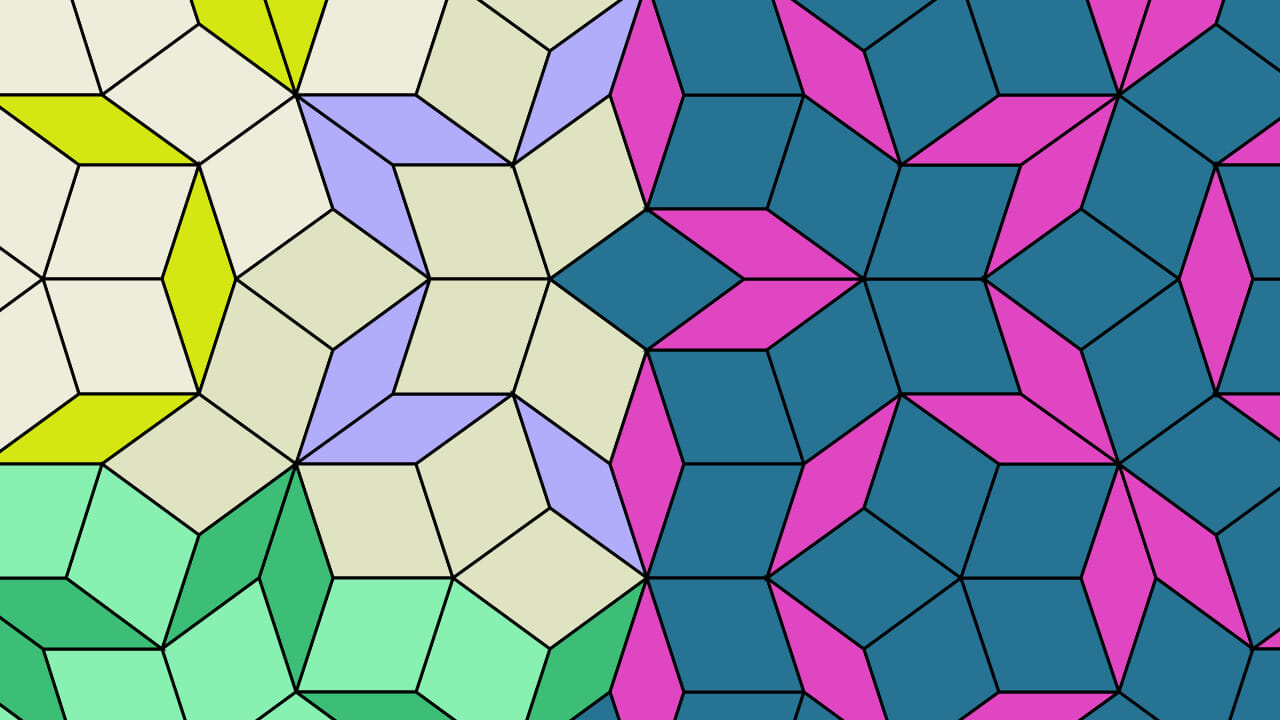 Penrose
Quasiperiodic tilings.
In April 1997, Sir Roger Penrose, a British math professor who has worked with Stephen Hawking on such topics as relativity, black holes, and whether time has a beginning, filed a copyright-infringement lawsuit against the Kimberly-Clark Corporation, which Penrose said copied a pattern he created (a pattern demonstrating that "a nonrepeating pattern could exist in nature") for its Kleenex quilted toilet paper. Penrose said he doesn't like litigation but, "When it comes to the population of Great Britain being invited by a multinational to wipe their bottoms on what appears to be the work of a Knight of the Realm, then a last stand must be taken."
As reported by News of the Weird #491, 4-Jul-1997.
Wikipedia: "Penrose tiling"
Wikipedia: "Tessellation"
Written by Timo Korvola; 1997.
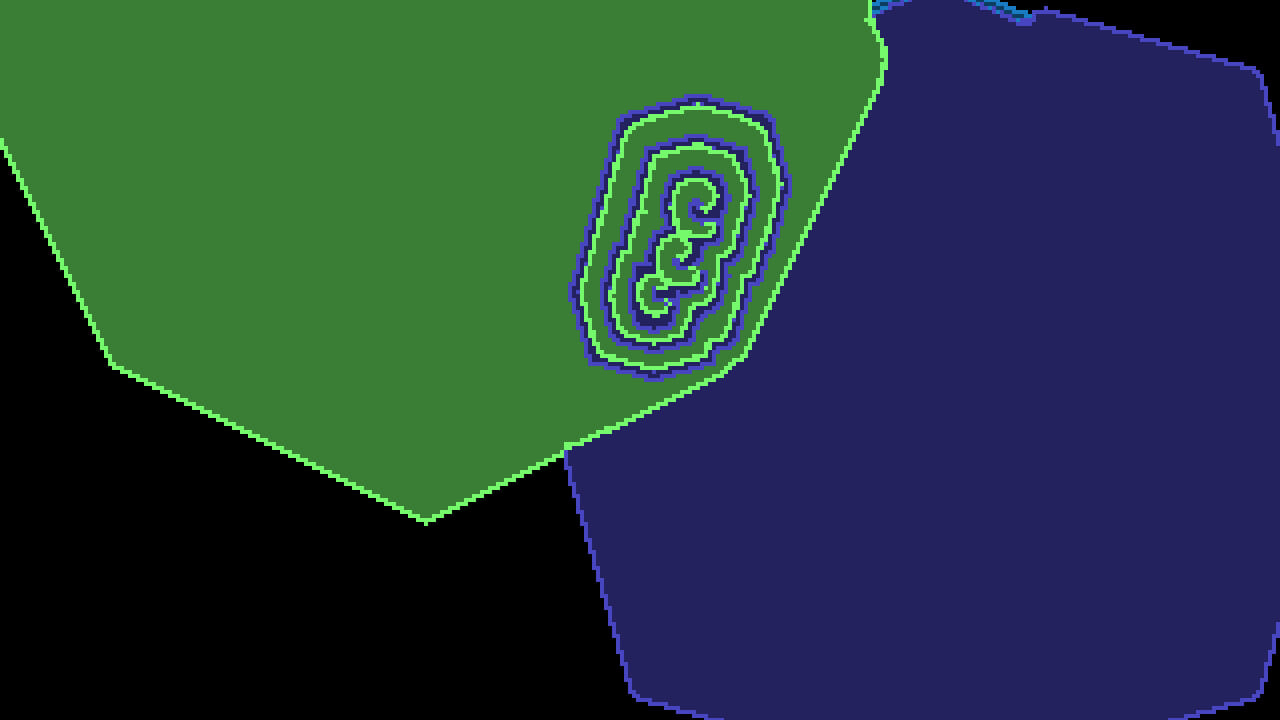 Petri
PetriColonies of mold grow in a petri dish. Growing colored circles overlap and leave spiral interference in their wake.
Written by Dan Bornstein; 1999.
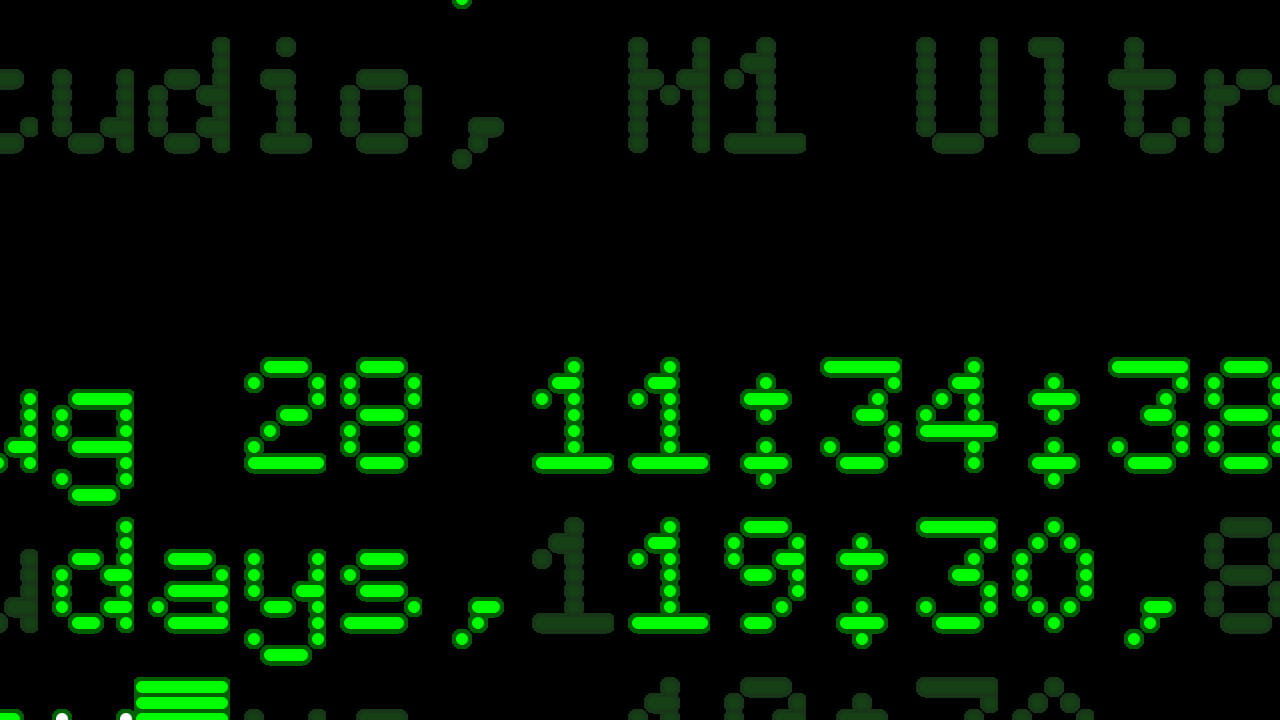 Phosphor
An old terminal with large pixels and long-sustain phosphor.
On MacOS and Linux, this program is also a fully-functional VT100 emulator! Run it as an application instead of as a screen saver and you can use it as a terminal.
Written by Jamie Zawinski; 1999.
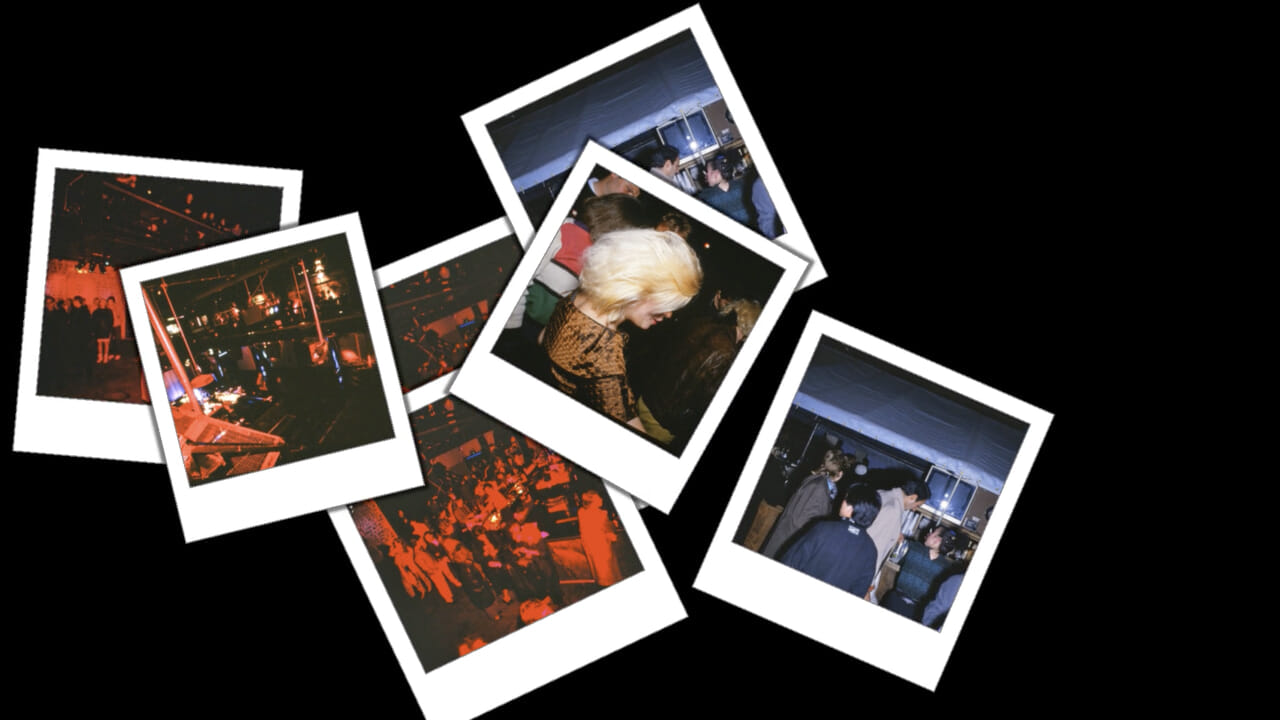 Photo Pile
Loads images as polaroids and drops them in a pile.
Written by Jens Kilian and Jamie Zawinski; 2008.
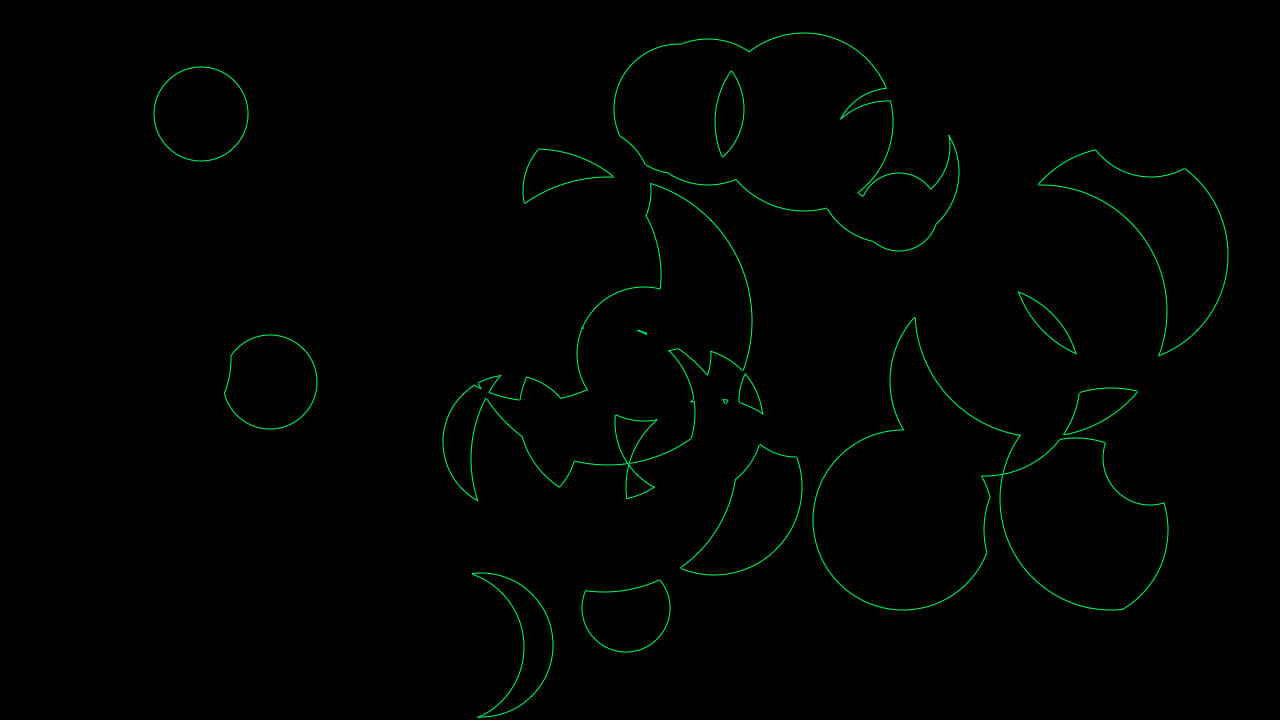 Piecewise
Moving circles switch from visibility to invisibility at intersection points.
Written by Geoffrey Irving; 2003.
 Pinion
A gear system marches across the screen.
See also the "Gears" and "Möbius Gears" screen savers.
Written by Jamie Zawinski; 2004.
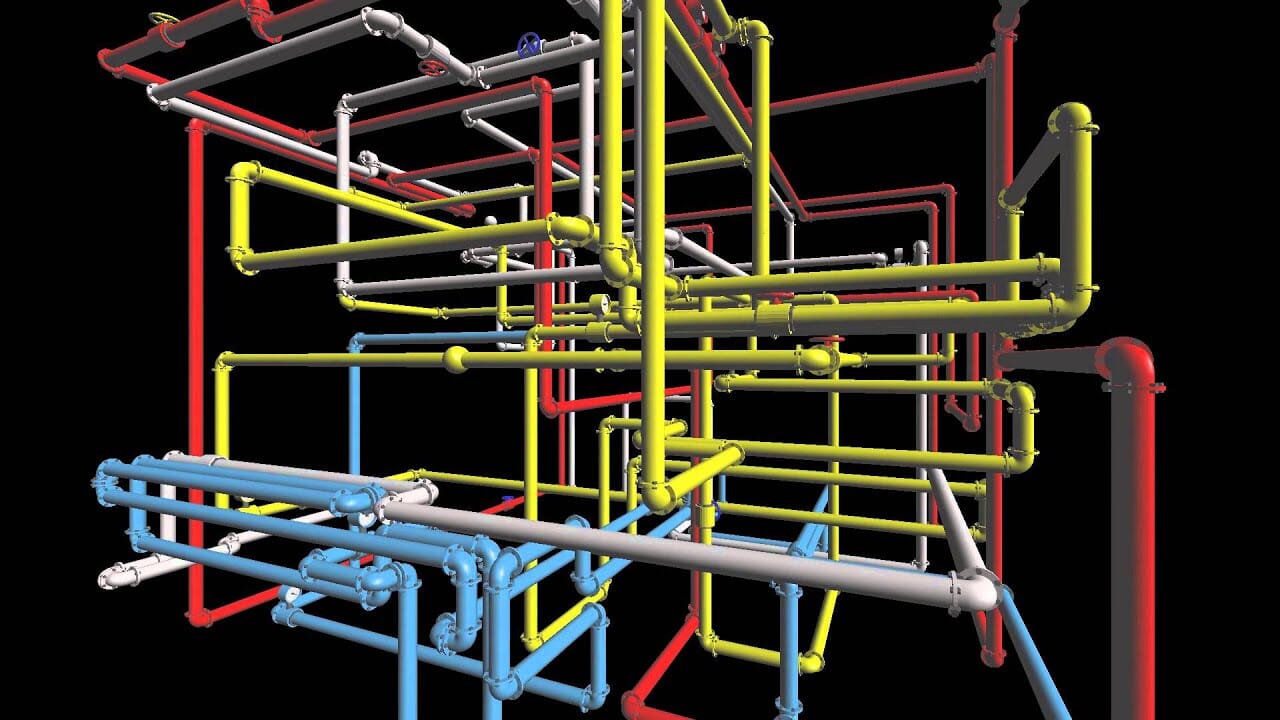 Pipes
PipesA growing plumbing system, with bolts and valves.
Written by Marcelo Vianna and Jamie Zawinski; 1997.
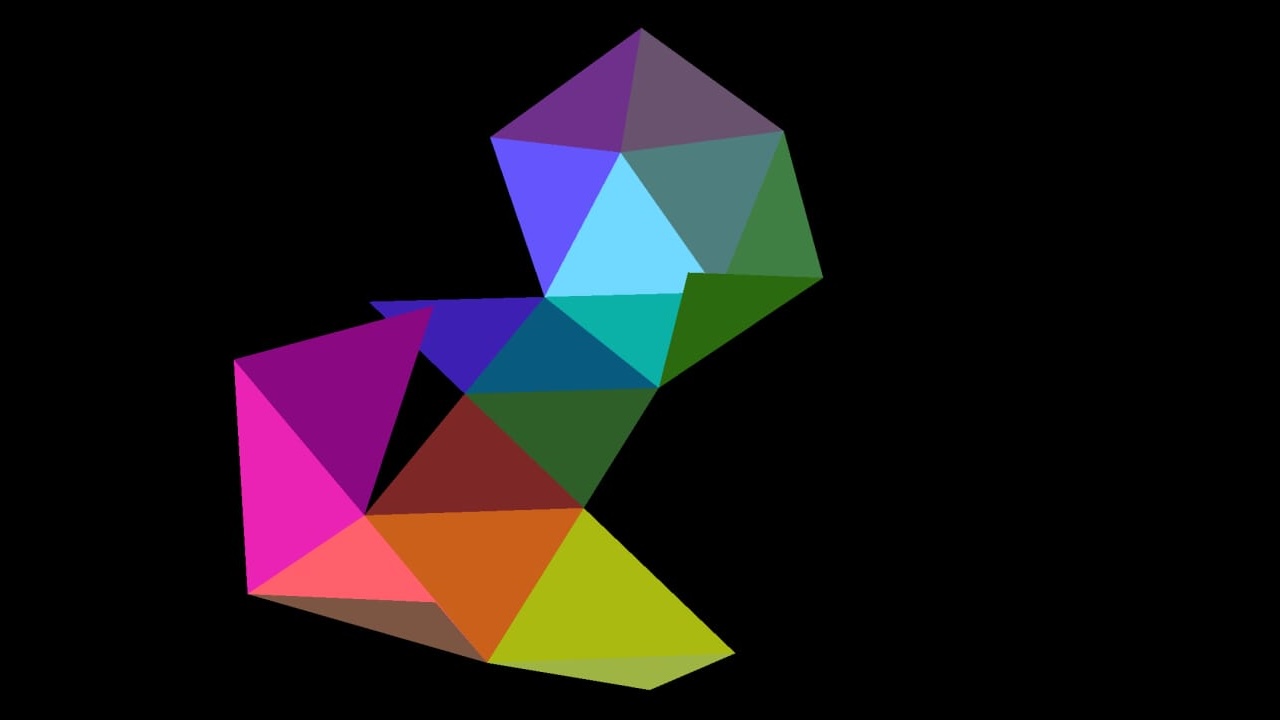 Platonic Folding
The unfolding and folding of the Platonic solids.
For the five Platonic solids (the tetrahedron, cube, octahedron, dodecahedron, and icosahedron), all unfoldings of its faces are non-overlapping: they form a net. The tetrahedron has 16 unfoldings, of which two are essentially different (non-isomorphic), the cube and octahedron each have 384 unfoldings, of which eleven are non-isomorphic, and the dodecahedron and icosahedron each have 5,184,000 unfoldings, of which 43,380 are non-isomorphic. This program displays randomly selected unfoldings for the five Platonic solids. The faces of the Platonic solids are either folded jointly or successively. Note that while it is guaranteed that the nets of the Platonic solids are non-overlapping, their faces may occasionally intersect during the unfolding and folding.
Wikipedia: "Platonic solid"
Wikipedia: "Net "
(polyhedron)
Written by Carsten Steger; 2025.
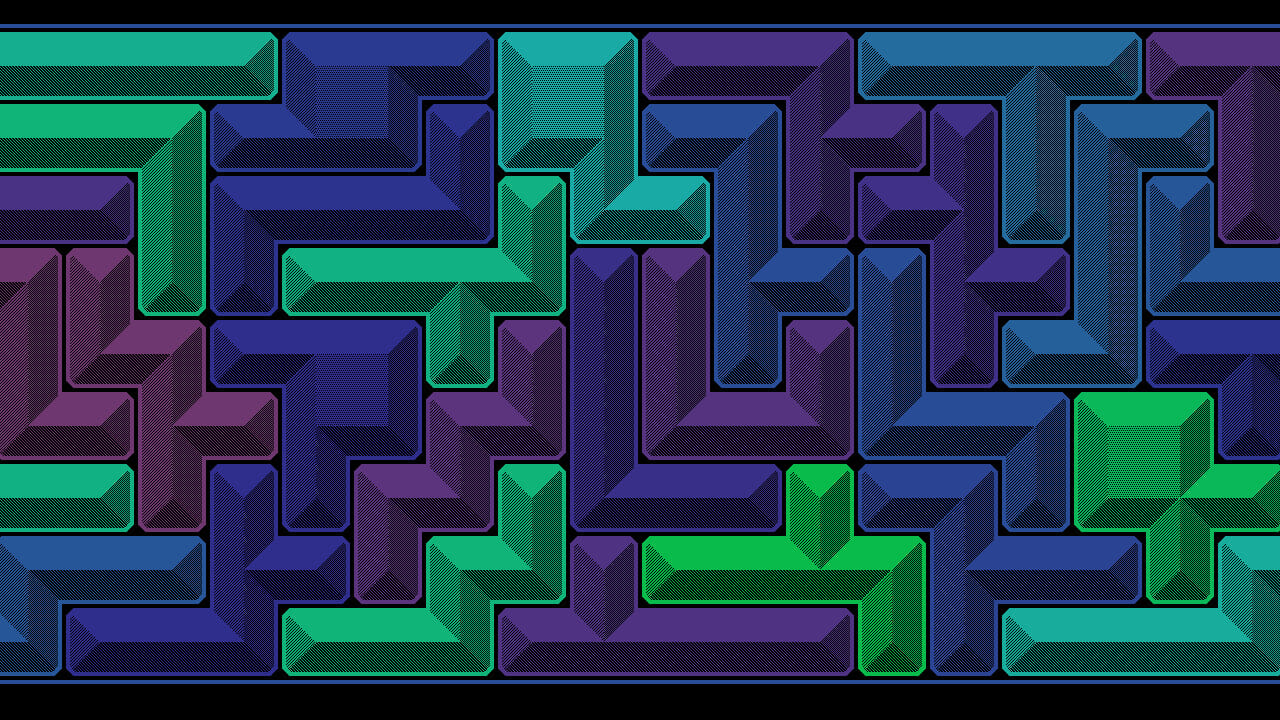 Polyominoes
Repeatedly attempts to completely fill a rectangle with irregularly-shaped puzzle pieces.
Written by Stephen Montgomery-Smith; 2002.
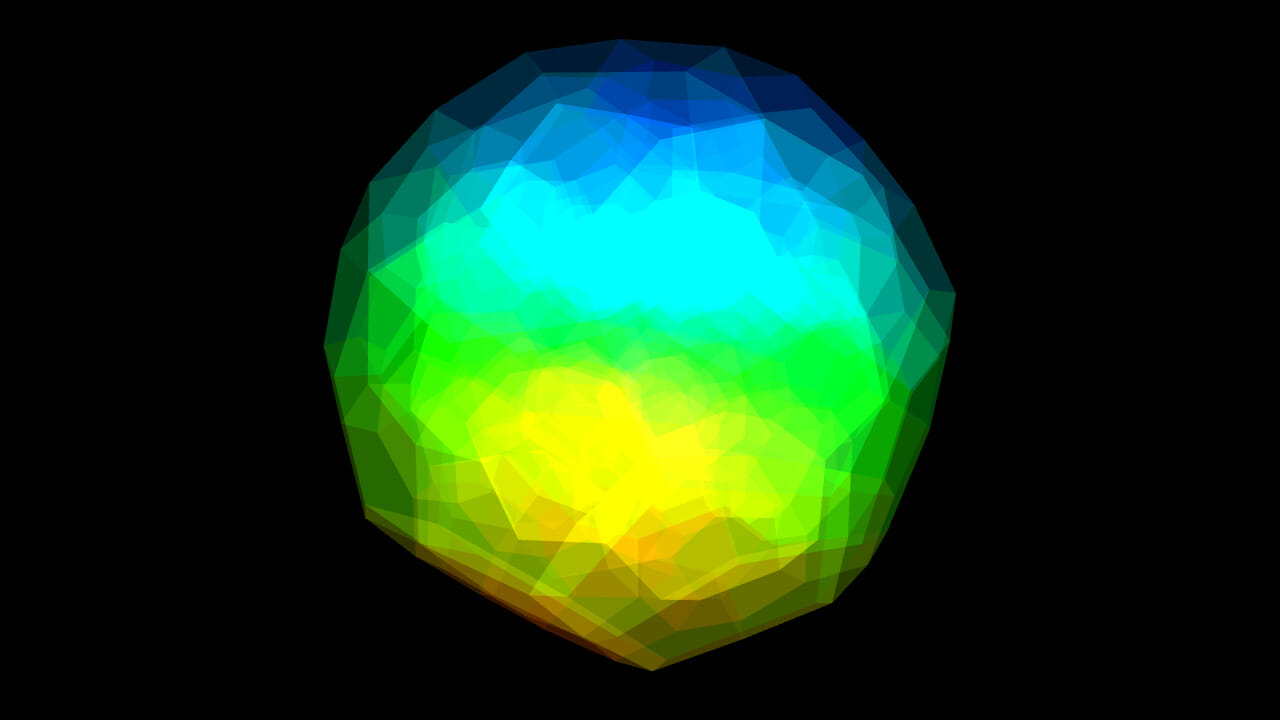 Polytopes
The six regular 4D polytopes rotating in 4D.
Inspired by H.S.M Coxeter's book "Regular Polytopes", 3rd Edition, Dover Publications, Inc., 1973, and Thomas Banchoff's book "Beyond the Third Dimension: Geometry, Computer Graphics, and Higher Dimensions", Scientific American Library, 1990.
Wikipedia: "Hypercube"
Wikipedia: "Tesseract"
Wikipedia: "Regular polytope"
Written by Carsten Steger; 2003.
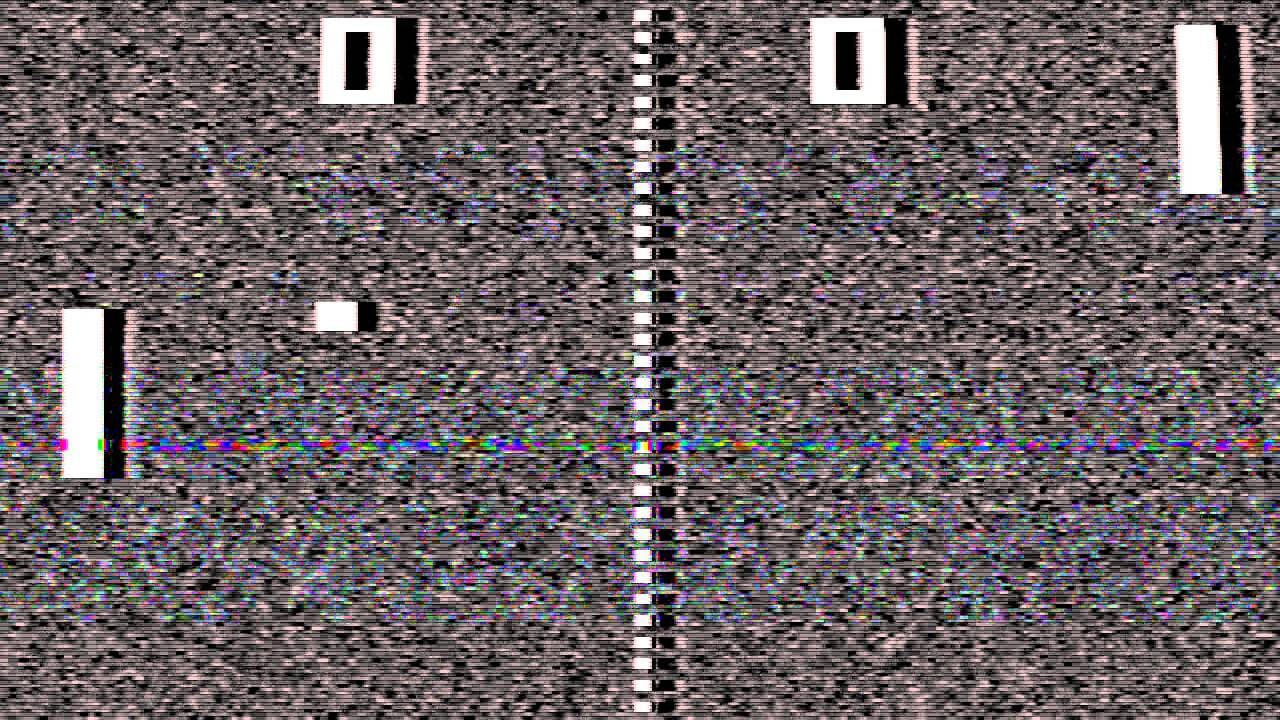 Pong
PongThe 1971 Pong home video game, including artifacts of an old color TV set.
In clock mode, the score keeps track of the current time.
Written by Jeremy English, Trevor Blackwell and Jamie Zawinski; 2003.
 Pop Squares
A pop-art-ish looking grid of pulsing colors.
Written by Levi Burton; 2003.
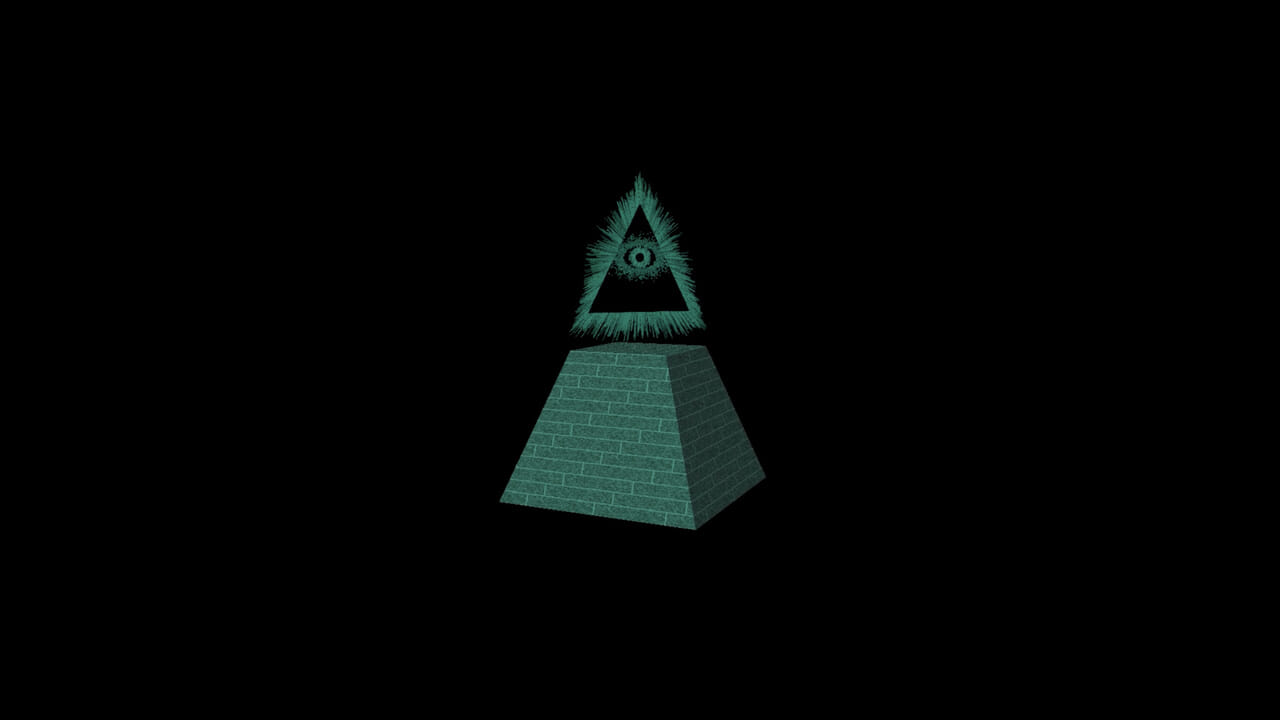 Providence
"A pyramid unfinished. In the zenith an eye in a triangle, surrounded by a glory, proper."
Wikipedia: "Eye of Providence"
Written by Blair Tennessy; 2004.
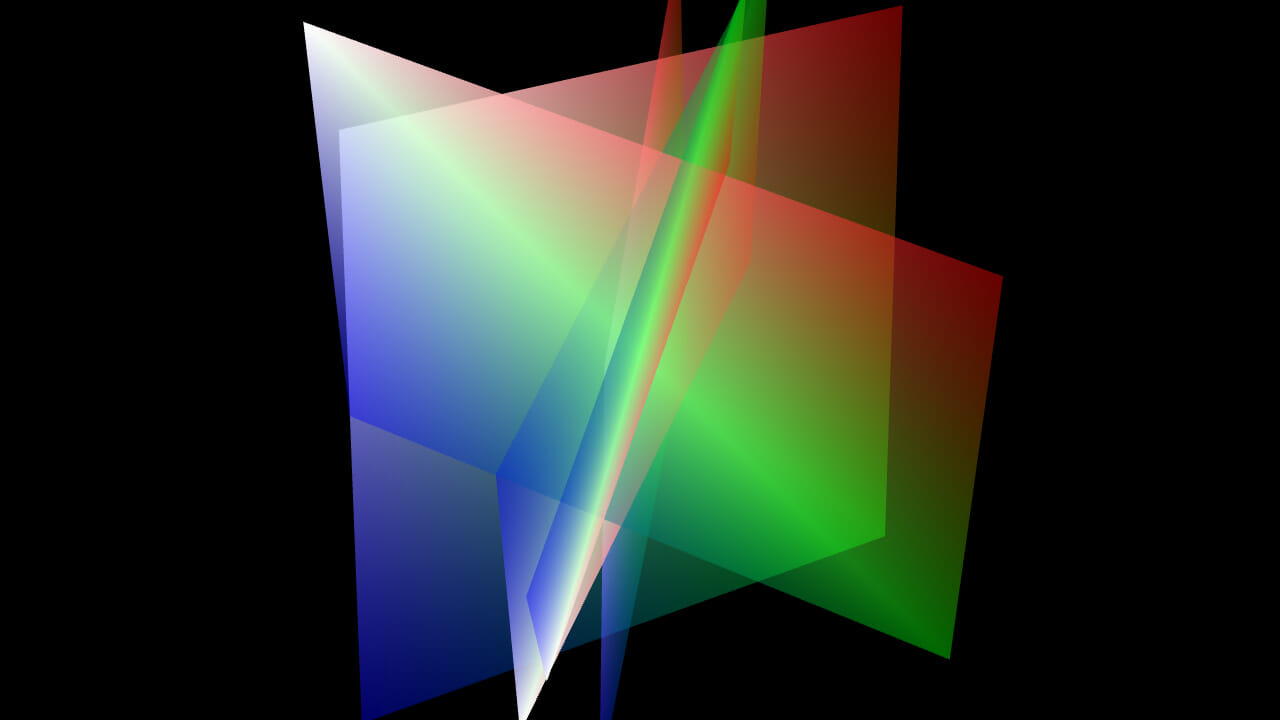 Pulsar
Intersecting planes, with alpha blending, fog, textures, and mipmaps.
Written by David Konerding; 1999.
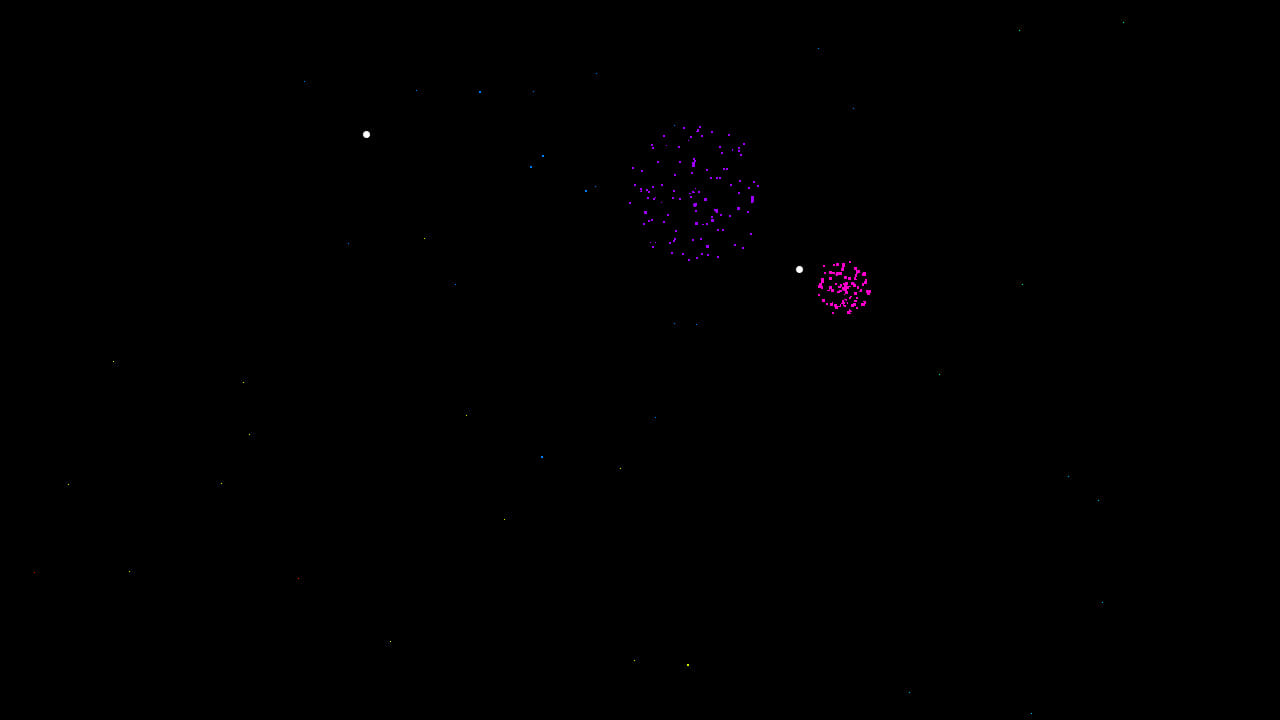 Pyro
PyroExploding fireworks.
See also the "Fireworkx", "Eruption", and "XFlame" screen savers.
Written by Jamie Zawinski; 1992.
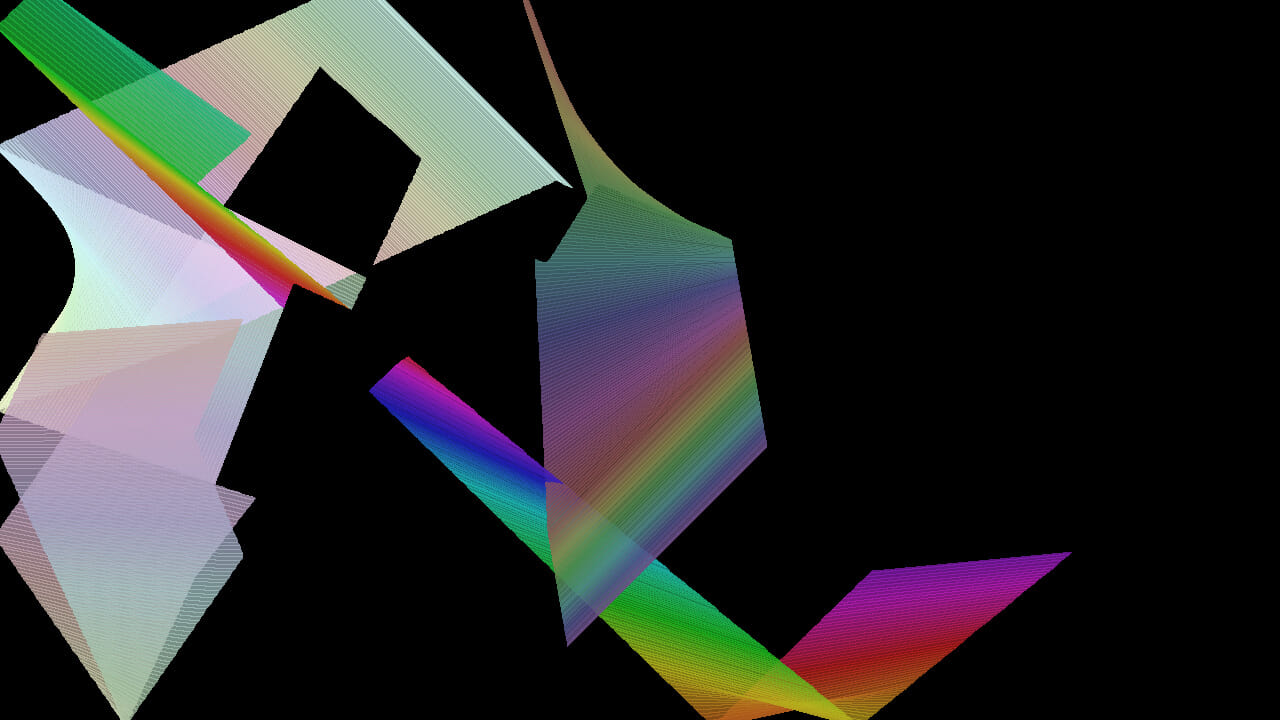 Qix
QixBounces a series of line segments around the screen with various presentations.
Written by Jamie Zawinski; 1992.
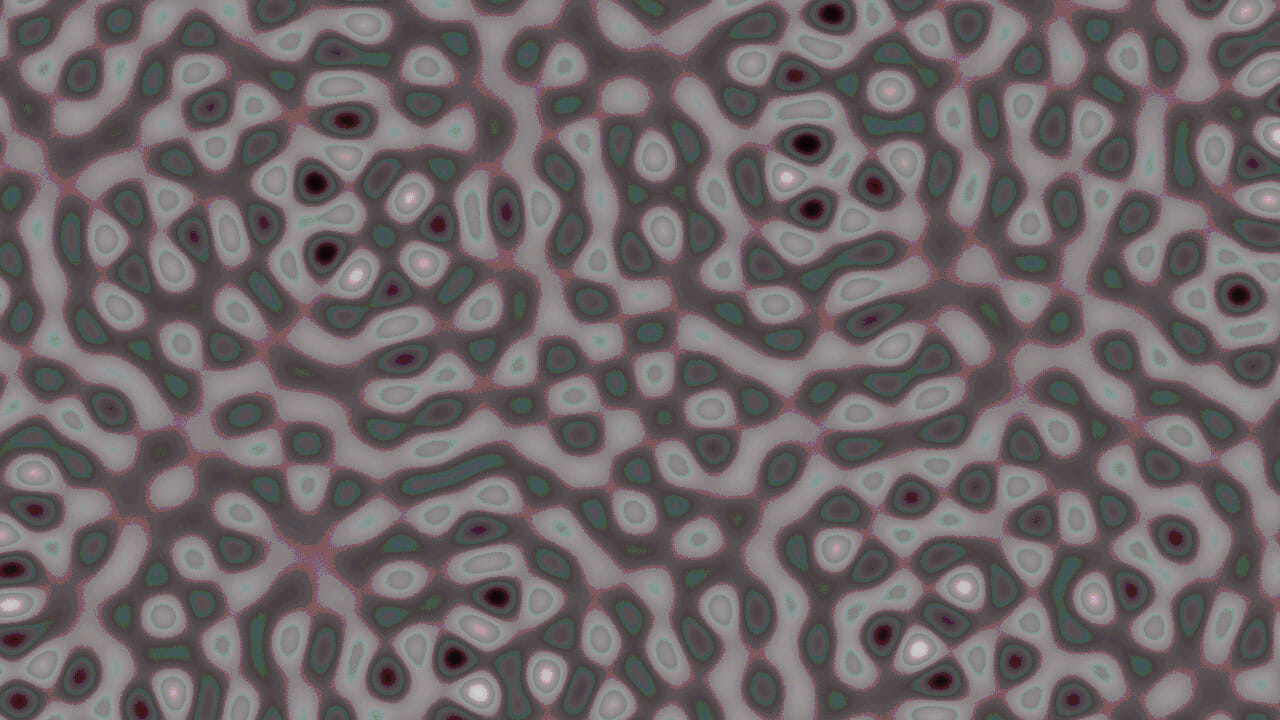 Quasi-Crystal
A quasicrystal is a structure that is ordered but aperiodic.
Two-dimensional quasicrystals can be generated by adding a set of planes where x is the sine of y. Different complex aperiodic plane tilings are produced depending on the period, position, and rotation of the component planes, and whether the rotation of the planes is evenly distributed around the circle (the "symmetry" option, above) or random.
See also the "RD-Bomb", "CWaves" and "Penrose" screen savers.
Written by Jamie Zawinski; 2013.
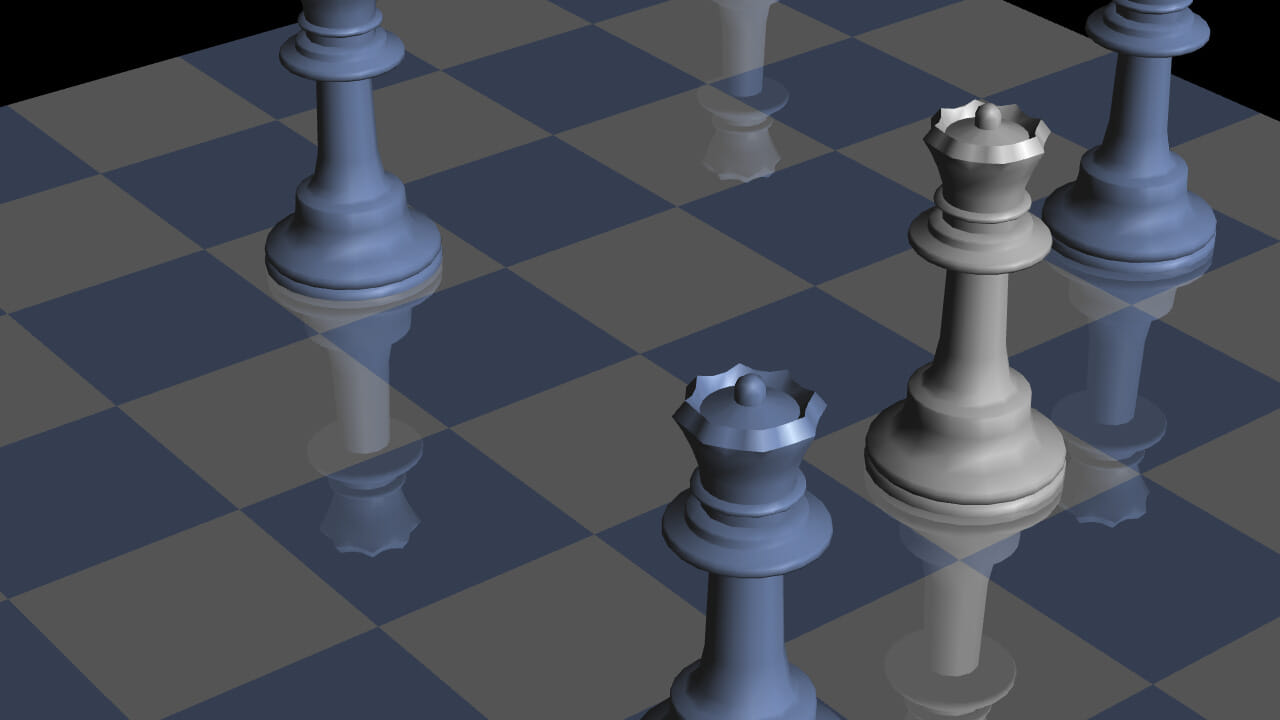 Queens
The N-Queens problem: how to place N queens on an NxN chessboard such that no queen can attack a sister?
See also the "Endgame" screen saver.
Wikipedia: "Eight queens puzzle"
Written by Blair Tennessy and Jamie Zawinski; 2002.
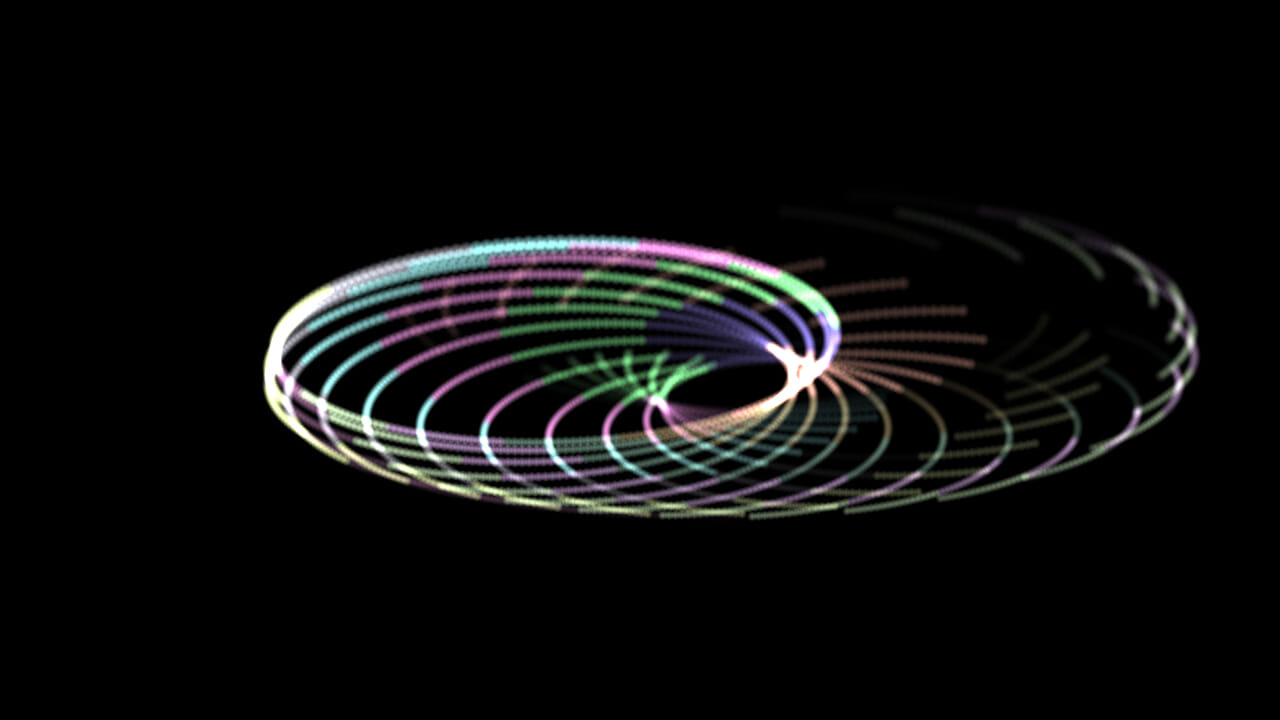 Raver Hoop
Simulates an LED hula hoop in a dark room. Oontz oontz oontz.
Written by Jamie Zawinski; 2016.
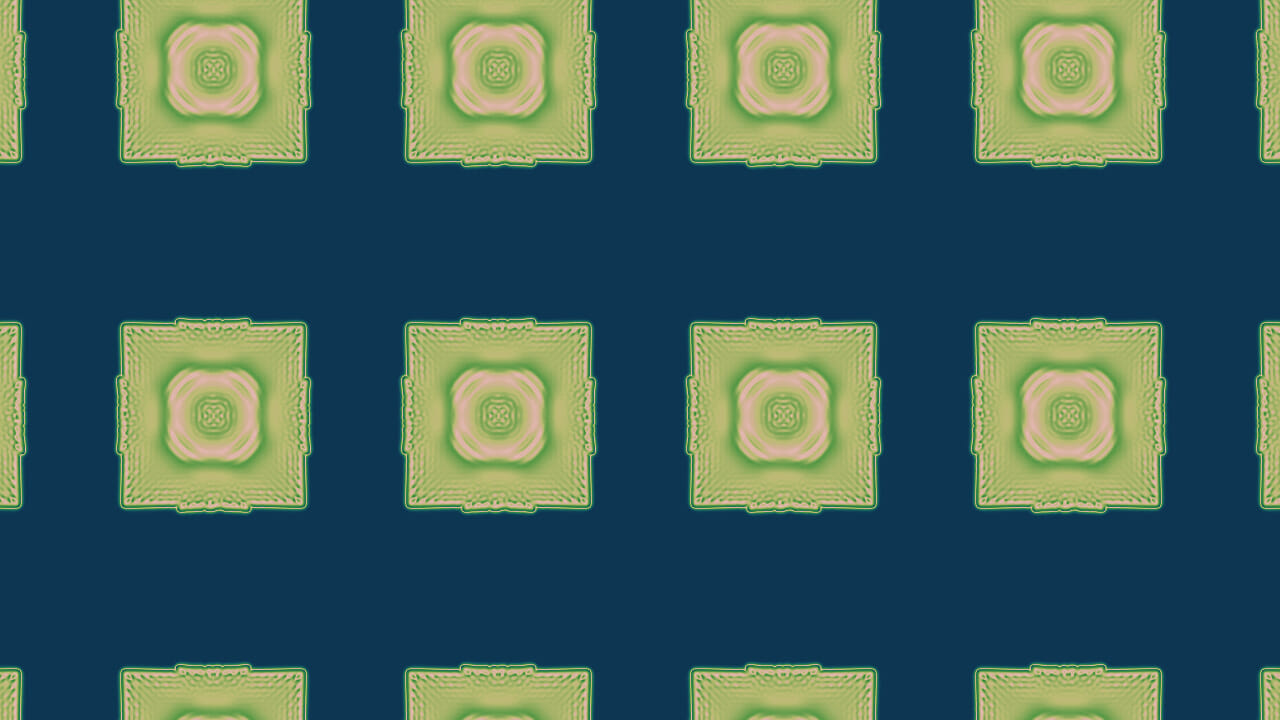 RD-Bomb
Reaction-diffusion: draws a grid of growing square-like shapes that, once they overtake each other, react in unpredictable ways.
Written by Scott Draves; 1997.
 Ripples
Rippling interference patterns reminiscent of splashing water distort a loaded image.
Written by Tom Hammersley; 1999.
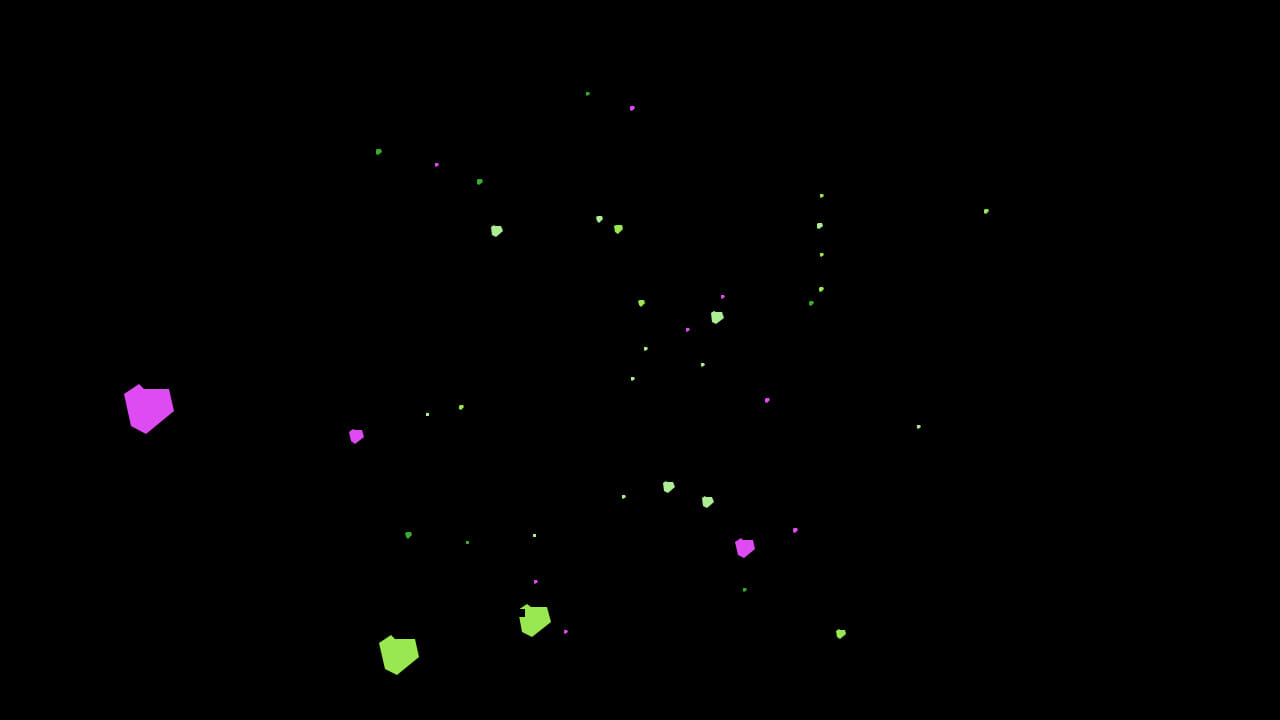 Rocks
RocksAn asteroid field zooms by.
Written by Jamie Zawinski; 1992.
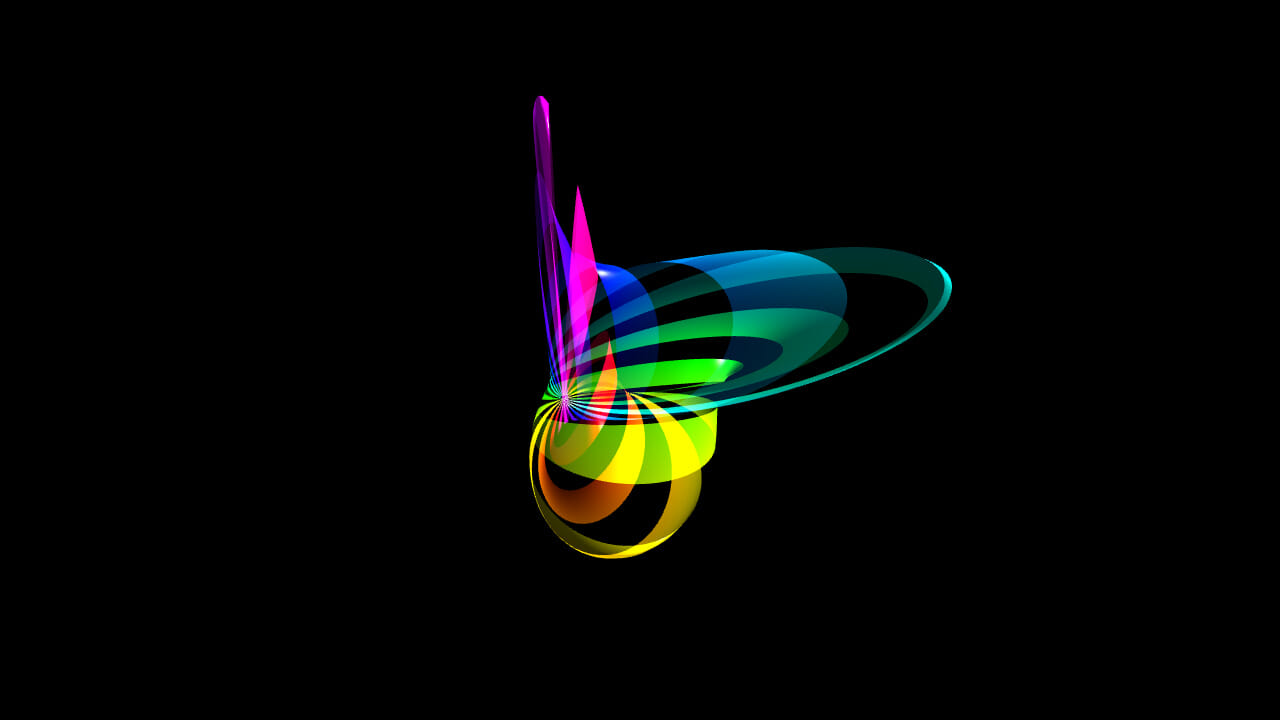 Roman Boy
A 3D immersion of the real projective plane that smoothly deforms between the Roman surface and the Boy surface.
You can walk on the surface of the real projective plane or rotate it in 3D. Furthermore, it is possible to smoothly deform the real projective plane between the Roman surface and the Boy surface while turning it or walking on it. Inspired by François Apéry's book "Models of the Real Projective Plane", Vieweg, 1987.
Wikipedia: "Boy's surface"
Wikipedia: "Roman surface"
Written by Carsten Steger; 2014.
 Rot Zoomer
Distorts an image by rotating and scaling random sections of it.
Written by Claudio Matsuoka and Jamie Zawinski; 2001.
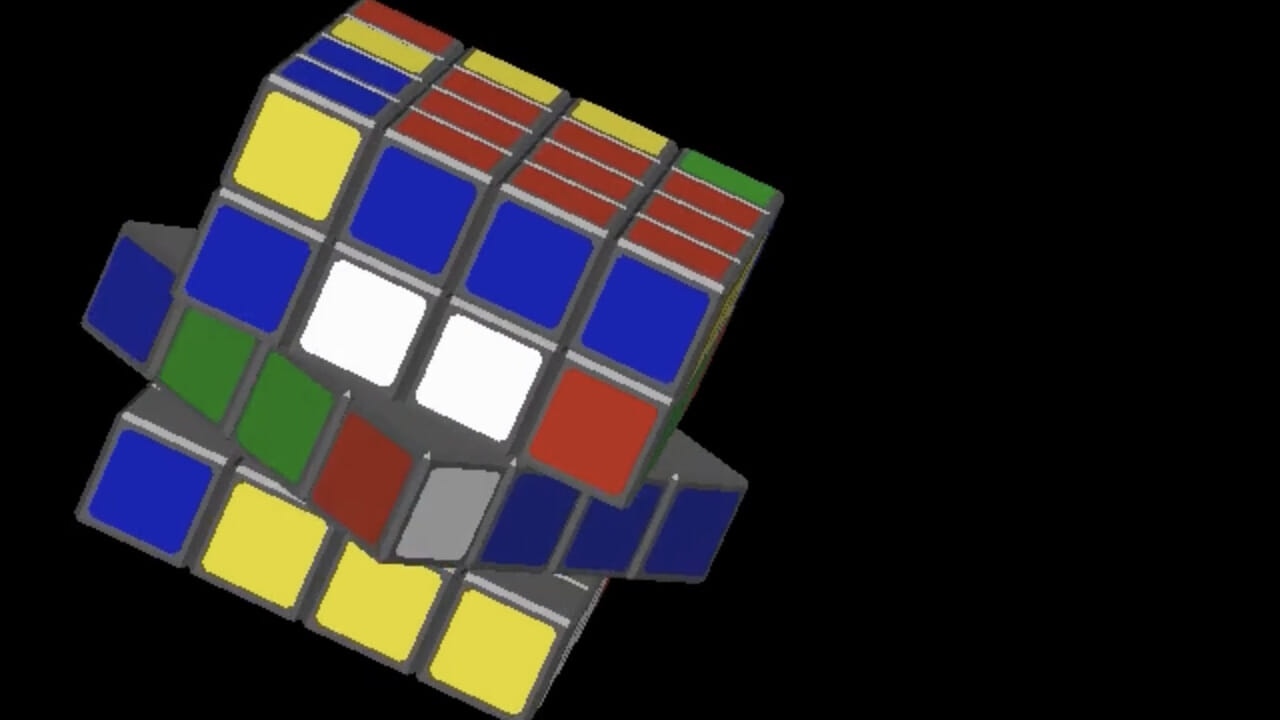 Rubik
RubikA Rubik's Cube that repeatedly shuffles and solves itself.
See also the "GLSnake" and "Cube21" screen savers.
Written by Marcelo Vianna; 1997.
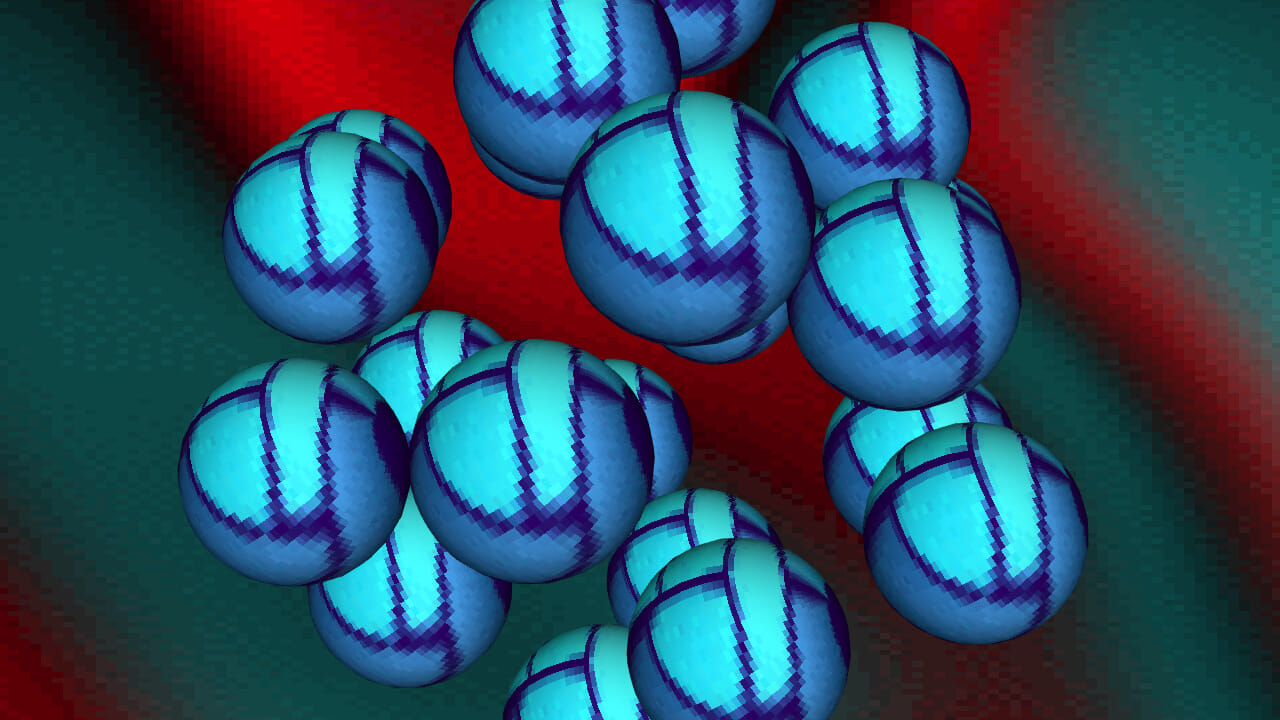 SBalls
Textured balls spinning like crazy.
Written by Eric Lassauge; 2002.
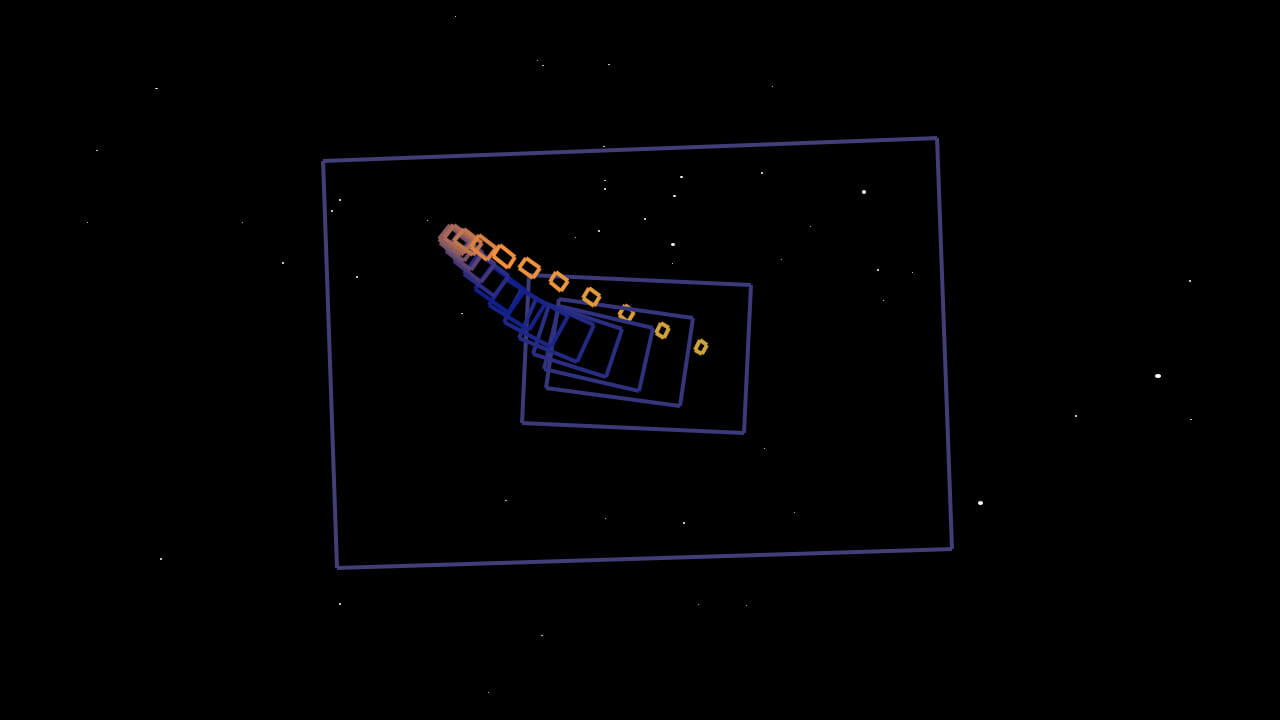 Scooter
Zooming down a tunnel in a star field. Originally an Amiga hack.
Written by Sven Thoennissen; 2001. Ported by EoflaOE; 2019.
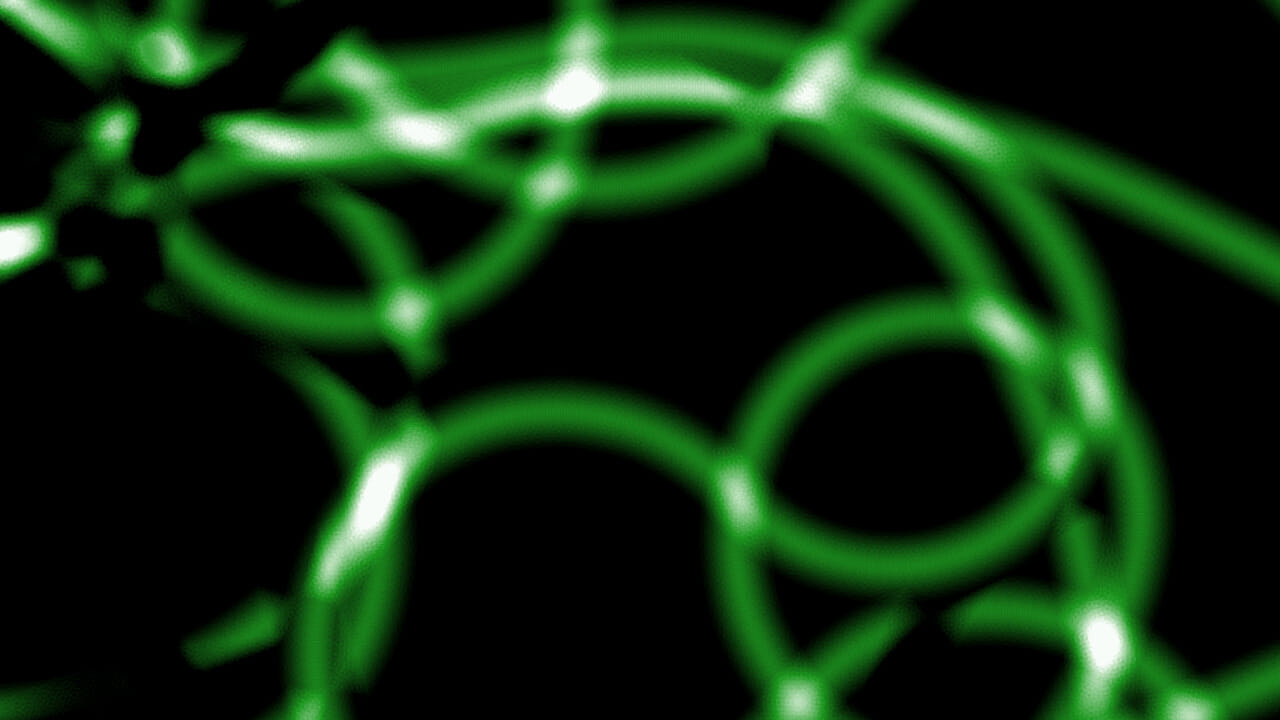 Shade Bobs
Oscillating oval patterns that look something like vapor trails or neon tubes.
Written by Shane Smit; 1999.
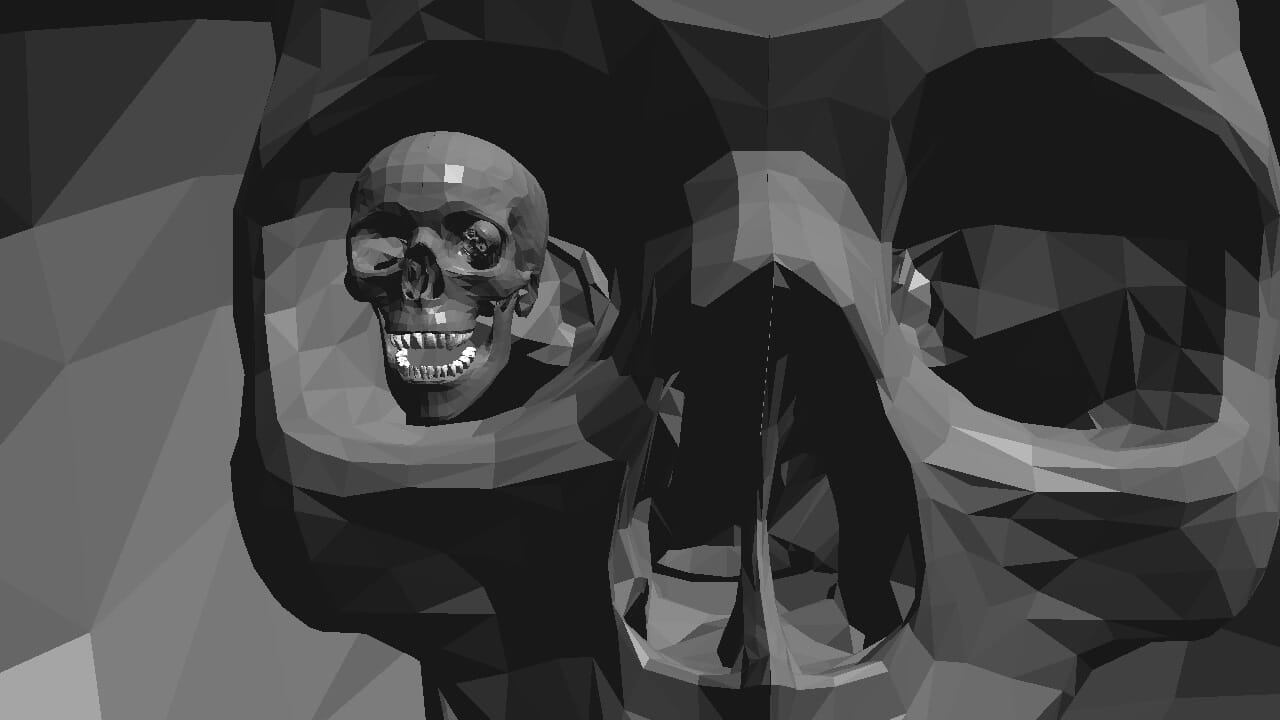 Skulloop
Recursive descent into a Platonic unit skull.
Written by Jamie Zawinski; 2023.
 Sky Tentacles
There is a tentacled abomination in the sky. From above you it devours.
Written by Jamie Zawinski; 2008.
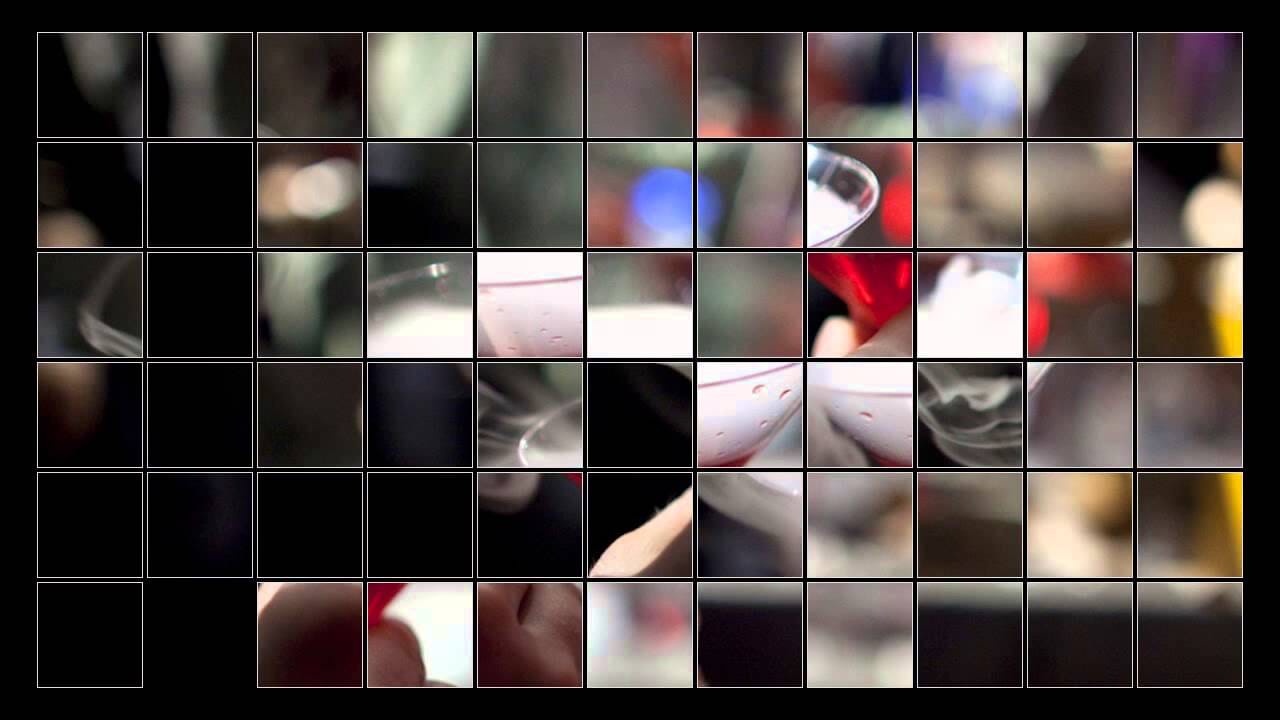 Slide Screen
A "fifteen puzzle" variant, dividing the image into a grid and shuffling.
Written by Jamie Zawinski; 1994.
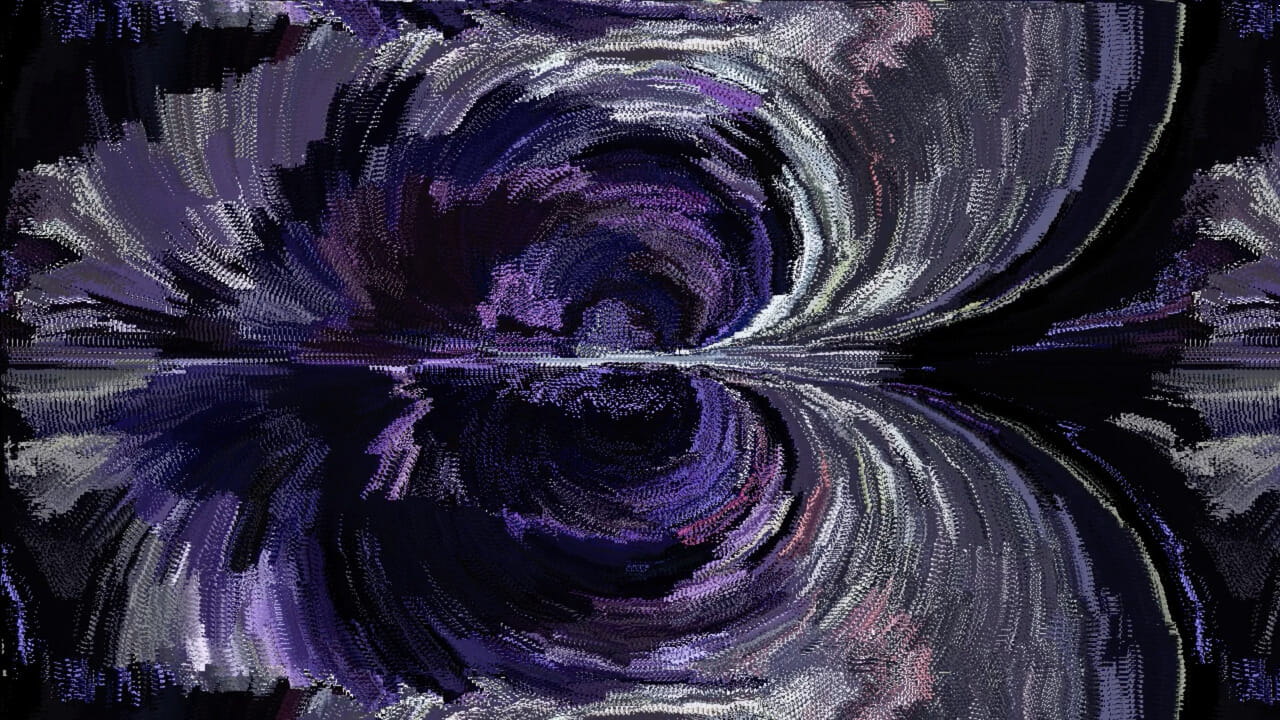 Slip
SlipA jet engine consumes the image, then puts it through a spin cycle.
Written by Scott Draves and Jamie Zawinski; 1997.
 Sonar
SonarA sonar display pings (get it?) the hosts on your local network, and plots their distance (response time) from you.
The three rings represent ping times of approximately 2.5, 70 and 2,000 milliseconds respectively.
Alternately, it can run a simulation that doesn't involve hosts.
Wikipedia: "Ping (networking utility): History"
Written by Jamie Zawinski and Stephen Martin; 1998.
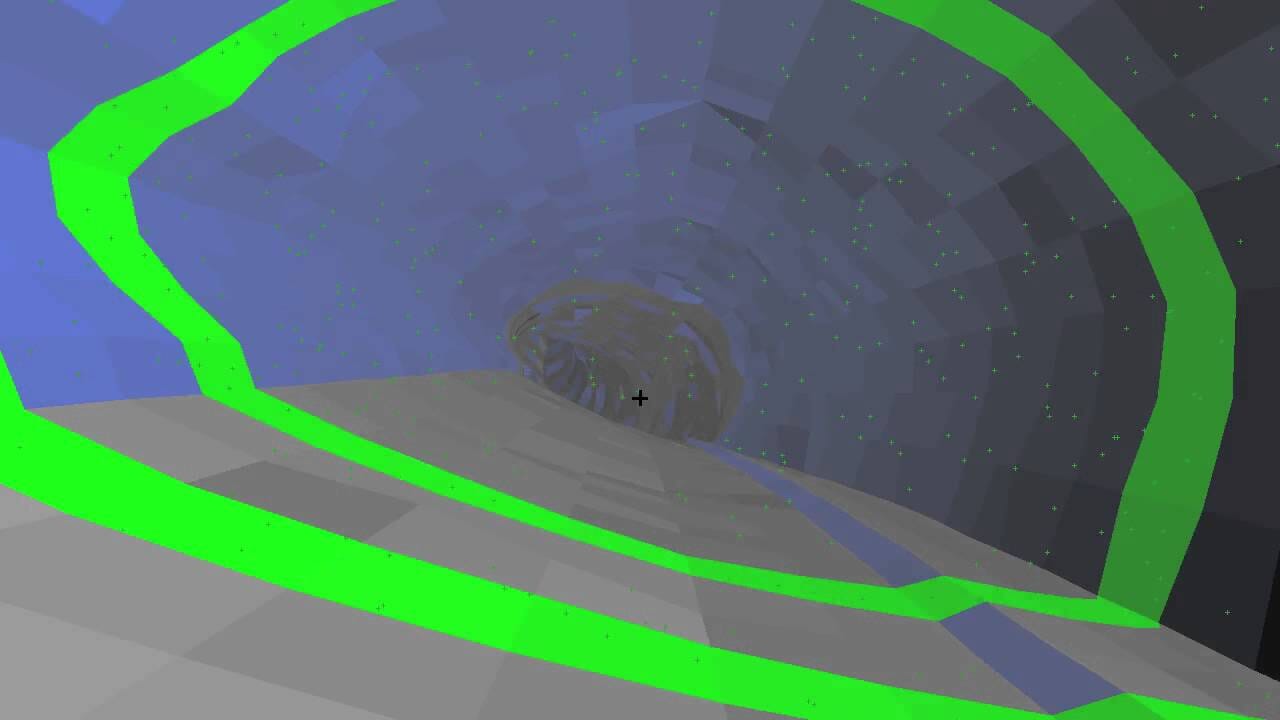 Speed Mine
Simulates speeding down a rocky mineshaft, or a funky dancing worm.
Written by Conrad Parker; 2001.
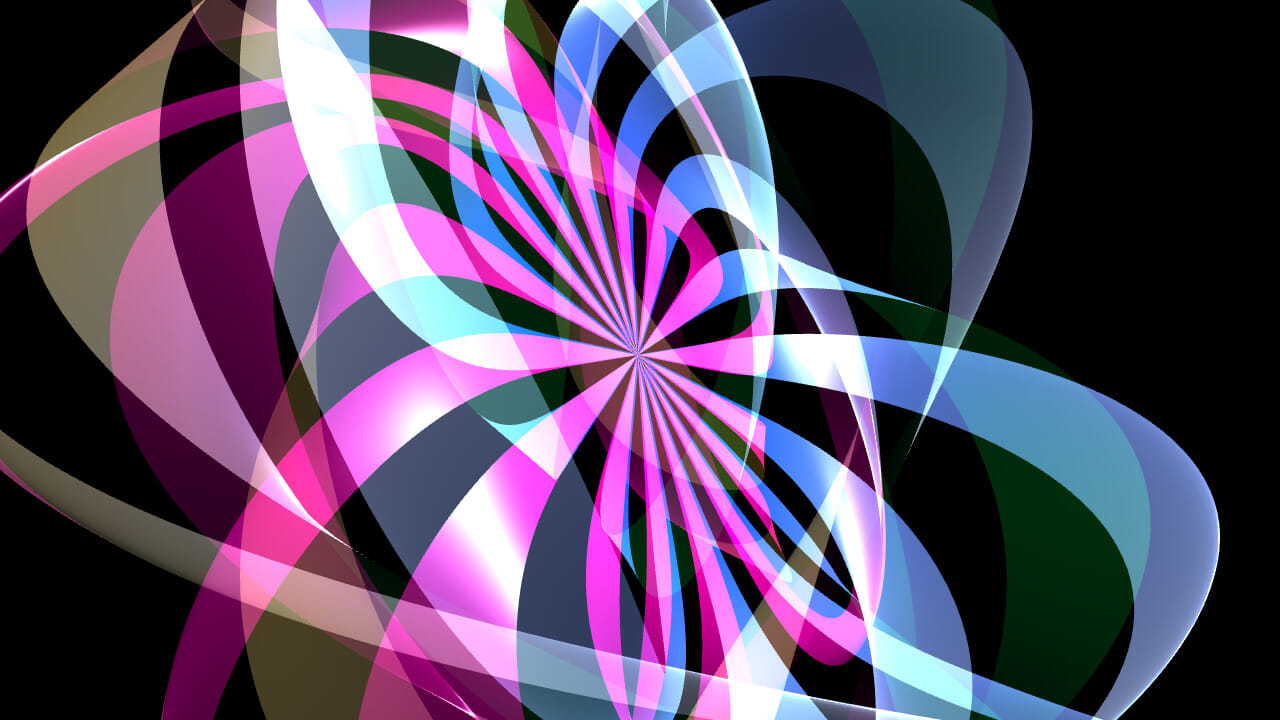 Sphere Eversion
Turns a sphere inside out: a smooth deformation (homotopy). During the eversion, the deformed sphere is allowed to intersect itself transversally, however, no creases or pinch points occur.
Inspired by the following paper: Adam Bednorz, Witold Bednorz: "Analytic sphere eversion using ruled surfaces", Differential Geometry and its Applications 64:59-79, 2019.
Also by the video "Outside In" by The Geometry Center (Bill Thurston, Silvio Levy, Delle Maxwell, Tamara Munzner, Nathaniel Thurston, David Ben-Zvi, Matt Headrick, et al.), 1994, and the accompanying booklet Silvio Levy: "Making Waves — A Guide to the Ideas Behind Outside In", A K Peters, Wellesley, MA, 1995.
Written by Carsten Steger; 2020.
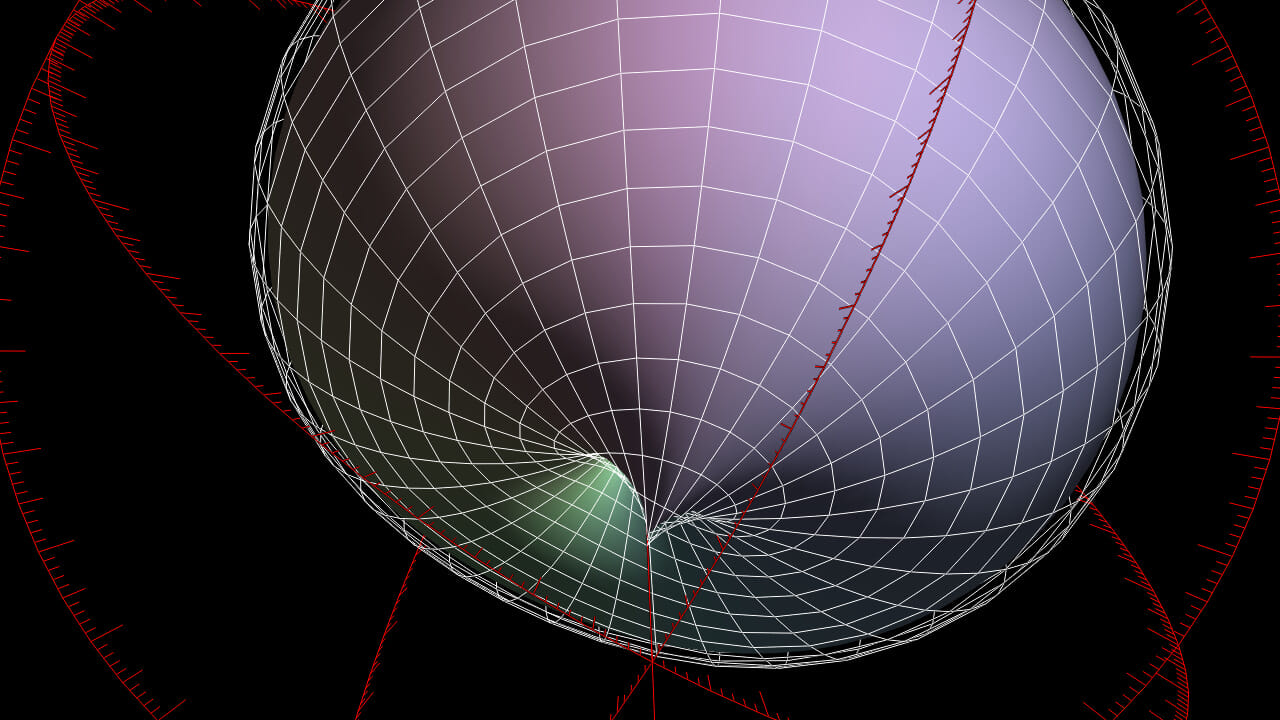 Spheremonics
These closed objects are commonly called spherical harmonics, although they are only remotely related to the mathematical definition found in the solution to certain wave functions, most notably the eigenfunctions of angular momentum operators.
Wikipedia: "Spherical harmonics: Visualization of the spherical harmonics"
Written by Paul Bourke and Jamie Zawinski; 2002.
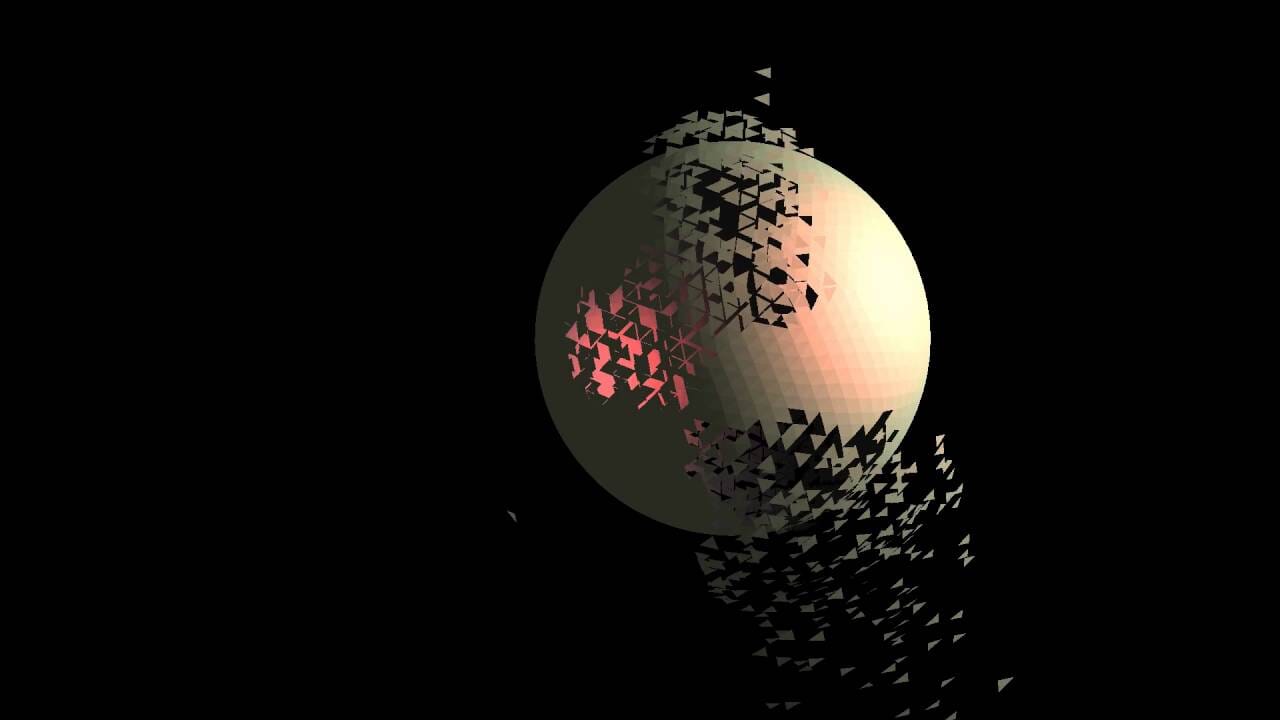 Splodesic
A geodesic sphere experiences a series of eruptions.
Written by Jamie Zawinski; 2016.
 Spotlight
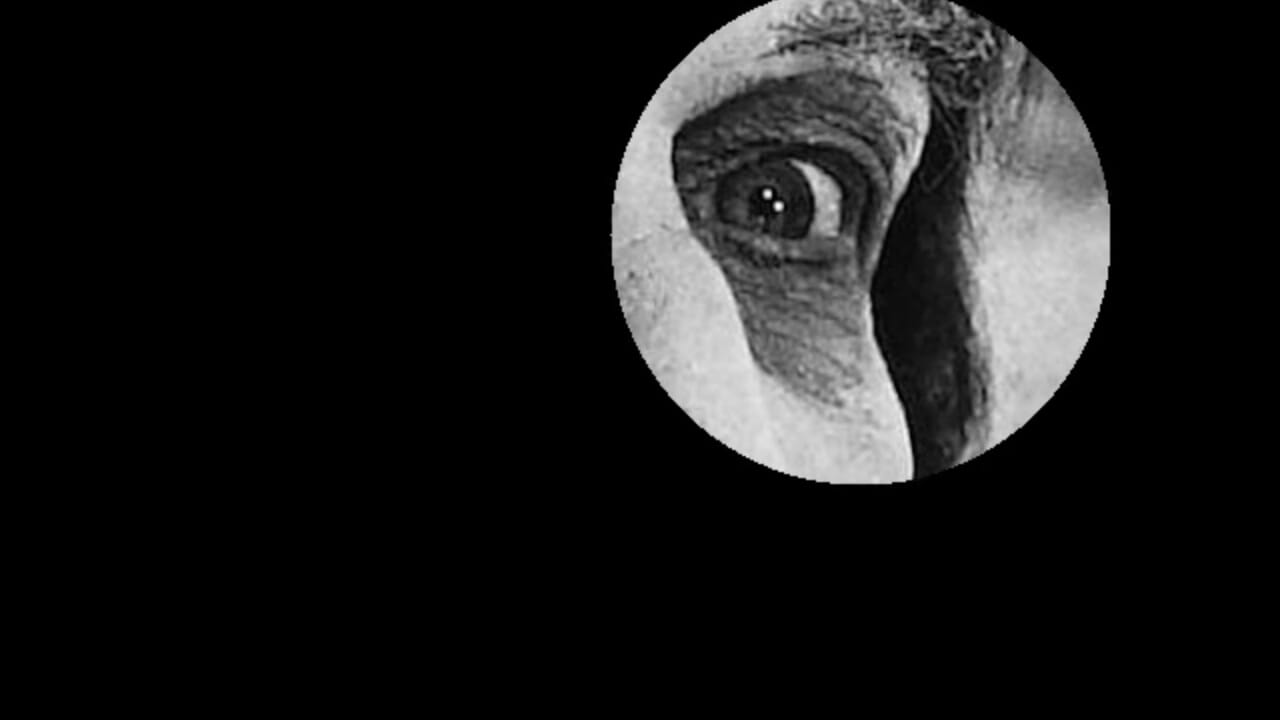
A spotlight scanning across a black screen, illuminating a loaded image when it passes.
Written by Rick Schultz and Jamie Zawinski; 1999.
 Squiral
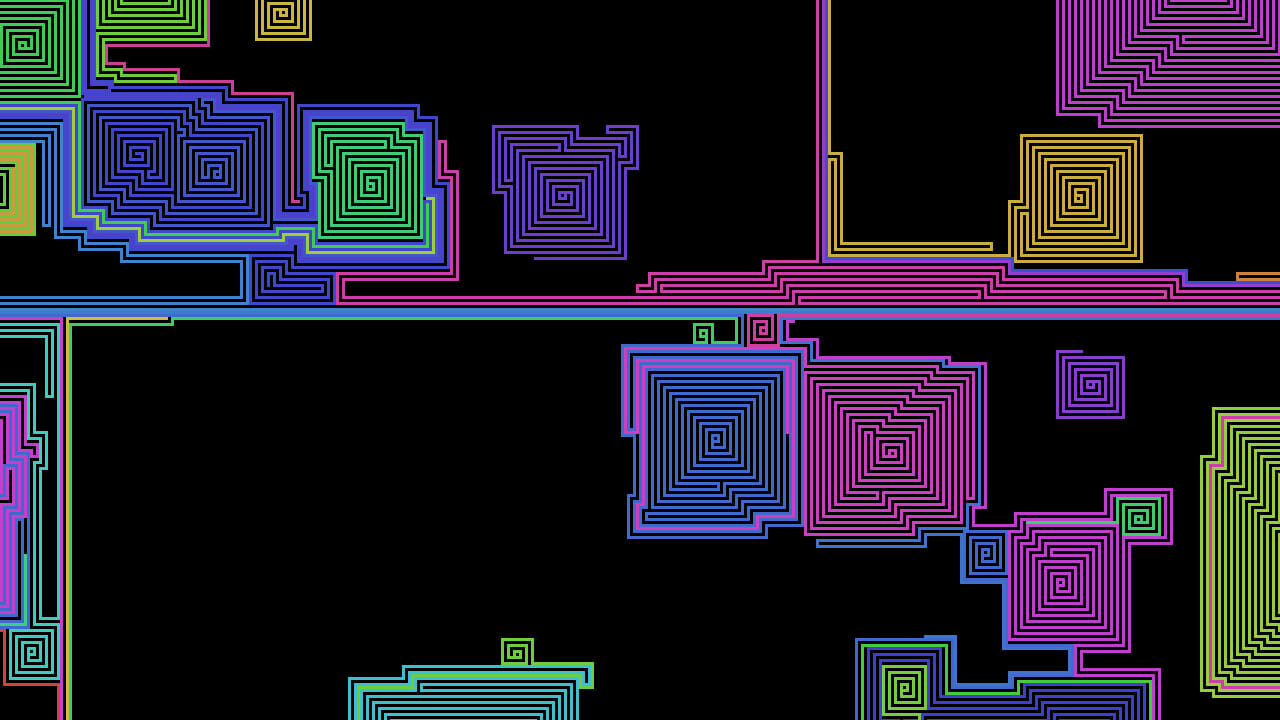
Square-spiral-producing automata. The spirals grow outward until they hit something, then they go around it.
Written by Jeff Epler; 1999.
 Squirtorus
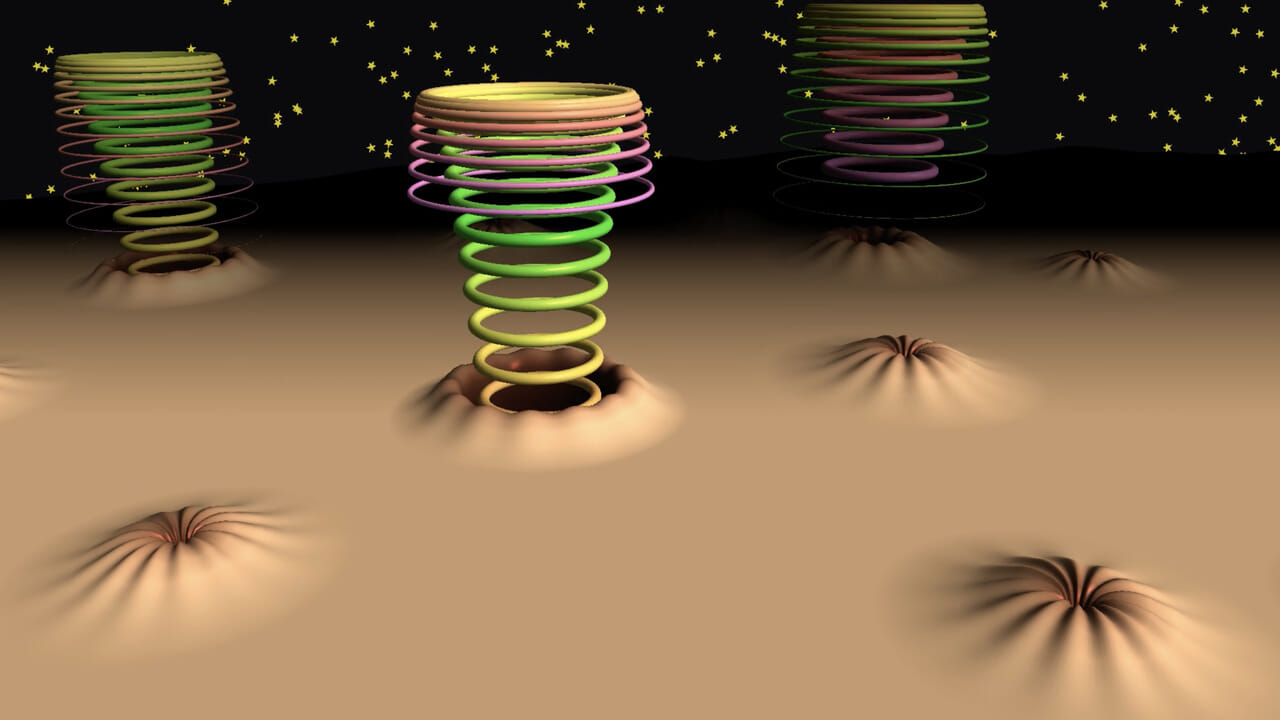
A scrolling landscape vents toroidal rainbows into the sky. Above, the stars are slowly going out.
Written by Jamie Zawinski; 2022.
 Starfish
Undulating, throbbing, star-like patterns pulsate, rotate, and turn inside out.
Written by Jamie Zawinski; 1997.
 Star Wars
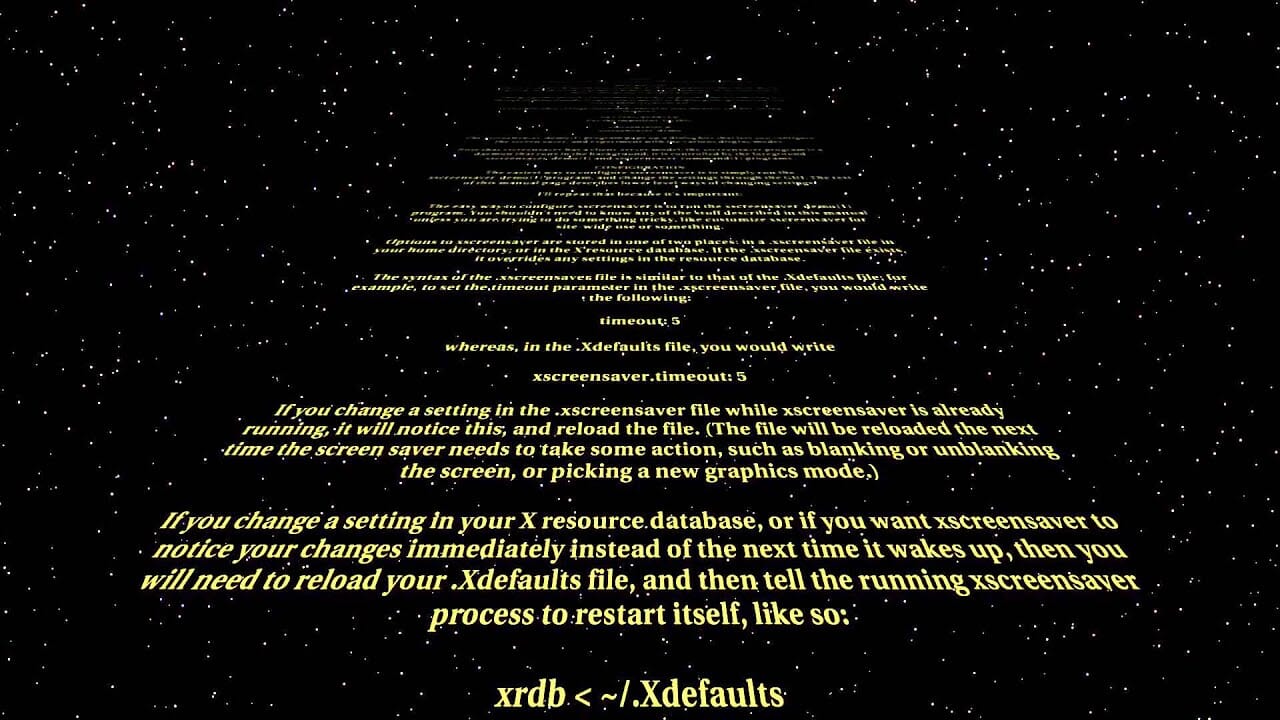
A stream of text slowly scrolling into the distance at an angle, over a star field, like at the beginning of the movie of the same name.
Wikipedia: "Star Wars opening crawl"
Written by Jamie Zawinski and Claudio Matsuoka; 2001.
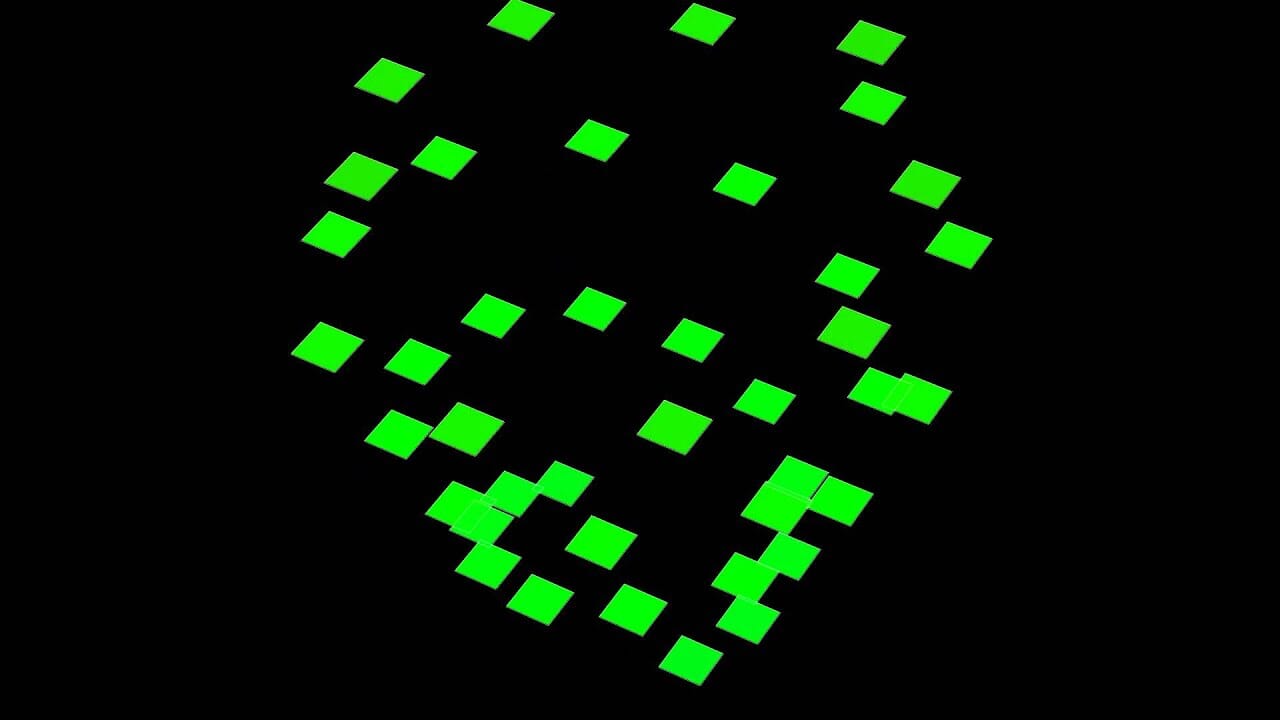 Stoner View
Chains of colorful squares dance around in spirals. Inspired by the classic SGI "ElectroPaint" screen saver from the 1980s.
Written by Andrew Plotkin; 2001.
 Substrate
Crystalline lines grow on a computational substrate. A simple perpendicular growth rule creates intricate city-like structures.
Written by J. Tarbell and Mike Kershaw; 2004.
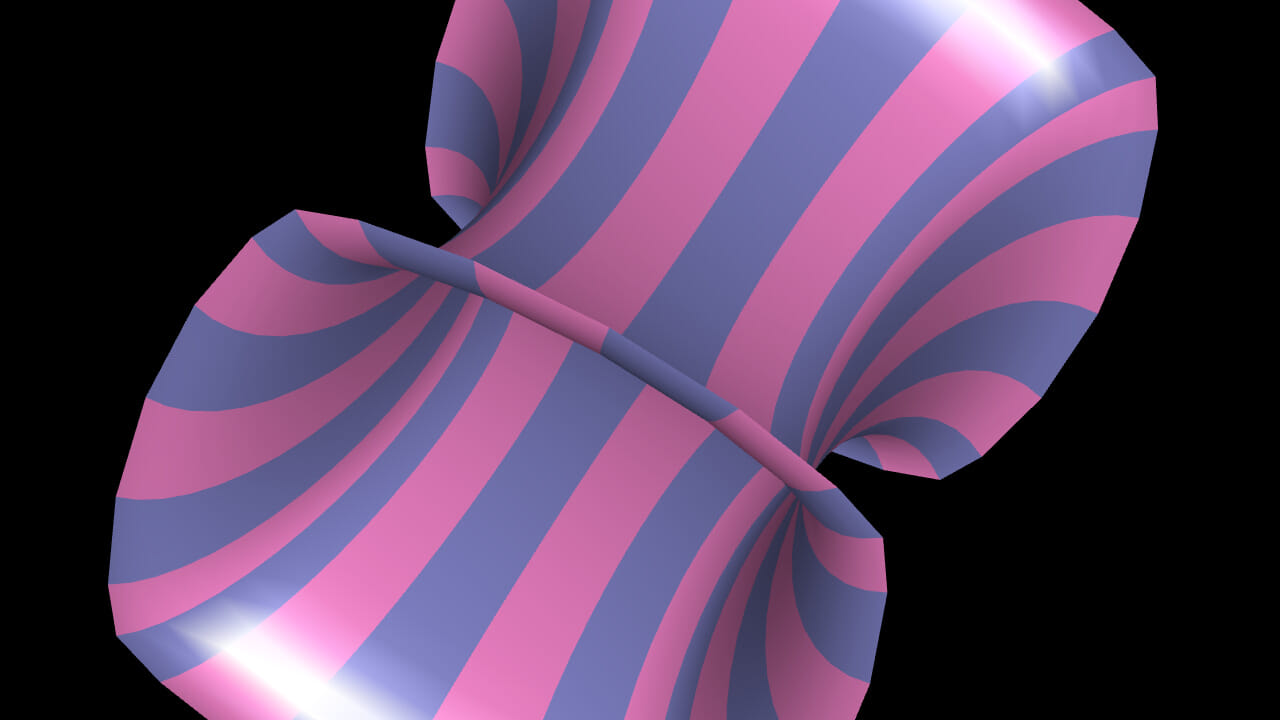 Superquadrics
Morphing 3D shapes.
Written by Ed Mackey; 1987, 1997.
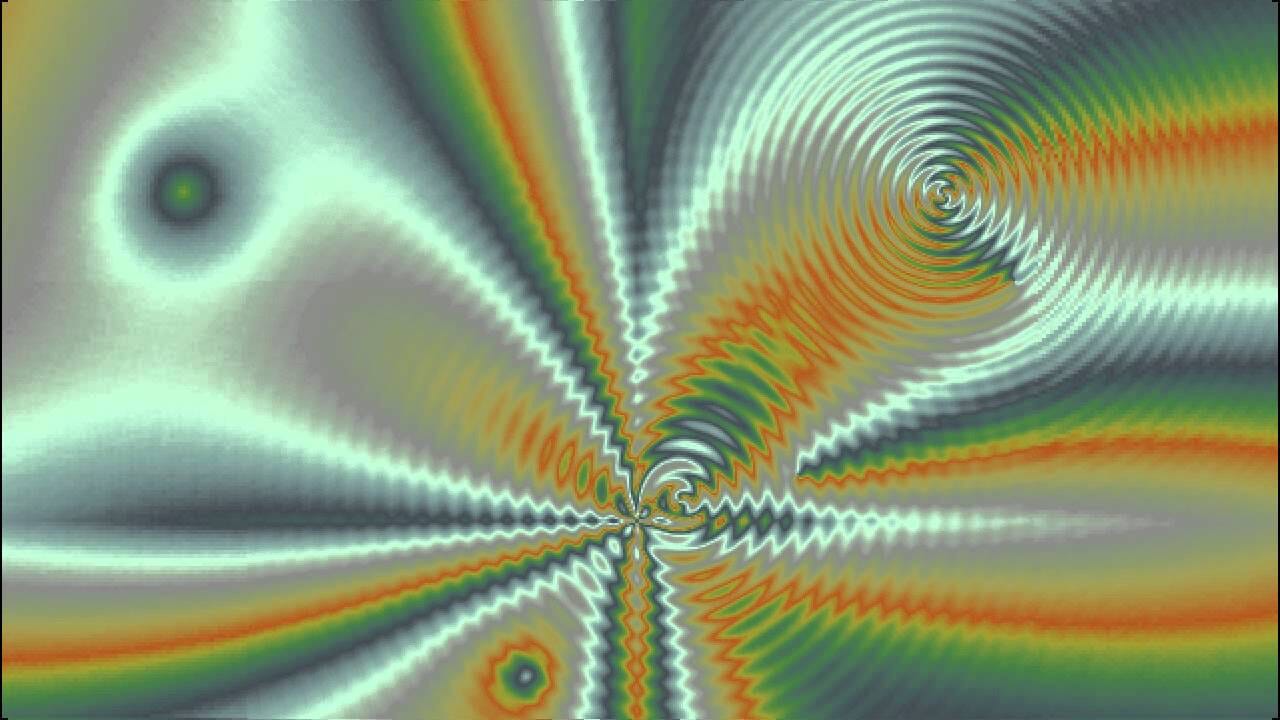 Swirl
SwirlFlowing, swirly patterns.
Written by M. Dobie and R. Taylor; 1997.
 Tessellimage
Converts an image to triangles using Delaunay tessellation, or to polygons using Voronoi tesselation, and animates the result at various depths.
More polygons are allocated to visually complex parts of the image. This is accomplished by first computing the first derivative of the image: the distance between each pixel and its neighbors (which is essentially edge detection or embossing). Then the Delaunay or Voronoi control points are chosen by selecting those pixels whose distance value is above a certain threshold: those are the pixels that have the largest change in color/brightness.
Wikipedia: "Delaunay triangulation"
Wikipedia: "Voronoi diagram"
Wikipedia: "Tessellation"
Written by Jamie Zawinski; 2014.
 Time Tunnel
An animation similar to the title sequence of Dr. Who in the 70s.
Written by Sean P. Brennan; 2005.
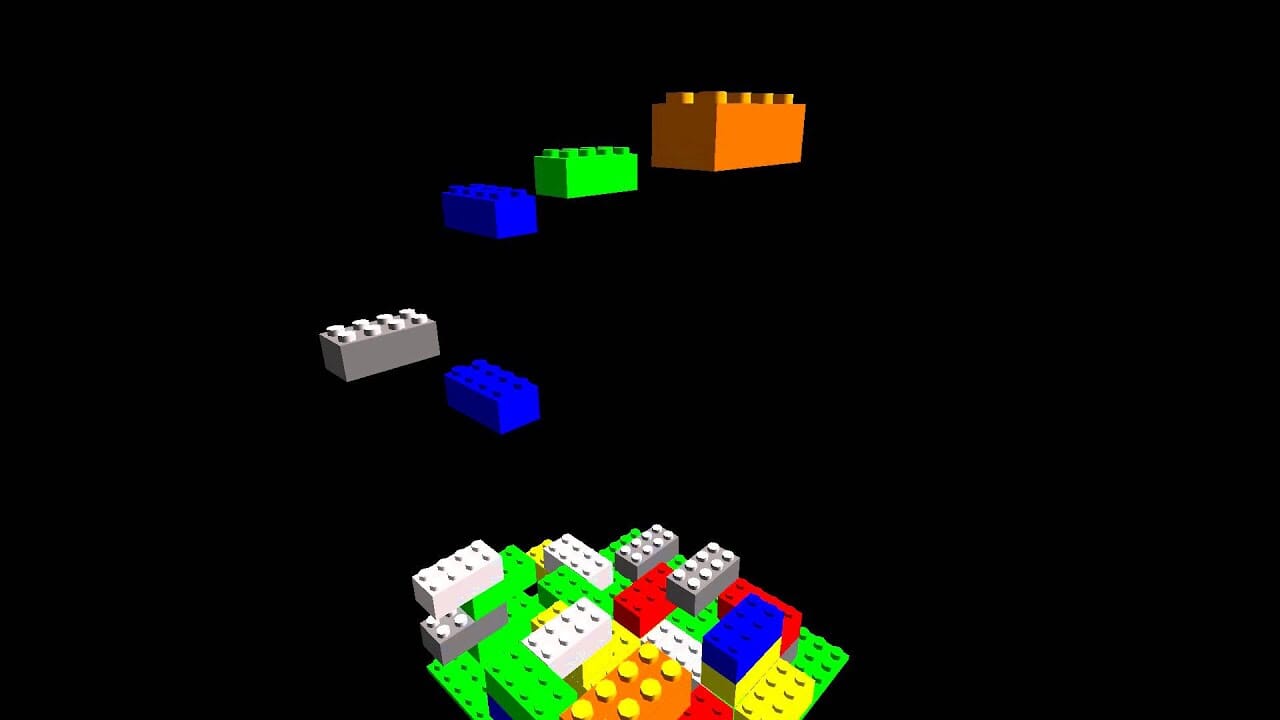 Top Block
Creates a 3D world with dropping blocks that build up and up.
Written by rednuht; 2006.
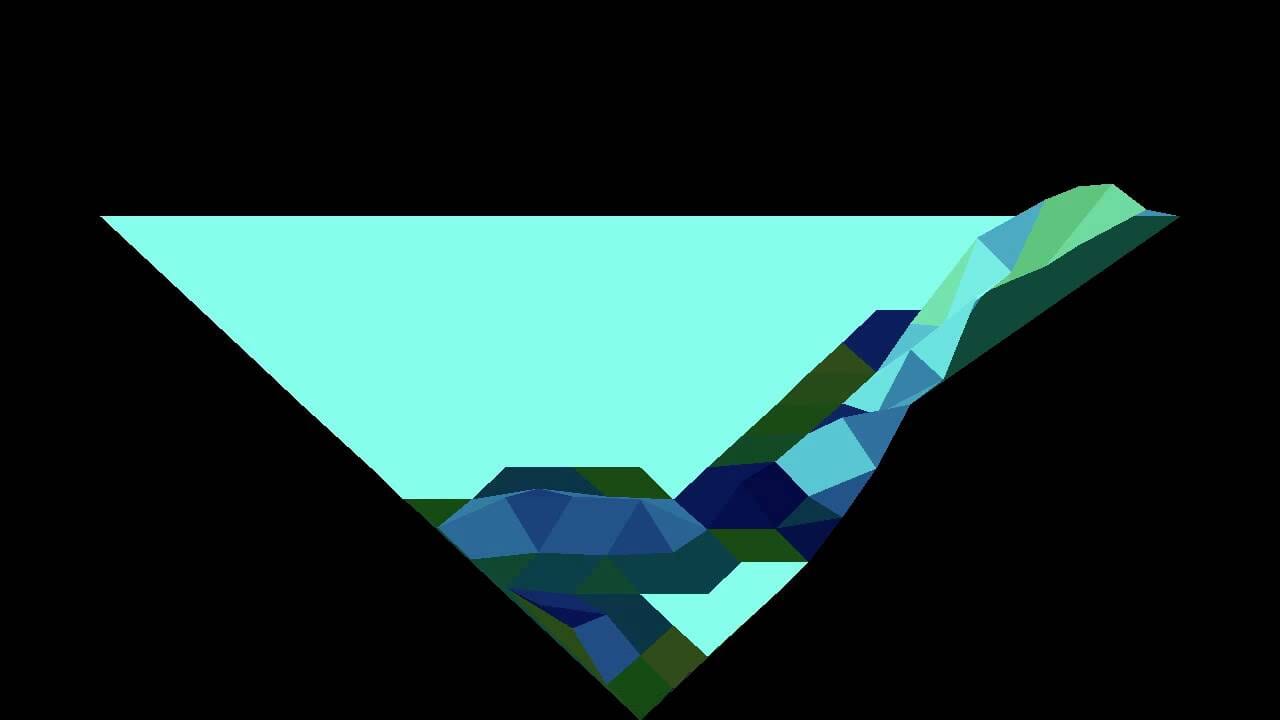 Triangle
Generates random mountain ranges using iterative subdivision of triangles.
Written by Tobias Gloth; 1997.
 Twang
TwangDivides the screen into a grid, and plucks them.
Written by Dan Bornstein; 2002.
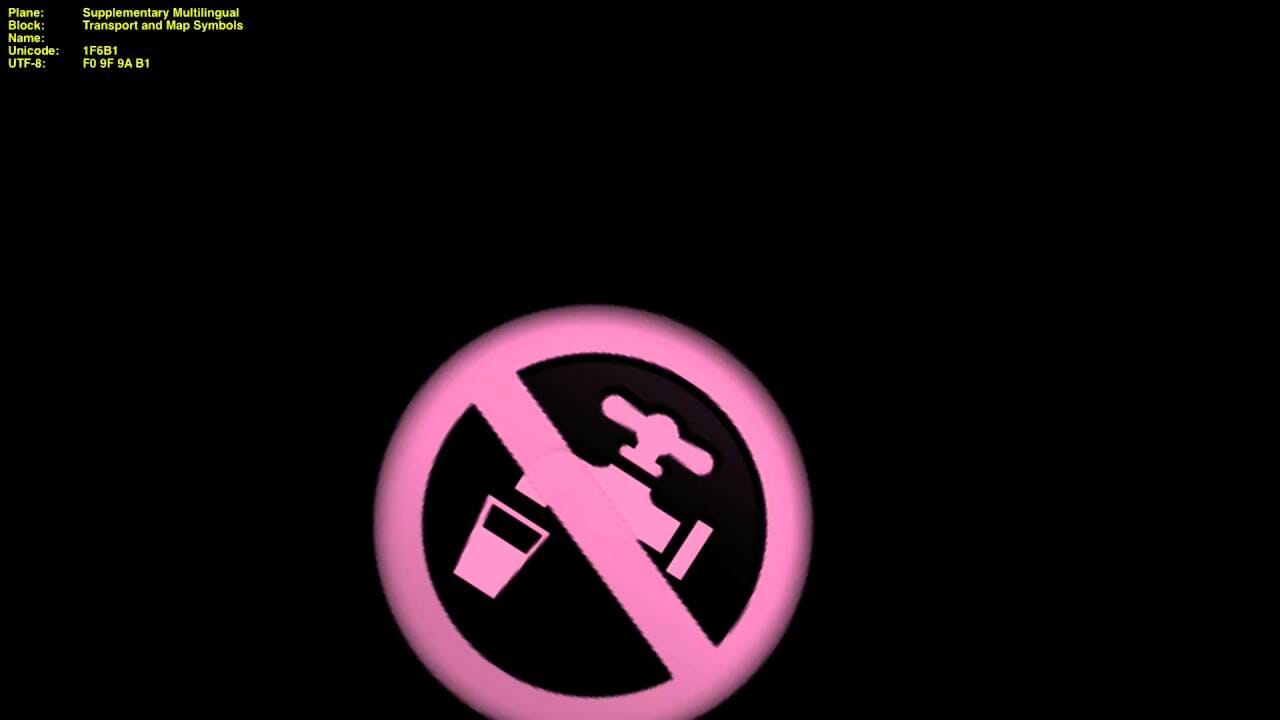 Unicrud
Chooses a random Unicode character and displays it full screen, along with some information about it. If you only see squares, install better fonts.
Written by Jamie Zawinski; 2016.
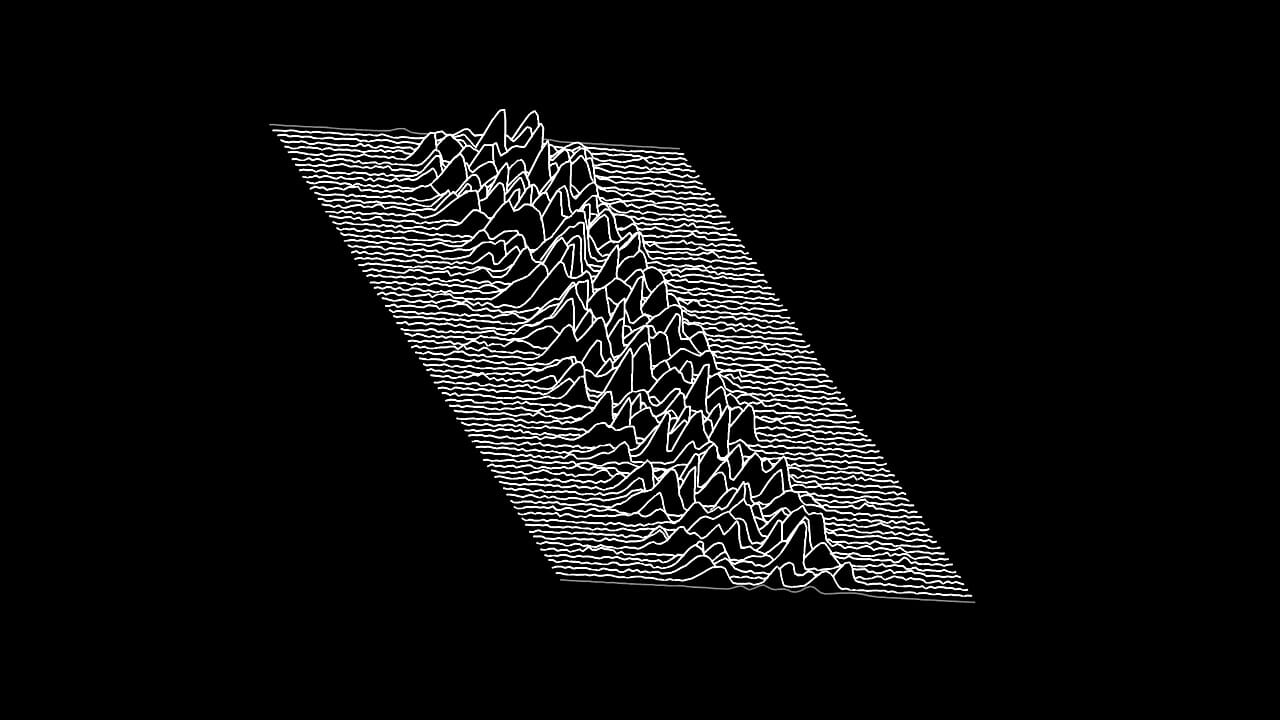 Unknown Pleasures
PSR B1919+21 (AKA CP 1919) was the first pulsar ever discovered: a spinning neutron star emitting a periodic lighthouse-like beacon.
An illustration of the signal received from it was published in Scientific American in 1971, and later in The Cambridge Encyclopedia of Astronomy in 1977, where it was seen by Stephen Morris, the drummer of Joy Division, and was consequently appropriated by Peter Saville for the cover of the band's album "Unknown Pleasures".
Wikipedia: "Pulsar"
Wikipedia: "PSR B1919+21"
Wikipedia: "Unknown Pleasures"
Wikipedia: "Peter Saville"
Wikipedia: "Joy Division"
Written by Jamie Zawinski; 2013.
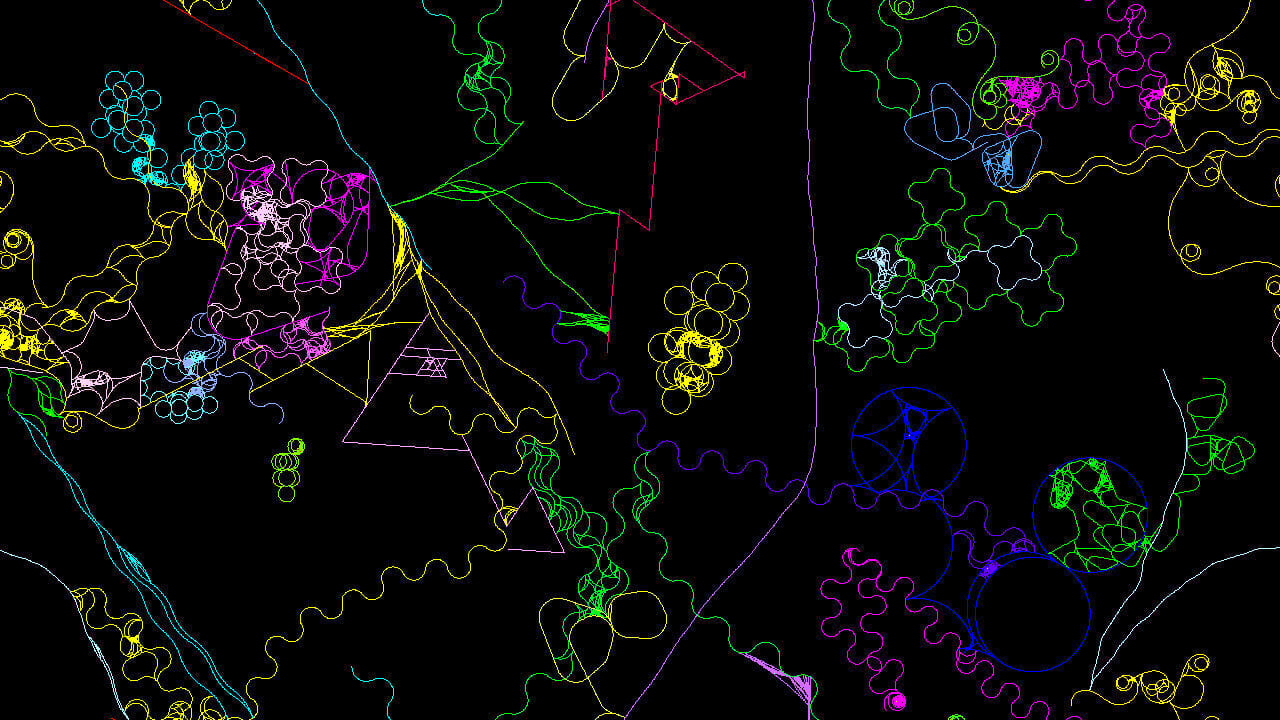 Vermiculate
Squiggly worm-like paths.
Written by Tyler Pierce; 2001.
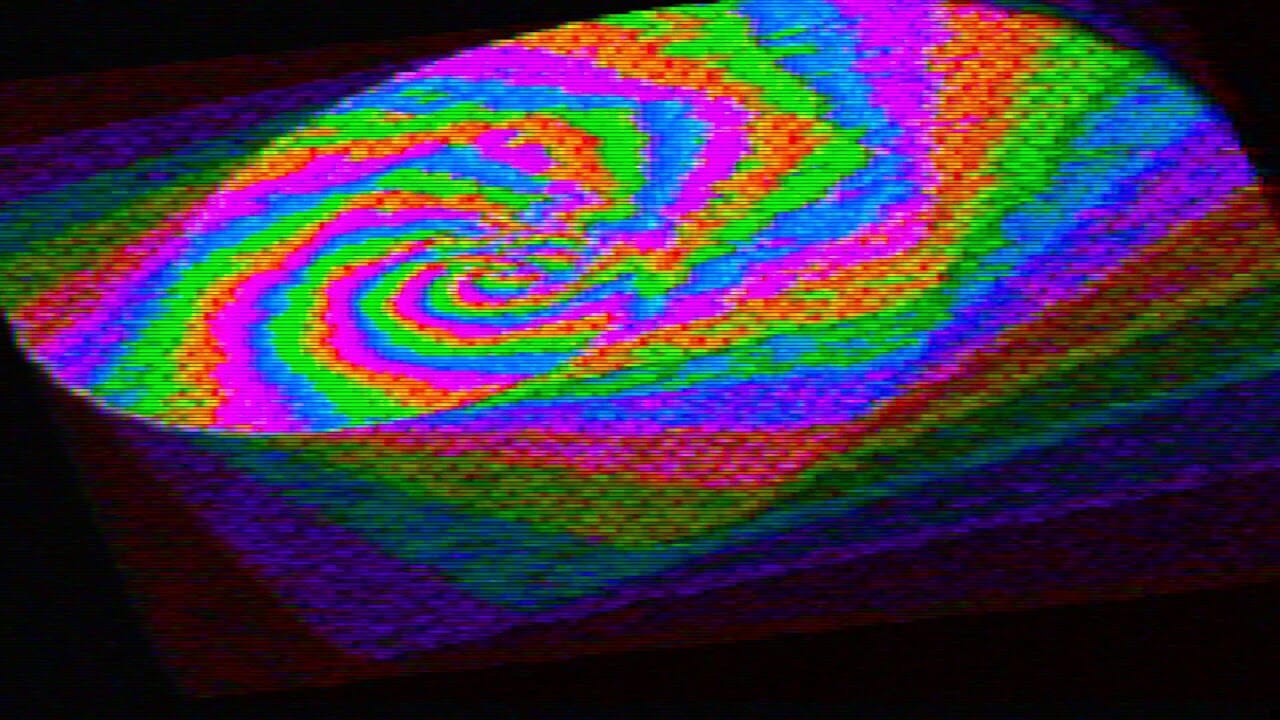 VFeedback
Simulates video feedback: pointing a video camera at an NTSC television.
Written by Jamie Zawinski; 2018.
 Vid Whacker
Distorts an image using a random series of filters: edge detection, subtracting the image from a rotated version of itself, etc.
Written by Jamie Zawinski; 1998.
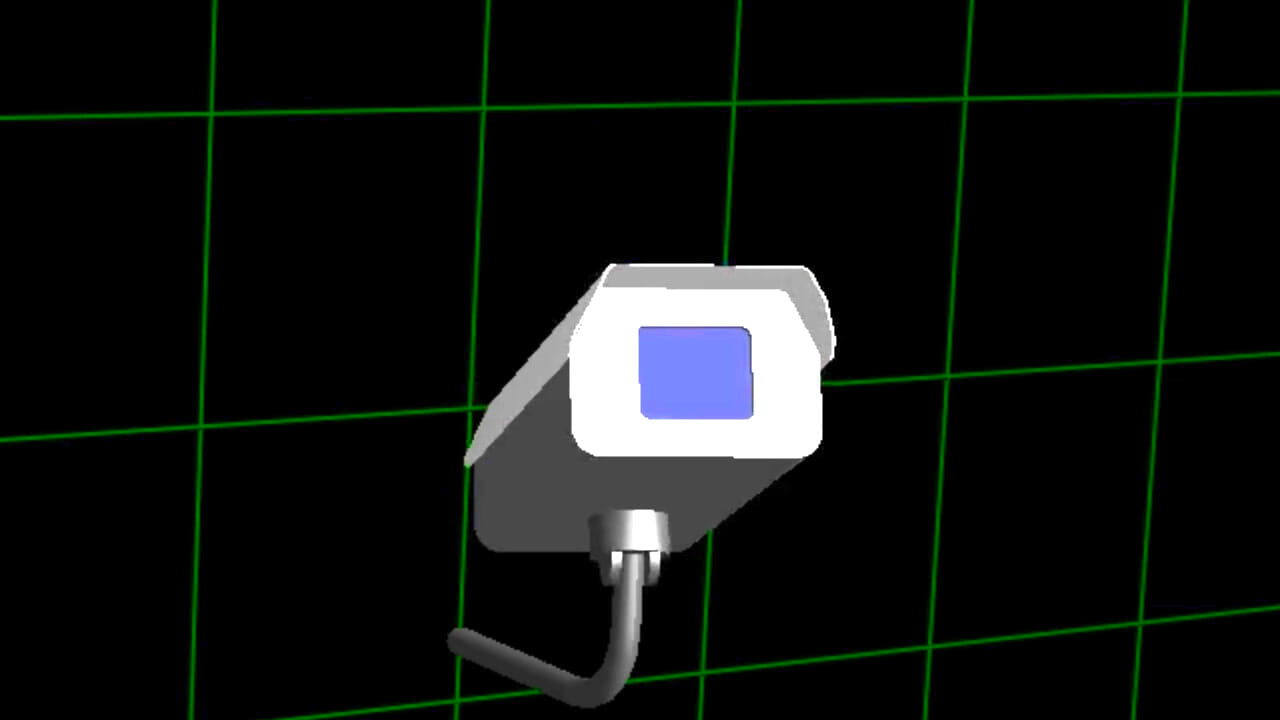 Vigilance
Security cameras keep careful track of their surroundings. You can trust them. Everything is completely under control.
Written by Jamie Zawinski; 2017.
 Voronoi
A Voronoi tessellation. Periodically zooms in and adds new points. The existing points also wander around.
There are a set of control points on the plane, each at the center of a colored cell. Every pixel within that cell is closer to that cell's control point than to any other control point. That is what determines the cell's shapes.
Wikipedia: "Voronoi diagram"
Wikipedia: "Tessellation"
Written by Jamie Zawinski; 2007.
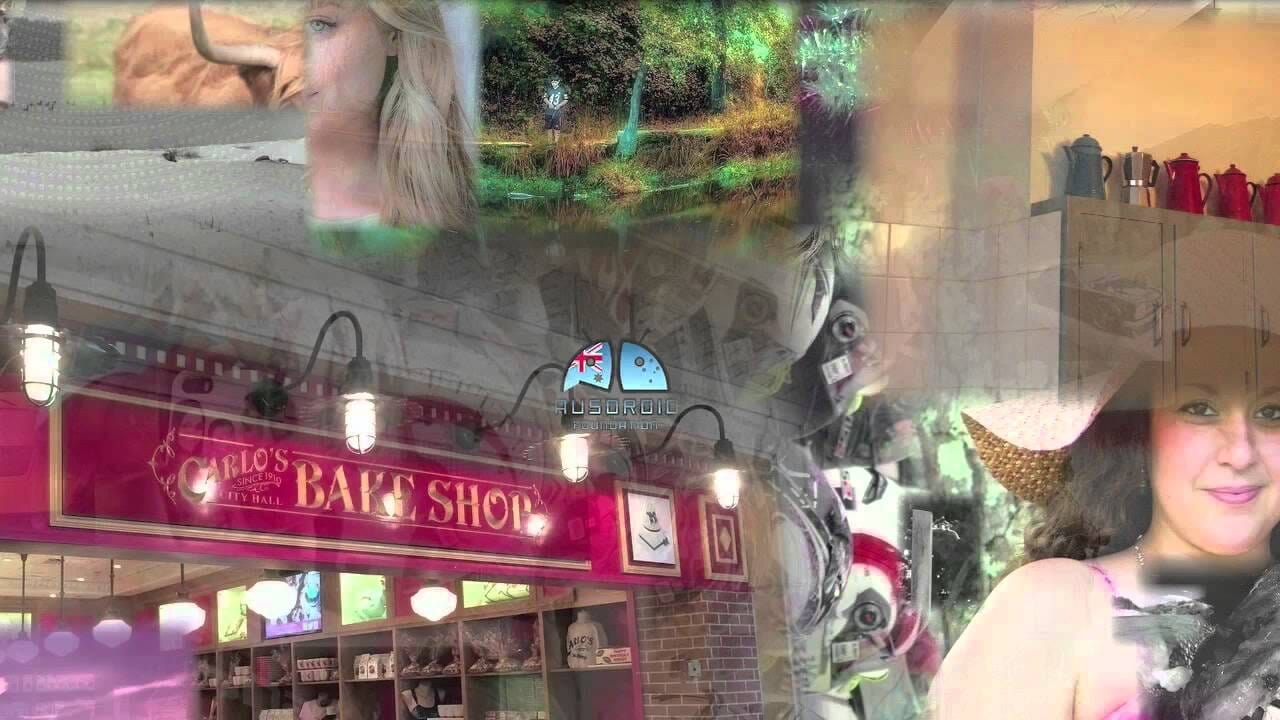 Web Collage
This is what the Internet looks like.
This creates collages out of random images from the World Wide Web. It finds the images by feeding random words into various search engines, and pulling images (or sections of images) out of the pages returned.
WARNING: THE INTERNET SOMETIMES CONTAINS PORNOGRAPHY.
The Internet being what it is, absolutely anything might show up in the collage including -- quite possibly -- pornography, or even nudity. Please act accordingly.
See also https://
Written by Jamie Zawinski; 1998.
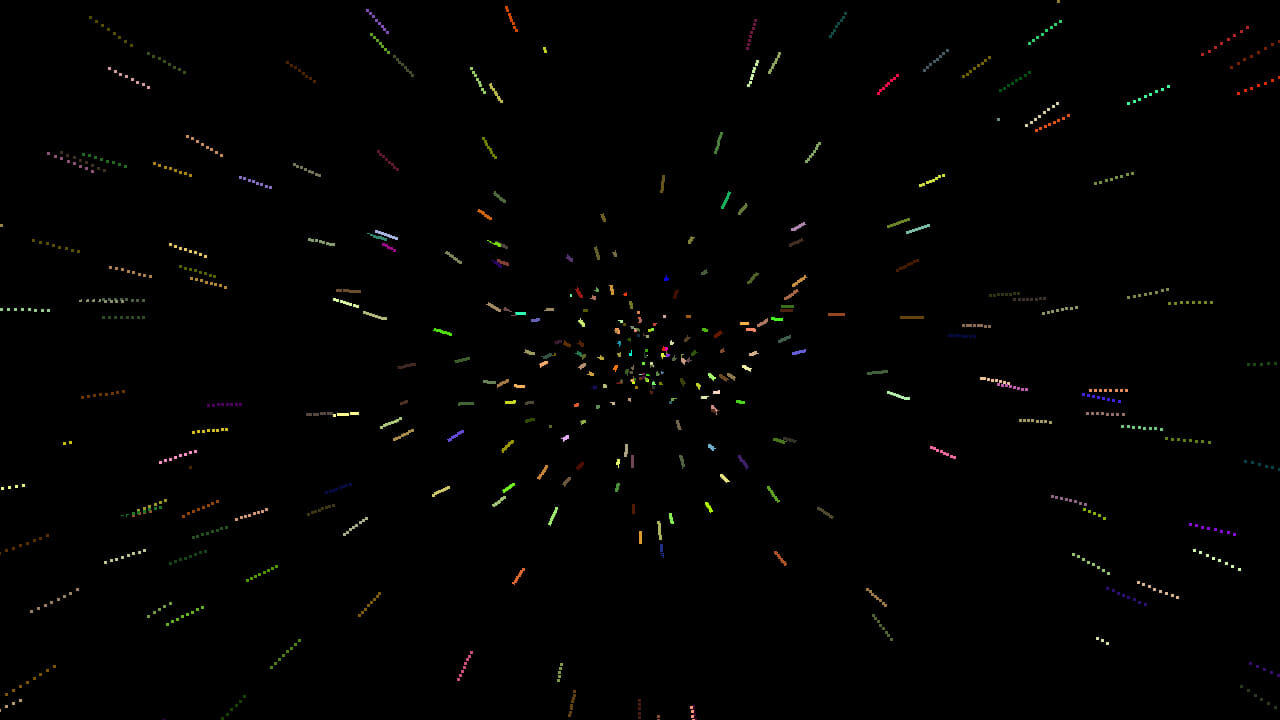 Whirlwind Warp
Floating stars are acted upon by a mixture of simple 2D force fields. The strength of each force field changes continuously, and it is also switched on and off at random.
Written by Paul 'Joey' Clark; 2001.
 Windup Robot
A swarm of wind-up toy robots wander around the table-top, bumping into each other.
Each robot contains a mechanically accurate gear system inside, which you can see when the robot's shell occasionally fades to transparency. Also, sometimes a cartoony word bubble pops up above a robot, full of random text.
Written by Jamie Zawinski; 2014.
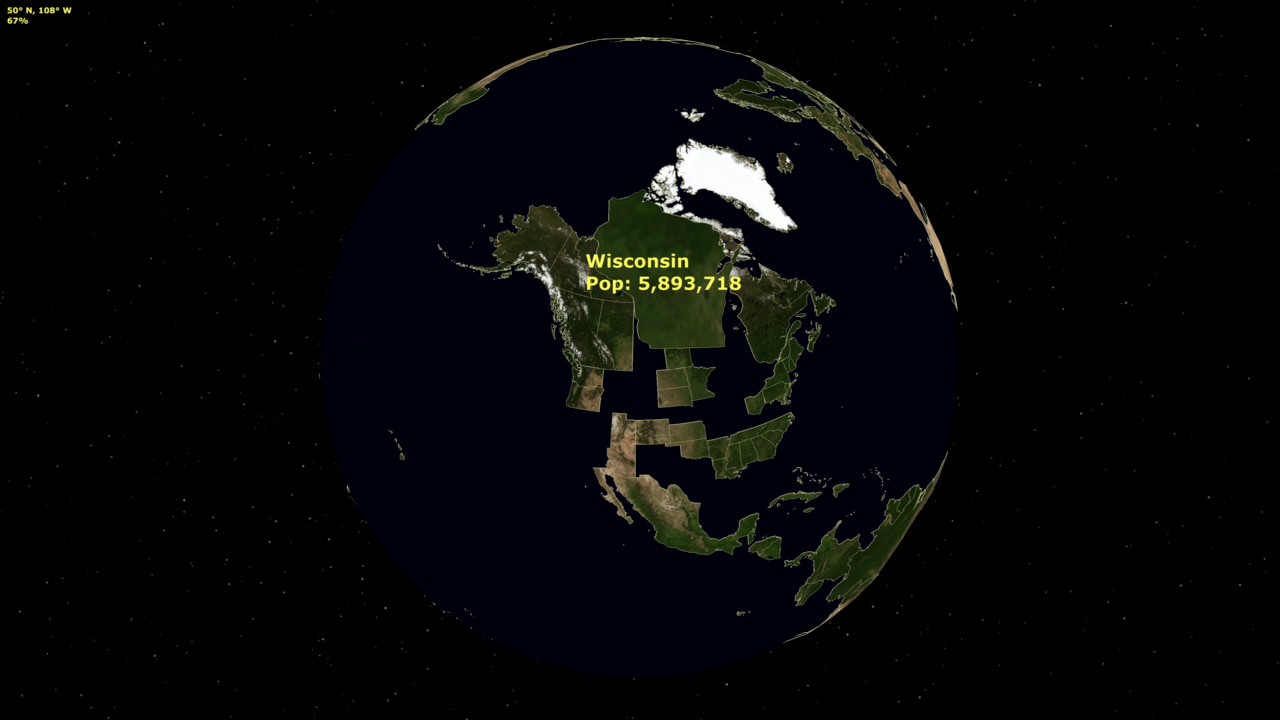 World Pieces
The Earth fills up with countries one at a time, solving international relations like a jigsaw puzzle.
Written by Jamie Zawinski; 2026.
 Wormhole
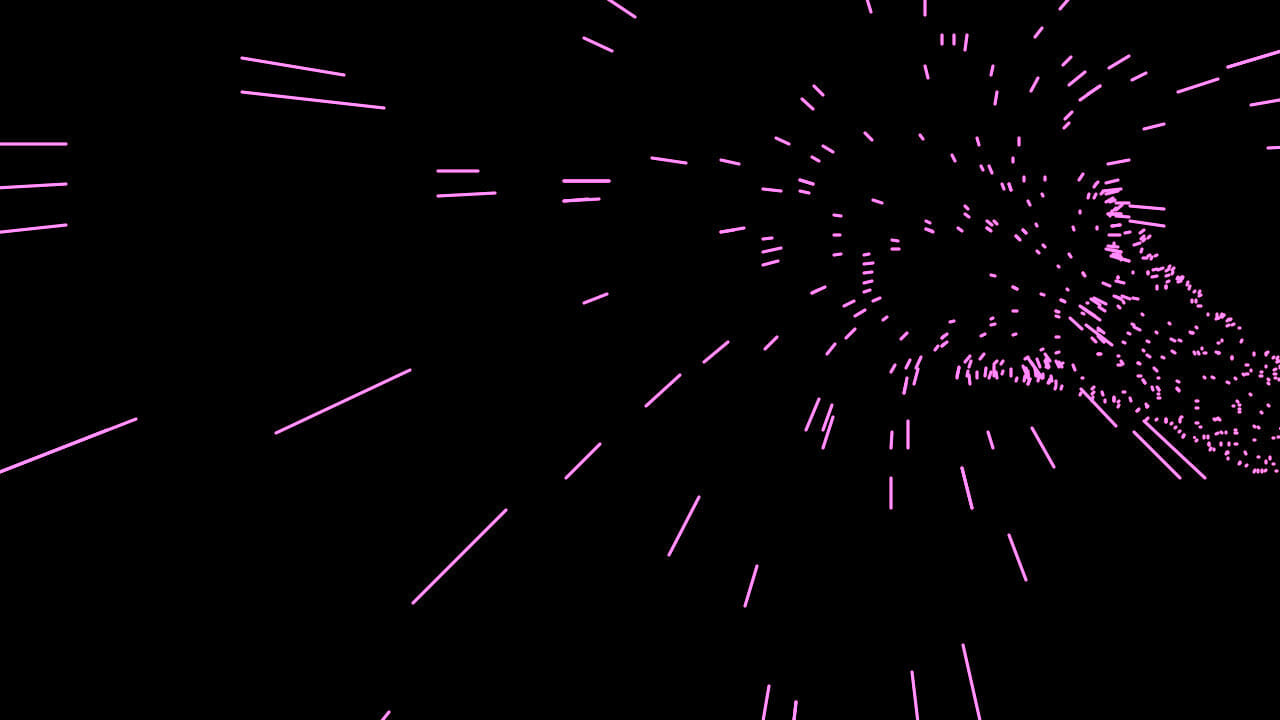
Flying through a colored wormhole in space.
Written by Jon Rafkind; 2004.
 XAnalogTV
An old TV set, including artifacts like snow, bloom, distortion, ghosting, and hash noise. It also simulates the TV warming up. It will cycle through 12 channels, some with images you give it, and some with color bars or nothing but static.
Written by Trevor Blackwell; 2003.
 XFlame
Pulsing fire. It can also take an arbitrary image and set it on fire too.
Written by Carsten Haitzler and many others; 1999.
 XJack
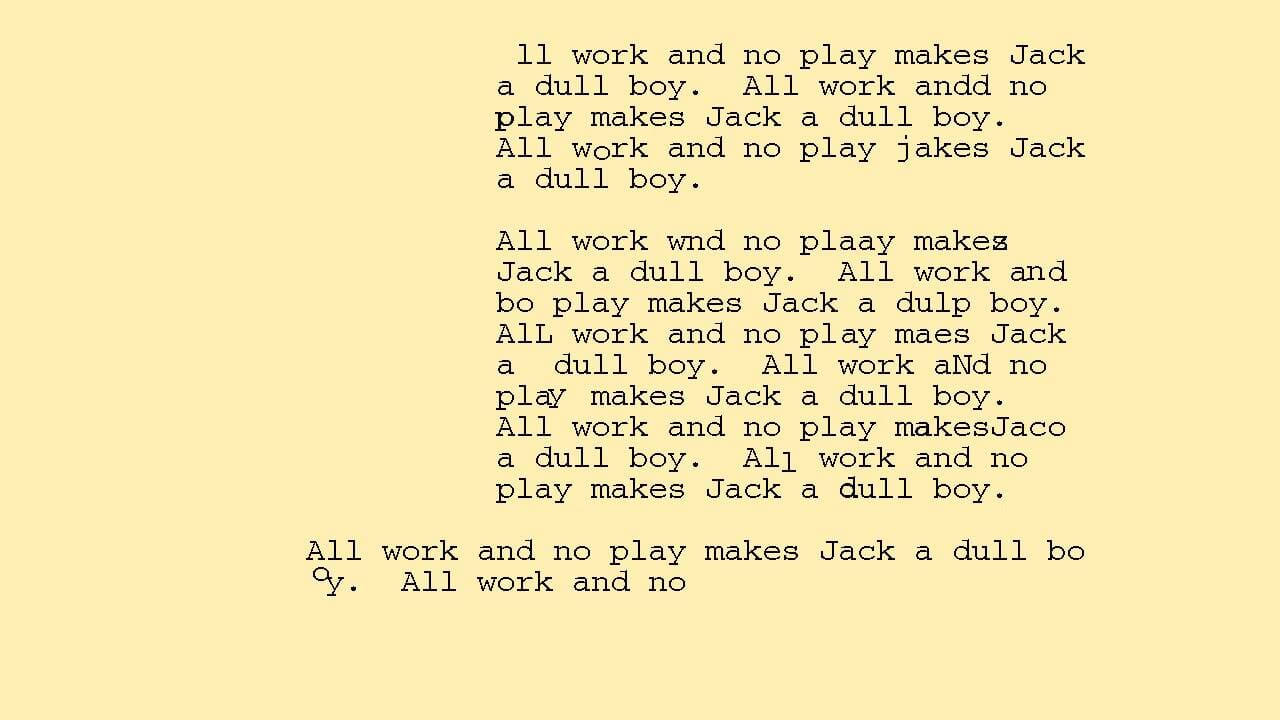
XJackA novel by Jack Torrance.
Written by Jamie Zawinski; 1997.
 XMatrix
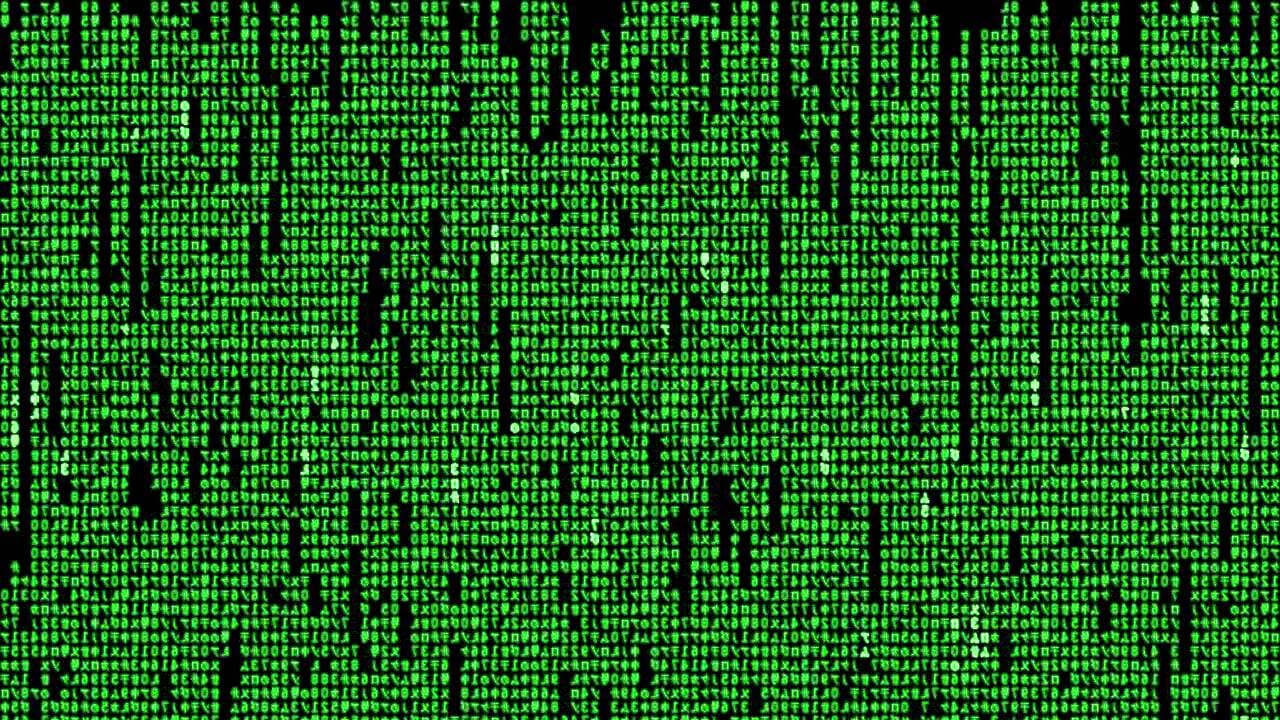
The "digital rain" effect, as seen on the computer monitors in "The Matrix".
See also "GLMatrix" for a 3D rendering of the similar effect that appeared in the movie's title sequence.
Wikipedia: "Matrix digital rain"
Written by Jamie Zawinski; 1999.
 XRaySwarm
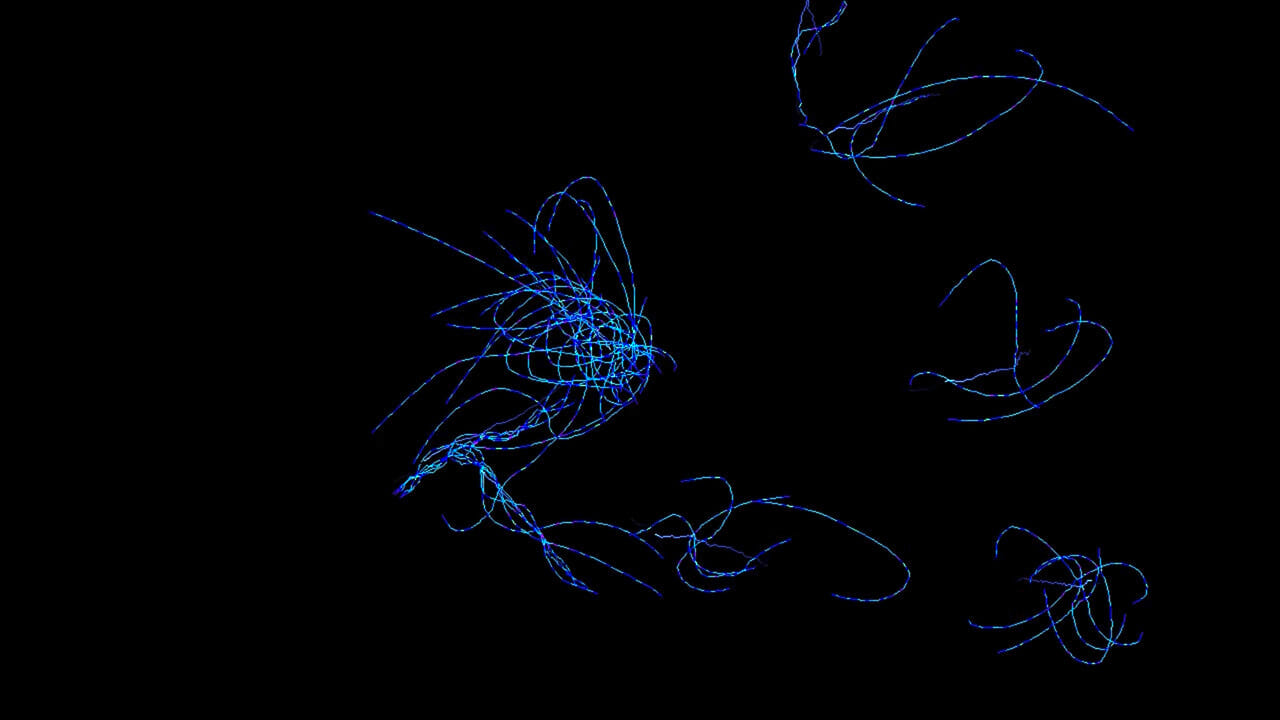
Worm-like swarms of particles with vapor trails.
Written by Chris Leger; 2000.
 XSpirograph
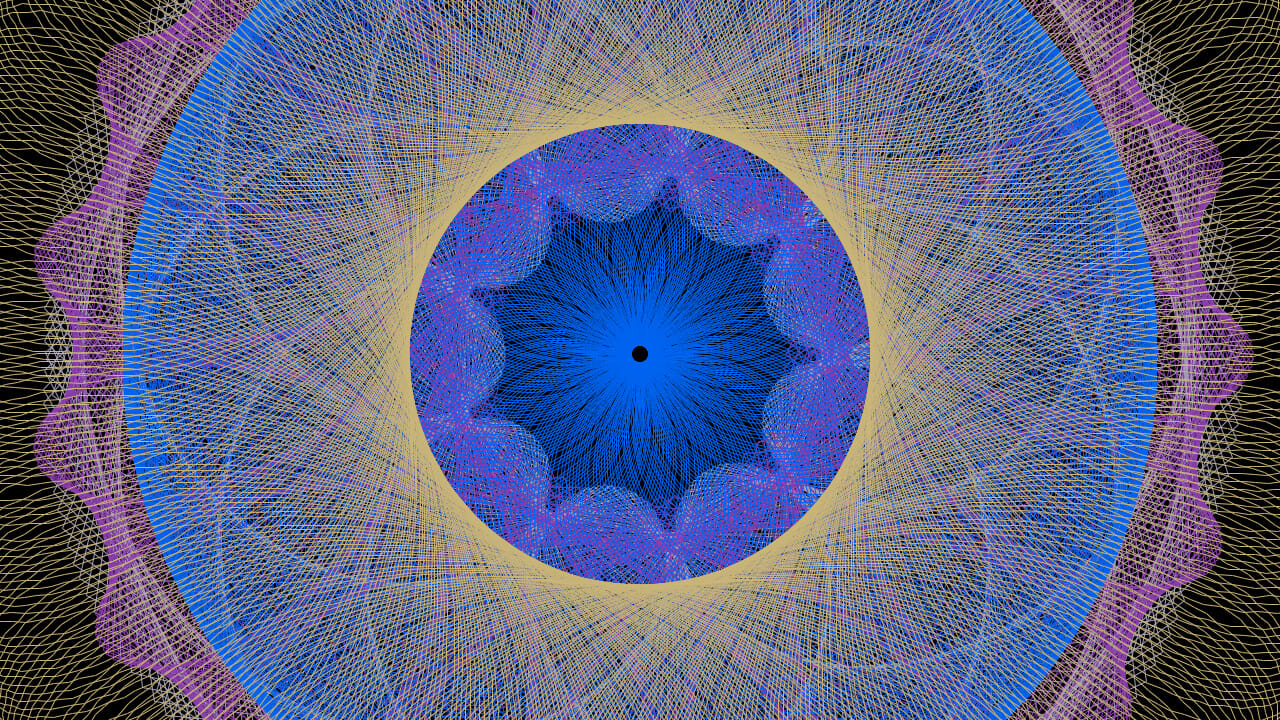
Simulates that pen-in-nested-plastic-gears toy from your childhood.
Written by Rohit Singh; 2000.
 Zoom
ZoomFatbits! Zooms in on a part of an image and scrolls, distorting each pixel with its own lens.
Written by James Macnicol; 2001.
There are also some screen savers that were once included, but have since been retired.