Overview
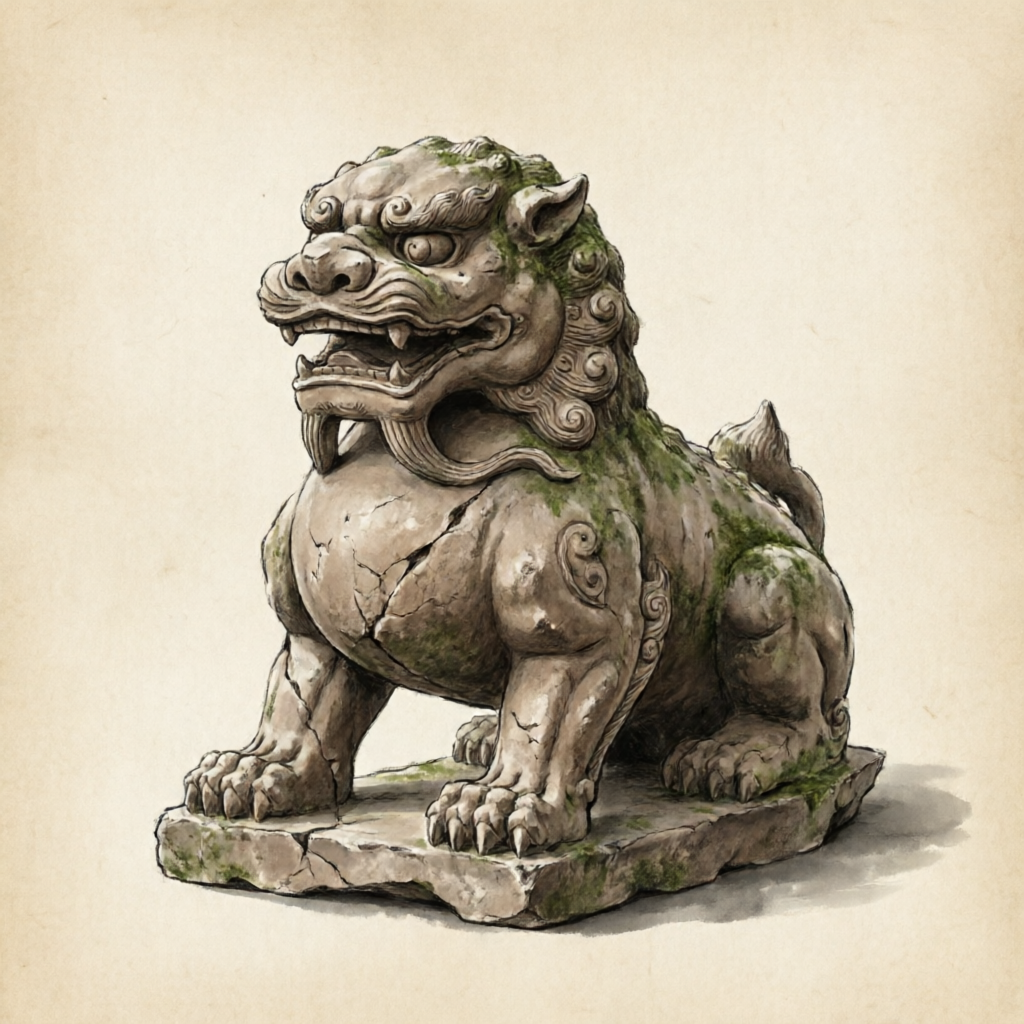
Stone carving (石雕, shí diāo) is a traditional art form that involves creating visual and tactile artistic images from sculptable stones. As one of humanity's oldest art forms, stone carving has a rich history spanning tens of thousands of years across various cultures and civilizations. This traditional craft has been recognized as an intangible cultural heritage of China, representing an important part of traditional Chinese art and aesthetics. The techniques and styles of stone carving have evolved significantly throughout history, reflecting technological advancements, cultural influences, and changing artistic preferences.
History
The history of stone carving in China dates back to the Paleolithic era, approximately 100,000-200,000 years ago. During the long Paleolithic and Neolithic periods, stone tool processing was a means of survival for ancient inhabitants in the Lingnan region. Numerous rock carvings have been discovered in the Pearl River Delta area, including Hong Kong, Macau, and Zhuhai, featuring complex abstract patterns created through chiseling techniques. The most significant of these is the rock carving on Gaolan Island in Nanshui Town, Zhuhai, which includes a piece measuring 3 meters in height and 5 meters in length with clear lines depicting human figures and boats.
Archaeological research indicates that these rock carvings date back to approximately 1000 BCE, placing them in the Bronze Age. The Nanyue King's Palace Site has revealed several square-based octagonal prism-shaped stone balustrades, which are the earliest known stone balustrade components in Chinese architectural history. The Nanyue Imperial Garden Site features stone pools with intricate "ice crack" patterns, winding stone channels, stone chambers built with large slabs, and various stone components that represent the first of their kind discovered from China's Qin and Han dynasties.
During the Han Dynasty in Sichuan province, stone carvings were characterized by rich facial expressions in human figures. The tomb of Zhao Mei, the Nanyue King, represents the largest stone chamber tomb discovered in the Lingnan region to date, with massive stones weighing up to 2.6 tons. The tomb contained 244 pieces (sets) of jade artifacts, including 71 jade bi discs, two green jade round-carved dancing figures, a relief-carved blue and white jade horn cup with cloud patterns, a silk-threaded jade burial suit, dragon and tiger jade belt hooks, dragon and phoenix jade pendants, and animal head discs with jade inlays. These artifacts demonstrate the sophisticated jade processing techniques of the Nanyue Kingdom, including material selection, shaping, drilling, carving, polishing, and modification techniques, as well as inlay craftsmanship.
The Neolithic period (circa 10,000 years ago) marked significant developments in stone carving technology. As ancient humans transitioned from hunter-gatherer societies to settled agricultural communities, stone carving techniques evolved. Early Neolithic stone carving works are represented by grinding slabs and grinding rods from the Peiligang culture, made of sandstone and designed in geometric shapes resembling shoe soles. These objects required complex processing techniques including hammering, cutting, and polishing, demonstrating advanced aesthetic values alongside their practical functions.
During the Tang Dynasty (618-907 CE), stone carving reached another peak of development, divided into two main categories: tomb stone carvings and Buddhist stone carvings. Buddhist stone carvings were primarily represented by cave temple statues, with the Fengxian Temple statues being particularly notable for their majestic and rounded forms that exemplified the grand style of the Tang Dynasty. The colored sculptures of Dunhuang represented the essence of Tang Buddhist art, with numerous works of high artistic quality that surpassed achievements of previous dynasties.
The Ming and Qing dynasties (1368-1911 CE) represented the final peak of traditional Chinese architecture and stone carving. The Forbidden City in Beijing showcases extensive use of stone carving in its platforms, railings, corridors, courtyards, and bridges. These stone carvings, ordered by Emperor Qianlong in 1760 to replace original Ming Dynasty patterns, inherited decorative motifs and techniques from the Song and Yuan dynasties. The Ming and Qing imperial gardens, particularly the Old Summer Palace (Yuanmingyuan), featured stone carving on an unprecedented scale before its destruction in 1860.
Key Information
| Aspect | Details |
|---|---|
| Chinese Name | 石雕 (shí diāo) |
| Category | National Intangible Cultural Heritage |
| Type | Traditional Fine Art |
| Materials | Limestone, marble, granite, jade, sandstone, slate |
| Main Techniques | Relief carving, round carving, intaglio carving, shadow carving, openwork carving, pierced carving |
| Historical Periods | Paleolithic, Neolithic, Bronze Age, Han Dynasty, Tang Dynasty, Ming-Qing Dynasty |
| Notable Examples | Nanyue King's Tomb artifacts, Tang Dynasty Buddhist statues, Ming Dynasty Huabiao (ornamental columns) |
Cultural Significance
Stone carving holds profound cultural significance in Chinese society, reflecting technological achievements, aesthetic values, and spiritual beliefs throughout history. In ancient China, stone carvings served multiple purposes beyond artistic expression, functioning as religious objects, architectural elements, funerary objects, and symbols of social status and power.
The development of stone carving techniques paralleled advancements in human civilization, with each period leaving distinctive artistic styles that reflected contemporary cultural values. For instance, the abstract geometric patterns of Neolithic stone carvings contrast with the realistic animal figures of the Shang Dynasty, which in turn differ from the naturalistic and expressive forms of Tang Dynasty Buddhist sculptures.
Stone carving also played a crucial role in the transmission of cultural knowledge and religious beliefs. Buddhist cave temples, such as those at Longmen and Yungang, featured extensive stone carvings that served as visual aids for religious instruction, depicting Buddhist deities, stories, and philosophical concepts in a form accessible to both clergy and laity.
In traditional Chinese architecture, stone carvings adorned important buildings including palaces, temples, bridges, and tombs, serving both decorative and symbolic functions. These carvings often incorporated auspicious symbols, mythological creatures, and historical narratives that conveyed cultural values and social hierarchies.
Modern Status
Today, stone carving continues to be practiced both as a traditional craft and as a contemporary art form. Traditional techniques are preserved and transmitted through master-apprentice relationships, formal education in art schools, and cultural heritage preservation programs. Major stone carving centers in China include Quyang in Hebei Province and Huian in Fujian Province, each with distinctive styles and specializations.
Contemporary stone carving artists often blend traditional techniques with modern aesthetics and concepts, creating works that respond to contemporary social and cultural issues. While some artists maintain strict adherence to traditional styles and subjects, others experiment with abstract forms, unconventional materials, and innovative approaches to the medium.
Cultural events such as the Quyang Stone Carving Art Festival and Huian Stone Carving Art Festival celebrate and promote this traditional art form, attracting both domestic and international audiences. These festivals often feature exhibitions, competitions, demonstrations, and educational programs that help raise awareness and appreciation for stone carving as both cultural heritage and living art.
In recent years, stone carving has also found new applications in urban public spaces, with municipalities commissioning large-scale stone sculptures for parks, plazas, and buildings. These contemporary public artworks often draw inspiration from traditional themes while incorporating modern design principles and materials.
The preservation of traditional stone carving techniques faces challenges in the modern era, including the decline of master craftsmen due to aging, competition from mass-produced decorative elements, and economic pressures that may lead to shortcuts in quality and craftsmanship. However, growing interest in traditional craftsmanship and cultural heritage has led to increased support for preservation efforts and recognition of stone carving as an important cultural tradition.
References
-
Rawson, J. (1995). Chinese Jade from the Neolithic to the Qing. British Museum Press.
-
Clunas, C. (2004). Art in China. Oxford University Press.
-
Steinhardt, N. S. (1990). Chinese Imperial City Planning. University of Hawaii Press.